Blepharitis Treatment in Seoul: Causes, Symptoms & Daily Eyelid Care
Expert eyelid care from Dr. Daniel Baik at Nunehim Eye Center, Guro-gu
Quick Answer
Blepharitis is chronic inflammation of the eyelid margins caused by bacterial overgrowth, clogged meibomian glands, or underlying skin conditions like rosacea. Blepharitis treatment in Seoul typically combines warm compresses, daily lid hygiene, and — for stubborn cases — in-office meibomian gland therapy available at clinics across Guro, Yeongdeungpo, Gasan, and Gwanak. With consistent care, most patients see major symptom relief within 4-6 weeks.
Q. What Causes Blepharitis?
Blepharitis treatment in Seoul starts with pinpointing the underlying cause. The condition develops when bacteria that normally live on the skin overgrow along the eyelash line, or when the meibomian glands — tiny oil glands lining the eyelid margin — become blocked and inflamed. Contributing factors include seborrheic dermatitis, rosacea, Demodex mite infestation, dry eye syndrome, and prolonged screen use, which is increasingly common among office workers commuting through Guro Digital Complex and the Yeongdeungpo business district.
Q. What Are the Symptoms of Blepharitis?
- Red, swollen, or itchy eyelid margins
- Crusty debris or flakes at the base of the eyelashes, especially after sleep
- A burning or gritty sensation, as if something is in the eye
- Excessive tearing, or conversely, dryness
- Sensitivity to light (photophobia)
- Eyelashes that stick together or fall out in clusters
By the Numbers
- ▸ Blepharitis accounts for roughly 1 in 3 outpatient visits to Korean ophthalmology clinics for chronic ocular surface complaints
- ▸ Korean university hospital studies show meibomian gland dysfunction affects over 60% of adults over age 40
- ▸ Seoul’s high air pollution and heavy contact lens use are linked to a rising rate of anterior blepharitis in patients under 35
- ▸ Without consistent lid hygiene, up to 70% of blepharitis cases recur within one year
Q. How Is Blepharitis Treated in Seoul?
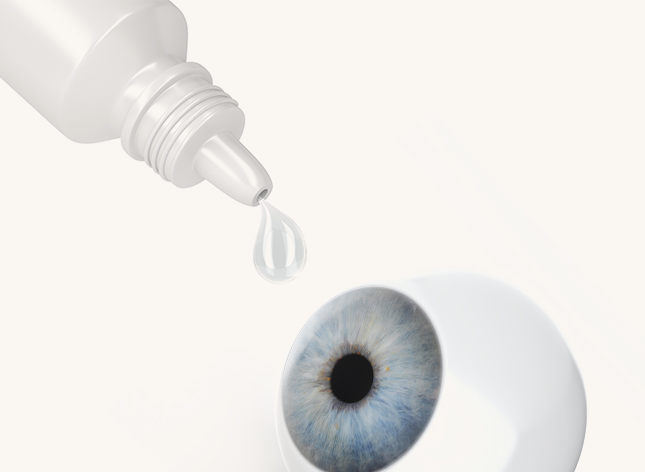
Effective blepharitis treatment in Seoul is built around consistent eyelid hygiene. Warm compresses applied for 5-10 minutes loosen crusted debris and help unclog meibomian glands, while gentle lid scrubs with diluted baby shampoo or commercial lid-cleansing wipes remove bacteria and biofilm along the lash line.
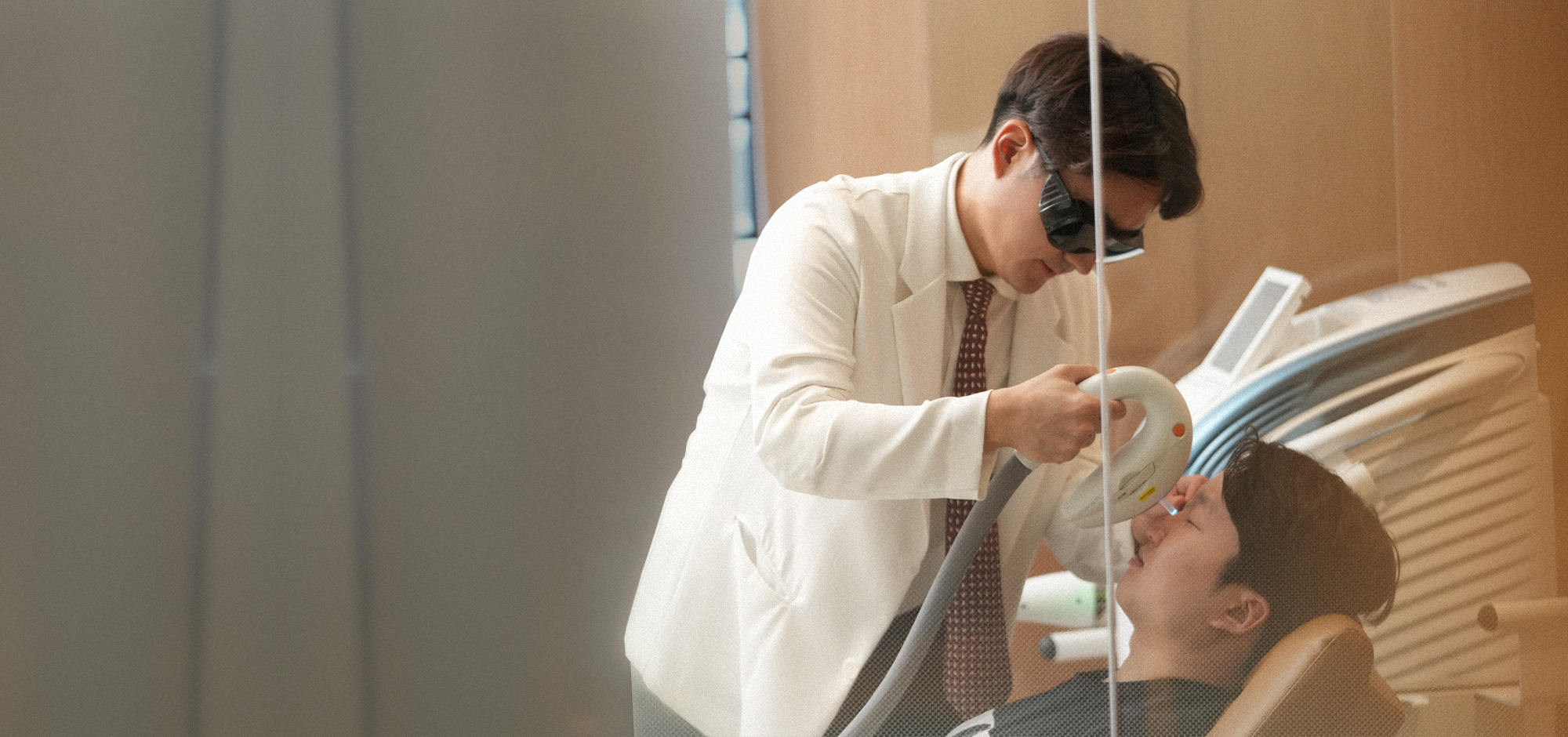
For moderate to severe cases, Nunehim Eye Center offers in-office meibomian gland expression, intense pulsed light (IPL) therapy, and, when appropriate, short courses of topical or oral antibiotics. Patients from Guro, Gasan, and Gwanak often combine these treatments with prescription artificial tears to manage the dry eye that frequently accompanies blepharitis.
Q. What Daily Care Habits Help Manage Blepharitis?
Daily lid hygiene is the single most important habit for keeping blepharitis under control. We recommend a twice-daily routine: warm compress, gentle lid massage to express the meibomian glands, and a final wipe with a lid-safe cleanser. Removing eye makeup completely before bed and replacing eye cosmetics every three months also reduces bacterial buildup. Patients commuting between Yeongdeungpo and Gasan for work often keep a travel-size lid wipe on hand for a midday refresh.
Q. When Should I See a Doctor in Seoul?
- Symptoms that don’t improve after 2-3 weeks of consistent home care
- Vision changes or persistent blurriness
- Significant eye pain or light sensitivity
- A stye or chalazion that is growing or not draining
- Eyelash loss or new eyelid margin scarring
- Recurrent styes despite good hygiene
Anterior Blepharitis
Affects the outer front edge of the eyelid where eyelashes attach. Usually caused by bacterial overgrowth or seborrheic skin conditions, with crusty debris right at the lash line.
Posterior Blepharitis (MGD)
Involves the meibomian glands on the inner eyelid that produce the oily tear layer. Blocked glands cause evaporative dry eye and are the most common form seen in Seoul patients over 40.
Mixed Blepharitis
A combination of anterior and posterior involvement, requiring a treatment plan that addresses bacterial load, gland function, and any underlying skin condition like rosacea.
A Note From Dr. Daniel Baik
Blepharitis is one of the most under-treated chronic conditions I see in my Guro-gu practice — patients often live with crusty, irritated eyelids for years before seeking help. A simple daily lid hygiene routine, combined with the right in-office treatment when needed, brings lasting relief for most patients.
❓ Frequently Asked Questions
Q. Is blepharitis contagious?
No, blepharitis itself is not contagious. However, the bacteria involved are common skin flora, and sharing towels or eye makeup can spread irritation-causing organisms between family members.
Q. Can blepharitis cause permanent damage to my eyes?
In most cases no, but chronic untreated blepharitis can lead to eyelash loss, eyelid margin scarring, and secondary dry eye disease, so early treatment is recommended.
Q. How long does blepharitis treatment take to work?
Most patients notice improvement within 2-4 weeks of consistent lid hygiene, though meibomian gland dysfunction may take 6-8 weeks of combined home care and in-office treatment for full resolution.
Q. Is blepharitis related to dry eye syndrome?
Yes. Posterior blepharitis (meibomian gland dysfunction) is one of the leading causes of evaporative dry eye, and the two conditions are often treated together.
Q. Can I wear contact lenses if I have blepharitis?
It’s best to pause contact lens wear during a flare-up, since lenses can trap bacteria and worsen irritation. Your doctor can advise when it is safe to resume.
Q. Do I need antibiotics for blepharitis?
Not always. Mild cases often resolve with warm compresses and lid hygiene alone; antibiotics or anti-inflammatory drops are reserved for moderate to severe or bacterial cases.
Q. Where can I get blepharitis treatment near Yeongdeungpo or Gasan?
Nunehim Eye Center in Guro-gu is easily accessible from Yeongdeungpo, Gasan, and Gwanak, and offers full diagnostic and in-office treatment for blepharitis, including meibomian gland expression and IPL therapy.

Book a Consultation
Ready to get lasting relief from blepharitis? Schedule a consultation with Dr. Daniel Baik at Nunehim Eye Center in Guro-gu — convenient for patients across Yeongdeungpo, Gasan, and Gwanak.
nunehim.com
📍 Visit Nunehim Eye Center — Guro, Seoul
Convenient access from Guro, Gasan, Gwanak & Dongjak. Near Guro Digital Complex Station (Line 2).
Address
551 Siheung-daero, Guro-gu, Seoul · nunehim.com
Hours
Mon–Fri 09:00–18:30 (lunch 13:00–14:00), Sat 09:00–14:00
Languages
Korean & English


Leave a comment