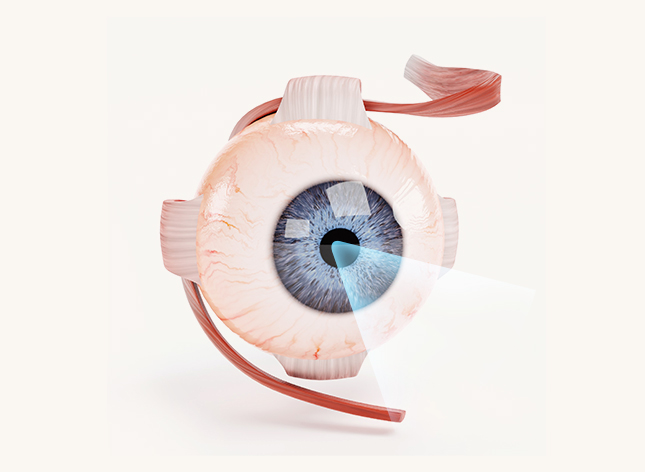
Eye Twitching (Myokymia) in Seoul: Causes and When to Worry
Guro · Yeongdeungpo · Gasan · Gwanak — Nunehim Eye Center
Quick Answer
Eye twitching, medically called myokymia, is usually a benign, temporary spasm of the eyelid muscle caused by fatigue, caffeine, stress, or dry eye, and it resolves within days to a few weeks. Among common eye twitching causes in Seoul patients, long screen hours and poor sleep are the most frequent triggers, but twitching that spreads to other facial muscles or lasts more than a few weeks should be evaluated by an ophthalmologist.
Q. What Causes Eye Twitching?
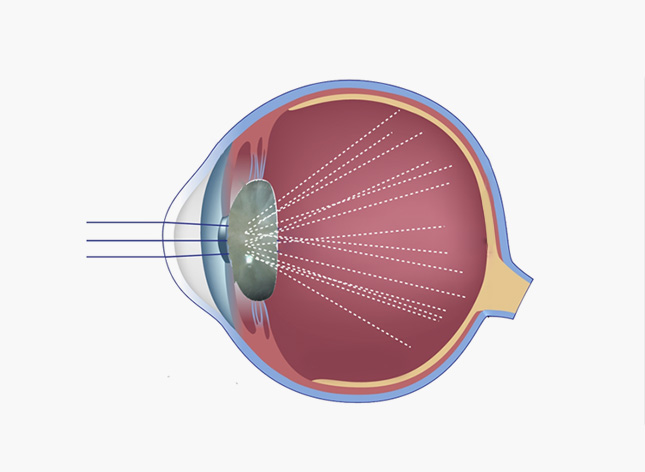
Eyelid myokymia is triggered by fatigue, emotional stress, high caffeine or alcohol intake, and dry eye irritation from prolonged screen use. It almost always affects one eye, most often the lower lid, and comes and goes over minutes to days. Among the eye twitching causes we see in Seoul patients, long working hours in front of screens across Guro, Yeongdeungpo, and Gasan are especially common, since reduced blinking and eye strain both aggravate the underlying muscle irritability.
Q. What Are the Symptoms of Myokymia?
- A mild fluttering or twitching sensation, usually in one eyelid
- Episodes that come and go, lasting seconds to a couple of minutes at a time
- Twitching that is often more noticeable to the person experiencing it than to others
- No pain, vision change, or eyelid drooping in typical benign cases
- Symptoms that tend to worsen with fatigue, stress, or caffeine intake
Eye Twitching by the Numbers
- ▸ Eyelid myokymia is reported in roughly 20% of adults at some point, most often linked to fatigue and stress.
- ▸ Seoul office workers averaging 9 or more hours of daily screen time report higher rates of eye strain-related twitching.
- ▸ Caffeine intake above roughly 400mg per day (about 3–4 cups of coffee) is associated with increased eyelid muscle irritability.
- ▸ Benign essential blepharospasm, a more serious twitching disorder, affects far fewer people — roughly 5 per 100,000 — but requires specialist care.
Managing and Reducing Eye Twitching
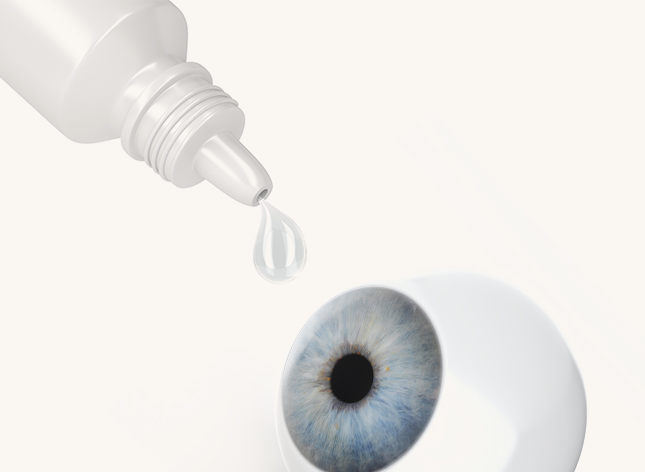
For most patients, reducing caffeine, improving sleep, and managing stress resolves eyelid myokymia within days to a couple of weeks. Since dry eye is a very common trigger, preservative-free artificial tears often help, especially for office workers in Gasan and Gwanak who spend long hours on digital screens.
Following the 20-20-20 rule — looking at something 20 feet away for 20 seconds every 20 minutes — reduces eye strain and blinking irregularities. A brief warm compress can also help if the eyelid margin feels irritated or dry alongside the twitching.
Myokymia vs. More Serious Twitching Disorders
Benign eyelid myokymia is different from benign essential blepharospasm, which involves both eyes and forceful, progressive eyelid closure, and from hemifacial spasm, which is one-sided but extends into the lower face and is often related to vascular compression of the facial nerve. Both of these conditions are less common than simple myokymia but need a full ophthalmologic and sometimes neurological evaluation, along with treatments such as botulinum toxin injections.
Q. When Should I See a Doctor in Seoul for Eye Twitching?
- Twitching that lasts more than two to three weeks
- Spasms that spread to other facial muscles, not just the eyelid
- The eyelid fully or forcefully closing involuntarily
- Twitching accompanied by eyelid drooping
- Any twitching accompanied by other neurological symptoms
Eyelid Myokymia
Benign, usually one eye, linked to fatigue or caffeine, and resolves on its own.
Benign Essential Blepharospasm
Both eyes, forceful blinking or closure, and typically progressive over time.
Hemifacial Spasm
One-sided, involves the lower face, often related to vascular compression of the facial nerve.
A Note From Dr. Daniel Baik
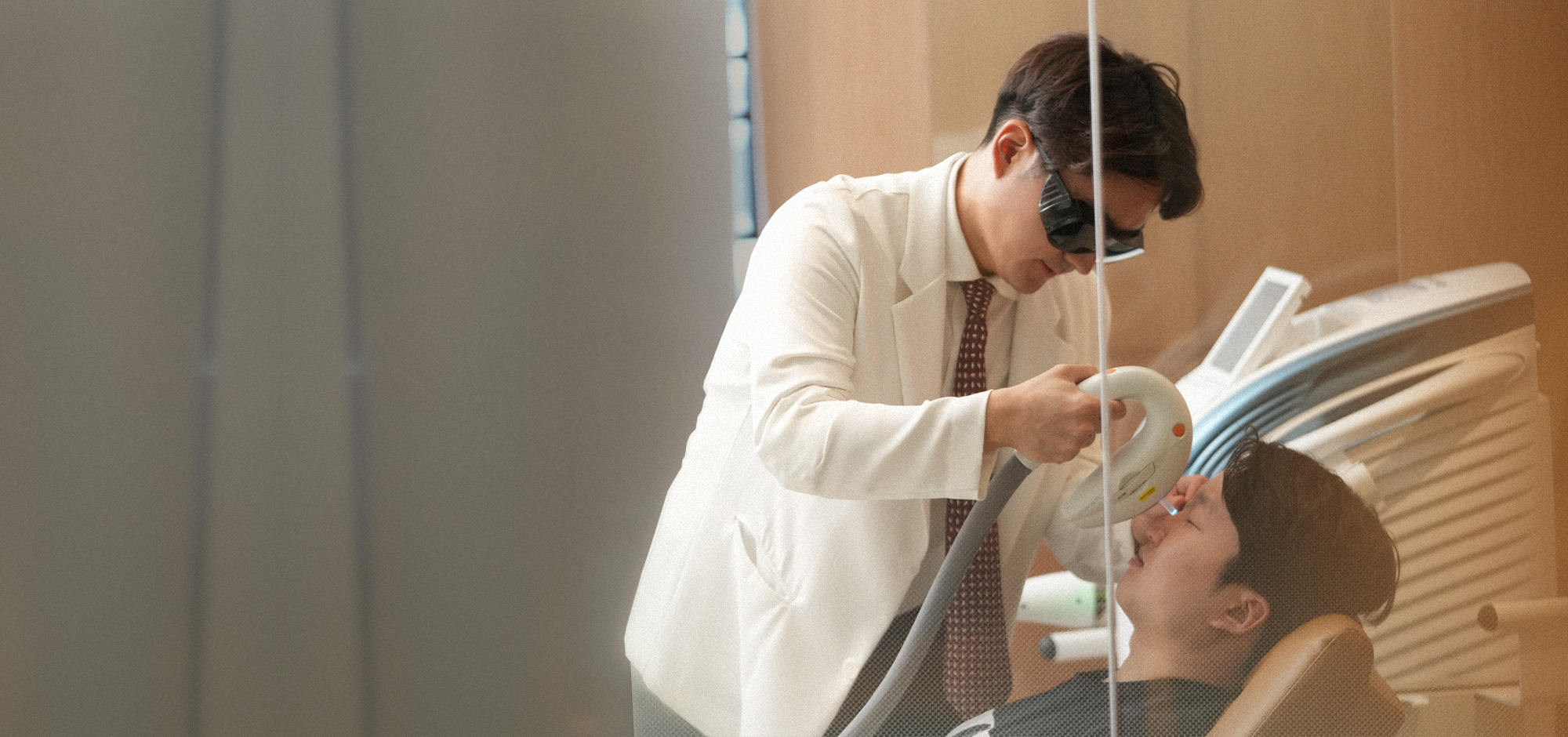
“Most patients who come into my Guro clinic worried about eye twitching have simple eyelid myokymia related to screen fatigue or caffeine, and reassurance plus small lifestyle changes resolve it. But I always check carefully for the rarer conditions like blepharospasm, especially in patients from Yeongdeungpo and Gwanak who describe twitching spreading beyond the eyelid.”
❓ Frequently Asked Questions
Q. Is eye twitching a sign of a serious condition?
In the vast majority of cases, no — eyelid myokymia is benign and related to fatigue, stress, or caffeine, though prolonged or spreading twitching should be evaluated.
Q. Can dry eye cause eyelid twitching?
Yes, dry eye irritation is a common trigger for eyelid myokymia, and treating the underlying dryness often resolves the twitching.
Q. How long does eye twitching usually last?
Most episodes resolve within a few days to a couple of weeks; twitching lasting beyond three to four weeks warrants an eye exam.
Q. Does caffeine really cause eye twitching?
Yes, high caffeine intake is a well-documented trigger for eyelid muscle irritability and myokymia in many patients.
Q. Can stress cause my eyelid to twitch?
Yes, stress and lack of sleep are among the most common triggers we see in patients across Seoul, including those from Guro and Gasan reporting high work-related stress.
Q. What treatments are available for chronic eyelid twitching?
For benign myokymia, lifestyle changes and lubricating drops are usually sufficient; for blepharospasm or hemifacial spasm, botulinum toxin injections are an effective specialist treatment.
Q. Should I worry if only one eye twitches?
One-sided twitching is typical of benign eyelid myokymia and usually not concerning, though if it involves the lower face as well, evaluation for hemifacial spasm is recommended.

Book a Consultation
Persistent or spreading eye twitching? Schedule an evaluation with Dr. Daniel Baik at Nunehim Eye Center in Guro-gu.
nunehim.com
📍 Visit Nunehim Eye Center — Guro, Seoul
Convenient access from Guro, Gasan, Gwanak & Dongjak. Near Guro Digital Complex Station (Line 2), with easy reach from Yeongdeungpo as well.
Address
551 Siheung-daero, Guro-gu, Seoul · nunehim.com
Hours
Mon–Fri 09:00–18:30 (lunch 13:00–14:00), Sat 09:00–14:00
Languages
Korean & English


Leave a comment