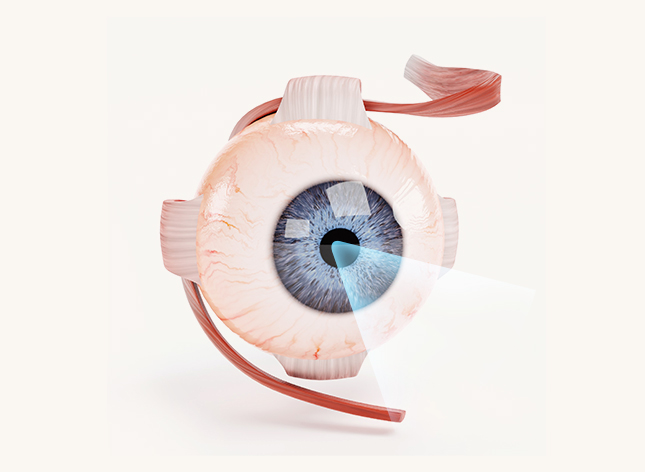
Meibomian Gland Dysfunction in Seoul: The Hidden Cause of Chronic Dry Eye
Guro · Yeongdeungpo · Gasan · Gwanak — Nunehim Eye Center
Quick Answer
Meibomian gland dysfunction (MGD) occurs when the oil-producing glands along the eyelid margin become blocked or function poorly, causing the tear film to evaporate too quickly. It is the leading cause of chronic dry eye among patients seen in Seoul, driven by heavy screen use, indoor heating and air conditioning, and urban air pollution — and it usually improves with consistent lid hygiene, warm compresses, and in-office treatment.
Q. What Is Meibomian Gland Dysfunction?
Meibomian glands are small oil glands lining the edge of each eyelid. They release a thin lipid layer onto the tear film that slows evaporation and keeps the eye surface smooth and comfortable. When these glands become blocked, inflamed, or gradually atrophy, the oil layer breaks down and tears evaporate far faster than normal. This condition, meibomian gland dysfunction, is now recognized as the single most common underlying cause of chronic dry eye. At our clinic in Guro-gu, we see meibomian gland dysfunction in Seoul patients across all ages, but it is especially common among office workers in Yeongdeungpo and Gasan who spend long hours in front of screens under dry, climate-controlled air.
Q. What Are the Symptoms of MGD?
- Gritty, burning, or sandy sensation in the eyes
- Paradoxical watery eyes as the surface tries to compensate for dryness
- Redness or crusting along the eyelid margin, especially on waking
- Fluctuating or blurry vision that improves with blinking
- Discomfort or intolerance when wearing contact lenses
- Increased sensitivity to wind, screens, or air conditioning
MGD by the Numbers
- ▸ MGD is estimated to underlie up to 86% of dry eye disease cases seen in ophthalmology clinics.
- ▸ Korean office workers frequently report screen time exceeding 9–10 hours per day, a major driver of reduced blink rate and gland stagnation.
- ▸ Seoul’s average indoor humidity drops below 30% during winter heating season, well under the 40–60% range ideal for a stable tear film.
- ▸ Clinical studies from Korean tertiary hospitals report MGD prevalence above 50% among adults over 40 presenting for general eye exams.
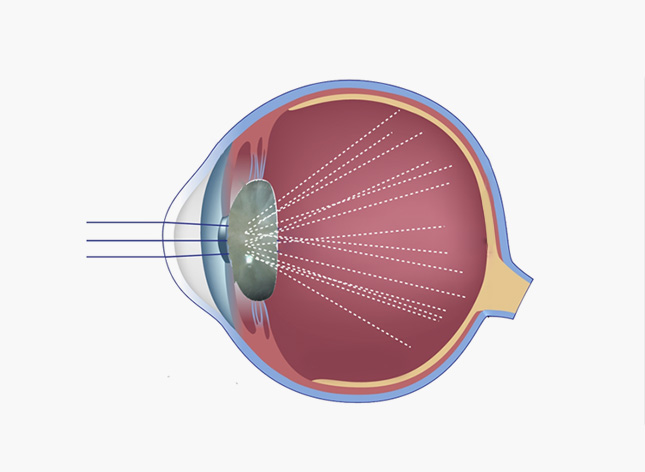
Treatment Options for MGD
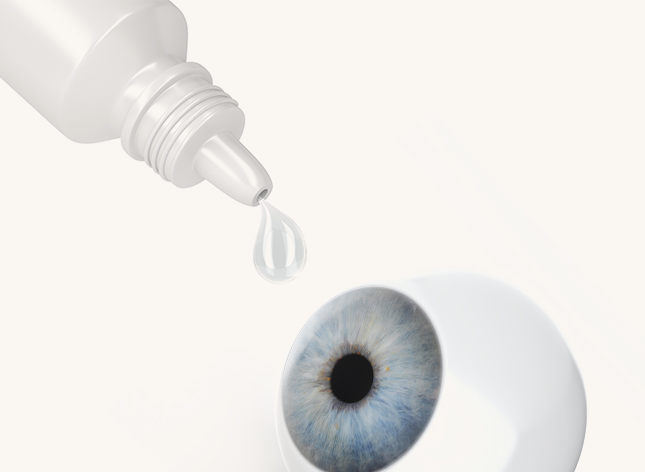
Daily warm compresses (10 minutes, warm not hot) followed by gentle lid massage help liquefy thickened gland secretions so they flow normally again. A consistent lid hygiene routine using lid scrubs or diluted baby shampoo removes debris and bacteria that contribute to blockage, and omega-3 supplementation has shown benefit for oil quality in several clinical studies. Preservative-free artificial tears round out first-line care for most patients across Guro and Yeongdeungpo.
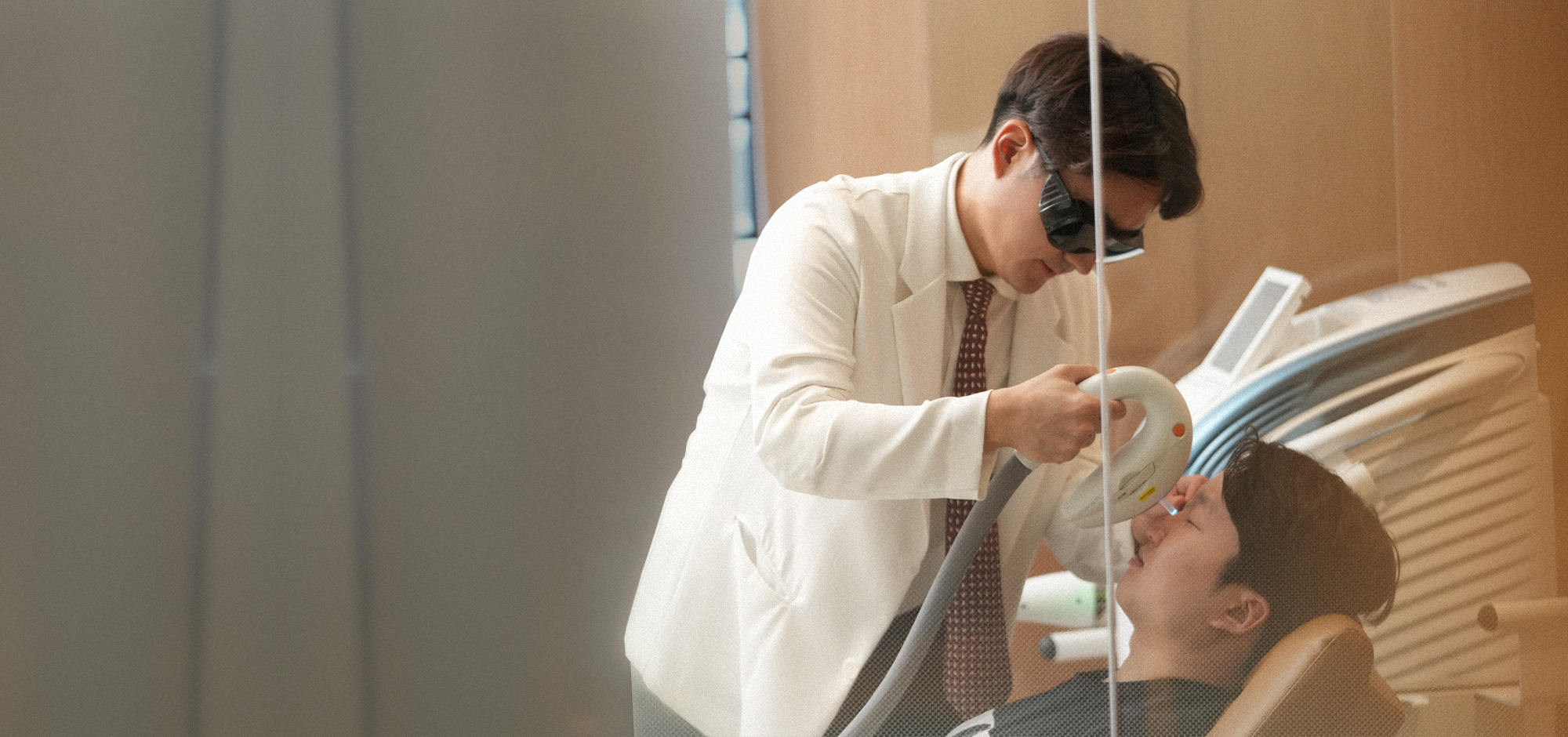
For moderate to advanced cases, in-clinic treatments make a significant difference. At Nunehim Eye Center we offer meibomian gland expression and intense pulsed light (IPL) therapy, both of which restore gland function more effectively than home care alone for patients traveling from Gasan and Gwanak for treatment.
Diagnosing MGD
Diagnosis starts with a slit-lamp examination of the eyelid margin and gland openings, followed by tear breakup time (TBUT) testing to measure how quickly the tear film destabilizes. Meibography, a specialized imaging technique, lets us visualize gland structure directly and detect early gland dropout before it becomes irreversible — a step we recommend for any Seoul patient with recurring dry eye symptoms lasting more than a few weeks.
Q. When Should I See a Doctor in Seoul?
- Dry eye symptoms persisting beyond two weeks despite over-the-counter drops
- Noticeable fluctuation in vision throughout the day
- Eye pain, significant redness, or light sensitivity
- Contact lens intolerance that has developed or worsened recently
- Concern about gland loss — meibography can catch dropout early, and same-day evaluation is available for patients traveling from Gwanak or Dongjak
Mild
Occasional dryness and irritation, manageable with lid hygiene and warm compresses at home.
Moderate
Persistent symptoms with visible gland thickening; usually benefits from in-office expression or IPL therapy.
Severe
Significant gland dropout and chronic inflammation requiring ongoing, structured management.
A Note From Dr. Daniel Baik
“In my practice in Guro, I see many patients — office workers, students, and long-time contact lens wearers from Yeongdeungpo, Gasan, and beyond — who assume dry eye is just screen fatigue. In reality, a large share of them have underlying meibomian gland dysfunction that responds very well once we start proper lid hygiene and in-office treatment. Catching MGD early prevents permanent gland loss.”
❓ Frequently Asked Questions
Q. Is meibomian gland dysfunction the same as dry eye syndrome?
Not exactly — MGD is one of the most common underlying causes of evaporative dry eye, but dry eye syndrome can also stem from reduced tear production (aqueous-deficient dry eye) or a combination of both.
Q. Can MGD be cured, or only managed?
Existing gland dropout is not reversible, but symptoms in functioning glands are highly manageable with consistent lid hygiene, warm compresses, and, when needed, in-office treatments like IPL or gland expression.
Q. Does wearing contact lenses make MGD worse?
Yes, long-term contact lens wear is associated with meibomian gland changes and is a common contributing factor we see in patients from Yeongdeungpo, Guro, and Gasan workplaces with long screen hours.
Q. How long does treatment take to show results?
Most patients notice improved comfort within 4–8 weeks of consistent lid hygiene and warm compress therapy; in-office treatments like IPL often show visible improvement over 2–3 sessions spaced a few weeks apart.
Q. Is IPL therapy for MGD available in Seoul?
Yes, Nunehim Eye Center in Guro-gu offers IPL and meibomian gland expression for patients throughout the Yeongdeungpo, Gasan, and Gwanak areas as part of a comprehensive dry eye evaluation.
Q. Can diet or supplements help MGD?
Omega-3 fatty acid supplementation has shown benefit for meibomian gland oil quality in several clinical studies, though it works best alongside lid hygiene rather than as a standalone treatment.
Q. Should children or teenagers worry about MGD?
MGD is less common in children, but rising screen time among students in Seoul has led to more early gland dysfunction cases; an eye exam is recommended if a child complains of persistent eye irritation.

Book a Consultation
Concerned about chronic dry eye or MGD? Schedule an evaluation with Dr. Daniel Baik at Nunehim Eye Center in Guro-gu.
nunehim.com
📍 Visit Nunehim Eye Center — Guro, Seoul
Convenient access from Guro, Gasan, Gwanak & Dongjak. Near Guro Digital Complex Station (Line 2), with easy reach from Yeongdeungpo as well.
Address
551 Siheung-daero, Guro-gu, Seoul · nunehim.com
Hours
Mon–Fri 09:00–18:30 (lunch 13:00–14:00), Sat 09:00–14:00
Languages
Korean & English


Leave a comment