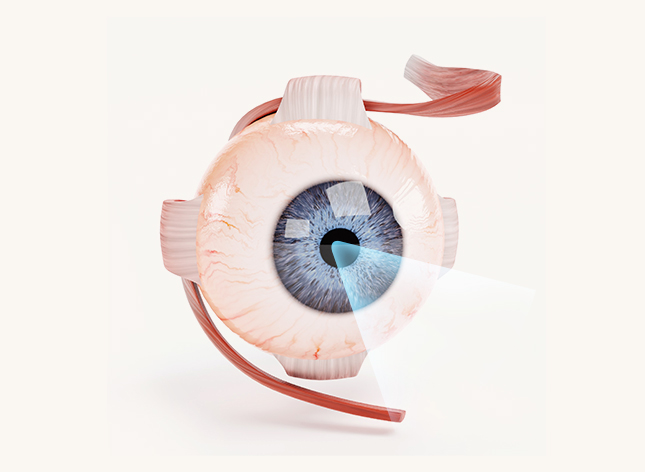
Eye Pressure (IOP) in Seoul: Normal Levels and Why It Matters
A guide from Nunehim Eye Center, Guro-gu, Seoul
Quick Answer
Normal intraocular pressure (IOP) ranges from about 10 to 21 mmHg, averaging around 15-16 mmHg. For patients in Seoul, particularly those over 40, or living and working across Yeongdeungpo, Guro, Gasan, and Gwanak, a regular IOP check is one of the simplest ways to catch glaucoma before it causes irreversible vision loss.
Q. What Is Eye Pressure and Why Does It Matter in Seoul?
Eye pressure, or intraocular pressure (IOP), is the fluid pressure inside the eye created by aqueous humor, a clear fluid that nourishes the eye and maintains its shape. When the eye produces too much of this fluid, or drains it too slowly, pressure builds up. Sustained high eye pressure normal levels Seoul patients should know about is anything above roughly 21 mmHg; over time, this can damage the optic nerve and lead to glaucoma, a leading cause of irreversible blindness worldwide.
Q. What Are the Symptoms of High Eye Pressure?
- Often no symptoms at all in the early stages, this is why screening matters
- Gradual loss of peripheral (side) vision, usually unnoticed until advanced
- Blurred vision or seeing halos around lights
- Eye pain, redness, or headache, particularly in acute angle-closure cases
- Nausea and vomiting accompanying sudden eye pain, a medical emergency
Eye Pressure and Glaucoma in Korea: Key Statistics
- Glaucoma affects an estimated 4% of Koreans aged 40 and older, and prevalence rises sharply with age
- Normal-tension glaucoma, where the optic nerve is damaged despite statistically normal IOP, accounts for a majority of glaucoma cases diagnosed in Korea, more than in many Western countries
- IOP naturally fluctuates throughout the day, so a single office reading can miss a diagnosis; repeat testing matters
- Regular screening after age 40, or earlier with risk factors, is the most effective way to catch pressure changes before vision loss occurs
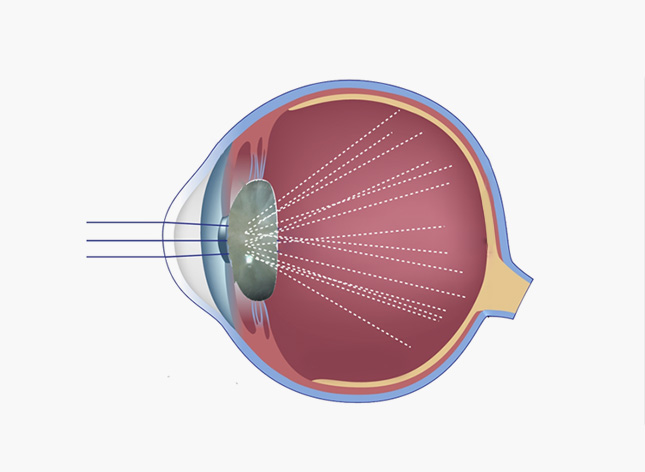
Q. How Is Eye Pressure Measured and Treated?
IOP is measured with tonometry, most commonly Goldmann applanation tonometry, considered the gold standard, or a quick non-contact air-puff test used for screening. At Nunehim Eye Center in Guro, both methods are available, along with optic nerve imaging (OCT) and visual field testing to build a complete picture rather than relying on pressure numbers alone.
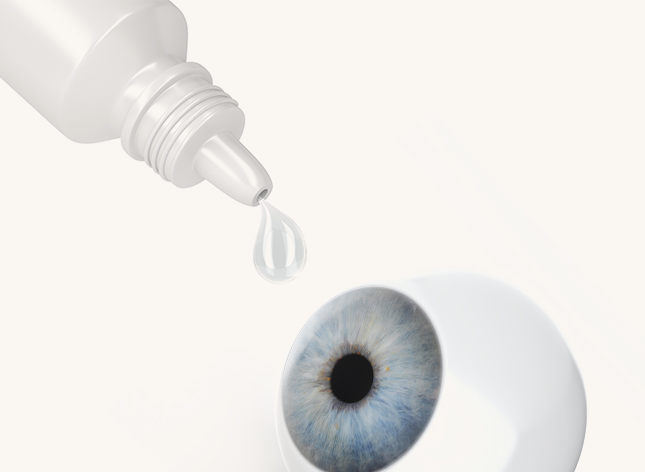
When treatment is needed, options range from daily prescription eye drops that reduce fluid production or improve drainage, to laser procedures such as selective laser trabeculoplasty, to surgical options for more advanced or resistant cases. Treatment is tailored to each patient’s pressure pattern, optic nerve health, and lifestyle.
Q. Who Should Get Regular Eye Pressure Screening in Seoul?
Anyone over 40 should have IOP checked at least once a year. Risk rises further with a family history of glaucoma, high myopia, diabetes, or long-term steroid use. For office workers and residents across Yeongdeungpo, Guro, Gasan, and Gwanak who spend long hours on screens, an annual comprehensive eye exam, including IOP and optic nerve evaluation, is a simple habit that protects vision for decades to come.
Q. When Should I See a Doctor in Seoul About Eye Pressure?
- Sudden, severe eye pain with blurred vision or halos: seek care immediately (possible acute angle-closure glaucoma)
- Sudden vision loss or a sudden increase in floaters
- Persistent eye redness, headache, or nausea alongside visual changes
- A family member notices you bumping into things on one side, suggesting peripheral vision loss
- You have not had an eye pressure check in over a year and are over 40
Ocular Hypertension
IOP above normal range, but no optic nerve damage yet. Requires monitoring, not always treatment.
Primary Open-Angle Glaucoma
The most common glaucoma type worldwide: gradual drainage decline and slow, painless vision loss.
Normal-Tension Glaucoma
Optic nerve damage despite statistically normal IOP: notably common among Korean patients.
From Dr. Daniel Baik
Because normal-tension glaucoma is so common here, I never rely on a single pressure reading. I look at the optic nerve directly and track changes over time; that combination is what actually protects vision, whether a patient is commuting through Guro or Gasan every day.
❓ Frequently Asked Questions
Q. What is considered normal eye pressure?
Normal intraocular pressure falls between about 10 and 21 mmHg, with most people averaging around 15 to 16 mmHg. Pressure outside this range does not automatically mean glaucoma, but it does warrant closer monitoring by an ophthalmologist.
Q. Can eye pressure be normal but still have glaucoma?
Yes. Normal-tension glaucoma causes optic nerve damage even when IOP measures within the statistically normal range, and it is especially common among Korean patients. This is why optic nerve imaging and visual field testing matter as much as the pressure number itself.
Q. How often should I get my eye pressure checked in Seoul?
Adults over 40 should have IOP checked annually. Those with a family history of glaucoma, high myopia, diabetes, or steroid use should be screened more frequently, often every six to twelve months, regardless of age.
Q. Does high eye pressure always cause symptoms?
No. Chronic high eye pressure is usually painless and symptom-free until significant, often irreversible, vision loss has occurred. Acute angle-closure glaucoma is the exception, causing sudden pain, redness, and blurred vision that requires emergency care.
Q. What causes high eye pressure?
High IOP usually results from an imbalance between aqueous humor production and drainage; either the eye makes too much fluid or the drainage angle is too narrow or blocked. Long-term steroid use, eye injury, and certain other eye conditions can also raise pressure.
Q. Can lifestyle affect eye pressure?
Yes, to a modest degree. Regular aerobic exercise, limiting excessive caffeine, staying well-hydrated, and sleeping with the head slightly elevated can help support healthy IOP, though lifestyle changes complement rather than replace medical treatment.
Q. What treatments lower eye pressure?
Treatment typically starts with daily prescription eye drops that reduce fluid production or improve outflow. If drops are not enough, laser trabeculoplasty or surgical procedures can create better drainage and bring pressure down further.

Book a Consultation
Protect your vision with a comprehensive eye pressure and glaucoma screening at Nunehim Eye Center, Guro-gu, Seoul.
nunehim.com
📍 Visit Nunehim Eye Center: Guro, Seoul
Convenient access from Yeongdeungpo, Guro, Gasan, and Gwanak. Near Guro Digital Complex Station (Line 2), Nunehim Eye Center offers eye pressure checks and glaucoma screening in both Korean and English.
Address
551 Siheung-daero, Guro-gu, Seoul – nunehim.com
Hours
Mon-Fri 09:00-18:30 (lunch 13:00-14:00), Sat 09:00-14:00
Languages
Korean & English


Leave a comment