Vision Changes During Pregnancy in Seoul: What Is Normal?
Guidance for expecting mothers from Nunehim Eye Center, Guro-gu, Seoul
Quick Answer
Yes, mild vision changes during pregnancy are common and usually normal — hormonal shifts can cause dry eyes, slightly blurred vision, and contact lens discomfort in most trimesters. Anyone researching vision changes pregnancy Seoul concerns should know that sudden severe blurring, double vision, or flashing lights are not normal and need prompt evaluation, since they can signal pregnancy-related conditions like preeclampsia. Nunehim Eye Center in Guro-gu offers pregnancy-safe eye exams for expecting mothers across Seoul.
Q. What Causes Vision Changes During Pregnancy?
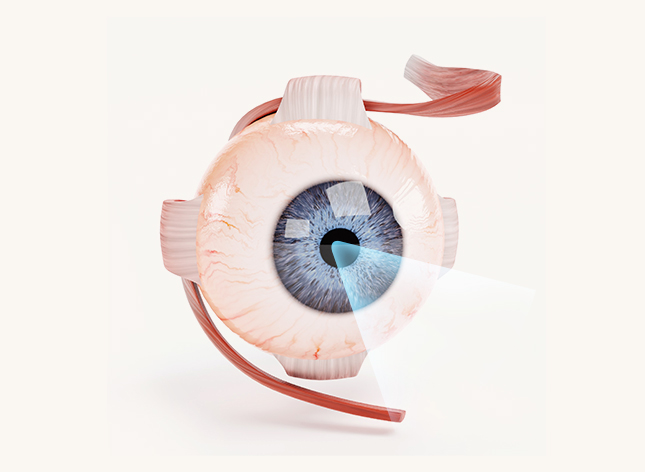
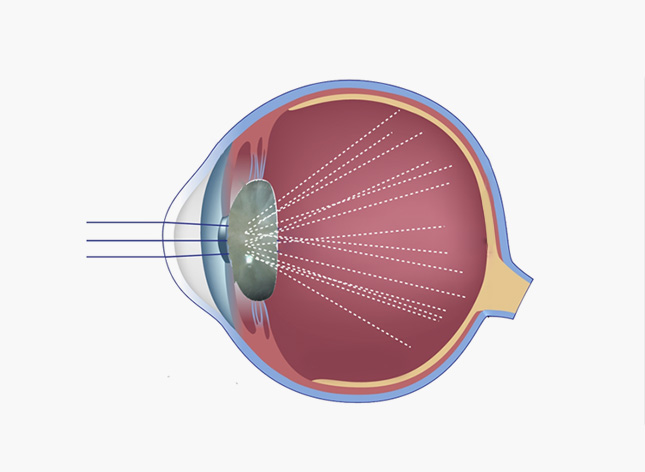
Pregnancy hormones — particularly rising estrogen and progesterone — change the water content and curvature of the cornea, alter tear film composition, and can even shift fluid balance in the eye’s lens. These changes explain why many pregnant women searching for vision changes pregnancy Seoul information notice their glasses prescription feels slightly off, or that their contact lenses suddenly feel less comfortable. Most of these shifts appear in the second and third trimesters and are temporary, resolving within weeks to months after delivery. Expecting mothers across Yeongdeungpo and Guro frequently ask Nunehim Eye Center whether it is safe to update their glasses prescription during pregnancy — the general recommendation is to wait, since vision often reverts postpartum.
Q. What Are Common Normal Vision Changes?
- Mild blurriness that comes and goes
- Dry, gritty, or irritated eyes
- Increased contact lens discomfort
- Slight changes in glasses prescription accuracy
- Mild eyelid puffiness or swelling
- Light sensitivity in some trimesters
By the Numbers
- ▸ Up to 15% of pregnant women report noticeable changes in vision or refraction at some point during pregnancy
- ▸ Dry eye symptoms increase in an estimated 1 in 5 pregnant women due to hormonal changes in tear composition
- ▸ Preeclampsia, which can cause serious visual symptoms, affects roughly 2–8% of pregnancies worldwide
- ▸ Most pregnancy-related vision changes fully resolve within 6–12 weeks postpartum
Q. How Can I Manage Dry Eyes During Pregnancy?
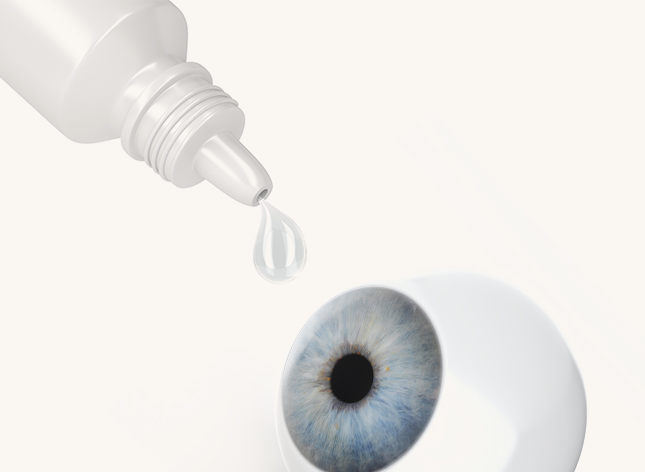
Preservative-free artificial tears are considered safe throughout pregnancy and are the first-line treatment for pregnancy-related dry eye. Using a humidifier, taking regular screen breaks, and staying well hydrated can also meaningfully ease dryness and irritation.
Many patients in Gasan and Gwanak ask whether it is safe to continue their usual eye drops or contact lens solutions while pregnant. As a general rule, preservative-free options are preferred, and any prescription eye drop — including glaucoma medications — should be reviewed with both your obstetrician and ophthalmologist before continuing use during pregnancy.
Q. Can Pregnancy Affect My Contact Lenses?
Yes — many women find their contact lenses feel drier or less comfortable during pregnancy because of reduced tear production and subtle corneal swelling. Because your prescription may fluctuate temporarily, this is not the ideal time to switch to a new, stronger lens power. If lenses become persistently uncomfortable, switching temporarily to glasses or a daily disposable lens with fresh lubrication can help until your eyes stabilize after delivery, something Nunehim Eye Center in Yeongdeungpo often recommends for expecting patients.
Q. When Should I See a Doctor in Seoul?
- Sudden, severe blurring or vision loss
- Double vision
- Flashing lights or new floaters
- Seeing halos around lights
- Severe headache with visual symptoms (possible preeclampsia warning sign)
- Eye pain that does not improve with lubricating drops
- Any vision change accompanied by high blood pressure readings
First Trimester
- Usually minimal changes
- Some early dryness
- Hormone surges begin
Second/Third Trimester
- Most noticeable changes
- Blurriness, dryness, glasses feel off
- Fluid shifts peak
Postpartum
- Vision typically stabilizes by 6–12 weeks
- Safe time to update glasses prescription
From Dr. Daniel Baik
“Expecting mothers in my Guro-gu clinic often worry that any eye symptom during pregnancy is dangerous, and I understand why — but the vast majority of vision changes in pregnancy are mild and temporary. What I want every patient to remember is that sudden, severe, or one-sided vision changes are the ones that need same-day attention, especially alongside headache or swelling.”
❓ Frequently Asked Questions
Q. Is it normal for my vision to get blurry during pregnancy?
Yes, mild and gradual blurriness is common due to hormonal changes affecting the cornea and tear film, especially in the second and third trimesters. However, sudden or severe blurring should always be evaluated promptly.
Q. Can I get a new glasses prescription while pregnant?
It is generally best to wait until after delivery, since vision often fluctuates during pregnancy and settles back within a few months postpartum. Updating your prescription too early may mean needing another update shortly after giving birth.
Q. Are eye drops safe to use during pregnancy?
Preservative-free artificial tears are considered safe throughout pregnancy, but any medicated or prescription eye drop should be discussed with your obstetrician and ophthalmologist first, since some medications are not recommended during pregnancy or breastfeeding.
Q. Can pregnancy cause permanent vision problems?
For most women, pregnancy-related vision changes are temporary and fully resolve after delivery. Rarely, conditions like preeclampsia can cause more serious visual complications, which is why prompt evaluation of severe symptoms matters.
Q. Is LASIK safe during pregnancy?
No, elective vision correction procedures like LASIK or TransPRK are not performed during pregnancy or while breastfeeding, since hormonal fluctuations can affect healing and temporarily change your prescription. Most clinics recommend waiting until several months after you have finished breastfeeding.
Q. What is preeclampsia and how does it relate to vision?
Preeclampsia is a pregnancy complication involving high blood pressure that can affect blood vessels in the eye, sometimes causing blurred vision, light sensitivity, or seeing spots and flashing lights. Any of these symptoms combined with headache or swelling should be reported to your doctor immediately.
Q. Should I get an eye exam if I am pregnant and have no symptoms?
It is not required, but women with pre-existing eye conditions like diabetic retinopathy or high blood pressure may benefit from a baseline exam early in pregnancy, since these conditions can be affected by pregnancy-related changes — Nunehim Eye Center in Guro-gu and Yeongdeungpo can advise on the right monitoring schedule.
Book a Consultation
Experiencing vision changes during pregnancy? Nunehim Eye Center in Guro-gu offers pregnancy-safe eye exams for expecting mothers across Yeongdeungpo, Gasan, and Gwanak, in Korean and English.
nunehim.com
📍 Visit Nunehim Eye Center — Guro, Seoul
Convenient access from Guro, Gasan, Gwanak & Yeongdeungpo. Near Guro Digital Complex Station (Line 2).
Address
551 Siheung-daero, Guro-gu, Seoul · nunehim.com
Hours
Mon–Fri 09:00–18:30 (lunch 13:00–14:00), Sat 09:00–14:00
Languages
Korean & English


Leave a comment