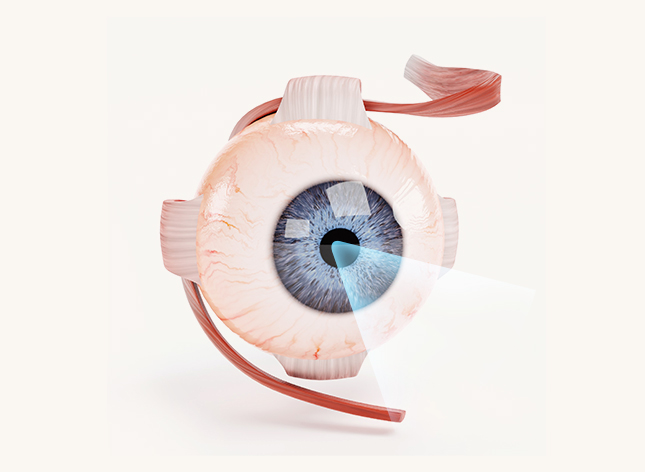
Sports Eye Safety in Seoul: Protecting Your Vision During Exercise
Trusted by athletes across Guro, Yeongdeungpo, Gasan & Gwanak
Quick Answer
Sports eye safety in Seoul means matching the right protective eyewear to the activity: polycarbonate goggles for racquet and ball sports, sealed swim goggles for pool training, and wraparound sunglasses for outdoor cycling or running. At Nunehim Eye Center in Guro-gu, we fit prescription sports eyewear and treat sports-related eye injuries with same-week appointments.
Q. What Are the Most Common Sports Eye Injuries?
Sports account for a significant share of preventable eye injuries seen in Korean emergency and outpatient eye clinics each year. The most frequent causes are direct impact from a ball or shuttlecock in badminton, tennis, and baseball; finger or elbow contact in basketball and taekwondo; and chemical or bacterial exposure from unprotected swimming. Sports eye safety in Seoul is especially relevant given how popular racquet sports and group fitness are across neighborhoods like Guro and Yeongdeungpo, where courts and gyms are in near-constant use after work hours.
Q. What Are the Symptoms of a Sports Eye Injury?
- Sudden pain, redness, or swelling around the eye after impact
- Blurred, doubled, or partially blocked vision
- Sensitivity to light or excessive tearing
- Visible blood in the white of the eye or an irregularly shaped pupil
- A sensation of something stuck in the eye that does not clear with blinking
Sports Eye Injury Facts
- ▸ Eye injuries account for a notable share of sports-related ER visits among Korean adults and youth athletes
- ▸ Badminton and racquet sports are among the leading causes of blunt sports eye trauma in Korea
- ▸ Over 90% of sports eye injuries are considered preventable with proper protective eyewear
- ▸ Chemical or bacterial conjunctivitis from unprotected swimming is one of the most common sports-related eye complaints in clinic visits
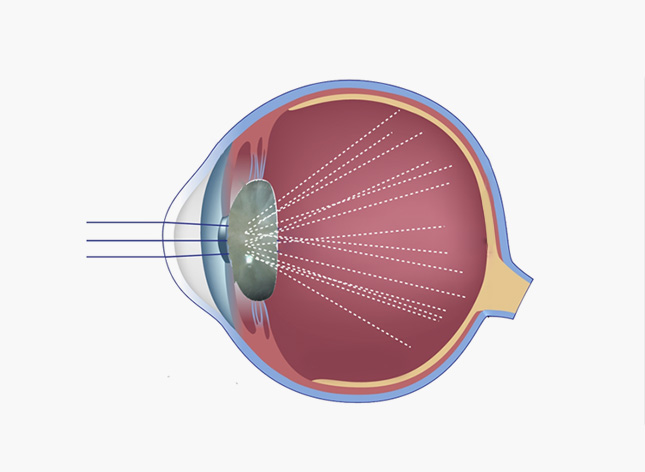
Q. What Protective Eyewear Should I Use?
For racquet and ball sports, choose polycarbonate goggles that meet a recognized impact-resistance standard and fit snugly without gaps. For swimming, a properly sealed pair of swim goggles protects against both blunt exposure and chemical or bacterial irritation from pool water.
If you need vision correction, prescription sports goggles or daily disposable contact lenses paired with wraparound protective eyewear both work well. Our team fits prescription sports eyewear for patients throughout Gasan and Gwanak who train regularly and need a durable, correctly powered solution.
Q. Which Sports Carry the Highest Eye Injury Risk?
Badminton, squash, and tennis carry high risk because a shuttlecock or ball can accelerate to speeds that fit precisely into an unprotected eye socket. Basketball, taekwondo, and other contact sports carry risk from fingers, elbows, and equipment. Cycling and skiing near Seoul carry risk from wind, debris, and UV exposure at altitude, all of which call for sport-appropriate eyewear rather than regular glasses or no protection at all.
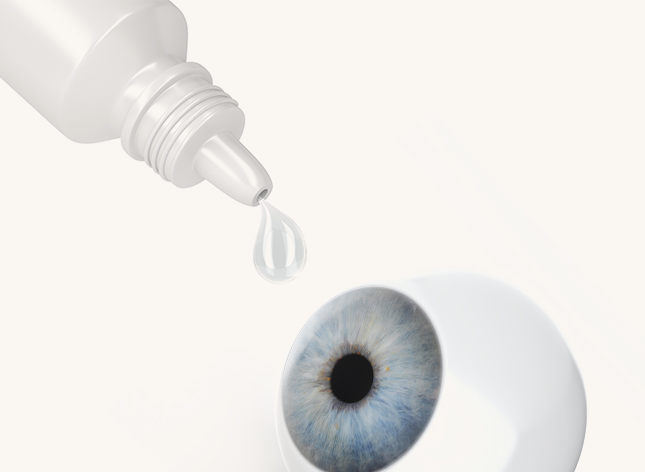
Q. When Should I See a Doctor in Seoul?
- Any direct hit to the eye followed by vision change, even if brief
- Visible blood inside the eye or a misshapen pupil
- Severe pain that does not improve with rest and a cold compress
- Persistent light sensitivity, tearing, or foreign-body sensation after 24 hours
- Chemical exposure or suspected infection following swimming
Whether you train in Guro, Gwanak, or travel in from Yeongdeungpo, we keep same-day slots open for acute sports eye injuries at our Guro-gu clinic.
Racquet & Ball Sports
Badminton, tennis, squash, baseball. Highest blunt-impact risk — polycarbonate goggles strongly recommended.
Contact Sports
Basketball, taekwondo, soccer. Risk from fingers, elbows, and falls — sports goggles or guards advised.
Water & Outdoor Sports
Swimming, cycling, skiing. Risk from chemicals, UV, wind and debris — sealed goggles or wraparound eyewear.
A Note From Dr. Daniel Baik
“I see a steady stream of badminton and basketball injuries from patients across Gwanak and Gasan every week, and the frustrating part is that most were preventable. A ten-dollar pair of polycarbonate goggles is far cheaper than the recovery time from a corneal abrasion or hyphema.”
❓ Frequently Asked Questions
Q. What is the single most effective way to prevent a sports eye injury?
Wearing sport-specific polycarbonate protective eyewear is the single most effective measure. Polycarbonate lenses are roughly ten times more impact-resistant than regular plastic or glass lenses, and certified sports goggles are designed to absorb and distribute impact away from the eye socket, which regular glasses or sunglasses cannot do.
Q. Can I wear my regular glasses while playing sports?
It is not recommended for contact or racquet sports. Regular eyeglass lenses and frames can shatter or dig into the eye socket on impact, actually increasing injury risk compared to wearing nothing at all. If you need vision correction during sports, ask about prescription sports goggles or daily contact lenses paired with protective eyewear.
Q. Are contact lenses safer than glasses for sports?
Contact lenses remove the risk of frame or lens breakage and are a good option for many athletes, but they do not protect the eye itself from a direct impact, chemical splash, or foreign body. For contact or racquet sports, we still recommend protective goggles over contact lenses for full coverage.
Q. What should I do immediately after getting hit in the eye during sports?
Stop playing immediately, avoid rubbing or pressing on the eye, and apply a cold compress gently to the surrounding bone if there is swelling — never directly on the eyeball. If there is any vision change, severe pain, visible blood inside the eye, or an oddly shaped pupil, come in for an urgent exam the same day rather than waiting.
Q. Is LASIK or TransPRK a good option for athletes who play contact sports?
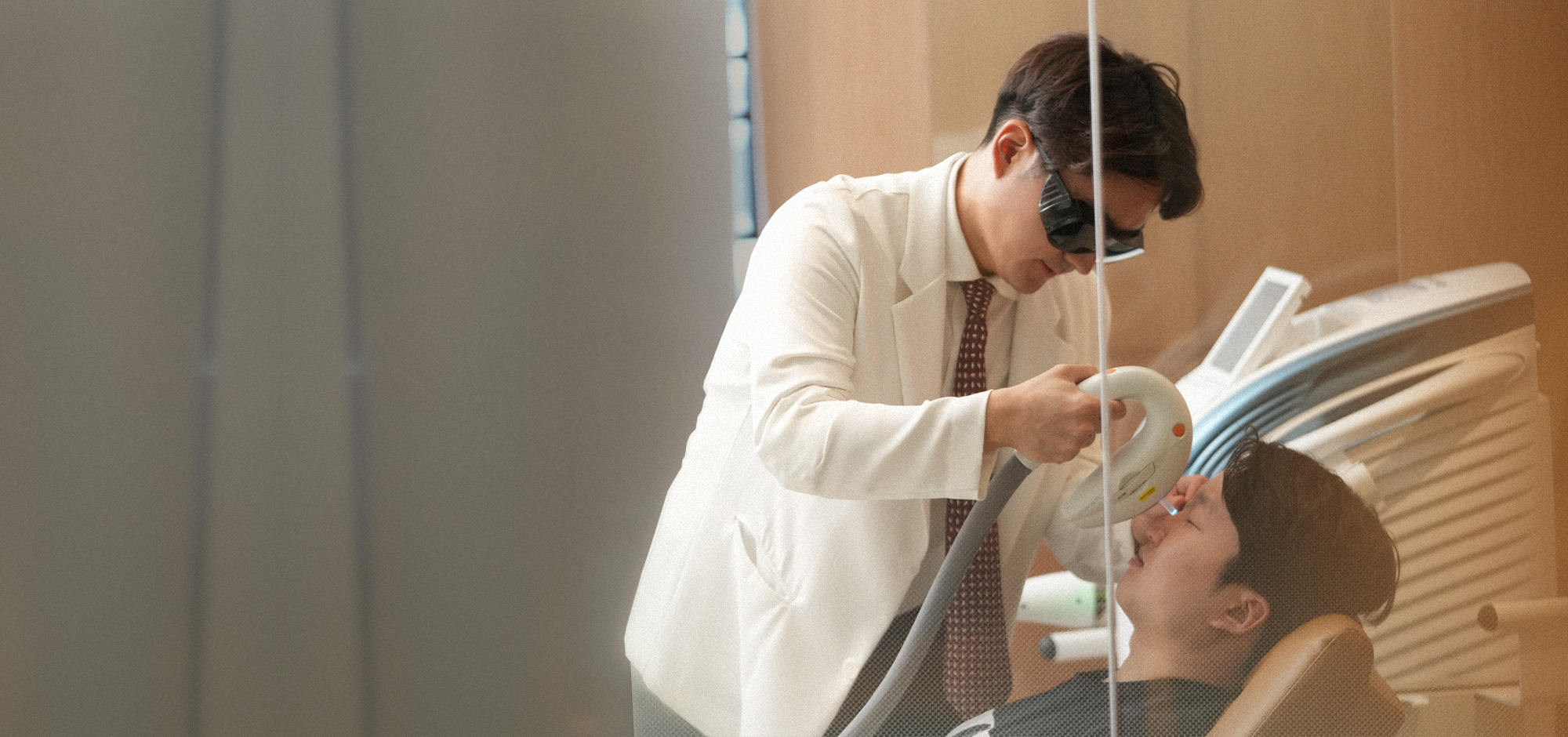
Yes, many athletes choose TransPRK or 2-Day LASEK specifically because these surface-based procedures do not create a corneal flap, which removes the small long-term risk of flap dislodgement from a direct blow to the eye — a consideration in flap-based procedures. We discuss sport-specific timing and recovery during your surgical consultation.
Q. How soon can I return to sports after laser vision correction?
Most patients resume light exercise within 3–5 days and full-contact sports after 2–4 weeks, once the corneal surface has fully healed, though this varies by procedure and individual healing. We provide a personalized return-to-sport timeline at your post-operative visits.
Q. Do swimming goggles actually protect the eyes, or are they just for visibility?
Well-fitted swimming goggles do more than improve visibility — they form a seal that keeps chlorine, chemicals, and waterborne bacteria away from the eye surface, reducing the risk of chemical conjunctivitis and infection, which are common complaints we see from swimmers training at pools around Yeongdeungpo and Guro.
Book a Consultation
Get fitted for prescription sports eyewear or treat a sports eye injury at Nunehim Eye Center, Guro-gu.
nunehim.com
📍 Visit Nunehim Eye Center — Guro, Seoul
Convenient access from Guro, Gasan, Gwanak & Yeongdeungpo. Near Guro Digital Complex Station (Line 2).
Address
551 Siheung-daero, Guro-gu, Seoul · nunehim.com
Hours
Mon–Fri 09:00–18:30 (lunch 13–14), Sat 09:00–14:00
Languages
Korean & English


Leave a comment