Keratoconus in Seoul: Early Detection and Management
How corneal topography catches keratoconus early — and how it is managed for patients from Guro, Yeongdeungpo, Gasan and Gwanak
Quick Answer
Keratoconus is a progressive thinning and cone-shaped bulging of the cornea that usually begins in the teens or twenties and causes blurry, distorted vision that glasses stop correcting well. For keratoconus in Seoul, early detection relies on corneal topography and tomography — a quick, painless scan available at Nunehim Eye Center in Guro-gu. Caught early, progression can usually be halted with corneal cross-linking and vision restored with specialty contact lenses, so anyone with rapidly changing astigmatism should be screened.
Q. What is keratoconus, and why does it matter for patients in Seoul?
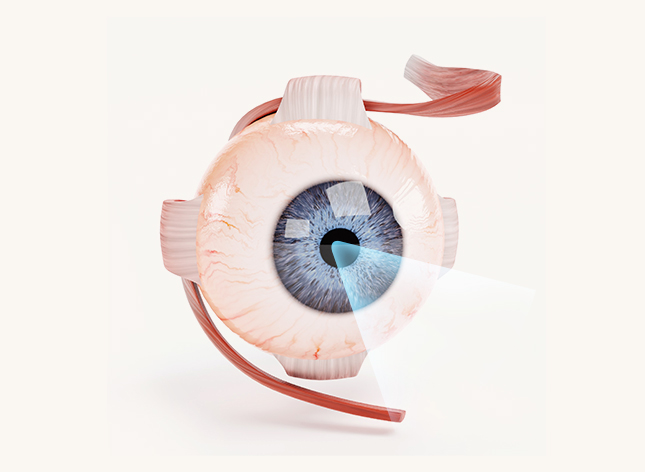
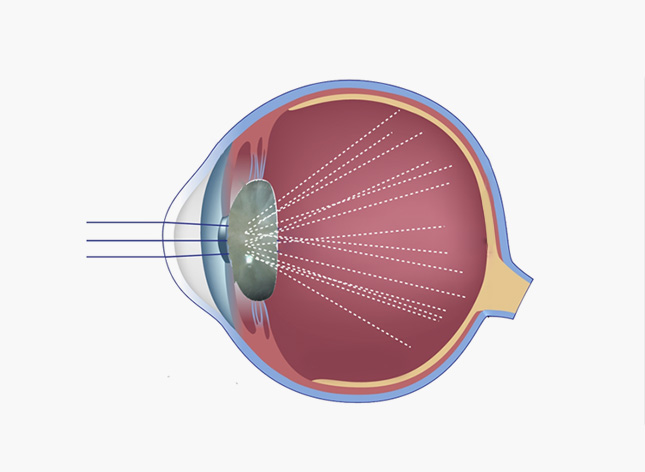
Keratoconus is a non-inflammatory corneal disease in which the normally dome-shaped cornea gradually thins and bulges forward into a cone. Because the cornea provides roughly two-thirds of the eye’s focusing power, even small changes in its shape create irregular astigmatism that ordinary glasses cannot fully correct. For anyone looking into keratoconus in Seoul, the condition matters for two reasons: it tends to strike young, active adults, and it is the single most important thing ophthalmologists screen for before laser vision correction. In a city with some of the highest myopia rates in the world — where many young professionals in Guro, Gasan and Yeongdeungpo are considering TransPRK or LASEK — missing an early cone can have serious consequences.
The cause is multifactorial. Genetics play a role, and keratoconus is associated with atopy, allergic eye disease, Down syndrome and some connective tissue disorders. The most important modifiable risk factor is chronic, forceful eye rubbing — very common in people with allergic conjunctivitis, which tends to flare during Seoul’s spring yellow-dust and fine-dust season. Hormonal changes (for example during pregnancy) may also influence progression in some patients.
Q. What are the early signs of keratoconus?
- Blurry or distorted vision that new glasses no longer fully correct
- Frequent prescription changes, especially rising or shifting astigmatism
- Ghosting or multiple images in one eye
- Glare, halos and streaks around lights, especially when driving at night
- Increased light sensitivity and eye strain
- Difficulty getting a comfortable, stable soft contact lens fit
- One eye noticeably worse than the other — keratoconus is often asymmetric
📊 Keratoconus in Korea — Key Facts
▸ A Korean nationwide population-based study (Hwang et al., American Journal of Ophthalmology, 2018) found keratoconus is diagnosed most often in the late teens and twenties, and more frequently in men than women.
▸ Keratoconus typically progresses fastest before age 30 — the same age group that makes up most laser vision correction candidates in Seoul.
▸ Surveys of 19-year-old men in Seoul have reported myopia rates above 95%, so an enormous number of young Koreans seek vision correction and need screening for corneal ectasia.
▸ In Korea, corneal tomography (such as Scheimpflug imaging) is a routine part of pre-LASEK and TransPRK screening, and suspicious topography is one of the most common reasons a candidate is advised against surgery.
Q. How is keratoconus in Seoul treated and managed?
Treatment depends on two questions: is the cornea getting worse, and how well can you see? Mild cases can often be managed with glasses or soft toric lenses. As irregular astigmatism increases, rigid gas permeable (RGP), hybrid or scleral lenses create a smooth optical surface over the uneven cornea and often give dramatically sharper vision than glasses.
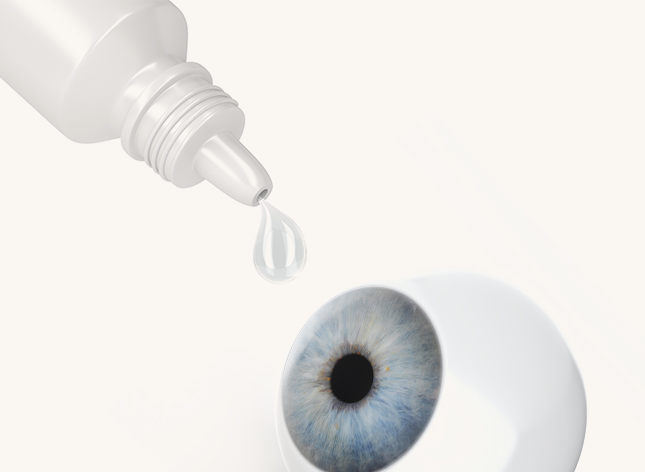
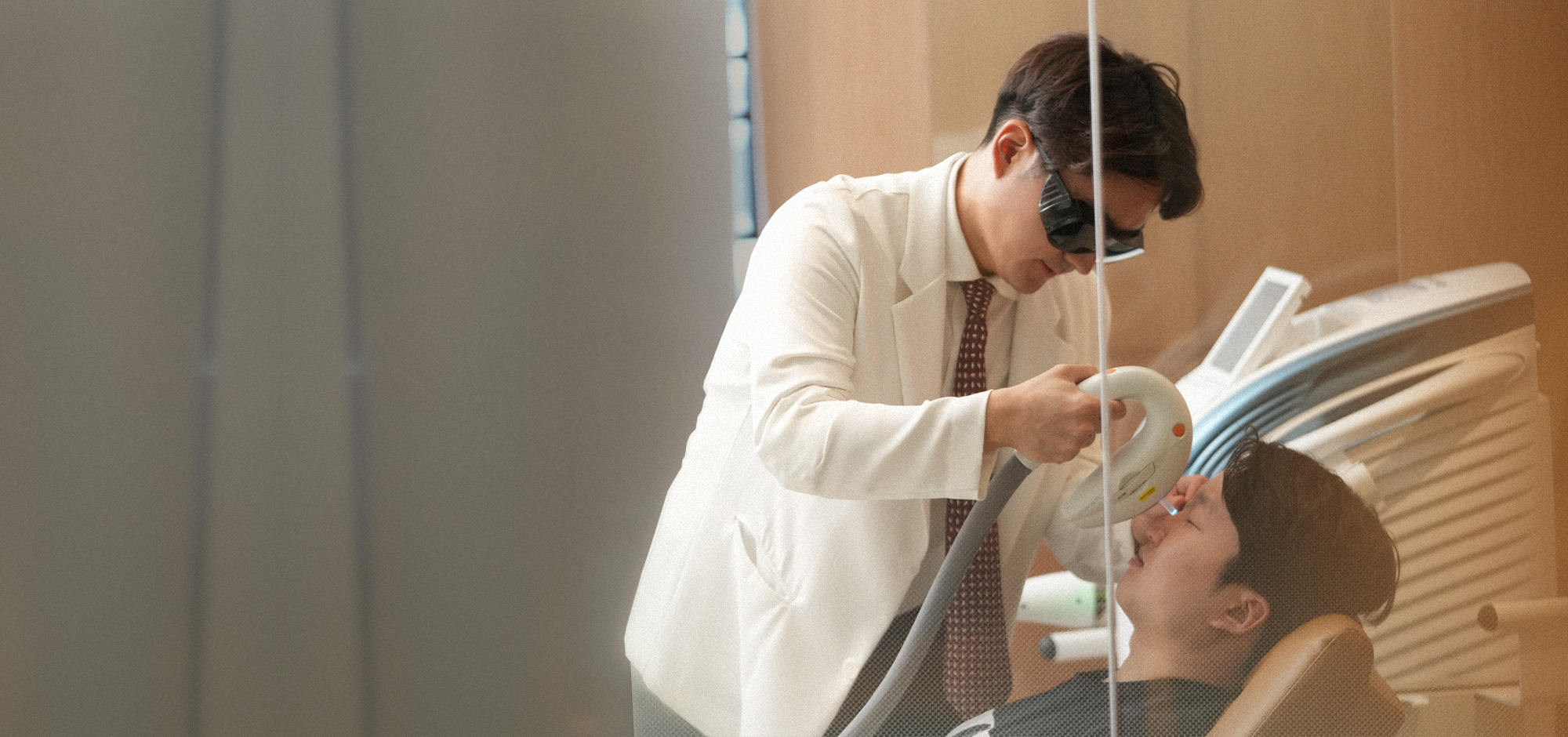
If progression is documented on serial topography, corneal collagen cross-linking (CXL) — riboflavin drops activated by UV-A light — stiffens the corneal collagen and halts progression in the large majority of treated eyes. Advanced cases with scarring may need intracorneal ring segments or corneal transplantation. At Nunehim Eye Center we handle diagnosis, serial monitoring and contact lens guidance, and coordinate cross-linking or surgical referral with corneal specialists when needed.
Q. Can I have TransPRK or LASEK if I have keratoconus?
In general, no. Laser vision correction removes corneal tissue and can accelerate ectasia in an already weak cornea. That is why every TransPRK and 2-Day LASEK consultation at our Guro clinic begins with detailed corneal tomography, pachymetry and a review of your eye-rubbing habits and family history.
If we detect subclinical (forme fruste) keratoconus, we will explain clearly why surgery is not safe for you and discuss alternatives. OK lenses (orthokeratology), which we use for childhood myopia control, are also generally not suitable for keratoconic corneas — another reason a proper baseline scan matters.
Q. When should I see a doctor in Seoul?
Book an eye exam promptly if any of the following apply to you or your child:
- Your glasses prescription has changed significantly within a year
- Vision in one eye looks distorted, doubled or smeared
- A child or teenager with allergies rubs their eyes constantly
- A parent or sibling has been diagnosed with keratoconus
- You are planning TransPRK or LASEK and have never had corneal topography
- URGENT: sudden pain, redness, a milky white patch on the cornea and a sharp drop in vision (possible acute hydrops) — seek same-day care
Q. What are the stages of keratoconus?
Stage 1 — Early / Subclinical
Often no symptoms; detected only on topography. Glasses still work well. Priority: stop eye rubbing, treat allergies and re-scan every 6 months.
Stage 2 — Moderate
Rising irregular astigmatism; glasses less effective. RGP or scleral lenses restore clarity, and cross-linking is considered if progression is confirmed.
Stage 3 — Advanced
Marked thinning, possible scarring or hydrops. Specialty lenses, ring segments or corneal transplantation may be required.
A Word from Dr. Daniel Baik
“The most common story I hear is a young patient from Gasan or Guro who has changed glasses three times in two years and assumed it was just stress or screen time. A ten-minute topography scan can answer that question. When we catch keratoconus early, we can usually protect the vision a patient already has instead of trying to rebuild it later.”
— Dr. Daniel Baik, board-certified ophthalmologist, Nunehim Eye Center
❓ Frequently Asked Questions
Q. Is keratoconus genetic?
Partly. Having a parent or sibling with keratoconus raises your risk, although most patients have no known family history. If you have been diagnosed, we recommend topography screening for first-degree relatives — especially children and teens with allergies.
Q. Can keratoconus make me go blind?
Complete blindness from keratoconus is very rare. However, untreated progression can seriously impair vision. Most patients keep good functional vision with specialty lenses, and cross-linking can stop further worsening. Corneal transplants for advanced cases have high success rates.
Q. Does eye rubbing really make keratoconus worse?
Yes. Chronic, forceful rubbing is the strongest modifiable risk factor. Controlling itch with anti-allergy drops, cold compresses and avoiding rubbing during Seoul’s fine-dust season are simple but important steps.
Q. How often should I have check-ups for keratoconus in Seoul?
Young or progressing patients are usually re-scanned every 3–6 months. Once the cornea is stable — often after the mid-30s — yearly exams are typically enough.
Q. Will I need a corneal transplant?
Most people with keratoconus never need one. The majority are managed with glasses, contact lenses and, when needed, cross-linking. Transplantation is reserved for significant scarring or when lenses can no longer provide useful vision.
Q. Can glasses alone correct keratoconus?
In early stages, yes. As the cornea becomes more irregular, glasses cannot correct the distortion and rigid or scleral contact lenses usually provide much better vision.
Q. Do you offer keratoconus consultations in English near Yeongdeungpo and Gwanak?
Yes. Dr. Daniel Baik consults in both Korean and English at our Guro-gu clinic, easily reached from Yeongdeungpo, Gasan and Gwanak. You can book directly through Naver Booking.

Book a Consultation
Changing astigmatism, or planning laser vision correction? Get a corneal topography screening with Dr. Daniel Baik — Korean and English consultations for patients from Guro, Gasan, Yeongdeungpo and Gwanak.
📍 Visit Nunehim Eye Center — Guro, Seoul
Nunehim Eye Center in Guro-gu is a short trip from Guro, Gasan Digital Complex, Gwanak and Yeongdeungpo — convenient by subway and bus from across southwest Seoul, near Guro Digital Complex Station (Line 2). Walk-ins are welcome, but booking ahead on Naver saves waiting time.
📍 Address
551 Siheung-daero, Guro-gu, Seoul
nunehim.com
🕘 Hours
Mon–Fri 09:00–18:30 (lunch 13:00–14:00)
Sat 09:00–14:00
🗣 Languages
Korean & English consultations


Leave a comment