Children Myopia Korea: Why Korean Kids Have High Myopia Rates — And What Parents Can Do
Outdoor time, low-dose atropine, OK lenses and myopia-control glasses — a practical guide for parents in Seoul
Quick Answer
Children myopia rates in Korea are among the highest in the world because of long hours of near work (study, hagwon, smartphones), limited outdoor time and genetic susceptibility. Parents can act early: aim for about 2 hours of outdoor daylight per day, limit continuous near work, get yearly eye exams from age 3–4, and ask about proven myopia-control treatments such as low-dose atropine, orthokeratology (OK lenses) and myopia-control spectacle lenses. Nunehim Eye Center in Guro provides pediatric myopia care for families from Guro, Gasan, Gwanak and Yeongdeungpo.
Q. Why is children myopia in Korea so common?
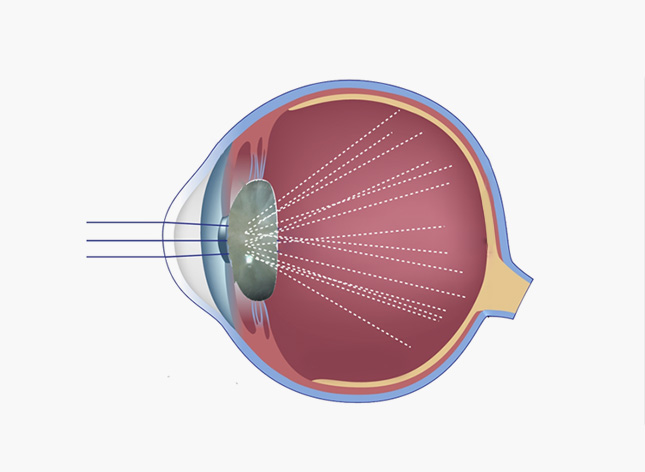
Children myopia in Korea has reached epidemic levels. A landmark study of 19-year-old men in Seoul found that about 96.5% were myopic, and roughly one in five had high myopia. Myopia (nearsightedness) develops when the eyeball grows too long, so that distant objects focus in front of the retina. Once the eye has elongated, it does not shrink back — which is why prevention and early control matter so much.
Three factors drive the trend: intensive near work from an early age (reading, tablets and long evening hagwon sessions), too little time in outdoor daylight, and parental myopia. Bright outdoor light appears to release dopamine in the retina, which slows eye growth. Children in dense urban areas such as Guro, Gasan, Gwanak and Yeongdeungpo often spend most daylight hours indoors.
Q. What are the signs of myopia in children?
Young children rarely complain of blurry vision. Watch for:
- Squinting or frowning to see the board, TV or distant signs
- Sitting very close to the TV or holding tablets and books near the face
- Frequent eye rubbing, blinking or headaches after school
- Declining interest in sports or activities that need distance vision
- A school eye check or national infant health screening that flags reduced vision
📊 Children Myopia in Korea — Key Numbers
▸ About 96.5% of 19-year-old men in Seoul were found to be myopic in a large conscription-based study (Jung et al., IOVS 2012).
▸ Korean national survey data suggest that roughly two-thirds or more of school-age children are myopic by adolescence.
▸ Around 1 in 5 young Korean adults in the Seoul study had high myopia (−6.00 D or worse).
▸ Clinical trials in East Asia show that about 2 hours of daily outdoor time can meaningfully reduce the chance of myopia starting.
Q. What treatments slow children myopia in Korea?
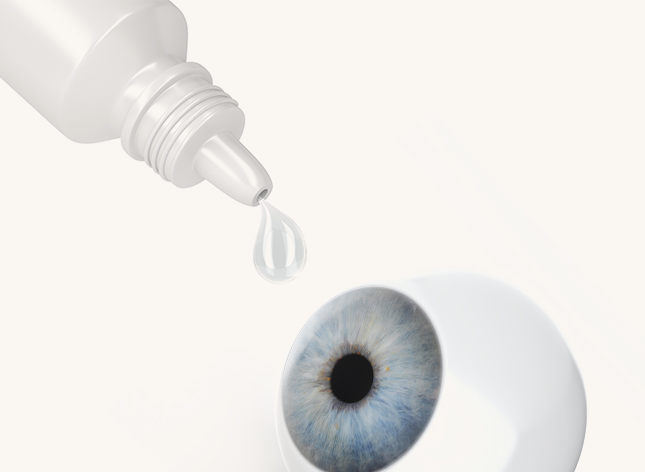
Glasses alone correct blur but do not slow the eye’s growth. Proven myopia-control options include low-dose atropine eye drops (0.01–0.05%, one drop at bedtime), which large Asian trials have shown slow progression, with 0.05% generally the most effective well-tolerated dose. Orthokeratology (OK lenses) are rigid lenses worn overnight that reshape the cornea, giving clear daytime vision without glasses and slowing axial elongation by roughly a third to a half in many studies.
Myopia-control spectacle lenses (defocus-incorporating designs) and specialised soft contact lenses are further options. Treatments can be combined — for example OK lenses plus low-dose atropine for fast-progressing children. At our Guro clinic we measure axial length regularly, so families from Gwanak and Yeongdeungpo can see objectively whether treatment is working.
Q. What can parents do at home to prevent myopia?
Encourage at least 2 hours a day outdoors — playground time, walks along Dorimcheon or Anyangcheon, or weekend sports all count, and sunglasses or a hat do not cancel the benefit. Use the 20-20-20 rule: every 20 minutes of near work, look at something 20 feet (6 m) away for 20 seconds. Keep books and screens at least 30–40 cm away, ensure good room lighting, and avoid screens for children under 2. Protect sleep, and make eye exams part of every school year — especially if one or both parents are nearsighted.
Q. When should I see a doctor in Seoul?
Book an eye exam soon — or seek urgent care for sudden symptoms — if your child has:
- A glasses prescription increasing by −0.50 D or more in a year
- An eye that turns in or out, or a head tilt when looking at objects
- Sudden flashes, many new floaters or a shadow in vision (especially with high myopia — possible retinal tear)
- Persistent headaches or eye strain after school
- A failed school or national infant vision screening
Q. How does myopia progress through childhood?
Ages 3–6 · Pre-myopia
Most young children are slightly farsighted. Losing that “reserve” early is a warning sign — the ideal time to boost outdoor play and start yearly checks.
Ages 6–12 · Rapid progression
Myopia typically starts and progresses fastest in primary school. This is the key window for atropine, OK lenses or control spectacles.
Ages 13–18+ · Stabilisation
Progression usually slows in the late teens. Refractive surgery such as TransPRK is considered only once the prescription is stable, usually from age 18–20.
💬 A Word from Dr. Daniel Baik
Every week I meet parents from Gasan and Gwanak who are surprised at how fast their child’s prescription has changed. Myopia is not just about thicker glasses — every dioptre we prevent lowers the lifetime risk of retinal detachment, myopic macular degeneration and glaucoma. Starting control early makes the biggest difference.
— Dr. Daniel Baik, board-certified ophthalmologist, Nunehim Eye Center (Guro, Seoul)
❓ Frequently Asked Questions
Q. At what age should my child have their first eye exam?
A comprehensive eye exam is recommended by age 3–4, and then every year during school age. Children with a family history of high myopia, strabismus or premature birth should be checked earlier.
Q. Is myopia in children just inherited?
Genetics increase risk — children with two myopic parents are several times more likely to become myopic — but the rapid rise in Korea over a few decades shows that lifestyle factors, especially near work and limited outdoor time, play a major role.
Q. Are OK lenses safe for children?
Orthokeratology is safe when lenses are properly fitted and hygiene rules are followed strictly. The main risk is corneal infection from poor lens care, so we teach parents and children careful cleaning routines and schedule regular follow-ups.
Q. Does low-dose atropine have side effects?
Low-dose atropine is generally well tolerated. Some children notice mild light sensitivity or slight difficulty focusing up close, especially at higher concentrations. Serious side effects are rare at myopia-control doses.
Q. Will wearing glasses make my child’s myopia worse?
No. Wearing the correct full prescription does not worsen myopia; under-correction may even speed progression. Glasses are needed for clear vision, but they should be combined with a myopia-control strategy for real protection.
Q. Does screen time cause myopia?
Long periods of close-up screen use, like reading, are associated with more myopia, largely because they replace outdoor time and involve sustained near focus. Limiting continuous use and taking regular distance breaks helps.
Q. Can myopia be reversed?
Myopia caused by eyeball elongation cannot be reversed, but its progression can be slowed. Laser surgery such as TransPRK can correct the refractive error in adulthood, but it does not reduce the retinal risks of a long eye — which is why childhood control is so important.

Book a Consultation
Concerned about your child’s eyesight? Book a pediatric myopia assessment with Dr. Daniel Baik in Guro — convenient for families in Gasan, Gwanak and Yeongdeungpo. Korean & English consultations.
or visit nunehim.com
📍 Visit Nunehim Eye Center — Guro, Seoul
Convenient access from Guro, Gasan, Gwanak & Yeongdeungpo — near Guro Digital Complex Station (Line 2). Consultations in Korean and English.
Address
551 Siheung-daero, Guro-gu, Seoul
nunehim.com
Hours
Mon–Fri 09:00–18:30 (lunch 13:00–14:00)
Sat 09:00–14:00
Languages
Korean & English


Leave a comment