Glaucoma Eye Drops Side Effects: A Seoul Ophthalmologist’s Guide to Glaucoma Medications
Prostaglandins, beta-blockers, brimonidine and more — what to expect, and how to keep your drops working for you
Quick Answer
The most common glaucoma eye drops side effects are red eyes, stinging, eyelash growth and darkening of the iris or eyelid skin (prostaglandins), slow heart rate or breathing problems (beta-blockers such as timolol), and allergic eyelid reactions (brimonidine). Most are mild and manageable by switching drug class, using preservative-free drops, or pressing on the tear duct after instilling. Never stop drops on your own — at Nunehim Eye Center in Guro, Seoul, we review every regimen for patients from Guro, Gasan, Gwanak and Yeongdeungpo.
Q. What are glaucoma eye drops, and why do they cause side effects?
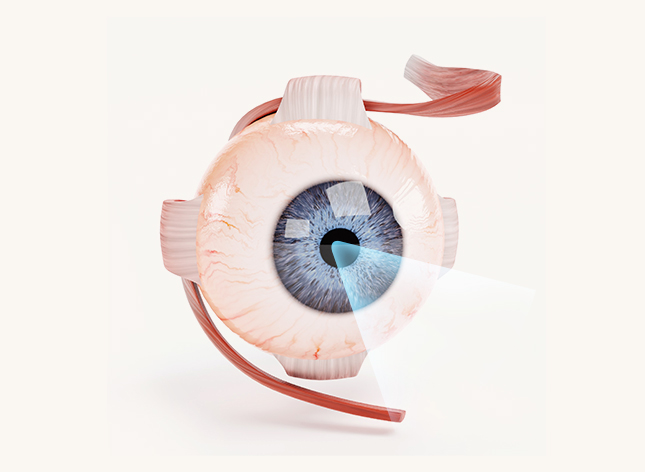
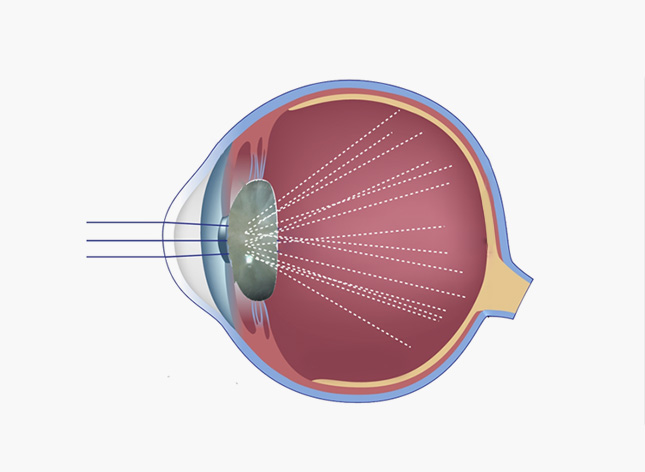
Glaucoma eye drops lower intraocular pressure (IOP), the only proven, modifiable risk factor for glaucoma progression. Understanding glaucoma eye drops side effects matters because these medications are used every day, often for life — and a drop you tolerate poorly is a drop you are likely to skip. Each drug class lowers pressure in a different way: some increase fluid outflow from the eye, others reduce fluid production.
Because drops are absorbed through the eye surface, tear duct and nasal lining, they can affect both the eye and the rest of the body. Many bottled drops also contain the preservative benzalkonium chloride (BAK), which can irritate the ocular surface over years of use. For our patients in Guro, Gasan, Gwanak and Yeongdeungpo, choosing the right drug, the right formulation and the right technique is as important as the pressure number itself.
Q. What are the most common glaucoma eye drops side effects?
Side effects depend on the drug class. The most frequent ones we see in clinic are:
- Prostaglandin analogues (latanoprost, travoprost, bimatoprost, tafluprost): eye redness, longer and darker eyelashes, darkening of eyelid skin, permanent darkening of a light-coloured iris, and a sunken-eye look from loss of fat around the eye (prostaglandin-associated periorbitopathy).
- Beta-blockers (timolol): slow heart rate, low blood pressure, fatigue, wheezing or asthma attacks, and possible masking of low-blood-sugar symptoms in diabetes.
- Alpha-agonists (brimonidine): itchy, red, swollen eyelids from allergy (often developing after months), dry mouth and tiredness; not used in infants.
- Carbonic anhydrase inhibitors (dorzolamide, brinzolamide): stinging, bitter taste, temporary blur; tablets (acetazolamide) can cause tingling, fatigue and kidney stones.
- Preservatives (BAK): burning, dryness and redness that worsen with multiple bottles — common in long-term users.
📊 Glaucoma in Korea — Key Numbers
▸ Korea’s Health Insurance Review & Assessment Service (HIRA) now records over 1 million glaucoma patients per year, and the number keeps rising with an ageing population.
▸ The Namil population study found open-angle glaucoma in about 3.5% of Korean adults aged 40+.
▸ In Korea, the large majority of open-angle glaucoma occurs at normal eye pressure (normal-tension glaucoma), so treatment aims to lower pressure even when it already looks “normal”.
▸ Studies worldwide show that up to half of patients stop or misuse their drops within the first year — side effects are one of the main reasons.
Q. How are glaucoma eye drops side effects managed?
Most glaucoma eye drops side effects can be solved without giving up on treatment. Options include switching to another drug class, moving to a preservative-free single-dose formulation (widely available in Korea), or using a fixed-combination bottle (for example dorzolamide–timolol or brimonidine–timolol) to cut down the number of drops and preservative exposure.
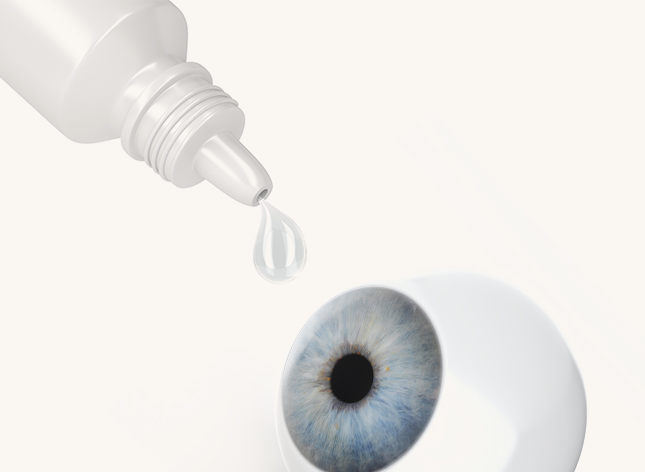
A simple technique also helps: after instilling a drop, close your eyes and gently press on the inner corner of the eyelid (punctal occlusion) for 1–2 minutes. This keeps more drug in the eye and less in the bloodstream — especially important with timolol. When drops are not enough or not tolerated, selective laser trabeculoplasty (SLT) or surgery may be discussed. Patients from Yeongdeungpo and Gasan often find a one-drop-a-day regimen far easier to stick with.
Q. Which glaucoma eye drops are safest with asthma, heart disease or dry eye?
If you have asthma, COPD, a slow heart rate or heart block, non-selective beta-blockers such as timolol are generally avoided. Prostaglandin analogues are usually first choice because they are once-daily and have few whole-body effects. If you already have dry eye, a preservative-free prostaglandin is often best. Always bring a list of your medicines — including heart and blood-pressure pills — to your appointment in Guro so we can check for interactions. Pregnant or breastfeeding patients also need an individualised plan.
Q. When should I see a doctor in Seoul?
Contact an ophthalmologist promptly — or go to an emergency room — if you notice any of the following while using glaucoma drops:
- Wheezing, shortness of breath, dizziness or fainting after starting timolol
- Severe eye pain, sudden blurred vision, halos around lights, headache or nausea (possible acute angle closure)
- Swollen, intensely itchy eyelids or a rash around the eyes
- A red, painful eye with light sensitivity (possible inflammation or infection)
- Any sudden loss of vision or new blind spots
Q. How is glaucoma eye drop treatment usually stepped up?
Step 1 · First-line
One prostaglandin analogue once at night. Many patients in Guro and Gwanak control their pressure with this single drop.
Step 2 · Add-on
If the target pressure is not reached, a second class (beta-blocker, brimonidine or CAI) is added — ideally as a fixed combination to reduce the number of bottles.
Step 3 · Beyond drops
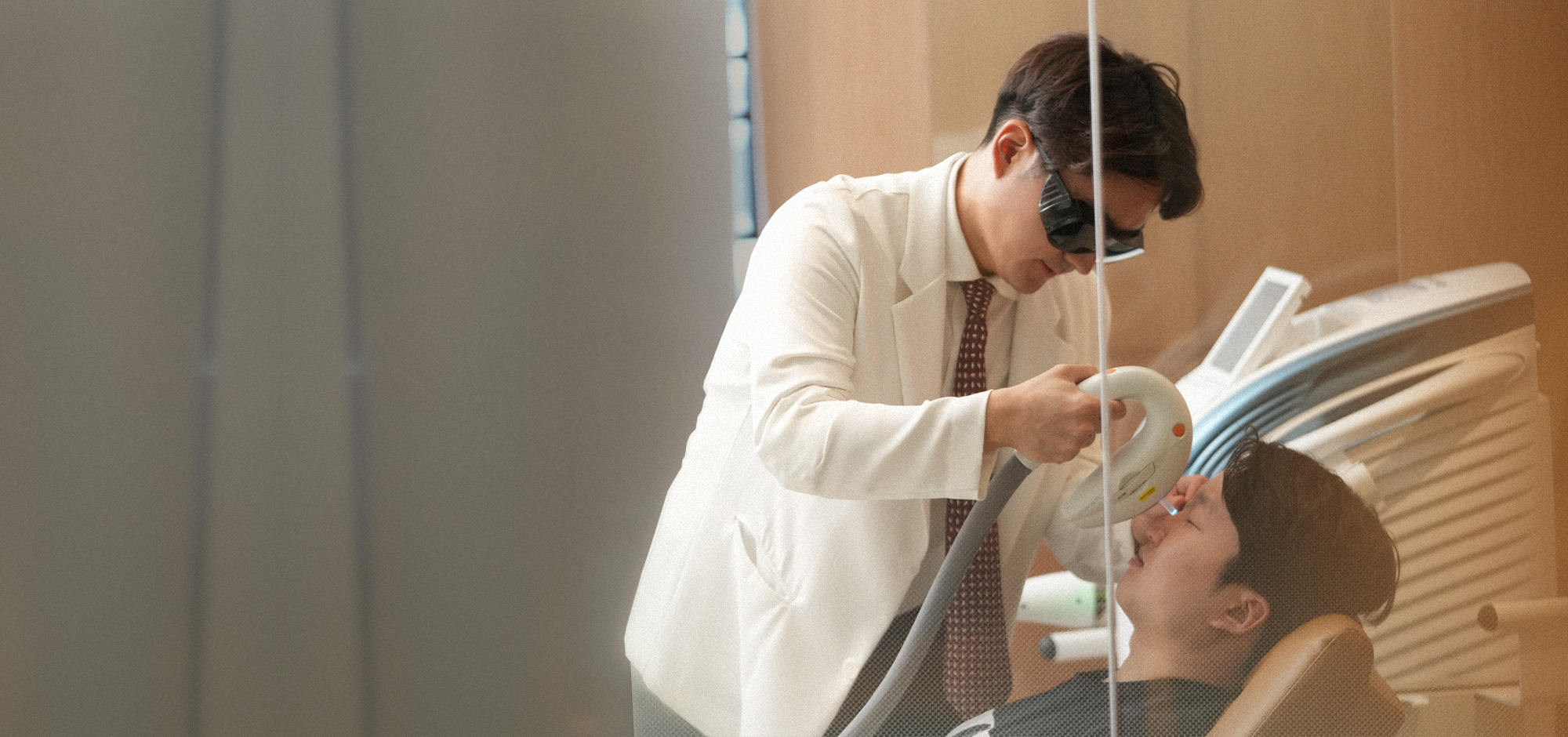
When drops fail or side effects are unacceptable: SLT laser, short-term tablets, or glaucoma surgery. Regular OCT and visual field tests track progress.
💬 A Word from Dr. Daniel Baik
Many of my glaucoma patients from Yeongdeungpo and Gasan tell me they stopped their drops because their eyes felt red or burning. I would much rather hear about a side effect early, because there is almost always an alternative drop, a preservative-free option, or a laser that can protect the optic nerve just as well.
— Dr. Daniel Baik, board-certified ophthalmologist, Nunehim Eye Center (Guro, Seoul)
❓ Frequently Asked Questions
Q. Will latanoprost permanently change my eye colour?
It can. In people with hazel, green or mixed-colour irises, prostaglandins may slowly darken the iris, and this change is usually permanent. Eyelash growth and eyelid skin darkening, by contrast, typically fade after stopping the drop. In dark-brown Korean eyes, iris colour change is rarely noticeable.
Q. Why do my eyes look red after using glaucoma drops?
Redness (hyperaemia) is the most common glaucoma eye drops side effect, especially with bimatoprost and travoprost. It is usually mild and often improves after a few weeks. Using the drop at bedtime helps; if redness persists, a different prostaglandin or a preservative-free version may help.
Q. Can timolol eye drops affect my heart or lungs?
Yes. Although it is an eye drop, timolol is absorbed into the bloodstream and can slow the heart and narrow the airways. It should generally be avoided in asthma, COPD and certain heart rhythm problems. Pressing on the tear duct after the drop reduces absorption.
Q. What if I forget a dose of my glaucoma drops?
Use it as soon as you remember, unless it is almost time for the next dose — then skip it and continue your normal schedule. Do not double up. Linking the drop to a daily habit such as brushing your teeth, or setting a phone alarm, improves adherence.
Q. How long should I wait between two different eye drops?
Wait at least 5 minutes between different drops so the first is not washed out. If you also use a gel or ointment, apply it last. Contact lens wearers should remove lenses before drops and wait about 15 minutes before reinserting.
Q. Are preservative-free glaucoma drops better?
For patients with dry eye, allergy, or those using several drops long-term, preservative-free drops are gentler on the eye surface and often reduce burning and redness. They come in single-dose vials, which are widely prescribed in Korea.
Q. Can I stop my drops if my eye pressure is normal now?
No. Normal pressure on treatment usually means the drops are working. Stopping them lets pressure rise again, often without symptoms, and optic nerve damage from glaucoma is irreversible. Always discuss changes with your ophthalmologist first.

Book a Consultation
Having trouble with your glaucoma drops? Book a medication review with Dr. Daniel Baik in Guro — convenient for patients from Gasan, Gwanak and Yeongdeungpo. Korean & English consultations.
or visit nunehim.com
📍 Visit Nunehim Eye Center — Guro, Seoul
Convenient access from Guro, Gasan, Gwanak & Yeongdeungpo — near Guro Digital Complex Station (Line 2). Consultations in Korean and English.
Address
551 Siheung-daero, Guro-gu, Seoul
nunehim.com
Hours
Mon–Fri 09:00–18:30 (lunch 13:00–14:00)
Sat 09:00–14:00
Languages
Korean & English


Leave a comment