Uveitis Treatment in Seoul: Symptoms, Causes & Eye Inflammation Care
Red, painful, light-sensitive eye? A board-certified ophthalmologist in Guro explains what uveitis is and why fast treatment protects your vision.
Quick Answer
Uveitis is inflammation of the uvea — the middle, blood-vessel-rich layer of the eye — and it needs prompt assessment by an ophthalmologist. Effective uveitis treatment in Seoul usually starts with steroid eye drops and pupil-dilating drops for anterior uveitis, plus a search for an underlying cause such as HLA-B27 disease, Behçet’s disease or infection. At Nunehim Eye Center in Guro, patients from Yeongdeungpo, Gasan and Gwanak can be examined with a slit lamp and started on treatment before complications develop.
Q. What is uveitis, and what causes it?
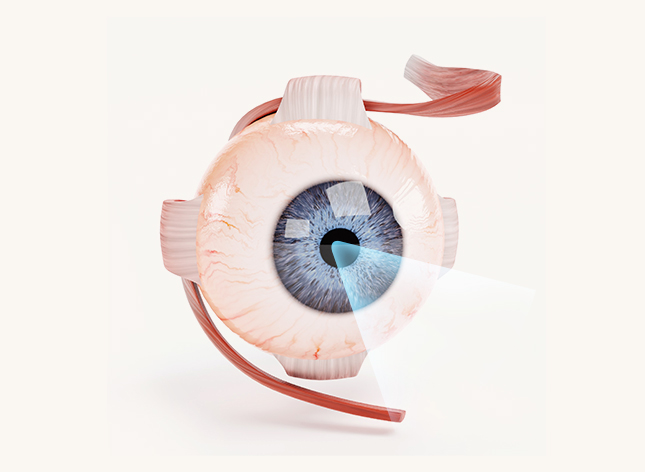
Uveitis is an umbrella term for inflammation inside the eye affecting the uvea: the iris at the front, the ciliary body in the middle and the choroid at the back. If you are searching for uveitis treatment in Seoul, the first thing to know is that uveitis is not a simple “red eye” like conjunctivitis — it is inflammation within the eye that can damage the lens, the drainage angle, the retina and the optic nerve if it is left untreated.
Ophthalmologists classify uveitis by location. Anterior uveitis (iritis) is the most common form and involves the iris and front chamber. Intermediate uveitis affects the vitreous gel, posterior uveitis involves the retina and choroid, and panuveitis affects all layers. Causes include autoimmune and systemic inflammatory diseases (HLA-B27-associated spondyloarthritis, Behçet’s disease, Vogt-Koyanagi-Harada disease, sarcoidosis, inflammatory bowel disease), infections (herpes viruses, toxoplasmosis, tuberculosis, syphilis), eye injury or surgery — and in many patients no identifiable cause at all (“idiopathic” uveitis).
In Korea, Behçet’s disease and Vogt-Koyanagi-Harada disease are relatively more prominent causes than in Western countries, which is why a careful systemic history matters. Many of our patients commuting from Gasan Digital Complex or Yeongdeungpo office towers first dismiss the symptoms as eye strain — a delay we want to help people avoid.
Q. What are the symptoms of uveitis?
- Eye pain — often a deep ache, worse when focusing or reading
- Redness concentrated around the edge of the cornea (ciliary flush) rather than across the whole white of the eye
- Light sensitivity (photophobia) — bright light may be painful
- Blurred or cloudy vision
- New floaters — dark spots or cobwebs, typical of intermediate or posterior uveitis (which can be painless)
- A small or irregular pupil compared with the other eye
- Usually no sticky discharge — a helpful clue that this is not ordinary conjunctivitis
📊 Uveitis by the Numbers
▸ Anterior uveitis accounts for the majority of uveitis cases seen in Korean and international clinic series.
▸ Around half of people with acute anterior uveitis carry the HLA-B27 gene, which is also linked to ankylosing spondylitis.
▸ Behçet’s disease and Vogt-Koyanagi-Harada disease are among the leading identifiable causes of non-infectious uveitis in Korea.
▸ Uveitis is estimated to account for roughly 10% of visual impairment in developed countries, most often in working-age adults (20–50 years).
Q. How is uveitis treated in Seoul?
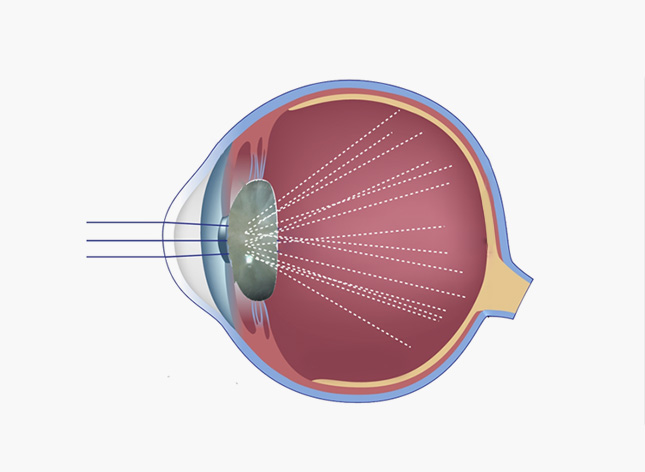
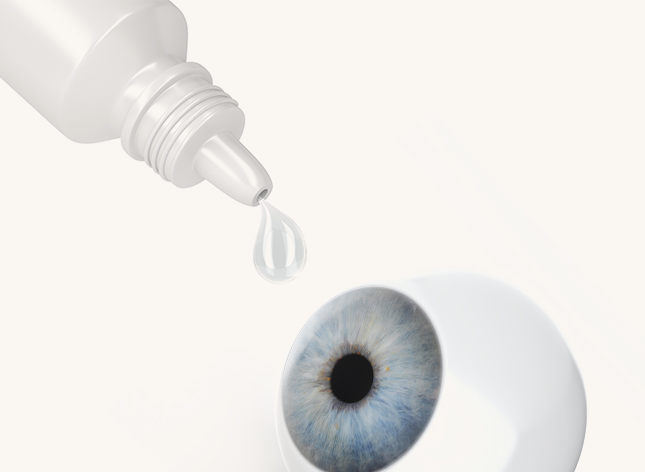
Uveitis treatment in Seoul follows international guidelines and has two goals: calm the inflammation quickly and prevent it from coming back. For anterior uveitis, the mainstay is corticosteroid eye drops (such as prednisolone acetate), used frequently at first and then slowly tapered over several weeks. Cycloplegic (dilating) drops relieve pain from ciliary spasm and stop the iris from sticking to the lens (posterior synechiae).
Deeper or more severe inflammation may need steroid injections around or inside the eye, oral steroids, or — for chronic and recurrent disease — steroid-sparing immunosuppressive or biologic medicines such as methotrexate or adalimumab, coordinated with a rheumatologist. Infectious uveitis is treated with the appropriate antiviral, antibiotic or antiparasitic therapy. Because steroid drops can raise eye pressure, we check your intraocular pressure at every follow-up visit in Guro.
Q. What tests are done to find the cause of uveitis?
A first episode of mild anterior uveitis may need only a thorough slit-lamp examination, eye-pressure measurement and a dilated view of the retina. Recurrent, bilateral or posterior uveitis calls for a broader work-up: blood tests (for example HLA-B27, syphilis serology, tuberculosis testing and inflammatory markers), a chest X-ray, and imaging such as optical coherence tomography (OCT) to check for macular swelling. When a systemic disease is suspected, we refer you to the appropriate specialist and share results so your care is joined up — a practical advantage for busy patients living in Gwanak or working in Gasan.
Q. When should I see a doctor in Seoul?
See an ophthalmologist the same day — not just a pharmacy — if you notice any of the following:
- A painful red eye with light sensitivity and blurred vision
- A red eye that has not improved after 2–3 days of over-the-counter drops
- Sudden new floaters or a drop in vision
- Eye symptoms together with back pain, joint pain, mouth ulcers, skin rashes or bowel symptoms
- A known history of uveitis and early signs of another flare
- Severe headache, nausea or haloes around lights (possible raised eye pressure)
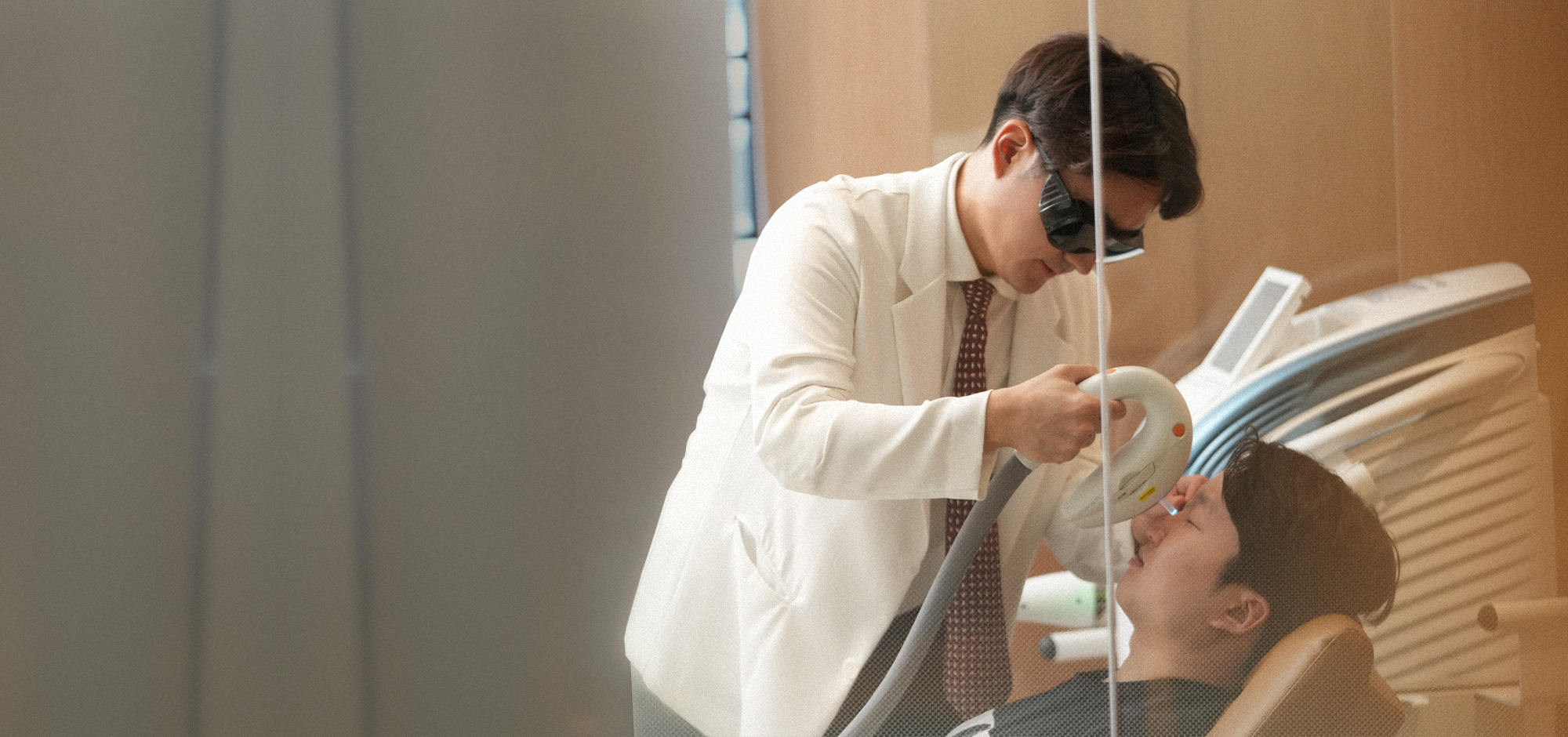
Prompt slit-lamp examination is available at our Guro clinic for patients from Yeongdeungpo, Gasan, Gwanak and across southwest Seoul.
Q. What does the uveitis treatment timeline look like?
Weeks 0–1: Calm the flare
Frequent steroid drops (up to hourly at first) plus dilating drops. Pain and light sensitivity usually improve within a few days. First review in 3–7 days.
Weeks 2–8: Taper safely
Drops are reduced gradually — never stopped suddenly, which can trigger a rebound flare. Eye pressure and inflammation are checked at each visit.
Long term: Prevent recurrence
Recurrent or chronic cases get a cause-focused work-up and, where needed, steroid-sparing therapy. Patients learn early warning signs so flares are treated within 24–48 hours.
“Uveitis rewards speed.”
In my practice, the patients who do best with uveitis are the ones who come in within a day or two of symptoms starting. A red, painful, light-sensitive eye is not something to wait out with drugstore drops. With early steroid treatment and careful tapering, most anterior uveitis settles completely — and I make sure every patient leaves knowing exactly what a flare feels like so they can come back quickly.
— Dr. Daniel Baik, board-certified ophthalmologist, Nunehim Eye Center
❓ Frequently Asked Questions
Q. Is uveitis contagious?
No. Uveitis is inflammation inside the eye and cannot be passed to other people. Even when it is triggered by an infection such as herpes, the eye inflammation itself is not spread by contact the way viral conjunctivitis is.
Q. Can uveitis cause blindness?
Untreated or poorly controlled uveitis can lead to glaucoma, cataract, macular oedema and retinal damage, and it is a significant cause of preventable vision loss. With prompt uveitis treatment and regular follow-up, the large majority of patients keep good vision.
Q. How long does a uveitis flare last?
Most acute anterior uveitis episodes settle within 4–8 weeks with treatment, including the tapering period. Intermediate and posterior uveitis often need longer courses, sometimes months, and closer monitoring.
Q. Will uveitis come back?
It can. Many patients with HLA-B27-associated anterior uveitis have more than one episode. Recognising early symptoms and starting treatment quickly makes recurrences milder and shorter.
Q. Are steroid eye drops safe?
Used under ophthalmologist supervision, yes. The main risks with longer use are raised eye pressure and cataract, which is why we measure intraocular pressure at every visit and taper drops as soon as inflammation allows. Never start or stop steroid drops on your own.
Q. Can I wear contact lenses or drive during a uveitis flare?
We recommend pausing contact lenses until the inflammation has settled. Dilating drops blur near vision and make you sensitive to glare, so avoid driving until your vision feels normal — many patients from Yeongdeungpo and Gwanak take the subway to appointments for this reason.
Q. Do you see English-speaking patients with uveitis in Guro?
Yes. Dr. Daniel Baik consults in both Korean and English, and Nunehim Eye Center in Guro regularly sees expat patients from Gasan, Yeongdeungpo, Gwanak and across Seoul. You can book directly through Naver.
Book a Consultation
Red, painful or light-sensitive eye? Get a prompt uveitis assessment in Guro with a board-certified ophthalmologist — convenient from Yeongdeungpo, Gasan and Gwanak.
📍 Visit Nunehim Eye Center — Guro, Seoul
Nunehim Eye Center is in Guro-gu, a short trip from Gasan Digital Complex, Yeongdeungpo, Gwanak and Dongjak. Near Guro Digital Complex Station (Line 2). English consultations available.
📌 Address
551 Siheung-daero, Guro-gu, Seoul
nunehim.com
🕘 Hours
Mon–Fri 09:00–18:30
(lunch 13:00–14:00)
Sat 09:00–14:00
🌐 Languages
Korean & English consultations


Leave a comment