Ocular Therapeutix Stock Plunge? Why Ophthalmologists Are Watching the Wet AMD Drug AXPAXLI
Phase 3 success, a 35% share drop, and what it means for macular degeneration patients in Seoul
Quick Answer
Ocular Therapeutix shares fell about 25–35% on the day it reported successful Phase 3 SOL-1 results for AXPAXLI because expectations were higher than the data, not because the trial failed. AXPAXLI (axitinib in a bioresorbable hydrogel) aims for 1–2 doses a year in wet AMD, and the company plans an FDA NDA filing in Q4 2026. It is not yet available in clinics, so wet AMD patients in Seoul, including Guro and Gasan, should not delay proven anti-VEGF treatment.
Hello. I am Dr. Daniel Baik, board-certified ophthalmologist and director of Nunehim Eye Center on Siheung-daero in Guro-gu, Seoul, close to Gasan Digital Complex and Guro Digital Complex, and convenient from Yeongdeungpo and Gwanak. This is not investment advice. It is an ophthalmologist’s explanation of what AXPAXLI is, why wet age-related macular degeneration (wet AMD) is dangerous, and where retinal therapy is heading.
Q. Why did Ocular Therapeutix stock fall after a successful trial?
On February 17, 2026, Ocular Therapeutix (NASDAQ: OCUL) reported Phase 3 SOL-1 results. At week 36, 74.1% of the AXPAXLI group maintained vision versus 55.8% with aflibercept 2 mg (p=0.0006), meeting the primary endpoint; at week 52 it was 65.9% versus 44.2%. Yet the stock fell roughly 25–35% intraday. Trial success and investor expectations are separate questions: 68.8% of patients were rescue-free through week 52, which some investors judged less overwhelming than hoped. Reading the drop as “AXPAXLI failed” is not accurate.
Q. Where does AXPAXLI stand as of September 2026?
The company announced it completed a Pre-NDA meeting with the US FDA on September 15, 2026, and plans to submit an NDA in Q4 2026. A second Phase 3 trial, SOL-R (631 patients), reports in Q1 2027. AXPAXLI is best described as a late-stage candidate approaching a US filing.
Q. What is AXPAXLI (formerly OTX-TKI)?
AXPAXLI combines axitinib, a tyrosine kinase inhibitor (TKI) that blocks VEGF receptor signaling, with the ELUTYX™ bioresorbable hydrogel, injected into the vitreous cavity to release drug slowly. The idea is steady, sustained delivery rather than one large dose. Early data suggested delivery for 9–12 months and the company targets one to two doses per year, but that does not mean every patient goes a year without further injections.
Q. What are the symptoms of wet AMD?
- Metamorphopsia: straight lines such as door frames look bent
- Blurred center compared with peripheral vision
- Missing parts of words while reading
- Faces are hard to see in the middle
- Central dark spot (scotoma) as disease advances
AMD often starts in one eye, so cover each eye in turn to check.
SOL-1 by the numbers
▸ Vision maintained at week 36: AXPAXLI 74.1% vs aflibercept 2 mg 55.8%
▸ Vision maintained at week 52: AXPAXLI 65.9% vs aflibercept 44.2%
▸ Rescue-free: 80.6% at week 24, 74.7% at week 36, 68.8% at week 52
▸ SOL-1 compared a single dose of each drug; it should not be compared directly with real-world treat-and-extend Eylea regimens
Q. How is wet AMD treated today, and how does AXPAXLI compare?
The mainstay remains intravitreal anti-VEGF injection with aflibercept, ranibizumab or faricimab. Intervals have lengthened: the FDA’s 2026 label update for Eylea HD (aflibercept 8 mg) allows up to 20 weeks in some suitable patients, so “current drugs are monthly, only AXPAXLI lasts longer” is no longer accurate.
AXPAXLI differs in mechanism (VEGF receptor inhibition via a TKI) and delivery (drug in a hydrogel depot). It targets 1–2 treatments a year, but that is not an approved regimen, and repeat-dosing and long-term data are still needed.
Q. Why is wet AMD dangerous, and how is it diagnosed?
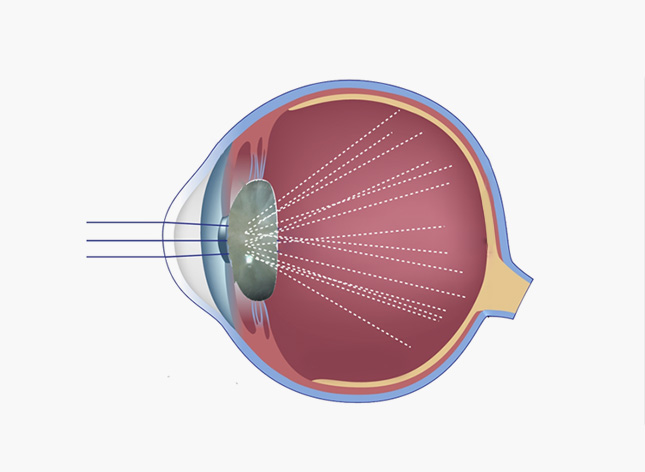
Abnormal, fragile vessels grow beneath the macula and leak, causing subretinal or intraretinal fluid, hemorrhage, pigment epithelial detachment, macular edema and scarring, which damage the photoreceptors. Once fibrosis or atrophy sets in, lost vision may not return. Diagnosis needs more than an acuity chart: a fundus exam, OCT (the key test for fluid and structure), OCT angiography, and fluorescein angiography when needed.
Q. When should I see a doctor in Seoul?
- Straight lines look bent or wavy
- One eye is blurry in the center
- The middle of people’s faces is hard to see
- Sudden vision drop in one eye
1. Watch
AXPAXLI: FDA approval, final label, and the approved dosing interval (once or twice a year).
2. Repeat dosing
Wet AMD is chronic, so efficacy and safety after the 2nd, 3rd and 4th doses matter most. SOL-R reports in Q1 2027.
3. Competition
Vabysmo, Eylea HD, Susvimo and long-acting TKIs such as EyePoint’s DURAVYU (Phase 3) are all in the race.
A word from Dr. Daniel Baik
“In wet AMD, the most important thing is not waiting for a new drug but protecting the vision you have. If letters look bent or the center of your vision is blurry, do not write it off as eye strain. Get the macula checked with OCT first.”

❓ Frequently Asked Questions
Q. Can I get AXPAXLI at a clinic now?
No. As of September 2026 it is an investigational drug awaiting FDA approval, with an NDA planned for Q4 2026.
Q. If approved, will one injection a year be enough?
Not yet determined. The goal is one to two doses per year, and some patients may need additional treatment.
Q. Should current AMD patients wait for the new drug?
No. Delays can cause irreversible damage. Follow your retina specialist’s plan and receive proven anti-VEGF treatment on schedule.
Q. What are the early symptoms of AMD?
Bent straight lines, a blurred center, a central dark spot, or missing parts of words. Check each eye separately.
Q. How is AMD examined?
A fundus exam and OCT are essential, with OCT angiography and fluorescein angiography added as needed.
Q. Is AXPAXLI safe?
Through 52 weeks SOL-1 reported no treatment-related serious ocular or systemic events in the AXPAXLI group, and no endophthalmitis, retinal vasculitis or retinal detachment. Floaters, cataract, conjunctival hemorrhage, vitreous detachment and punctate keratitis were reported more often. Repeat dosing and long-term follow-up remain important.
Q. Does Nunehim Eye Center offer retinal exams for Yeongdeungpo, Gasan, Guro and Gwanak residents?
Yes. We offer detailed fundus and OCT examinations in Korean and English, easily reached from Guro, Gasan, Yeongdeungpo and Gwanak.

Book a Consultation
Worried about macular degeneration or retinal disease? Book a detailed retinal exam with Dr. Daniel Baik.
📍 Visit Nunehim Eye Center — Guro, Seoul
We are on Siheung-daero in Guro-gu, easy to reach from Gasan, Gwanak and Yeongdeungpo. Consultations in Korean and English.
Address
551 Siheung-daero, Guro-gu, Seoul
nunehim.com
Hours
Mon–Fri 09:00–18:30
Lunch 13:00–14:00
Sat 09:00–14:00
Languages
Korean & English


Leave a comment