Presbyopia Surgery in Seoul: Multifocal IOL, LASEK or Reading Glasses? A 2026 Expat Guide
Which option fits your eyes, your job and your budget? A board-certified ophthalmologist explains.
Quick Answer
For presbyopia surgery in Seoul, there is no single best choice: reading glasses are the safest, LASEK or TransPRK monovision suits people who want to reduce glasses without lens surgery, and a multifocal or extended-depth IOL is usually reserved for people who also have early cataract or who want a lens-based solution. A dilated exam at an eye clinic in Guro, Yeongdeungpo, Gasan or Gwanak decides which of these is safe for you.
Q. What is presbyopia, and why does it start in your 40s?
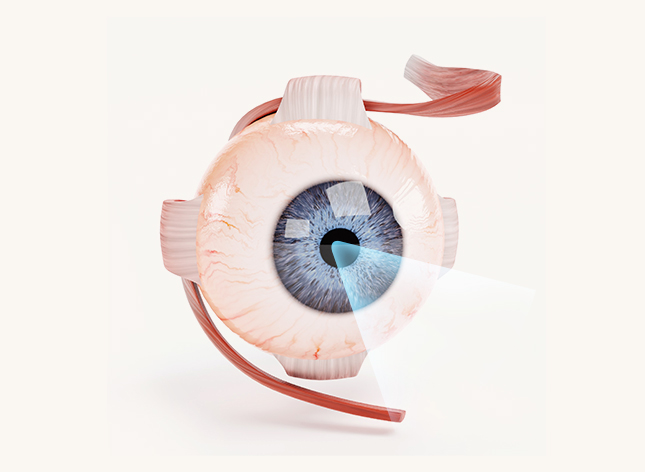
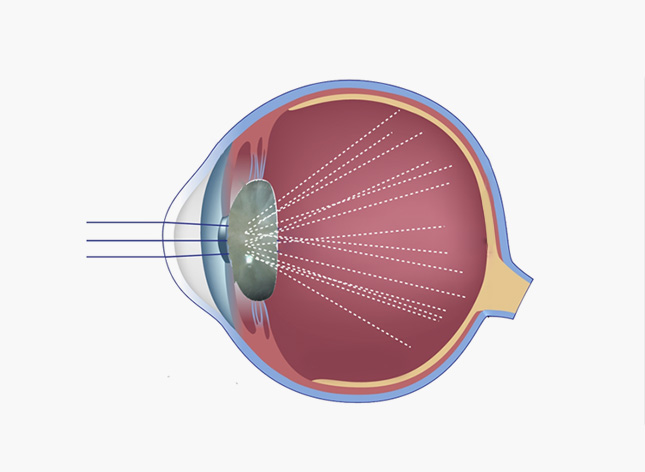
Presbyopia is the age-related loss of close focusing, and it is the main reason people begin searching for presbyopia surgery Seoul clinics offer. Inside the eye, the natural lens stiffens and the muscle that reshapes it works less effectively, so text on phones, menus and medication labels blurs at normal reading distance. At Nunehim Eye Center in Guro-gu, we see it most often in patients from their early 40s, including many expats working around Yeongdeungpo and Gasan Digital Complex.
Q. What are the signs of presbyopia?
Presbyopia at a glance
Q. What are my presbyopia treatment options in Seoul?
Reading glasses or progressive lenses remain the lowest-risk choice and the right answer for many people. Multifocal contact lenses are a reversible way to test how your brain handles two focal zones before committing to surgery.
LASEK or TransPRK monovision sets your dominant eye for distance and the other for near. A multifocal or EDOF intraocular lens (IOL) replaces the natural lens, and is most often discussed when cataract is developing; read our guide to premium vs standard IOLs. Note that Nunehim Eye Center does not offer SMILE; we specialise in TransPRK/2-Day LASEK.
Q. How does a foreigner get presbyopia surgery assessed in Seoul?
Book through Naver Booking or request an English consultation, then bring your passport or ARC, your current glasses or lens prescription and any previous eye records. The visit typically includes refraction, corneal mapping, eye-pressure measurement and a dilated exam. Elective vision correction is generally self-pay in Korea, while medically needed cataract surgery is handled differently, so ask the clinic for a current quote rather than relying on figures from the internet. Patients travel to us from Guro, Yeongdeungpo, Gasan and Gwanak, and English support is available throughout.

Q. When should I see a doctor in Seoul?
Reading glasses
Lowest risk, fully reversible. Best if you are happy to carry glasses and have no other eye condition.
LASEK monovision
Corneal laser with one eye set for near. Needs a contact lens trial first; some people dislike the trade-off in depth perception.
Multifocal / EDOF IOL
Lens replacement for wider focus range. Halos or glare are possible, and it suits those with early cataract or high dependence on glasses.
A note from Dr. Daniel Baik
“Before any surgery for reading vision, I ask patients to wear a monovision contact lens trial for a week. If you cannot tolerate one eye being slightly blurred at distance for that week, laser monovision is unlikely to suit you, and it costs nothing to find out.” — Dr. Daniel Baik, board-certified ophthalmologist
❓ Frequently Asked Questions
Q. At what age does presbyopia start?
Presbyopia usually becomes noticeable in the early-to-mid 40s, when the lens inside the eye loses flexibility and close focus gets harder. It is a normal ageing change, not a disease, and it keeps progressing for roughly the next two decades before levelling off. Nearsighted people often notice it later, because they can simply take their glasses off to read.
Q. Can LASEK cure presbyopia?
No procedure on the cornea makes the natural lens flexible again. LASEK or TransPRK can be planned as monovision, where one eye is set slightly for near, which reduces reliance on reading glasses for many people. It is a compromise, and a contact lens trial first shows whether you will tolerate it.
Q. Is a multifocal IOL better than monovision?
Neither is better for everyone. A multifocal or extended-depth IOL gives a wider range of focus in both eyes but can cause halos and glare at night, while monovision keeps each eye sharp at one distance but can reduce depth perception. Your lifestyle, night driving and screen habits should decide, not the brochure.
Q. Will Korean health insurance cover presbyopia surgery?
Elective vision correction for presbyopia is generally self-pay in Korea. Cataract surgery with a standard monofocal lens is treated differently because it is a medical condition, and upgrades to premium lenses are usually paid separately. Ask the clinic for a current written quote before you decide.
Q. Can foreigners book an English consultation in Guro?
Yes. Nunehim Eye Center offers Korean and English consultations, and you can book through Naver Booking. Bring your passport or Alien Registration Card (ARC), your current glasses or contact lens prescription and any previous eye records.
Q. How do I know if my blur is presbyopia or early cataract?
Presbyopia affects near focus and improves with reading glasses. Cataract tends to add glare, washed-out colours, and blur that glasses do not fully fix. Only a dilated slit-lamp exam can tell them apart, which matters because it changes the surgical option.
Q. Do I need to stop wearing contact lenses before a consultation?
If you wear soft lenses, the clinic will usually ask you to stop for a period before corneal mapping so the cornea returns to its natural shape. Confirm the exact timing when you book, and bring your lens case and a backup pair of glasses.

Related reading
Book a Consultation
Not sure which option fits? Get a clear, honest assessment in English or Korean.
📍 Visit Nunehim Eye Center — Guro, Seoul
Convenient access from Guro, Gasan, Gwanak and Yeongdeungpo. Near Guro Digital Complex Station (Line 2).
Address
551 Siheung-daero, Guro-gu, Seoul
nunehim.com
Hours
Mon–Fri 09:00–18:30 (lunch 13–14)
Sat 09:00–14:00
Languages
Korean & English


Leave a comment