Glaucoma Surgery Seoul: When Eye Drops Are Not Enough — A Guide for Expats
Laser, MIGS and filtering surgery explained for expats in Guro, Yeongdeungpo, Gasan and Gwanak
Quick Answer
Glaucoma surgery Seoul patients are offered is usually considered when eye drops and laser treatment can no longer keep eye pressure low enough to protect the optic nerve, when drops cause intolerable side effects, or when scans show damage progressing despite treatment. Surgery cannot restore vision that is already lost; its goal is to stop further loss. Options range from SLT laser and minimally invasive glaucoma surgery (MIGS) to trabeculectomy and drainage tubes. Nunehim Eye Center in Guro-gu offers Korean and English consultations to help expats understand which path fits their eyes.
Q. What does glaucoma surgery in Seoul actually do?
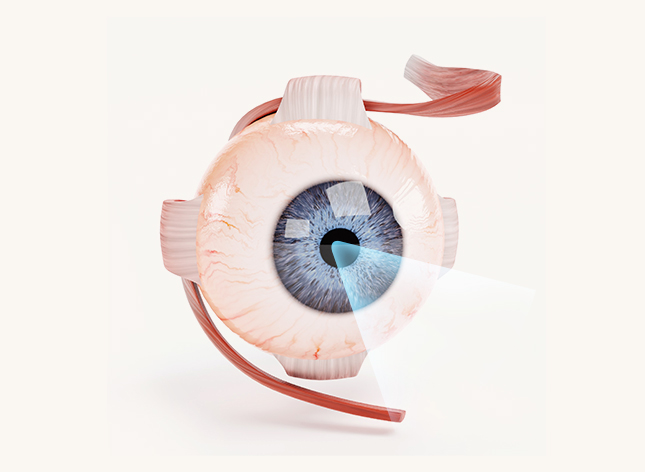
Glaucoma surgery Seoul ophthalmologists perform works by lowering intraocular pressure (IOP), the only factor proven to slow glaucoma. Fluid called aqueous humour is constantly made inside the eye and drains through a mesh-like channel. In glaucoma that drainage is inadequate. Surgery either improves the natural drain, creates a new drainage route, or reduces fluid production. Patients living around Yeongdeungpo, Guro, Gasan and Gwanak often ask whether surgery means going blind. It does not: the aim is to preserve the sight you still have.
Foreign residents in Seoul often delay these conversations because of language barriers or unfamiliarity with how Korean eye clinics work. That is understandable, but glaucoma damage is silent and permanent, so a clear plan matters more than speed. Ask your specialist to put your target pressure, the date of your last visual field test and the next review date in writing, in English if needed. Having these three facts makes it much easier to compare opinions, transfer care between clinics in Guro, Gwanak or Yeongdeungpo, and notice early if treatment is not working as intended. Also remember that your family history matters: glaucoma runs in families, so close relatives should have their own eye examinations.
Surgery is not always the last resort. For some patients, such as those with rapidly progressing damage or very high pressure at diagnosis, a procedure may be discussed earlier. Your specialist will set an individual target pressure based on optic nerve appearance, visual field tests and OCT scans, and surgery is recommended when that target cannot be reached safely any other way.
Q. What are the signs that eye drops are no longer enough?
Glaucoma Facts Worth Knowing
Q. What happens before, during and after glaucoma surgery?
Before any procedure, expect a detailed discussion of goals, risks and alternatives. You will usually be asked about blood-thinning medication, diabetes and previous eye surgery, because these affect planning and healing. Bring your medication list and tell the team about any allergies. Patients travelling between Gasan, Gwanak and Yeongdeungpo for follow-up visits should ask how many early check-ups to plan for, since the first weeks after filtering surgery involve frequent pressure checks.
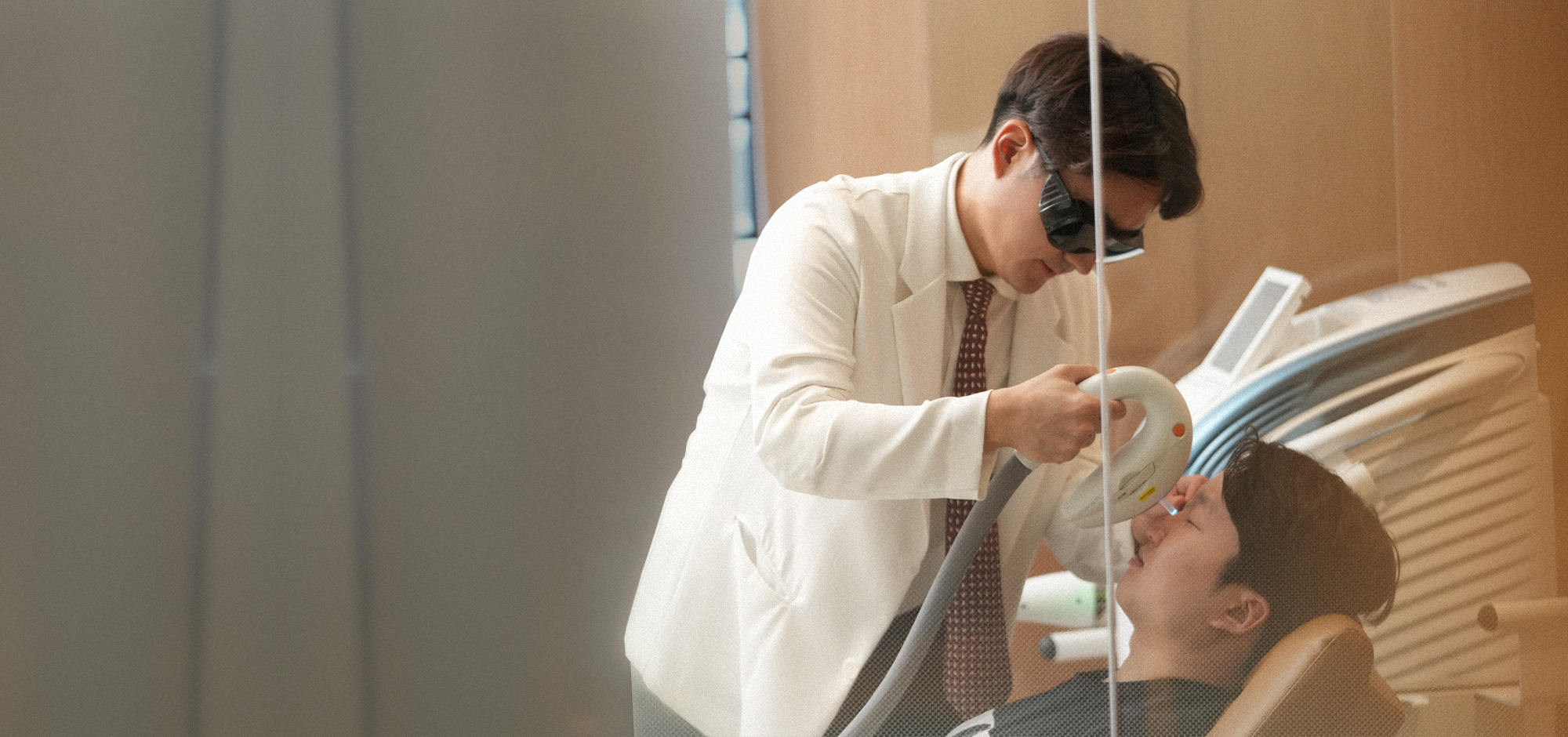
On the day, most glaucoma procedures take well under an hour and use local anaesthesia, with a protective shield placed over the eye afterwards. Afterwards you will typically use antibiotic and anti-inflammatory drops on a tapering schedule, avoid rubbing the eye, and avoid heavy lifting, swimming and dusty environments for the period your surgeon specifies. Healing takes weeks, and pressure can fluctuate during this time, so do not judge the result after a few days.
Q. What are the risks and who is a good candidate for glaucoma surgery in Seoul?
All glaucoma surgery carries risk. Possible problems include pressure that is too low or still too high, infection, bleeding, inflammation, a cataract developing or progressing, and in filtering surgery a bleb that scars over or leaks. Serious complications are uncommon, but they are the reason surgery is balanced carefully against the risk of leaving glaucoma undertreated. A good candidate is generally someone whose damage is progressing despite maximum tolerated treatment, or whose pressure is far above target.
If you have been told that surgery is needed, or if you simply want a second opinion in English, a consultation at Nunehim Eye Center in Guro can review your scans and explain the reasoning step by step before you commit to anything.
Q. What are the main glaucoma surgery Seoul options?
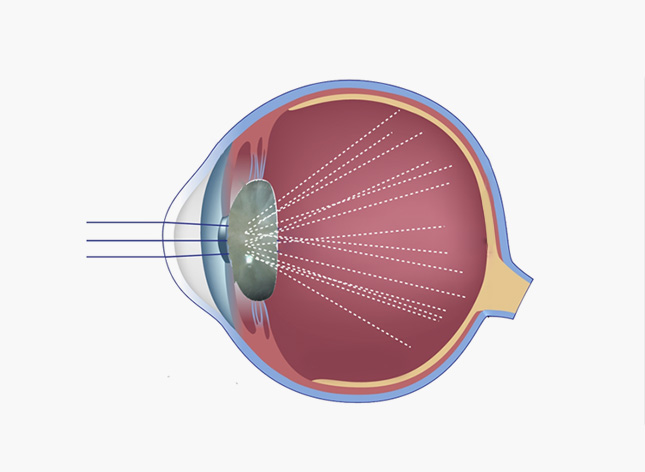
SLT laser (selective laser trabeculoplasty) is an office procedure that stimulates the natural drain and can reduce reliance on drops. MIGS uses microscopic stents or tissue-opening devices placed through a tiny incision, often combined with cataract surgery; it has a good safety profile and usually a modest pressure reduction. Trabeculectomy creates a small filtering pathway under the upper eyelid, forming a drainage bleb, and remains a gold standard for lowering pressure significantly.
Tube shunts (drainage implants) carry fluid to a plate on the eye surface and are often used in complex or previously operated eyes. Cyclophotocoagulation reduces fluid production and is typically reserved for advanced cases. Which option is right depends on glaucoma type, pressure target, lens status and your overall health. Ask for a clear explanation of expected pressure reduction, risks and recovery for each.
Q. How can foreigners in Seoul get glaucoma surgery assessed?
Start with a full glaucoma work-up: IOP, corneal thickness, gonioscopy, visual field and OCT. Book through Naver Booking or contact the clinic for an English consultation. Bring your passport or Alien Registration Card (ARC), any previous eye records, a list of current drops, and your latest visual field or OCT printouts if you have them. In Korea, residents enrolled in National Health Insurance generally pay a share of medically necessary treatment, while some devices, tests or upgrades can be self-pay; coverage depends on the procedure, so ask the clinic for a current quote before deciding. Travellers and short-stay visitors without Korean insurance are usually self-pay. A typical visit flows from registration to pre-tests, specialist consultation and a written plan, often within a single visit.
Q. When should I see a doctor in Seoul urgently?
Angle-closure and post-operative problems are emergencies: go to an eye hospital emergency service at once rather than waiting for a routine appointment.
Step 1: Assess
Pressure, optic nerve OCT, visual fields and angle examination establish your glaucoma type and target pressure.
Step 2: Try Less Invasive
Optimised drops, once-daily combinations or SLT laser are usually tried first unless damage is advanced.
Step 3: Surgery
MIGS, trabeculectomy or a tube is chosen to match your target pressure, followed by close monitoring for months.
A Practical Tip from Dr. Daniel Baik
“Before any glaucoma surgery, bring a written list of every drop you use and how many weeks you have used it. A pressure that looks uncontrolled sometimes improves with correct drop technique or a preservative-free alternative, and a single clinic visit measurement can be misleading, so ask for repeated readings at different times of day.”
— Dr. Daniel Baik, board-certified ophthalmologist, Nunehim Eye Center
❓ Frequently Asked Questions
Q. Is glaucoma surgery painful?
Most procedures are performed with numbing drops or local anaesthesia, so you should feel pressure or touch rather than sharp pain. Mild scratchiness, redness and light sensitivity can follow for a few days, and your surgeon will explain what is normal.
Q. Will glaucoma surgery restore my vision?
No. Surgery lowers eye pressure to protect the remaining optic nerve, but damage that has already occurred cannot be reversed. That is why early diagnosis in Seoul clinics around Guro, Gasan and Yeongdeungpo is so valuable.
Q. Can I stop using eye drops after surgery?
Some patients need fewer drops or none, but many continue at least one medication. After trabeculectomy or MIGS your doctor may even prescribe temporary anti-inflammatory drops. Never stop glaucoma drops without specialist advice.
Q. How long is recovery?
Early recovery usually takes days to a few weeks, with frequent follow-up visits during the first weeks, while pressure and healing are stabilised. Exact timing varies by procedure, so ask for a personalised schedule.
Q. Do I need a referral to see a glaucoma specialist in Korea?
Generally no. Eye clinics in Seoul can be visited directly, though larger hospitals may prefer a referral letter for insurance purposes. Book via Naver and bring your ARC or passport.
Q. How much does glaucoma surgery cost in Korea?
Cost depends on the procedure, device and insurance status, so any figure quoted online can mislead. Ask the clinic for a current written quote that separates insured and self-pay items.
Q. Is SLT laser an alternative to surgery?
For many open-angle glaucoma patients SLT is a useful step between drops and incisional surgery, and it can be repeated in some eyes. It is not suitable for every glaucoma type, so it needs a proper angle examination first.

Related Reading
Book a Consultation
Worried about eye pressure or glaucoma? Book a Korean or English consultation at Nunehim Eye Center.
📍 Visit Nunehim Eye Center — Guro, Seoul
Convenient access from Guro, Gasan, Gwanak and Yeongdeungpo, near Guro Digital Complex Station (Line 2).
Address
551 Siheung-daero, Guro-gu, Seoul · nunehim.com
Hours
Mon–Fri 09:00–18:30 (lunch 13:00–14:00), Sat 09:00–14:00
Languages
Korean & English


Leave a comment