Retinal Vein Occlusion in Seoul: Causes, Injections & Recovery
A practical guide for English speakers in Guro, Yeongdeungpo, Gasan and Gwanak
Quick Answer
Retinal vein occlusion Seoul patients should know: RVO is a blockage of a retinal vein that causes sudden, painless blurring in one eye. It needs an urgent retina exam, usually an OCT scan, because swelling at the macula is treatable with anti-VEGF injections or a steroid implant. Foreigners can be seen in English at Nunehim Eye Center in Guro-gu, and the sooner the exam, the better the chance of protecting central vision.
Q. What is retinal vein occlusion and what causes it?
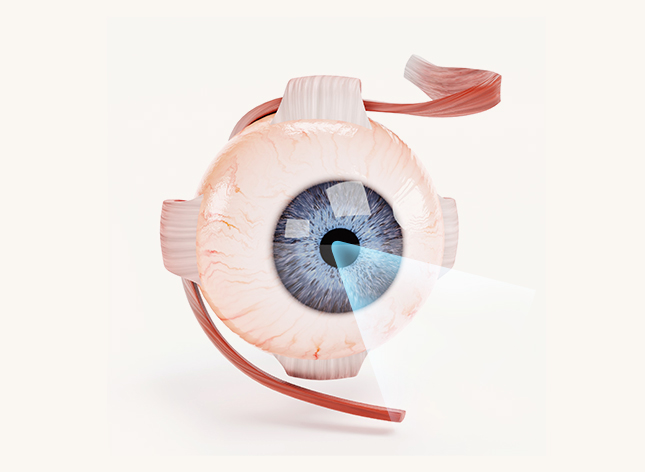
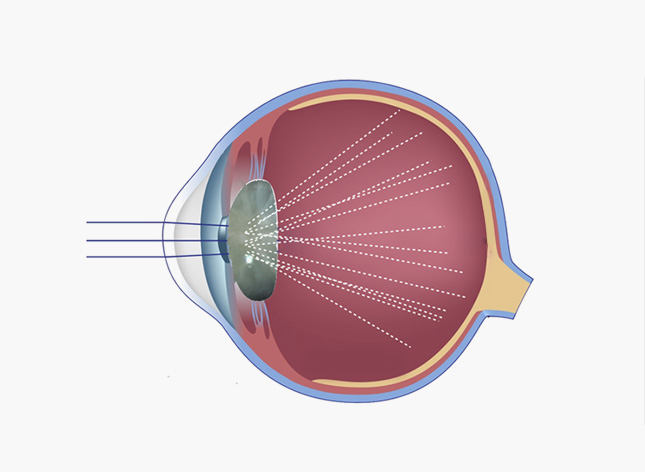
Retinal vein occlusion (RVO) is a blockage in the vein that drains blood from the retina. In central RVO (CRVO) the main vein is blocked; in branch RVO (BRVO) a smaller branch is blocked, usually where a stiffened artery crosses over the vein. Blood and fluid then back up into the retina, and when the fluid collects in the macula (the centre of vision) sight becomes blurry. If you search for an eye doctor for retinal vein occlusion Seoul clinics such as ours in Guro, close to Yeongdeungpo and Gasan, can arrange the scans and treatment in one place.
The main drivers are systemic: high blood pressure, high cholesterol, diabetes, and age. Glaucoma and raised eye pressure also increase risk, as do certain blood-clotting and inflammatory conditions. In younger patients without the usual risk factors, doctors look harder for a hidden cause, so a physician check alongside the eye exam matters. Smoking, sleep apnea and some medications can contribute as well.
Q. What are the symptoms of a retinal vein occlusion?
Q. How is retinal vein occlusion diagnosed?
Diagnosis starts with a dilated retinal exam, where the doctor looks for scattered haemorrhages, swollen veins and cotton-wool spots. Optical coherence tomography (OCT) then measures macular swelling in micrometres and becomes the baseline for every later decision. Fluorescein angiography may be added to see whether large areas of retina are starved of blood flow (ischemic type), because that group has a higher risk of abnormal new vessels and pressure problems. Eye pressure is always measured, since glaucoma and RVO often travel together.
Because RVO is a warning sign for the cardiovascular system, expect questions about blood pressure, diabetes, cholesterol, smoking and medications. Bring recent health check results if you have them; many expats in Korea have a recent employer checkup that is useful here. Your eye doctor will usually recommend seeing a physician soon after the diagnosis, since controlling these factors protects both eyes and the rest of the body.
Q. What is recovery from retinal vein occlusion like?
Recovery is gradual and differs from person to person. Branch occlusions without major macular involvement often settle with observation, while swelling at the macula usually needs a course of injections. Vision tends to improve over the first few months once the fluid is controlled, but eyes that were deprived of blood flow for a long time may keep some blind spots. Regular follow-up is the key, because swelling can return when treatment is spaced out too far. Many patients from Gwanak, Gasan and Guro combine their injection visits with the work week, since the procedure itself is short and you can usually return to normal activity the same day. Avoid rubbing the eye, and report increasing pain, redness or a sudden drop in vision after an injection straight away.
RVO at a glance
Q. How is retinal vein occlusion treated?
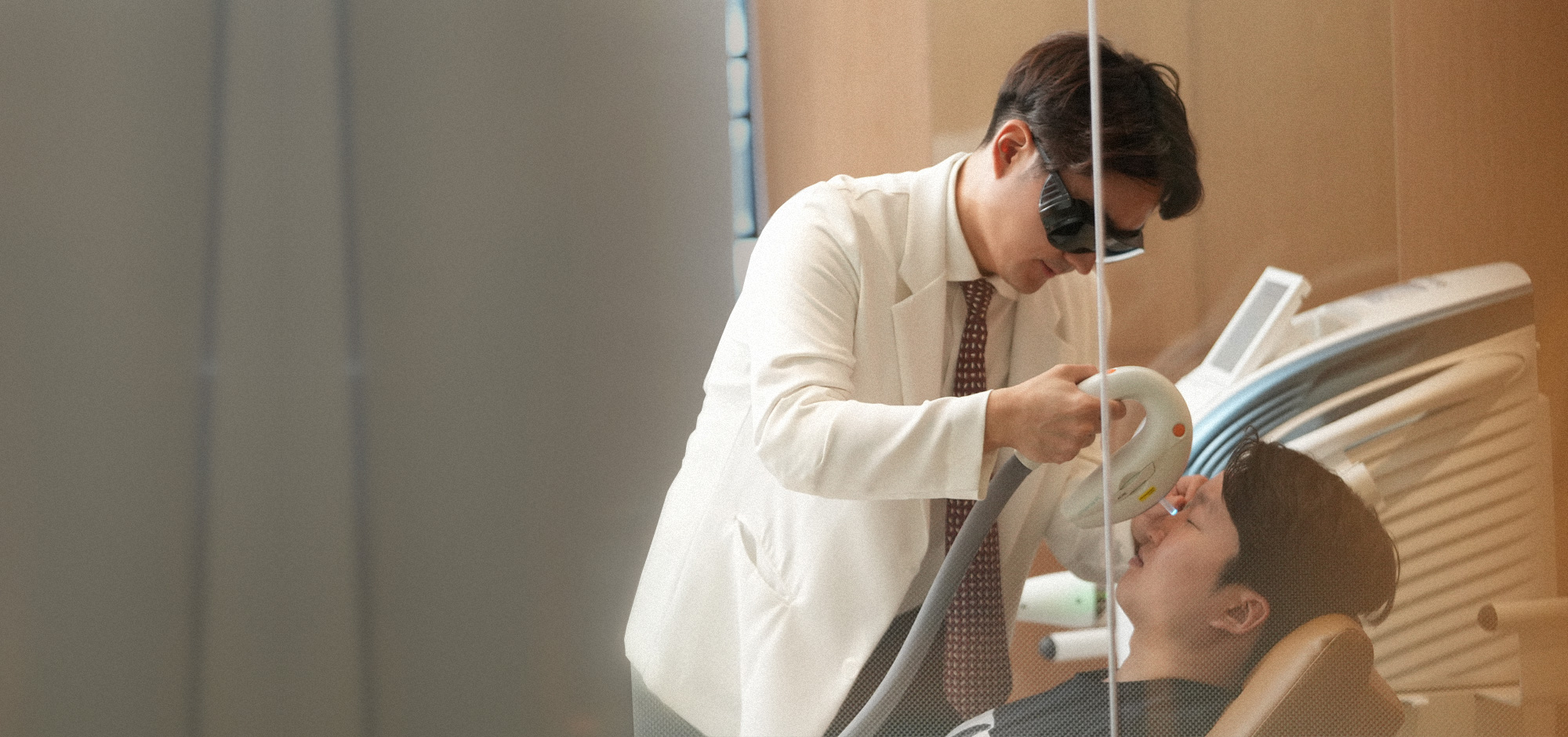
Treatment depends on the type and on what the OCT shows. Anti-VEGF injections (such as ranibizumab, aflibercept, faricimab or off-label bevacizumab) dry out macular swelling and are the usual first choice. A dexamethasone (steroid) implant is an option for some eyes, especially when injections are not enough, with the trade-off of pressure rise and cataract. Laser is kept for abnormal new vessels or areas of poor blood flow. Which drug is used, and whether it is covered, differs by case, so ask the clinic for a current quote and coverage check.
Injections are typically given monthly at first, then spaced out according to your scans (“treat-and-extend”). Each procedure takes minutes under numbing drops. Your doctor will also watch for neovascular glaucoma, especially after ischemic CRVO, in the first several months. Underlying blood pressure, glucose and cholesterol are managed with your physician in parallel.
Q. What should expats know about getting RVO care in Seoul?
Booking: use Naver Booking or ask for an English consultation through nunehim.com; say it is sudden vision loss so you are seen quickly. Bring: passport or ARC, your insurance card if you have one, a medication list (especially blood thinners) and any prior eye or health records, translated if possible. Insurance: in general, long-term residents are enrolled in Korean national health insurance and eligible care is partly covered, while visitors pay out of pocket; coverage of specific injections varies, so confirm before treatment. Visit flow: registration, vision and pressure check, dilated exam, OCT, then a plan explained in English. No referral is needed to see a clinic directly. Patients from Gasan, Gwanak and Yeongdeungpo reach us easily from Guro Digital Complex Station.

Q. When should I see a doctor in Seoul?
Same day or next day if you notice any of these:
Stage 1: Diagnosis
Dilated exam, OCT scan, sometimes fluorescein angiography. Blood pressure, sugar and lipid tests are arranged with your physician.
Stage 2: Loading
Injections about monthly, with OCT at each visit to track swelling. Vision often improves gradually over the first months.
Stage 3: Maintenance
Intervals are extended if the macula stays dry. Long-term watch for recurrence, glaucoma and the other eye.
Dr. Daniel Baik says
“If vision drops suddenly in one eye, do not wait to see whether it clears. Cover each eye in turn to confirm which one is affected, bring your blood pressure log and medication list, and get a dilated exam with an OCT scan within a day or two. Treating macular swelling early gives the best chance of keeping reading vision.” — Dr. Daniel Baik, board-certified ophthalmologist
❓ Frequently Asked Questions
Q. Can retinal vein occlusion be cured?
The blocked vein usually cannot be reopened, but the retina often forms new drainage routes. Injections control the swelling that harms vision, and many patients regain useful sight. Results vary with how much of the retina was damaged before treatment started.
Q. How many injections will I need?
It varies. Most people start with monthly injections and then extend the interval based on OCT scans. Some need treatment for a year or longer. Your doctor adjusts the plan to your scans rather than a fixed number.
Q. Are the injections painful?
The eye is numbed with drops and cleaned first, and most people feel pressure rather than pain. The injection itself takes seconds. Mild irritation or a red spot on the white of the eye afterwards is common and fades.
Q. Can I get treated in English in Seoul?
Yes. Nunehim Eye Center in Guro-gu offers Korean and English consultations, so you can discuss scans, options and risks directly with the doctor. Patients come from Guro, Yeongdeungpo, Gasan and Gwanak.
Q. Does Korean health insurance cover treatment?
In general, residents enrolled in national health insurance receive partial coverage for eligible treatment, while visitors pay out of pocket. Coverage conditions for specific injections differ, so ask the clinic for a current quote and coverage check before you start.
Q. Can RVO affect my other eye?
There is a higher chance of an event in the other eye, mostly because the shared risk factors remain. Good control of blood pressure, blood sugar and cholesterol, not smoking, and regular eye exams are the best protection.
Q. Can I fly or travel during treatment?
Short trips are often possible, but you need scheduled injections and scans, and sudden new symptoms need prompt care. Talk with your doctor about timing before booking flights, and carry your scan reports with you.

Related reading
Book a Consultation
Sudden vision change? Book a retina exam with an English-speaking ophthalmologist.
📍 Visit Nunehim Eye Center — Guro, Seoul
Convenient access from Guro, Gasan, Gwanak and Yeongdeungpo. Near Guro Digital Complex Station (Line 2).
Address
551 Siheung-daero, Guro-gu, Seoul
nunehim.com
Hours
Mon–Fri 09:00–18:30 (lunch 13:00–14:00)
Sat 09:00–14:00
Languages
Korean & English


Leave a Reply