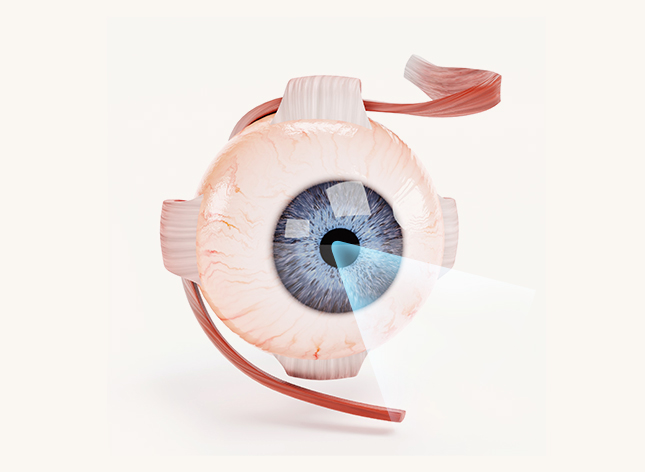
Diabetic Retinopathy Screening: How Often and What to Expect in Korea
A practical guide for people with diabetes living in Seoul — Guro · Yeongdeungpo · Gasan · Gwanak
Quick Answer
Diabetic retinopathy screening Korea follows international guidelines: most adults with type 2 diabetes should have a dilated retinal exam at diagnosis and then at least once a year, people with type 1 diabetes should start within about five years of diagnosis, and pregnant women with diabetes need an exam early in pregnancy. A screening visit at a Seoul eye clinic takes about an hour, usually includes dilating drops and retinal imaging, and is painless. Your own interval may be shorter if retinopathy is already present — your ophthalmologist will set it.
Q. What is diabetic retinopathy and why is screening needed in Korea?
Diabetic retinopathy is damage to the tiny blood vessels of the retina caused by long-term high blood sugar. It is one of the leading causes of preventable vision loss in working-age adults, and the key problem is that it is usually silent in the early stages: your vision can feel completely normal while vessels are already leaking. That is why diabetic retinopathy screening in Korea (and everywhere else) is based on a scheduled exam, not on waiting for symptoms. At Nunehim Eye Center in Guro-gu, we see many patients from Yeongdeungpo, Gasan and Gwanak who only discover retinal changes at a routine check.
Retinopathy is usually described in two broad phases. In non-proliferative disease, vessels weaken, leak and form small bleeds or fluid deposits. In proliferative disease, the retina grows fragile new vessels that can bleed into the eye or pull on the retina. Swelling of the central retina (diabetic macular edema) can occur at either phase and is a common reason for blurred reading vision. Good news: when it is found early, laser, injections and tighter metabolic control are very effective at protecting sight.
Q. What are the symptoms of diabetic retinopathy?
Screening guideline snapshot
Q. How is diabetic retinopathy found and treated?
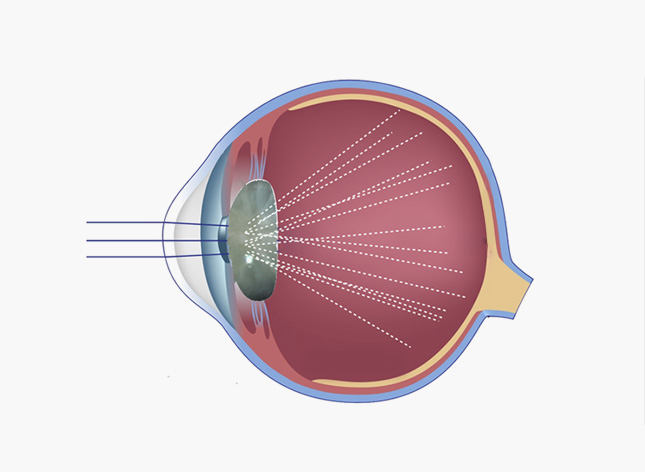
Screening combines a visual acuity check, eye pressure measurement, a dilated examination of the retina and, in most clinics, digital fundus photography. Optical coherence tomography (OCT) is a quick scan that measures retinal thickness and detects macular swelling that cannot be seen on a photo. If the exam shows significant disease, further imaging such as fluorescein angiography may be added.
Treatment depends on the stage. Early retinopathy is generally watched with regular exams while blood sugar, blood pressure and lipids are optimized with your diabetes doctor. Macular edema is commonly treated with anti-VEGF injections or steroid implants; high-risk proliferative disease is treated with laser photocoagulation, and advanced bleeding or traction may need vitrectomy. Ask your ophthalmologist which option fits your eye.
Q. How do foreigners book diabetic retinopathy screening in Korea?
Expat checklist. Book through Naver Booking or contact the clinic to request an English consultation. Bring your passport or ARC (Alien Registration Card), your health insurance card if you are enrolled in Korean national health insurance, a list of your diabetes medications, your most recent HbA1c and any previous eye records or photos from your home country.
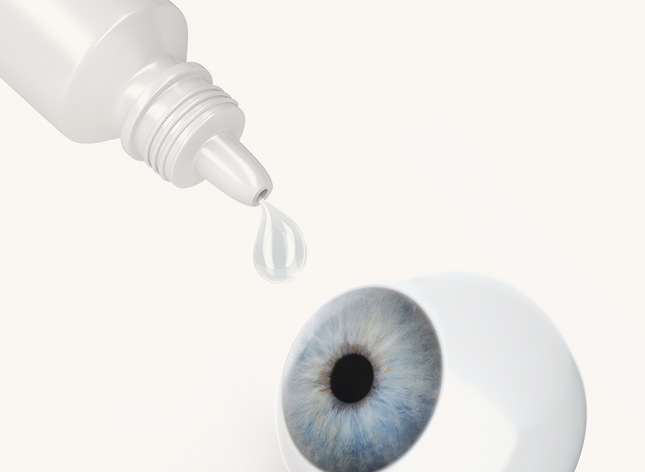
Korean national insurance generally covers medically necessary eye exams for people with diabetes, while self-pay applies to people without Korean coverage and to some optional tests — coverage details change, so ask the clinic for a current quote. A typical visit flows from registration, to pre-tests (vision, pressure, imaging), to dilating drops, to the doctor’s exam and a discussion of the result. No referral is needed to see an eye clinic directly. Because dilation blurs near vision, avoid driving yourself home.
Q. When should I see an eye doctor in Seoul urgently?
Q. What happens at each stage of diabetic eye disease?
No retinopathy
Annual dilated exam continues. Focus on glucose, blood pressure and cholesterol targets set with your diabetes doctor.
Non-proliferative
Mild to severe stages: follow-up every 3–12 months depending on severity; injections if macular edema develops.
Proliferative
New fragile vessels: laser or injections are usually needed promptly; surgery for bleeding or traction.
A tip from Dr. Daniel Baik
“Do not wait for blurred vision. Schedule your dilated eye exam within a week or two of your yearly blood test, bring the HbA1c result, and tell me about any recent big drop in blood sugar — fast improvement can temporarily worsen retinopathy in some patients, so we may want to look sooner.”
— Dr. Daniel Baik, board-certified ophthalmologist, Nunehim Eye Center
Q. How should I prepare for a diabetic eye exam in Seoul?
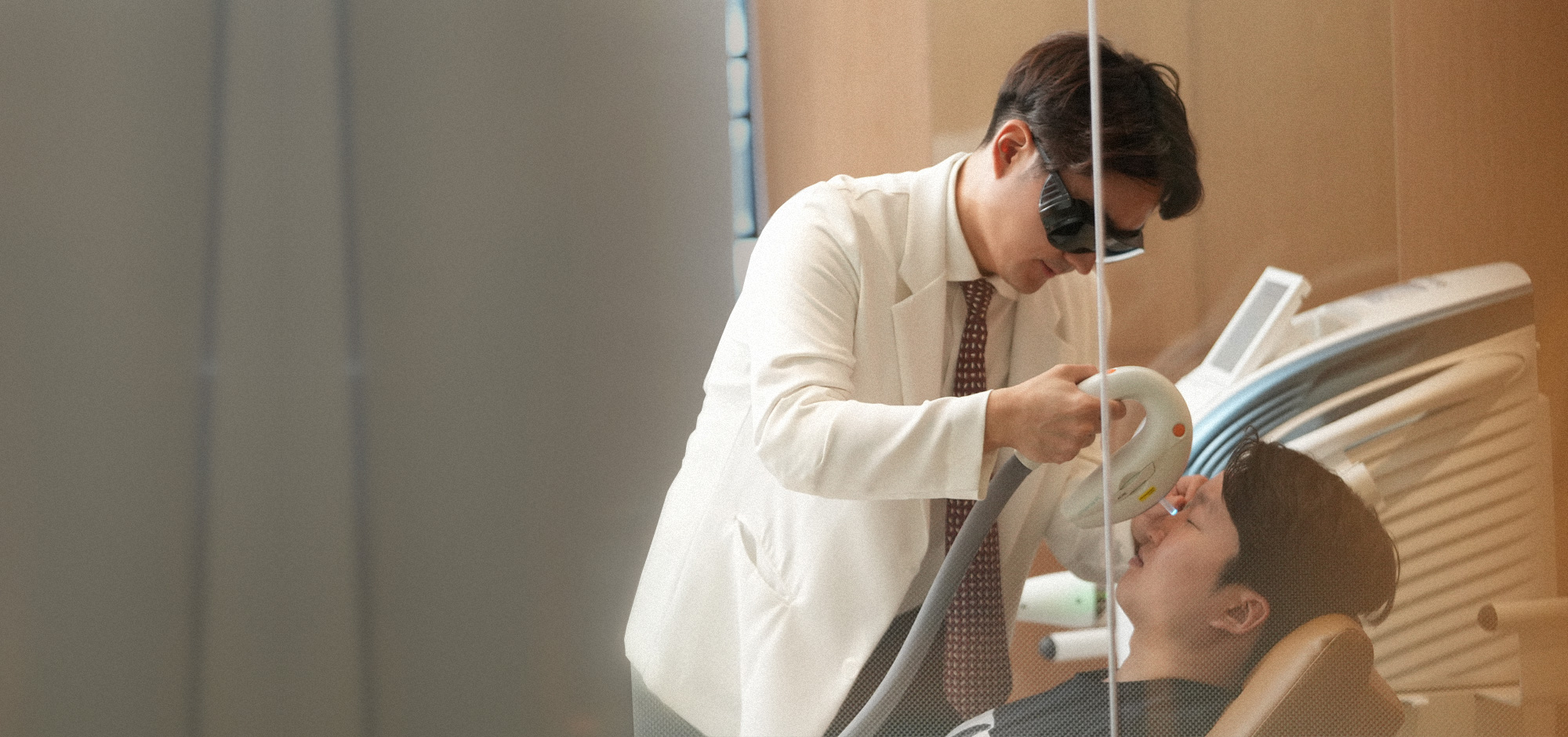
Eat and take your diabetes medication as usual, because dilation does not require fasting. Bring sunglasses for the ride home, wear or bring your current glasses or contact lenses, and note any changes in vision since your last exam. If you use insulin or have had recent changes to your regimen, tell the doctor, since rapid glucose changes can affect both the lens and the retina. Allow roughly 60 to 90 minutes for registration, pre-tests, dilation and the consultation.
If you are visiting a clinic in Guro-gu from Yeongdeungpo, Gasan or Gwanak, check train and bus connections in advance; many patients prefer to travel by subway rather than drive after drops. Bringing a photo of your previous retinal scans, or asking your home-country clinic to email them, lets the doctor compare changes over time, which is more informative than a single snapshot.
Q. How does blood sugar control affect diabetic retinopathy risk?
Retinopathy risk rises with the duration of diabetes and with persistently high glucose, high blood pressure and abnormal cholesterol. Large clinical trials have shown that tighter glucose and blood pressure control slows the development and progression of retinopathy, so your eye exam and your diabetes visits work as a team. Smoking and kidney disease also raise risk. Screening results are worth sharing with your internal medicine or endocrinology doctor, and your HbA1c trend is worth sharing with your eye doctor.
Newer medications and rapid improvements in glucose can occasionally cause a temporary worsening of existing retinopathy, which is why anyone starting an intensive new regimen, or planning pregnancy, should have a baseline eye exam first and follow-up as advised. This is a point worth raising with both your physicians.
❓ Frequently Asked Questions
Q. How often should I have diabetic retinopathy screening in Korea?
Most adults with type 2 diabetes need a dilated exam at diagnosis and at least once a year afterwards. People with type 1 diabetes start within about five years of diagnosis. If retinopathy is already present or you are pregnant, your doctor may recommend shorter intervals.
Q. Does a retinopathy exam hurt?
No. Dilating drops can sting briefly, and the bright lights are uncomfortable but not painful. Imaging such as fundus photos and OCT is contactless.
Q. Can I drive after dilation?
It is better not to. Near vision is blurred and bright light bothers the eyes for several hours, so arrange a ride or public transport home, whether you live in Guro, Yeongdeungpo, Gasan or Gwanak.
Q. Do I need a referral to see an ophthalmologist in Korea?
No. You can book an eye clinic directly. Bringing your latest blood test results and medication list helps the doctor interpret the findings.
Q. Is the exam covered by Korean health insurance?
Medically necessary eye exams for people with diabetes are generally covered for those enrolled in national insurance, while self-pay applies otherwise. Coverage rules and fees change, so ask the clinic for a current quote before your visit.
Q. Can diabetic retinopathy be reversed?
Early changes can stabilize or partly improve with better metabolic control, and treatments like injections and laser can reduce swelling and protect vision. Damage that has already scarred the retina is usually not reversible, which is why early detection matters.
Q. Does Nunehim Eye Center offer English consultations?
Yes. Dr. Daniel Baik, a board-certified ophthalmologist, provides consultations in both Korean and English at the Guro-gu clinic, which is convenient for patients from Gasan, Gwanak and Yeongdeungpo.

Related reading
Book a Consultation
Book your diabetic eye exam with Dr. Daniel Baik — English consultations available.
📍 Visit Nunehim Eye Center — Guro, Seoul
Convenient access from Guro, Gasan, Gwanak, Yeongdeungpo & Dongjak. Near Guro Digital Complex Station (Line 2).
Address
551 Siheung-daero, Guro-gu, Seoul · nunehim.com
Hours
Mon–Fri 09:00–18:30 (lunch 13–14), Sat 09:00–14:00
Languages
Korean & English


Leave a Reply