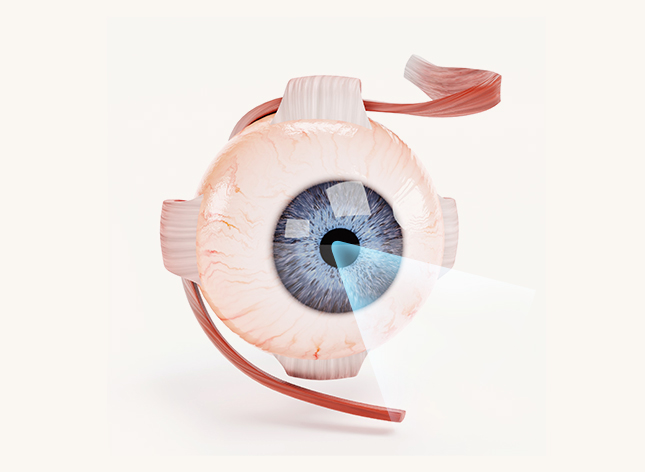
School Vision Screening in Korea: What to Do If Your Child Fails
A practical guide for expat parents in Seoul: what the school test means, what to do next, and when to see an eye doctor
Quick Answer
If your child fails the school vision screening in Korea, it does not mean something is seriously wrong, but it does mean the school test found a possible problem that needs a proper check. The school test is a quick screening, not a diagnosis. Book a full eye exam with an ophthalmologist, ideally within a few weeks, and sooner if your child squints, covers one eye, or complains of headaches. At Nunehim Eye Center in Guro-gu, Seoul, children can be examined in Korean or English, and the results explain whether glasses, myopia control or a closer follow-up is needed. This guide explains the school vision screening Korea children go through, step by step, and what to do next.
| Step | What it can show | What it cannot answer |
|---|---|---|
| School vision screening | Whether distance vision looks reduced on that day | The exact prescription or whether the eye is healthy |
| Full eye exam with cycloplegia | Refraction, eye alignment and signs of amblyopia or disease | How a prescription will change in the future |
| Follow-up monitoring | Changes in vision, refraction and eye growth over time | A guarantee that myopia will stop progressing |
Q. What is school vision screening in Korea, and what does a “fail” mean?
Korean schools run routine student health checks that include a basic vision test, and families usually receive the results as a short notice or a note from the homeroom teacher or school nurse. The school vision screening in Korea for children is designed to flag children who may need glasses or a medical check. A “fail”, a “recheck recommended” or a low visual-acuity number simply means the child did not reach the expected level on a chart test at school. The exact wording and format differ between schools, so if the notice is unclear, ask the school nurse (보건교사) what the number means and whether the result was for one eye or both.
Q. What are the limits of school vision screening Korea children go through?
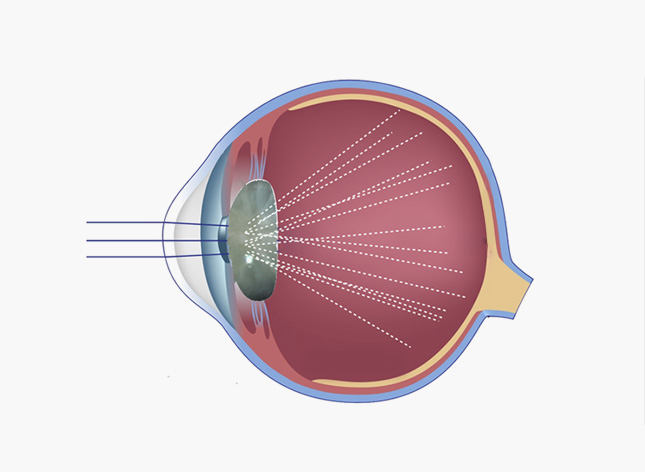
A school chart test checks distance visual acuity, usually one eye at a time. It is good at spotting children who see the board poorly, which is most often caused by myopia. It is much less reliable for long-sightedness (hyperopia), because young children can focus through it and still read the chart well. It also cannot see inside the eye, so it does not detect conditions such as amblyopia that is caused by unequal prescriptions between the two eyes, early glaucoma or retinal problems, and it does not measure how well the two eyes work as a team. This is why we recommend an eye exam even for children who passed, if there is a family history of strong myopia, squint or lazy eye, or if the child shows symptoms.
For families in Yeongdeungpo, Guro, Gasan and Gwanak, the practical rule is simple: treat the school result as a reason to check, not as a diagnosis. A failed result with no symptoms is usually handled with a routine appointment. A failed result with squinting, headaches or a drifting eye is better checked sooner.
Q. What can parents do at home while waiting for the appointment?
A few simple habits help while you wait for the exam, and they are useful afterwards too. Encourage outdoor play every day, since time outdoors in daylight is associated with a lower risk of myopia developing. Keep reading and screen distance at roughly an arm’s length for books and further for tablets, and use the 20-20-20 habit: every 20 minutes of close work, look at something 20 feet (about 6 metres) away for 20 seconds. Make sure there is good lighting for homework, and avoid reading in the dark or while lying down. Keep a note of what your child says about the board, headaches or tired eyes, because specifics help the doctor.
Be careful about buying ready-made glasses or having a prescription made by a shop without a medical exam when a school test has been failed. A prescription from an optical shop answers the question “what lens makes the chart clearer?” but not “is the eye healthy and developing normally?”. Children with amblyopia or strabismus need a medical diagnosis, and the timing of treatment matters because the visual system is still developing in early childhood.
Screening tests are quick by design. Poor cooperation, a tired child, bad lighting, a chart read from the wrong distance, or a child memorising the chart can all change the result. That is why a failed screening can be a false alarm, and why a passed screening can occasionally miss a problem such as long-sightedness or a lazy eye. The only way to know is a full eye examination. Families across Guro, Yeongdeungpo, Gasan and Gwanak bring their children to us for exactly this reason.
Q. What signs suggest a child really has a vision problem?
Children rarely say “I cannot see” because they assume everyone sees the way they do. Watch for these everyday signs at home, especially if they match a failed school result:
Facts worth knowing
Q. What happens at the eye exam after a failed screening?
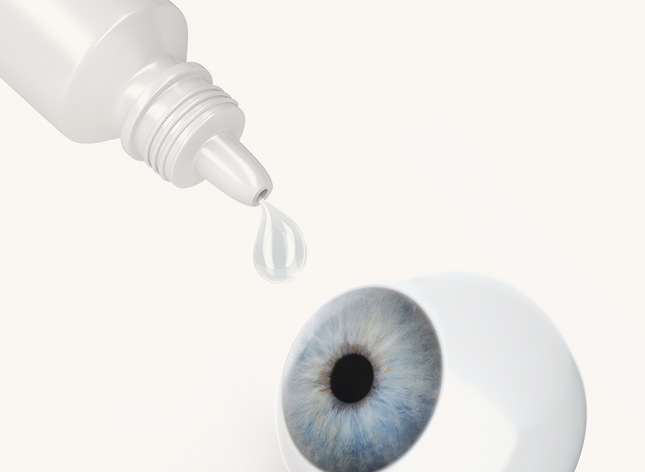
A proper pediatric eye exam goes well beyond the school chart. We measure visual acuity in each eye separately, check how the eyes work together, and measure the refractive error. In children this is often done with dilating (cycloplegic) eye drops, which relax the focusing muscle so we get the true prescription and do not mistake a tired eye for short-sightedness. The drops sting briefly and blur near vision and make light bother the eyes for several hours, so plan a quiet afternoon after the visit.
The result usually falls into one of three groups: a normal eye (the school test was a false alarm), a refractive error such as myopia, hyperopia or astigmatism that needs glasses, or a condition that needs closer follow-up such as amblyopia or strabismus. For children with myopia, we also discuss myopia control (slowing progression) with options such as low-dose atropine eye drops or OK lens (orthokeratology), chosen according to age, prescription and lifestyle.
Q. How do expat families book a child eye exam in Seoul?
Expat parents often receive the school notice in Korean and are unsure what to do. Practical steps: (1) take a photo of the notice and bring it, or bring your own translation; (2) book through Naver Booking or contact the clinic to request an English consultation; (3) bring your child’s passport or Alien Registration Card (ARC) and any previous glasses prescriptions or eye records from abroad; (4) bring the current glasses, if any. Whether the visit is covered by Korean national health insurance or is self-pay depends on the diagnosis, your insurance status and the tests performed, so please ask the clinic for a current quote rather than relying on general rules. Nunehim Eye Center offers consultations in Korean and English, and is easily reached from Guro, Gasan, Yeongdeungpo and Gwanak.
Q. When should I see a doctor in Seoul without waiting?
Do not wait for the next school check-up. Book an eye exam promptly, or seek urgent care, if you notice any of the following:
1. Retest and confirm
Book a full exam with cycloplegic drops. Bring the school notice. Most children get a clear answer in a single visit.
2. Correct and protect
If glasses are needed, they should be worn full time as advised. For myopia, discuss myopia control early rather than waiting for the number to climb.
3. Follow up
Children grow, and their eyes change. Typical follow-up is every 6 months for myopic children, and as advised by your doctor for other conditions.
A note from Dr. Daniel Baik
Practical point: After a failed school screening, a cycloplegic refraction can reveal the prescription that a child’s focusing muscle may hide. If myopia is confirmed, discuss glasses and evidence-based myopia-management options early rather than waiting for the prescription to change.
❓ Frequently Asked Questions
Q. Does failing the school vision test mean my child needs glasses?
Not necessarily. The school test is a screening. Roughly speaking, some children who fail turn out to have normal eyes, and others need glasses or a closer follow-up. Only a full eye exam can tell which group your child is in.
Q. How soon should I book an appointment after a failed screening?
Within a few weeks is reasonable for most children. If your child has symptoms such as squinting, headaches, covering one eye or an eye turn, book sooner. Any sudden change in vision should be seen promptly.
Q. Can I take my child to an English-speaking eye doctor in Seoul instead of a Korean clinic?
Yes. Nunehim Eye Center in Guro-gu offers consultations in Korean and English, so you can discuss the school result, the findings and the options in your own language.
Q. Are dilating eye drops safe for children?
Cycloplegic drops are routinely used in pediatric eye exams and are considered safe when used by a doctor. They can sting briefly, blur near vision and increase light sensitivity for several hours. The doctor will review your child’s history first.
Q. What can slow my child’s myopia?
Options include more outdoor time, limiting prolonged close-up work, low-dose atropine eye drops and OK lens (orthokeratology), which is worn overnight. The right choice depends on age, prescription and lifestyle, so it should be decided with an ophthalmologist.
Q. Is the exam covered by Korean health insurance?
It depends on your insurance status, the diagnosis and the tests performed. Please ask the clinic for a current quote when booking instead of assuming coverage.
Q. How often should my child have an eye exam?
If the first exam is normal, a routine check about once a year is a common approach for school-age children. Children with myopia are usually seen about every 6 months, or as your doctor advises.

Evidence & Further Reading
- American Academy of Ophthalmology: Vision Screening — explains screening, referral and the role of a comprehensive eye examination.
- Cochrane review of vision screening for amblyopia — summarizes the evidence and its limits.
- European Society of Ophthalmology and International Myopia Institute myopia-management algorithm — practical guidance on assessment and treatment choices.
- International Myopia Institute clinical management guidelines — reviews outdoor time, optical options and pharmacological approaches.
Related reading
Book a Consultation
Worried about a school vision result? Our board-certified ophthalmologist can examine your child in Korean or English.
📍 Visit Nunehim Eye Center — Guro, Seoul
Convenient access from Guro, Gasan, Yeongdeungpo and Gwanak. Near Guro Digital Complex Station (Line 2).
Address
551 Siheung-daero, Guro-gu, Seoul · nunehim.com
Hours
Mon–Fri 09:00–18:30 (lunch 13–14), Sat 09:00–14:00
Languages
Korean & English


Leave a Reply