
Vitrectomy Explained: What Happens During Retinal Surgery in Seoul
A step-by-step guide to vitrectomy surgery Seoul patients ask about, with English-language support near Guro
Quick Answer
Vitrectomy surgery in Seoul is a procedure in which a retinal surgeon removes the gel-like vitreous from inside the eye through three tiny ports, so that bleeding, scar tissue or traction on the retina can be cleared and the retina repaired. It is usually done in an operating room with local anaesthesia, often as a day procedure. Afterwards the eye may be filled with a gas bubble or silicone oil that must be positioned correctly for days to weeks. At Nunehim Eye Center in Guro-gu, Dr. Daniel Baik, a board-certified ophthalmologist, can examine your retina in English and explain whether surgery is really needed.
Q. What is vitrectomy surgery in Seoul and why is it done?
Vitrectomy surgery in Seoul follows the same principles as in Europe or North America: the vitreous, the clear jelly that fills the back of the eye, is removed with a fine cutter, and the surgeon works directly on the retina. The vitreous itself is not essential for sight; the eye replaces it with its own fluid, a gas bubble or silicone oil. Patients from Guro, Yeongdeungpo, Gasan and Gwanak are usually referred when a problem sits on or in front of the retina and cannot be treated with drops, lasers or injections alone.
The most common reasons are rhegmatogenous retinal detachment, macular hole, epiretinal membrane (a scar-like film over the macula), vitreous haemorrhage that does not clear, tractional detachment from advanced diabetic eye disease, and complications after other eye surgery. Very rarely it is considered for severe floaters, but only after a careful discussion of risks, because most floaters fade or become less bothersome over time.
Q. What are the symptoms that may lead to a vitrectomy?
Sudden changes in the central or peripheral vision are the main symptoms that lead to a retinal surgery referral. Typical warning signs are:
Q. What are the risks of vitrectomy and are there alternatives?
Every intraocular operation carries risk. The main risks of vitrectomy are cataract progression, a new retinal tear or re-detachment, raised eye pressure, bleeding and, rarely, infection (endophthalmitis). Your surgeon should explain these before you consent, and you should ask how likely each one is for your specific diagnosis. Alternatives depend on the problem: a small retinal tear can often be sealed with laser in the clinic, some detachments are treated with pneumatic retinopexy or a scleral buckle, and diabetic bleeding may respond to laser or anti-VEGF injections before surgery is considered. A surgeon in Guro or Yeongdeungpo may therefore recommend injections or laser first, or surgery straight away if the macula is at risk.
Timing matters as well. A detachment that involves the macula is more urgent than a stable epiretinal membrane that has been watched for a year. For a macular hole or membrane, there is often time to plan travel, work leave and follow-up visits, which is helpful for expats balancing family and employment in Seoul. Ask your doctor what delay is safe, in writing if possible, so that you can arrange leave and appointments around it.
Vitrectomy by the numbers
▸ Modern small-gauge vitrectomy typically uses 23-, 25- or 27-gauge instruments, so the ports are only about half a millimetre wide and often seal on their own.
▸ A short-acting SF6 gas bubble usually lasts about two weeks, while a longer-acting C3F8 bubble usually lasts about six to eight weeks.
▸ Silicone oil does not absorb on its own and generally needs a second operation to remove it.
▸ In phakic eyes (eyes that still have their natural lens), cataract tends to develop faster after vitrectomy, so many patients later need cataract surgery.
Q. What happens during retinal surgery, step by step?
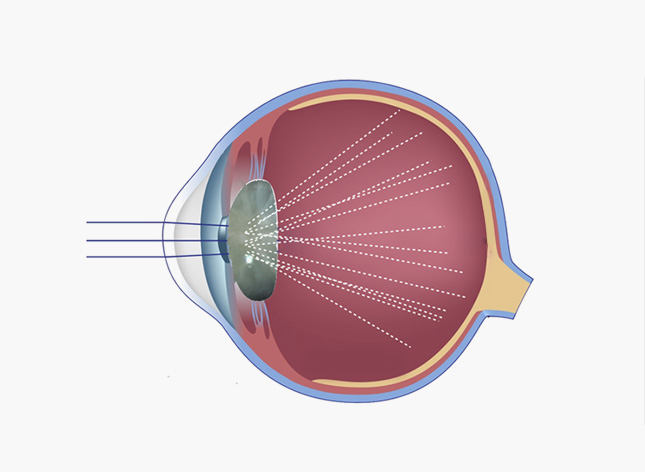
Before surgery your surgeon dilates the pupil, confirms the diagnosis with a retinal exam and optical coherence tomography (OCT), and discusses anaesthesia. The eye is numbed with a local block or drops and you are sedated if needed. Three small ports are placed through the white of the eye: one for a light, one for the cutter and one for saline infusion. The vitreous is removed, and the surgeon then peels scar tissue, repairs retinal tears with laser or freezing treatment, or flattens a detachment.
At the end the eye is filled with gas or silicone oil when the retina needs internal support, and the ports are closed. You go home with an eye shield and a drop schedule. If a gas bubble was used you may be asked to hold a specific head position, such as face-down, for several days. The exact position depends on where the retinal problem is, so follow your surgeon’s instructions precisely.
Q. What should expats know about vitrectomy surgery in Seoul?
Expats in Seoul can usually be seen without a referral at a private eye clinic, and you can book through Naver Booking or ask for an English consultation. Bring your passport or ARC, your Korean health insurance card if you have one, any prior retinal scans or surgery records, and a list of medicines including blood thinners. Whether a procedure is covered by national health insurance, partly covered or self-pay depends on the diagnosis, the hospital and your insurance status, so ask the clinic for a current quote rather than relying on general figures. Dr. Baik evaluates the retina in English and coordinates referral to a vitreoretinal surgery centre when an operation is needed; ask the clinic which stage of care it provides for your case. Travel plans matter too: a gas bubble makes flying and mountain driving unsafe, so tell the team before you book flights home.

Q. When should I see a doctor in Seoul for retinal symptoms?
See an ophthalmologist the same day if you notice any of these signs, because retinal detachment is time-sensitive:
Before surgery
Retinal exam, OCT scan, blood pressure and diabetes review, and a plan for anaesthesia. Stop or adjust blood thinners only on your doctor’s advice.
Days 1–14
Eye shield, antibiotic and anti-inflammatory drops, head positioning if a gas bubble is present, and early checks of eye pressure and retinal position.
Weeks 2–12
Gas gradually absorbs, vision slowly improves, and glasses prescriptions are updated only once the eye has settled. Cataract may be discussed later.
A note from Dr. Daniel Baik
“If you have been told you will have a gas bubble, plan your recovery before surgery day: arrange someone to help with face-down positioning, buy a wrist band or sign that says you have gas in the eye, and avoid flying or travelling to high altitude until your surgeon confirms the bubble is gone. Never accept nitrous oxide anaesthesia while the bubble is present, and report any sudden pain or loss of vision right away.” — Dr. Daniel Baik, board-certified ophthalmologist

❓ Frequently Asked Questions
Q. Is vitrectomy surgery painful?
The eye is numbed, so you should feel pressure rather than pain during surgery. Mild ache, scratchiness and watering are common in the first days. Severe pain or nausea afterwards should be reported, because eye pressure can rise after surgery.
Q. How long does recovery take?
Most people return to desk work within one to two weeks if no positioning is needed, but vision can keep improving for months. Gas bubbles and silicone oil lengthen the recovery. Your surgeon will set your timeline.
Q. Can I fly after a vitrectomy with a gas bubble?
No. Expanding gas at altitude can raise eye pressure dangerously. Wait until your surgeon confirms the bubble is gone, which may take weeks. Plan travel from Seoul accordingly.
Q. Will I need cataract surgery afterwards?
It is common. Vitrectomy tends to speed up lens clouding in eyes that still have their natural lens, so cataract surgery may follow months or years later. Regular checks in Guro, Yeongdeungpo or Gasan help time that decision.
Q. Does vitrectomy cure floaters?
It can remove floaters, but it is not a routine floater treatment because of risks such as retinal tears, cataract and infection. Many floaters become less noticeable without surgery, so get a retinal exam first.
Q. Do I need a referral or Korean insurance?
Private clinics generally accept walk-in or Naver-booked patients without a referral. Coverage differs between insured and self-pay patients, so ask for a current quote before any procedure. Bring your ARC and prior records.
Q. Can I get English-language care near Gwanak or Gasan?
Yes. Nunehim Eye Center in Guro-gu offers Korean and English consultations and is reachable from Gwanak, Gasan, Yeongdeungpo and Dongjak. You can book on Naver or through nunehim.com.

Related reading
Book a Consultation
Worried about floaters, flashes or a shadow in your vision? Get your retina examined in English by a board-certified ophthalmologist in Guro, Seoul.
📍 Visit Nunehim Eye Center — Guro, Seoul
Convenient access from Guro, Gasan, Gwanak, Yeongdeungpo and Dongjak. Near Guro Digital Complex Station (Line 2).
Address
551 Siheung-daero, Guro-gu, Seoul
nunehim.com
Hours
Mon–Fri 09:00–18:30 (lunch 13:00–14:00)
Sat 09:00–14:00
Languages
Korean & English


Leave a Reply