Why Do My Eyes Look Yellow or Cloudy? Causes of White-Eye Color Changes
A practical English guide to redness, pinguecula, pigment and jaundice in Seoul
Quick answer
“Cloudy,” red or yellow-looking whites of the eyes can have very different causes. Dry eye, allergy and screen-related irritation often make the surface look red or dull and may improve when the eye surface is treated. A small yellow bump near the nose may be a pinguecula, which drops do not remove. If both eyes and the skin are becoming yellow, jaundice must be considered and medical evaluation is more important than cosmetic drops.
Three title options considered
- Selected: Why Do My Eyes Look Yellow or Cloudy? Causes of White-Eye Color Changes
- Yellow or Cloudy Eyes in Seoul? Dry Eye, Pinguecula and Jaundice Explained
- Can You Make the Whites of Your Eyes Whiter? A Safe Eye-Doctor Guide
Search phrases answered naturally: yellow eyes, cloudy white of the eye, how to make eye whites whiter, pinguecula treatment Seoul, persistent red eyes, conjunctival pigment and English-speaking eye doctor in Seoul.
The “white” of the eye is more than one tissue
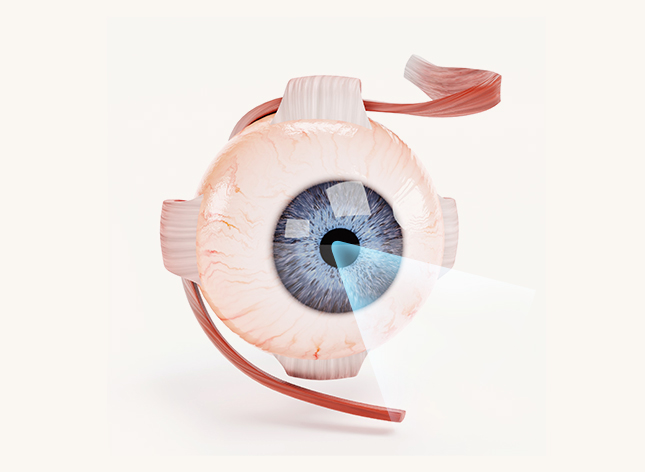
What we call the white of the eye is mainly the sclera, the firm outer coat. It is covered by a clear layer called the conjunctiva, and the outermost surface is coated by a thin tear film. The colour you see depends on all three, plus visible blood vessels and pigment.
That is why a dull appearance does not automatically mean that the sclera itself has changed. A broken-up tear film, surface inflammation or enlarged conjunctival vessels can make a naturally white sclera look pink, grey or yellowish. The first useful question is whether the change is diffuse or local, and whether it is new, painful or changing.
1. Red or generally dull eyes: dry eye and surface irritation
Long screen hours, air-conditioning, low humidity, contact lenses, allergy and incomplete blinking can destabilise the tear film. The surface then becomes more vulnerable to friction and inflammation, and the small conjunctival vessels show more clearly.
People working around Gasan Digital Complex or Guro Digital Complex often describe burning, gritty sensation, intermittent blur, light sensitivity or eyes that look tired by the evening. These symptoms can make the whites look less clear even when there is no dangerous disease.
If dryness or allergy is the cause, the eyes may look clearer after the surface is stabilised with appropriate lubricants, lid and meibomian-gland care, allergy treatment or other doctor-guided therapy. This is not a whitening treatment; it is recovery of a healthier tear surface. Preservative-free artificial tears may help some people, but persistent redness needs a diagnosis rather than indefinite self-treatment.
2. A yellow or cream-coloured bump near the nose: pinguecula
A raised yellow-white spot on the conjunctiva, commonly on the side nearest the nose, may be a pinguecula. The American Academy of Ophthalmology describes it as a growth on the conjunctiva associated with long-term exposure to ultraviolet light, wind and dust. It is a local tissue change, not simply “fat stuck on the eye.”
Most pingueculae are benign and do not threaten sight. They can become irritated, red or gritty when the surface is dry. Sunglasses that block UV, wraparound protection on dusty or windy days and lubricating drops can reduce irritation. Drops do not normally dissolve an established pinguecula. Surgery is considered selectively when the lesion is repeatedly inflamed, interferes with contact-lens wear or creates a significant functional or cosmetic problem.
A fleshy growth that extends onto the cornea may instead be a pterygium. It deserves an examination because it can induce astigmatism or affect the visual axis as it grows.
3. Both eyes becoming uniformly yellow: consider jaundice
A local yellow bump is different from a diffuse yellow colour across the whites of both eyes. Jaundice occurs when bilirubin builds up in the body; the skin and sclera may look yellow. Causes can involve the liver, gallbladder, bile ducts or breakdown of red blood cells. MedlinePlus explains that yellow eyes and skin are reasons to seek medical assessment, especially when other symptoms are present.
If the whites and skin are newly yellow, or urine is unusually dark, do not try to mask the colour with redness-relieving drops. Contact a medical service for an assessment that may include blood tests and evaluation of the liver and biliary system. Eye drops cannot treat jaundice.
4. A brown or black spot: pigment needs a closer look
Some people naturally have a conjunctival nevus or other stable pigment. A lesion that has been unchanged for years is often benign, but a new or changing spot should be examined with a slit lamp.
Arrange an eye examination if an adult lesion is enlarging, becoming thicker, changing colour or developing prominent feeder vessels. The doctor may photograph it, compare both eyes and use additional anterior-segment imaging when useful. The goal is to identify what the lesion is before anyone discusses removal. “Whitening” a pigmented area without a diagnosis is unsafe.
5. A blue or grey cast: structural causes
A blue-grey sclera can occur when the sclera is relatively thin and deeper tissue shows through. It may be longstanding or associated with systemic or inherited conditions, including some forms of iron deficiency or connective-tissue disease. A colour that has recently become obvious, especially with other health changes, deserves an ophthalmology and general medical review.
Match the appearance to the next sensible step
| What you notice | Common possibilities | What to do |
|---|---|---|
| Red, burning or dull by evening | Dry eye, allergy, lid disease or lens irritation | Reduce triggers and arrange an exam if persistent. |
| Small yellow-white raised spot | Pinguecula; sometimes pterygium | UV and dust protection; slit-lamp confirmation. |
| Both whites uniformly yellow | Jaundice or another systemic cause | Seek medical evaluation; do not mask it with drops. |
| New or changing brown/black area | Conjunctival pigment or nevus | Prompt eye examination and photo comparison. |
| Blue-grey appearance | Thin sclera or systemic/structural cause | Assessment if new or accompanied by other signs. |
Can the whites of the eyes be made whiter?
Sometimes the appearance improves substantially when the cause is surface inflammation. Treating dry eye, allergy, blepharitis or contact-lens irritation can reduce visible vessels and make the eye look clearer. A pinguecula, established pigment or structural colour change usually will not disappear with artificial tears.
Be cautious with products marketed as “instant eye whitening.” The American Academy of Ophthalmology notes that vasoconstrictor redness-relief drops can cause rebound redness when the effect wears off, especially with repeated use. If you need drops every day to keep your eyes looking white, ask why the eyes are red instead.
Why cosmetic eye-whitening surgery deserves caution
Wide conjunctivectomy, sometimes marketed as cosmetic eye whitening, removes broad areas of normal conjunctiva and has sometimes been combined with mitomycin C. It is not a routine treatment for dry eye or a yellow pinguecula. An updated EyeWiki review describes delayed complications including persistent conjunctival defects, scleral thinning, calcified plaques, double vision, infectious or necrotising scleritis and possible vision loss. A landmark published series reported at least one postoperative complication in 91.7% of patients.
For that reason, a safer principle is to identify and treat the cause of redness or colour change rather than remove normal tissue for appearance alone.
How an ophthalmologist checks a colour change
At Nunehim Eye Center, the assessment begins with when the change started, whether it is one-sided, and any pain, discharge, vision change, contact-lens use, allergy, medication or systemic symptoms. A slit-lamp examination magnifies the conjunctiva, cornea and sclera so the doctor can distinguish vessels, dry-surface staining, pinguecula, pterygium and pigment.
When needed, the visit may include tear-film or corneal staining, eyelid and meibomian-gland assessment, photographs for follow-up, or additional imaging. If the eyes and skin appear yellow, medical testing outside the eye clinic may be needed. The correct test depends on the appearance; not every patient needs every test.
When should you be seen promptly?
Arrange prompt eye care for a new colour change with pain, light sensitivity, reduced vision, marked swelling, discharge or severe one-sided redness. Seek same-day medical advice if both eyes and the skin are turning yellow, especially with dark urine, abdominal symptoms or feeling unwell. A new or rapidly changing pigmented lesion also should not be managed as a cosmetic issue.
Frequently asked questions
Can artificial tears make yellow eyes white?
They may reduce redness caused by dryness and make the surface look clearer, but they do not remove a pinguecula, pigment or jaundice. Choose a product and schedule that fit your eyes, and seek an examination if redness persists.
Is a yellow spot on the white of the eye dangerous?
A stable yellow-white bump near the nose is often a pinguecula, which is usually benign. A fleshy growth onto the cornea, rapid growth, pain or vision change needs an eye examination.
How can I tell a pinguecula from jaundice?
A pinguecula is usually a local raised spot. Jaundice tends to colour the whites more diffusely and may also make the skin yellow. When you are unsure, have the eyes examined and seek medical evaluation for whole-body yellowing.
Should I use redness-relief drops every day?
Daily use of vasoconstrictor drops can lead to rebound redness and can hide the underlying cause. Persistent redness is better assessed than repeatedly masked.
Can a brown eye spot be removed?
Removal depends on the diagnosis, location, change over time and symptoms. First document the lesion with a slit-lamp examination and, when appropriate, photographs or imaging.
Do screens make the whites of my eyes yellow?
Screens do not usually turn the sclera yellow, but prolonged viewing can reduce blinking and worsen dry-eye redness or a dull appearance. Breaks, complete blinking and a proper dry-eye assessment can help.
Can I book an English consultation in Seoul?
Yes. Dr. Daniel Jinhag Baik is a Korean-American, fluent English-speaking ophthalmologist in Seoul. Bring a photo of the change, your eye-drop list and any contact-lens details if you have them.
Dr. Daniel Jinhag Baik’s perspective
Before trying to make the whites of your eyes look whiter, identify whether the change is diffuse or local, new or longstanding, and accompanied by pain or whole-body symptoms. Treating a healthy tear surface is very different from removing a lesion or investigating jaundice.
Key takeaway
Redness from dry eye may improve with the right treatment, but a yellow bump, new pigment or diffuse yellowing needs diagnosis rather than cosmetic whitening.
Plan your visit in English
Ask about persistent redness, a yellow spot, pigment or a cloudy-looking eye at Nunehim Eye Center in Guro-gu, Seoul.
Address
551 Siheung-daero, Guro-gu, Seoul
Open the clinic location in Google Maps
Hours
Mon–Fri 09:00–18:30 (lunch 13:00–14:00)
Sat 09:00–14:00
Languages
Korean & English


Leave a Reply