Watery Eyes Treatment Seoul: Why Your Eyes Keep Tearing and How an English-Speaking Eye Doctor Finds the Cause
Dry eye, blocked tear ducts, eyelid problems and allergies — a practical guide for expats in Guro, Gasan, Yeongdeungpo and Gwanak
Quick Answer
Watery eyes treatment in Seoul starts with finding out whether your eye is making too many tears or failing to drain them. The most common reason adults tear constantly is, surprisingly, dry eye: an irritated surface triggers floods of reflex tears. The second big group is drainage trouble — a narrowed punctum, a blocked tear duct (nasolacrimal duct obstruction) or a sagging lower eyelid. An eye exam with a slit lamp, fluorescein dye and, when needed, a quick saline irrigation of the tear duct usually separates these in one visit. Treatment ranges from lid hygiene and the right eye drops to a minor procedure or tear-duct bypass surgery (DCR). At Nunehim Eye Center in Guro-gu, near Gasan, Yeongdeungpo and Gwanak, this work-up is done in English.
Q. What causes watery eyes (epiphora) in adults?
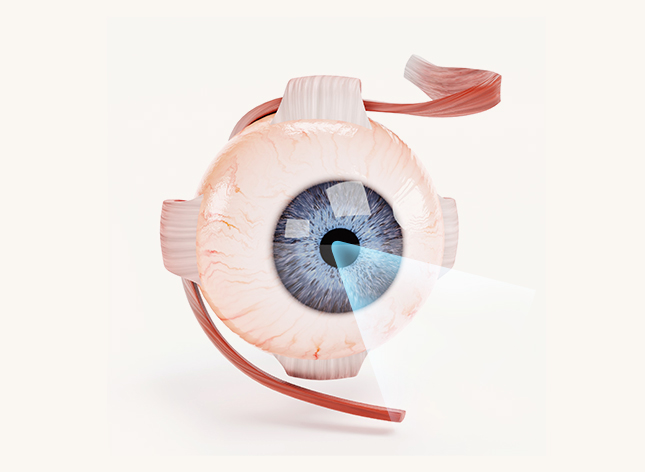
Epiphora simply means tears spilling over the lid onto the cheek. If you are searching for watery eyes treatment Seoul because tissues have become part of your daily routine, it helps to know that every cause falls into one of two buckets. Overproduction happens when the eye surface is irritated: dry eye and meibomian gland dysfunction (the oil glands along the lid margin), blepharitis, allergic conjunctivitis, an in-turning lash (trichiasis or entropion), a scratch or a foreign body. Under-drainage happens when tears cannot leave the eye: a tight or scarred punctum (the tiny opening at the inner corner of each lid), a blocked canaliculus, or a blocked nasolacrimal duct — the channel that carries tears into the nose, which is why your nose runs when you cry.
Two other mechanisms are easy to miss. A lax lower eyelid (ectropion, or simply age-related laxity) stops the lid from acting as a pump, so tears pool even though the duct is open. And conjunctivochalasis — loose, redundant conjunctiva lying along the lower lid — can physically block the tear lake from reaching the punctum. Many expats in Yeongdeungpo and Gasan notice the problem first in winter, when cold wind outdoors and dry heated air indoors combine to push an already borderline eye into reflex tearing.
Q. What are the symptoms and signs that point to a specific cause?
- Tearing that is worse in wind, cold or while reading/screens, with burning or grittiness — suggests dry eye or lid-margin disease driving reflex tears.
- Constant tearing in one eye, even indoors, with tears running down the cheek — suggests a drainage blockage on that side.
- Sticky discharge, crusting in the morning or a recurring tender lump beside the nose — suggests a blocked duct with infection of the tear sac (dacryocystitis).
- Itching, both eyes, seasonal pattern (Seoul spring pollen and yellow dust days) — suggests allergic conjunctivitis.
- Blurry vision that clears after blinking — excess tears or an unstable tear film smearing the optical surface.
- A lid that sags away from the eye or lashes that rub the cornea — eyelid malposition.
Key facts about watery eyes
▸ The eye normally produces only about 1–2 microlitres of basal tears per minute, so even a partial drainage blockage can be enough to cause overflow.
▸ Congenital nasolacrimal duct obstruction is common in infants; published estimates range from roughly 6% to 20% of newborns.
▸ Around 90% of these infant blockages open on their own by the first birthday, which is why doctors usually start with massage and observation.
▸ For adults with a confirmed duct blockage, published success rates for dacryocystorhinostomy (DCR) are generally around 90% or higher in experienced hands.
Q. How are watery eyes treated in Seoul?
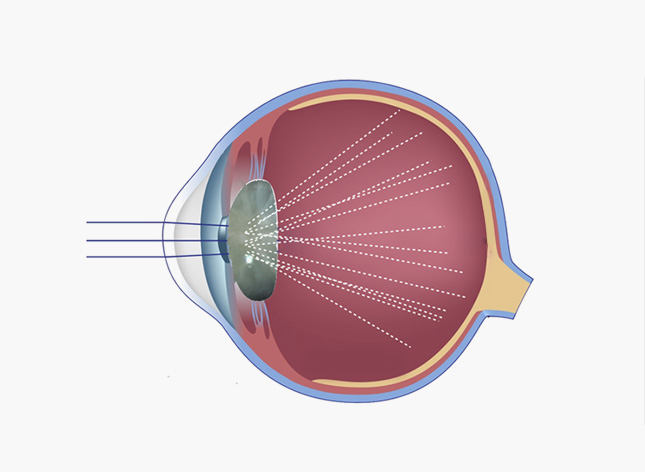
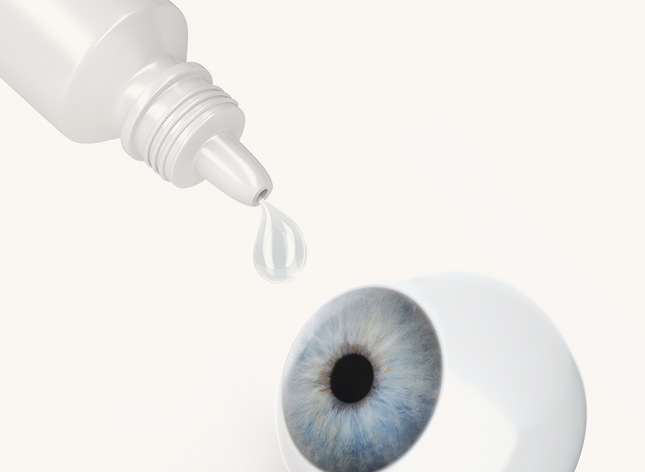
Treatment follows the cause. If reflex tearing from dry eye or meibomian gland dysfunction is the driver, the goal is to calm the surface: warm compresses and lid hygiene, preservative-free lubricants, prescription anti-inflammatory drops where appropriate, and in-office meibomian gland treatments for stubborn cases. Allergy-driven tearing responds to antihistamine/mast-cell stabiliser drops and avoiding rubbing. Lashes rubbing the eye can be removed, and a turned-in or turned-out lid can be corrected with a short eyelid procedure.
If the drainage system is the problem, the work-up gets more specific. A narrowed punctum can be opened with a minor in-office punctoplasty. A partial blockage may improve with silicone intubation. A complete nasolacrimal duct obstruction in adults usually needs dacryocystorhinostomy (DCR), which creates a new route from the tear sac into the nose — performed either through a small skin incision (external) or through the nose (endoscopic), typically by an oculoplastic or lacrimal specialist. Infants are managed differently: lacrimal sac massage first, then probing if tearing persists. Antibiotics treat an infected tear sac but do not open the blockage.
Q. How do expats get a watery eye exam in Korea — booking, insurance and what to bring?
Booking: In Korea you can see an ophthalmologist directly without a GP referral. Book through Naver Booking and note “English consultation” and “watery eyes” in the request. What to bring: your ARC (or passport if you are visiting), a list of current eye drops and medications, any previous eye records or surgery reports (including LASIK/LASEK), and a phone photo of your eye on a bad day if the tearing comes and goes. Insurance: foreign residents enrolled in Korea’s National Health Insurance (NHIS) generally pay the standard co-payment for medically necessary tests such as tear-duct irrigation; visitors and those not enrolled pay self-pay, and private travel or expat insurance may reimburse with an itemised receipt (ask for an English receipt and diagnosis code). Ask the clinic for a current quote for any self-pay item. Visit flow: vision check and auto-refraction, slit-lamp examination of the lids, puncta and tear film, fluorescein staining, and a lacrimal irrigation test if a blockage is suspected — usually completed in one visit, with the doctor explaining results in English. Guro-gu is a short subway ride from Gasan Digital Complex, Yeongdeungpo and Gwanak (Sillim/Seoul Nat’l Univ. area).
Q. When should I see a doctor in Seoul for watery eyes?
Book promptly — or go same day — if tearing comes with any of the following:
- A red, swollen, painful lump at the inner corner of the eye near the nose (possible acute dacryocystitis).
- Pus or thick discharge that keeps returning after it is wiped away.
- Eye pain, light sensitivity or a sudden drop in vision.
- Tearing after an injury, chemical splash or contact-lens overnight wear.
- Bloody tears, or a firm lump along the side of the nose.
- A baby whose eye is red, swollen or discharging pus, or whose tearing has not settled by around 12 months.
- New tearing with a facial droop or inability to close the eye fully.
Q. What happens during a watery eyes work-up, step by step?
1 · Surface check
Slit-lamp exam of tear meniscus height, tear break-up time with fluorescein, lid margins and meibomian glands, lash position and signs of allergy. This identifies overproduction causes such as dry eye and blepharitis.
2 · Drainage check
Inspection of each punctum and lid tension, a fluorescein dye disappearance check, and lacrimal irrigation: a few drops of saline through a blunt cannula. If you taste salt, the system is at least partly open; reflux tells the doctor where the blockage is.
3 · Plan & follow-up
Surface causes are treated first and reviewed in a few weeks. Confirmed duct blockages, eyelid malposition or suspected masses are referred for oculoplastic surgery or imaging, with English referral notes.
Dr. Daniel Baik’s clinical tip
“Before you visit, notice when the tears appear and which side. Tearing in both eyes that is worse outdoors, on screens or in heated rooms is usually reflex tearing from a dry, irritated surface — and adding more antihistamine or decongestant drops can make it worse. Tearing from one eye, all day, indoors and out, points toward the drainage system. Also, don’t press on the corner of your eye repeatedly to ‘clear’ it if there is a tender lump there; let us check it, because an infected tear sac needs proper treatment.” — Dr. Daniel Baik, board-certified ophthalmologist, Nunehim Eye Center
❓ Frequently Asked Questions
Q. How can my eyes be watery if I have dry eye?
When the tear film is unstable, the corneal nerves sense dryness and trigger a burst of reflex tears from the main lacrimal gland. These reflex tears are watery and lack the oil layer that keeps them on the eye, so they spill over quickly while the surface stays irritated. Treating the dryness, often with lid care and lubricants, is what stops the overflow.
Q. Is tear-duct irrigation painful?
Most patients describe it as pressure and a cold, salty taste rather than pain. An anaesthetic drop is used first, and the test takes only a few minutes. It tells the doctor whether the system is open, narrowed or blocked, and roughly where.
Q. Can a blocked tear duct clear by itself in adults?
A partial blockage linked to a recent infection or sinus inflammation sometimes improves, but a complete, long-standing adult nasolacrimal duct obstruction rarely reopens on its own. If tearing is mild you may choose to observe; if it is constant or infections recur, DCR is the definitive treatment.
Q. My baby’s eye waters all the time — what should I do?
Congenital tear duct blockage is common and most cases resolve within the first year. Your doctor can show you how to do gentle lacrimal sac massage and will want to see the baby if there is redness, swelling, pus, light sensitivity or a cloudy cornea, or if tearing persists toward the first birthday.
Q. Can LASIK or LASEK cause watery eyes?
Refractive surgery can temporarily reduce corneal sensation and tear stability, which some patients feel as dryness with reflex tearing during the first months. This usually settles; bring your surgery records so the doctor can match the timing and treat the surface appropriately.
Q. Are watery eyes covered by Korean health insurance for foreigners?
Medically necessary examinations and procedures for tearing are generally covered for people enrolled in the National Health Insurance Service, with a co-payment. If you are not enrolled, you pay self-pay. Ask the clinic for a current quote and an itemised English receipt for private insurers.
Q. Where can I get watery eyes treatment near Guro, Gasan, Yeongdeungpo or Gwanak?
Nunehim Eye Center in Guro-gu offers English consultations for tearing, dry eye and eyelid problems, and is convenient from Gasan Digital Complex, Yeongdeungpo and Gwanak. You can book online through Naver Booking.

Related reading
- Winter Heating and Dry Eyes in Seoul: Evaporative Dry Eye, MGD, and When Artificial Tears Are Not Enough
- Blepharitis in Seoul: Itchy, Crusty Eyelids, Dry Eye and Demodex Explained
- IPL for Dry Eye: How Many Sessions, How Long It Lasts, and What the Evidence Shows
Book a Consultation
Tired of wiping your eyes all day? Get the cause of your watery eyes identified in one English-language visit in Guro — close to Gasan, Yeongdeungpo and Gwanak.
or visit nunehim.com
📍 Visit Nunehim Eye Center — Guro, Seoul
Convenient access from Guro, Gasan, Gwanak, Yeongdeungpo and Dongjak. Near Guro Digital Complex Station (Line 2), with easy connections from Gasan Digital Complex and Yeongdeungpo.
Address
551 Siheung-daero, Guro-gu, Seoul
nunehim.com
Hours
Mon–Fri 09:00–18:30 (lunch 13:00–14:00)
Sat 09:00–14:00
Languages
Korean & English consultations


Leave a Reply