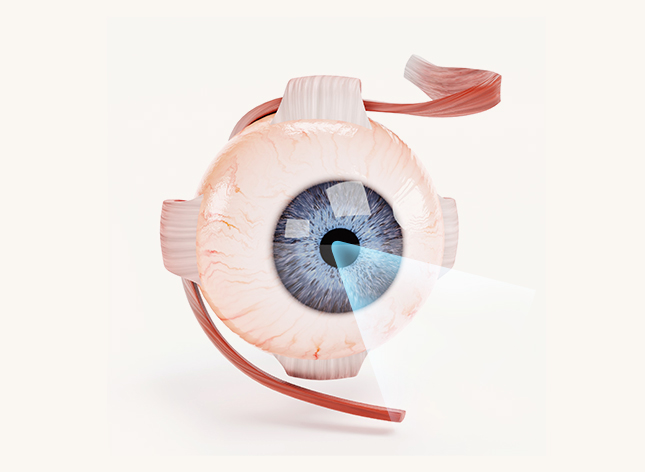
Eye Nutrition Vitamins Seoul: Do Lutein Supplements Really Work? An Expat Guide to AREDS2, Omega-3 & Diet
What the evidence says, what Korean pharmacy “eye vitamins” can and cannot do, and when a retinal check matters more — from Nunehim Eye Center in Guro, serving Yeongdeungpo, Gasan & Gwanak
Quick Answer
For eye nutrition vitamins in Seoul, the only supplement with strong clinical-trial evidence is the AREDS2 formula (vitamin C, vitamin E, zinc, copper, lutein and zeaxanthin) — and it helps a specific group: people who already have intermediate age-related macular degeneration (AMD) or advanced AMD in one eye. For everyone else, a diet rich in leafy greens, eggs, colourful vegetables and oily fish, not smoking, and a regular dilated eye exam do more than any pill. Lutein will not fix screen fatigue, reverse myopia or replace an eye check. If you live or work in Guro, Gasan, Yeongdeungpo or Gwanak, a 20–30 minute retinal exam tells you whether a supplement is actually worth buying.
Q. What is eye nutrition, and which vitamins actually matter for your eyes?
“Eye nutrition” refers to the vitamins, minerals and plant pigments your retina and ocular surface need to work and to resist age-related damage. Expats searching for eye nutrition vitamins in Seoul are usually facing a wall of lutein boxes in every Olive Young and pharmacy, often with bold claims about screens and “eye fatigue.” The science is narrower. The nutrients with real evidence are lutein and zeaxanthin (yellow carotenoids concentrated in the macula, where they filter blue light and act as antioxidants), zinc (used by retinal enzymes), vitamins C and E (antioxidants), vitamin A (essential for the light-sensing pigment rhodopsin), and omega-3 fatty acids DHA and EPA (structural fats in photoreceptor membranes).
Most of these are easy to get from a normal Korean diet. The question is not “which vitamin is best for eyes” but “does my eye have a condition where extra supplementation is proven to help?” That can only be answered by looking at your retina. If you want an English-speaking eye exam before deciding, Nunehim Eye Center in Guro-gu sees patients from Yeongdeungpo, Gasan Digital Complex and Gwanak in both Korean and English.
Q. What are the signs that your eyes might need more than diet alone?
Nutritional problems rarely announce themselves early, and the conditions that supplements target — mainly AMD — are often silent in the first stages. Signs worth an examination include:
- Straight lines (door frames, tiles, text) looking wavy or bent in one eye — a classic macular warning sign
- A blurry or greyish patch in the centre of vision, noticed most when reading or recognising faces
- Needing much more light to read than you used to, or slower adjustment when walking from a bright street into a dim restaurant
- New difficulty seeing at night, especially after bariatric surgery, long-term restrictive diets or bowel disease that affects fat absorption (possible vitamin A deficiency)
- Persistent gritty, burning dry eyes despite drops — a sign to examine the eyelid oil glands rather than simply buy omega-3
- A family history of macular degeneration, or being a current or former smoker over age 50
📊 What the Major Studies Actually Show
▸ AREDS (2001): high-dose antioxidants plus zinc reduced the risk of progressing to advanced AMD by about 25% over five years — in people who already had intermediate AMD or advanced AMD in one eye.
▸ AREDS2 (2013): lutein 10 mg + zeaxanthin 2 mg replaced beta-carotene, which was linked to a higher lung-cancer risk in former smokers; adding omega-3 gave no extra benefit for AMD.
▸ AREDS2 10-year follow-up (2022): the lutein/zeaxanthin version performed better than the beta-carotene version for slowing progression to late AMD.
▸ DREAM trial (2018): in 535 people with moderate-to-severe dry eye, 3,000 mg/day of omega-3 for 12 months was no better than an olive-oil placebo.
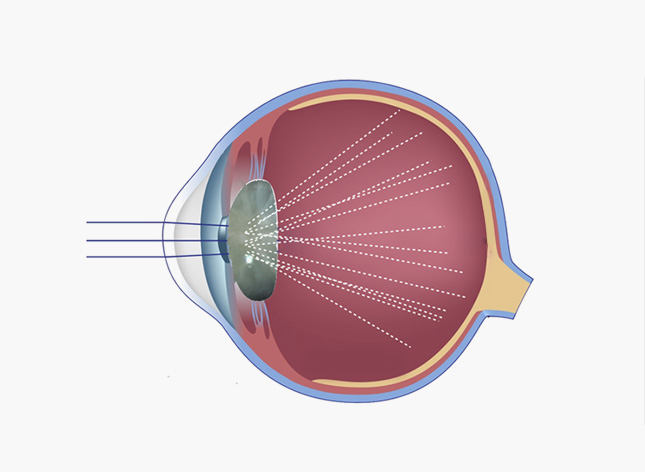
Q. Which supplements are worth taking — and for whom?
If you have intermediate AMD (many medium drusen or one large drusen) or advanced AMD in one eye, an AREDS2-type formula is the evidence-based choice: vitamin C 500 mg, vitamin E 400 IU, zinc 80 mg (or 25 mg in the low-zinc option), copper 2 mg, lutein 10 mg and zeaxanthin 2 mg daily. Copper is included because high-dose zinc can cause copper deficiency. These are not the same as most single-ingredient lutein products sold in Korea, which usually contain lutein alone in a smaller dose.
If your retina is healthy or shows only early changes, there is no trial evidence that AREDS supplements prevent AMD from starting. Food-based lutein from spinach, perilla leaves (깻잎), kale and egg yolks is a reasonable, inexpensive strategy. For dry eye, treat the cause — meibomian gland dysfunction, screen blinking habits, contact lens over-wear — rather than relying on fish-oil capsules. For children, no vitamin slows myopia; daily outdoor time and, where indicated, myopia-control treatments such as OK lenses are what work.
Q. How do expats get an eye-nutrition check in Seoul?
Booking: reserve through Naver Booking (English names work fine) or ask for an English consultation; walk-ins are possible but weekday mornings and Saturdays are busiest for clinics near Guro Digital Complex, Gasan and Yeongdeungpo. What to bring: your passport or ARC, your current glasses or contact-lens prescription, a photo of the supplement labels you take, and any previous retinal reports or OCT images from home.
Insurance: if you are enrolled in Korea’s National Health Insurance (most long-term residents are), medically indicated tests for a suspected eye disease are generally partly covered, while supplements and purely elective screening are self-pay. Ask the clinic for a current quote before testing. Visit flow: vision and pressure check, a quick scan or photo of the retina, dilation if needed (bring sunglasses; avoid driving for a few hours), then a discussion in English of whether any supplement makes sense for you. Patients from Gwanak and Yeongdeungpo typically find the whole visit fits into a lunch-plus-afternoon slot.
Q. When should I see a doctor in Seoul?
Do not wait to “try vitamins first” if you notice any of the following. Same-week examination is advised in Guro, Gasan, Yeongdeungpo or Gwanak — or an emergency department after hours:
- Sudden distortion, a dark spot or loss of central vision in one eye (possible wet AMD — treatment works best when started early)
- A shower of new floaters, flashes of light, or a curtain over part of your vision
- New night blindness, especially after weight-loss surgery or with chronic diarrhoea
- Eye pain, redness and light sensitivity that are getting worse
- Blurry vision together with headache or high blood sugar readings
Q. What should I take at each stage — healthy eyes, early AMD, intermediate AMD?
🥬 Healthy Retina
Focus on food: two to three servings of leafy greens a week, eggs, colourful vegetables, and oily fish such as mackerel (고등어) twice a week. Don’t smoke, wear UV-blocking sunglasses outdoors, and get an eye exam every 1–2 years after 40. A supplement is optional, not necessary.
🔎 Early AMD
A few small-to-medium drusen. Evidence does not show AREDS supplements slow this stage, so diet, not smoking and monitoring are the priority. An Amsler grid at home and a scan every 12 months, or sooner if symptoms change, are sensible.
💊 Intermediate+ AMD
Large drusen or advanced AMD in one eye. This is where the AREDS2 formula is recommended. Choose a product that matches the trial doses, avoid beta-carotene if you smoke or used to, and keep regular retinal follow-up.
A Note from Dr. Daniel Baik
“Before you buy a lutein product at a Korean pharmacy, turn the box over and check two things: the daily lutein dose in milligrams, and whether it also contains zinc, vitamin C and E. A lutein-only capsule is not an AREDS2 formula, and an AREDS2 formula is only proven for people with intermediate AMD found on examination. If you smoke or used to smoke, avoid any eye supplement containing beta-carotene. My practical advice: get your macula scanned once, then decide — many patients find they need a better diet and a pair of sunglasses, not another bottle of pills.”
— Dr. Daniel Baik, board-certified ophthalmologist, Nunehim Eye Center
❓ Frequently Asked Questions
Q. Should I take lutein if I stare at screens all day?
Lutein does not treat digital eye strain. Screen fatigue comes mainly from reduced blinking, uncorrected refractive error and focusing effort. The 20-20-20 rule (every 20 minutes, look 20 feet away for 20 seconds), correct glasses and treating dry eye help far more. Lutein is safe at usual doses, but it is not a fix for tired eyes after a day in a Gasan or Yeongdeungpo office.
Q. Can eye vitamins improve my eyesight or reverse myopia?
No. Supplements cannot change the eye’s focusing power, so they will not reduce your glasses prescription or reverse nearsightedness. Vision correction requires glasses, contact lenses, OK lenses or refractive surgery such as TransPRK, depending on your eyes.
Q. Are Korean pharmacy lutein products the same as AREDS2?
Usually not. Many Korean products contain lutein (often from marigold extract) alone, sometimes with vitamin A or bilberry. AREDS2 combines lutein 10 mg and zeaxanthin 2 mg with vitamin C, vitamin E, zinc and copper at specific doses. If your doctor recommends AREDS2, compare the label line by line or bring the box to your appointment.
Q. Do omega-3 supplements help dry eye?
The large DREAM trial found that omega-3 capsules were no better than placebo for moderate-to-severe dry eye. Some people still feel better on them, and eating oily fish is healthy, but evaluation of the eyelid oil glands and targeted treatment are more reliable than fish oil alone.
Q. Is it safe to combine eye supplements with my other medicines?
Generally yes at standard doses, but check first if you take blood thinners (vitamin E and fish oil may add to bleeding tendency), are pregnant or planning pregnancy (avoid high-dose vitamin A), have kidney disease, or already take a multivitamin with zinc. Bring a list of everything you take to your eye or family doctor.
Q. What should children eat for healthy eyes — and does it prevent myopia?
A balanced diet with vegetables, fruit, eggs and fish supports normal eye development, but no food or vitamin has been shown to prevent myopia. Spending time outdoors in daylight is the best-supported protective habit, and regular eye checks catch progressing myopia early so control options can be discussed.
Q. Do I need an eye exam before starting supplements?
Yes, ideally. Whether an AREDS2 formula is worth taking depends on what your macula looks like, which needs a dilated exam or retinal scan. Patients from Guro, Gwanak, Gasan and Yeongdeungpo can book an English consultation at Nunehim Eye Center to find out which category they are in.

📚 Related reading
- OCT Eye Scan in Seoul: What It Shows, What It Cannot, and When You Need One
- Age-Related Eye Diseases: The Complete Prevention Guide for Over-40s in Seoul
- Warm Compresses for Dry Eye: How Hot, How Long, and How Often?
Book a Consultation
Not sure whether you need eye vitamins at all? Get a retinal check and an honest answer in English — minutes from Guro, Gasan, Yeongdeungpo and Gwanak.
📍 Visit Nunehim Eye Center — Guro, Seoul
Convenient access from Guro, Gasan, Gwanak, Yeongdeungpo & Dongjak. Near Guro Digital Complex Station (Line 2).
Address
551 Siheung-daero, Guro-gu, Seoul
nunehim.com
Hours
Mon–Fri 09:00–18:30 (lunch 13:00–14:00)
Sat 09:00–14:00
Languages
Korean & English consultations


Leave a Reply