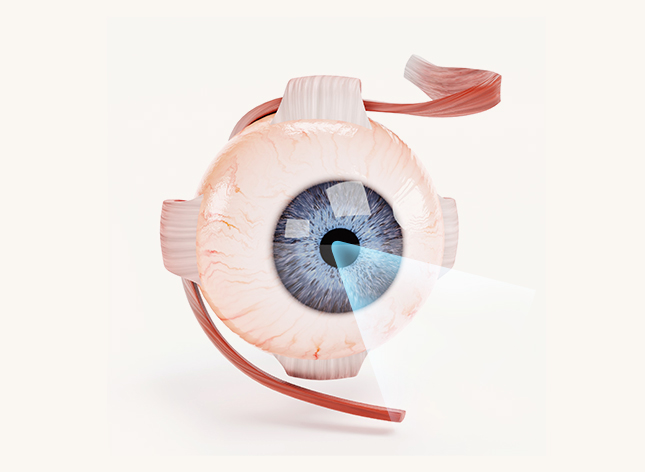
Night Driving Glare After 40? Night Vision Problems Causes Seoul — What Is Normal and What to Check
An English-speaking eye doctor’s guide for expats in Guro, Yeongdeungpo, Gasan and Gwanak: pupils, lenses, “night glasses” and the tests that matter
Quick Answer
The most common night vision problems causes Seoul searches come from people over 40 who notice more headlight glare, slower adjustment to the dark and blurrier signs at night. Some of this is normal aging: pupils get smaller and the natural lens scatters more light. But glare that is worse in one eye, halos that keep growing, or night blur that glasses don’t fix usually has a treatable cause — early cataract, uncorrected astigmatism or “night myopia,” dry eye, or less often glaucoma or a retinal problem. Yellow “night-driving glasses” do not fix any of these. A full eye exam with an English-speaking ophthalmologist in Guro, close to Yeongdeungpo, Gasan and Gwanak, can separate normal from treatable in a single visit.
Q. What causes night vision problems after 40, and how much is normal?
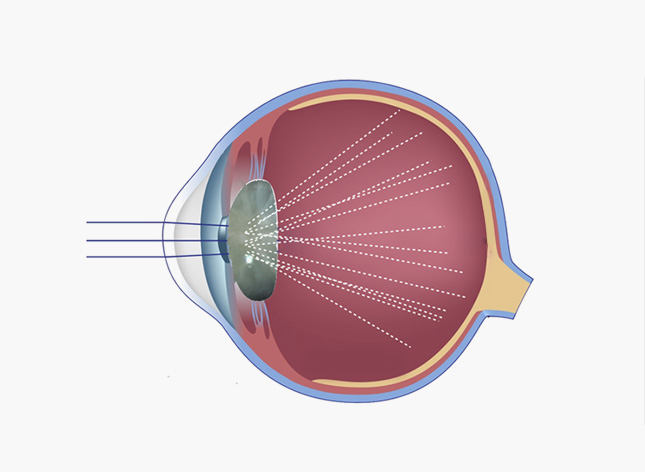
Night vision problems causes Seoul patients ask about fall into two groups: expected age changes and fixable eye conditions. Expected changes include senile miosis (the pupil gets smaller with age, so less light reaches the retina), slower rod-driven dark adaptation, and gradual yellowing and stiffening of the crystalline lens, which scatters oncoming headlights into a soft glare. Most people in their 40s and 50s notice that dim restaurants, underground parking garages and wet roads at night feel harder than they used to. If you want the clinic overview first, see Nunehim Eye Center at nunehim.com.
The fixable causes are just as common. At night the pupil dilates, so small refractive errors that are hidden in daylight suddenly matter: a quarter- to half-diopter of uncorrected astigmatism or a mild “night myopia” shift can make streetlights streak and signs blur. Dry eye — very common among office workers in Gasan Digital Complex and Yeongdeungpo who stare at screens all day — leaves an uneven tear film that scatters light more by evening. Early nuclear or posterior subcapsular cataract, glaucoma, diabetic retinopathy and inherited retinal disease are less common but are exactly the conditions an exam is designed to catch early.
Q. What are the signs that night vision problems are more than normal aging?
- Glare or starbursts that are clearly worse in one eye when you cover each eye in turn
- Halos around lights that have increased over months, especially with a recent change in glasses prescription
- Needing much more light to read menus or your phone than friends of the same age
- Taking several minutes to see after walking from a bright subway platform into a dark street
- Bumping into things at the edges of your vision in dim places (possible field loss)
- Night blur that improves when you blink hard or use artificial tears (suggests dry eye)
- Difficulty seeing in the dark that began in childhood or runs in the family
📊 Night vision by the numbers
- ▸ Because the pupil shrinks and the lens yellows with age, the retina of a typical 60-year-old receives only about one-third of the light that reaches a 20-year-old’s retina in the same conditions.
- ▸ A 2019 JAMA Ophthalmology driving-simulator study found that yellow-tinted “night-driving” lenses did not improve pedestrian detection or reduce the effect of headlight glare.
- ▸ Cataract surgery has consistently ranked as the most frequently performed operation in Korea’s National Health Insurance Service major-surgery statistics.
- ▸ The WHO World Report on Vision estimates that at least 2.2 billion people worldwide live with near or distance vision impairment.
Q. Do yellow night-driving glasses help — and what actually improves night vision?
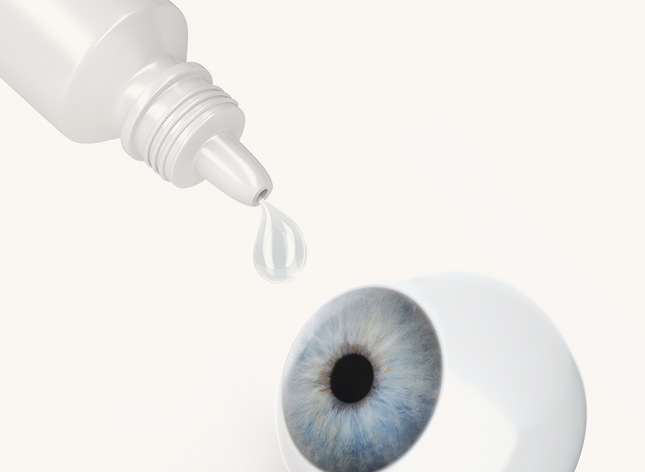
Yellow or amber “night glasses” are sold widely online and at Korean optical shops, but tinting a lens removes light — the one thing an aging eye at night already lacks. Controlled studies have not shown a safety benefit, so we do not recommend them for driving. What does help depends on the cause: an updated prescription measured carefully (including small astigmatism), a high-quality anti-reflective coating, keeping both sides of the windshield and your headlights clean, and treating dry eye with tear supplements, warm compresses or punctal plugs where appropriate.
When an early cataract is the cause, the decision is about function, not a number on a chart: if glare is affecting night driving or work despite a good prescription, cataract surgery with a monofocal or extended-depth-of-focus lens can restore contrast. Glaucoma and retinal causes are managed with drops, laser or retinal treatment. Patients who previously had LASIK or LASEK and now notice night halos should mention it — corneal optics after refractive surgery change how glare is assessed.
Q. How do expats get an eye exam for night vision problems in Seoul?
Booking is simple: reserve a slot on Naver Booking, or message the clinic on KakaoTalk in English — our Kakao channel accepts English chat for questions, scheduling and directions. No referral is needed to see an ophthalmologist at a Korean eye clinic. Bring your passport or Alien Registration Card (ARC), your current glasses and contact lens details, and any previous eye records or surgery reports from home (photos on your phone are fine). If you are enrolled in Korea’s National Health Insurance, a symptom-based eye exam is generally covered with the usual co-payment; tourists and those without NHIS pay out-of-pocket, so ask the clinic for a current quote and request an itemized receipt and English medical certificate if you plan to claim on travel or private insurance.
Plan on 60–90 minutes if pupil dilation is needed for a retina check. Dilated pupils make you light-sensitive and blur near vision for several hours, so don’t drive yourself — take the subway or a taxi from Yeongdeungpo, Gwanak or Gasan instead. Dr. Daniel Baik consults in both Korean and English, so results and options are explained directly, without an interpreter.
Q. When should I see a doctor in Seoul?
Book promptly — and go the same day for the first three — if you notice:
- Sudden loss or dimming of vision in one eye, or a dark curtain across your vision
- A sudden shower of new floaters or flashing lights, especially in the dark
- Halos around lights together with eye pain, red eye, headache or nausea (possible acute angle-closure glaucoma)
- Night vision that has worsened noticeably within weeks
- Glare that makes you avoid driving at night or misjudge pedestrians
- Diabetes and no dilated retina exam in the past year
- Night blindness that runs in your family
Q. Which tests find the cause of night vision problems?
Step 1 · History & refraction
When the glare started, whether one eye is worse, screen hours, diabetes and medications. Visual acuity and a careful refraction to detect small astigmatism or myopia that only matters with a large night-time pupil.
Step 2 · Front of the eye
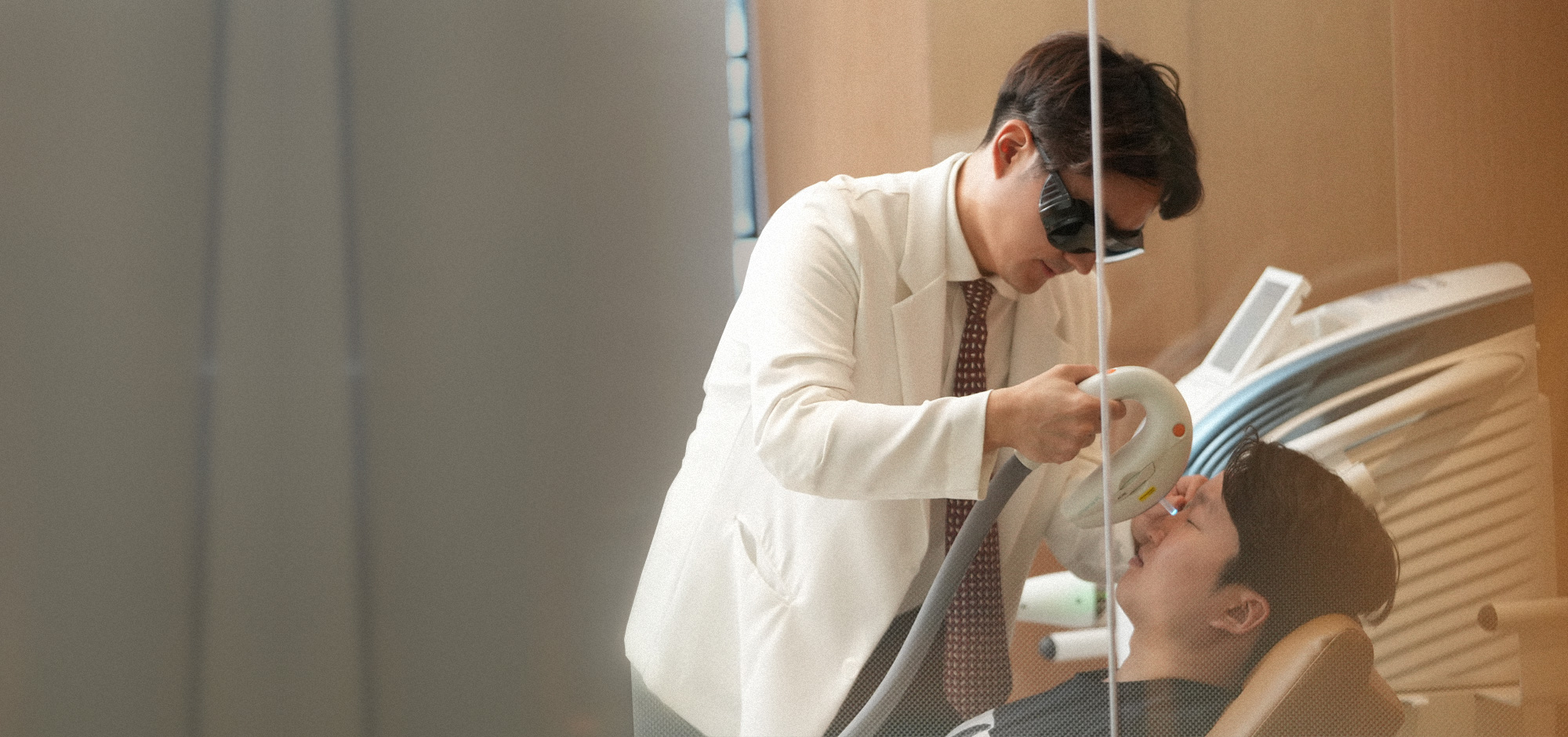
Slit-lamp microscopy to grade early cataract (nuclear, cortical or posterior subcapsular), tear break-up time and staining for dry eye, corneal shape if you had LASIK/LASEK, and eye pressure for glaucoma.
Step 3 · Back of the eye
Dilated fundus exam and, where indicated, OCT of the macula and optic nerve or a visual field test, to rule out glaucoma, diabetic retinopathy, macular disease or inherited retinal conditions.
A doctor’s practical tip — Dr. Daniel Baik, board-certified ophthalmologist
“Try this before your appointment: on a dark street, cover one eye and look at a streetlight, then switch. If the starburst or haze is clearly bigger in one eye, that asymmetry points to a structural cause such as an early cataract, not normal aging — tell us which eye. And bring the glasses you actually drive in. I often find a small uncorrected astigmatism of 0.5 to 0.75 diopters that is invisible on a daytime chart but becomes a smeared headlight at night, when the pupil opens. Fixing that costs far less than any pair of yellow ‘night glasses.’”
❓ Frequently Asked Questions
Q. Is it normal for night vision to get worse after 40?
Some decline is normal: smaller pupils, slower dark adaptation and lens yellowing all reduce night performance. What is not normal is rapid change, one eye much worse than the other, or glare that stops you driving — those deserve an exam.
Q. Can new glasses fix night vision problems?
Often, yes. Small amounts of astigmatism or night myopia are magnified when the pupil dilates in the dark. An accurate refraction plus an anti-reflective coating fixes a large share of night-driving complaints without any procedure.
Q. Are yellow night-driving glasses safe?
They are not recommended for driving. Tinted lenses reduce the total light reaching the eye, and simulator research has shown no improvement in seeing pedestrians or coping with glare.
Q. Is night glare a sign of cataract?
It can be one of the earliest signs, particularly with posterior subcapsular cataract, which may cause glare well before daytime acuity drops. A slit-lamp exam confirms it.
Q. Can dry eye cause blurry vision at night?
Yes. An unstable tear film scatters light and blur often worsens by evening after long screen days. If blinking or artificial tears briefly clears your vision, dry eye is a likely contributor.
Q. Do I need an appointment and a referral as a foreigner in Seoul?
No referral is needed for an eye clinic. Book on Naver or message the clinic on KakaoTalk in English, and bring your passport or ARC and current glasses.
Q. Will I be able to drive home after the exam?
If your pupils are dilated, no — vision stays blurry and light-sensitive for several hours. Use public transport from Guro, Gasan, Yeongdeungpo or Gwanak, or bring someone to drive.

Related reading
- Night Vision Problems After 40 in Seoul: Cataract, Dry Eye or Something Else?
- When Should You Have Cataract Surgery? Timing and Night Driving
- Reading Glasses at 40? Early Presbyopia Signs and Add Power by Age
Book a Consultation
Struggling with glare or blur after dark? Get a full night-vision work-up in English at our Guro clinic — minutes from Yeongdeungpo, Gasan and Gwanak.
Or visit nunehim.com
📍 Visit Nunehim Eye Center — Guro, Seoul
Convenient access from Guro, Gasan, Gwanak, Yeongdeungpo and Dongjak. Near Guro Digital Complex Station (Line 2), with easy subway and bus connections from Gasan Digital Complex and Yeongdeungpo.
Address
551 Siheung-daero, Guro-gu, Seoul
nunehim.com
Hours
Mon–Fri 09:00–18:30 (lunch 13:00–14:00)
Sat 09:00–14:00
Languages
Korean & English consultations


Leave a Reply