Medically reviewed by Dr. Jinhag Baik, MD · Last updated September 2026
Cataracts in Seoul: Symptoms, Surgery & What to Expect
A board-certified ophthalmologist’s guide for patients in Guro, Yeongdeungpo, Gasan & Gwanak, Seoul
Quick Answer: Cataract Surgery Seoul
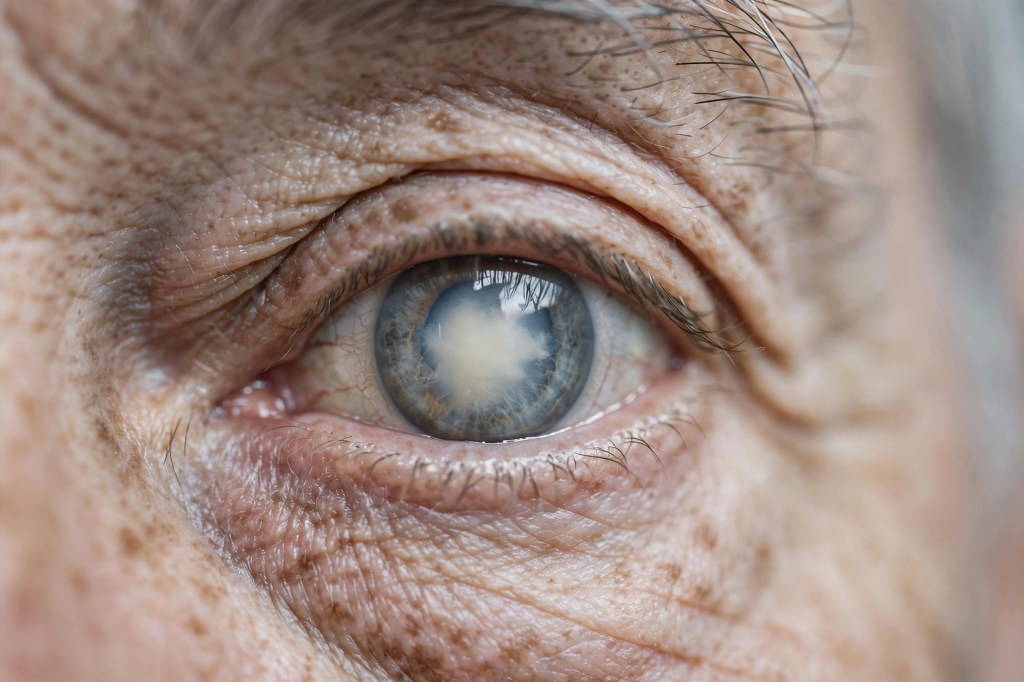
A cataract is a clouding of the eye’s naturally clear lens that causes blurred vision, glare, and faded colors. Cataract surgery Seoul patients undergo today is a quick, same-day outpatient procedure in which the clouded lens is removed and replaced with a clear artificial intraocular lens (IOL), with most people seeing noticeable improvement within days.
Q. What exactly is a cataract?
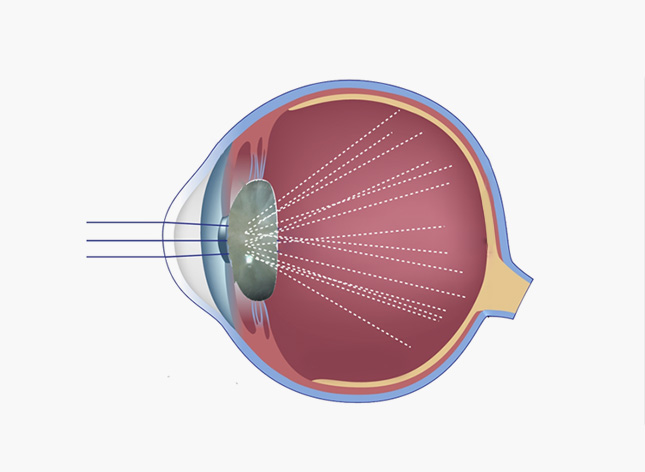
A cataract develops when proteins in the eye’s natural lens clump together over time, causing the lens to become cloudy instead of clear. Because the lens sits directly behind the pupil and focuses light onto the retina, this clouding scatters and blocks light, leading to blurred, dim, or yellow-tinted vision. Cataracts are primarily age-related, though they can also form earlier due to diabetes, prolonged UV exposure, certain medications (such as long-term steroid use), previous eye injury or surgery, or family history.
Cataracts in Korea: what patients in Seoul should know
- ▸ Cataract surgery is consistently one of the most frequently performed surgical procedures among older adults in Korea, according to National Health Insurance Service data.
- ▸ The likelihood of developing a cataract rises sharply with age — by the 70s and 80s, some degree of lens clouding is nearly universal.
- ▸ Koreans with diabetes or high UV exposure (common among those who spend long hours outdoors or driving) may develop cataracts earlier than average.
- ▸ Patients across Guro, Yeongdeungpo, Gasan and Gwanak increasingly seek same-day, small-incision cataract surgery to minimize time away from work and family.
- ▸ An estimated 87.8% of Koreans aged 65+ show some degree of lens opacity (KNHANES survey data).
- ▸ More than 400,000 cataract surgeries are performed in Korea every year.
- ▸ Modern phacoemulsification surgery restores functional vision in over 98% of patients.
Q. What are the treatment options for cataracts?
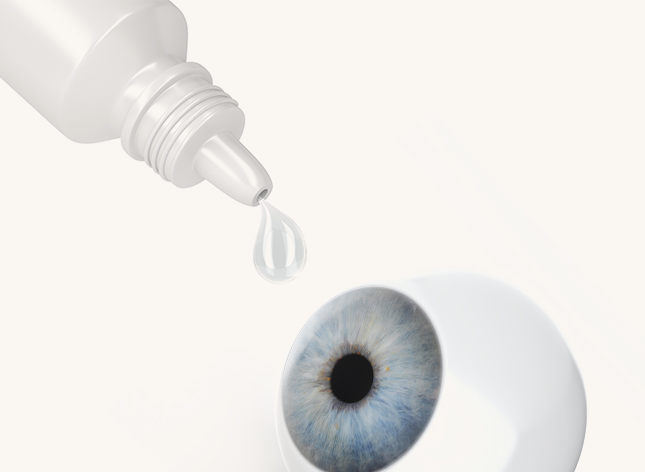
In the early stages, cataracts can often be managed with a stronger glasses prescription or brighter lighting. However, once clouding significantly affects daily activities like reading, driving at night, or recognizing faces, surgery is the only effective treatment — there is no eye drop or medication proven to reverse a cataract.
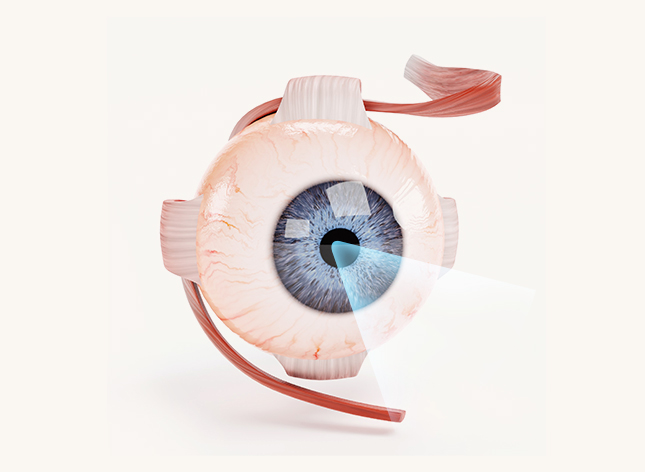
Modern cataract surgery uses phacoemulsification: a small ultrasonic probe gently breaks up the clouded lens through a tiny incision, which is then replaced with a clear intraocular lens (IOL). The procedure is performed on an outpatient basis under local or topical anesthesia.
Q. What can I expect on the day of surgery?
You’ll arrive with numbing eye drops applied, and the surgery itself typically takes 10 to 20 minutes per eye. You remain awake but comfortable throughout. Afterward, you’ll rest briefly at the clinic before going home the same day — you will need someone to accompany you, as vision will be blurry immediately after the procedure.
When to see an ophthalmologist promptly
- Sudden or rapidly worsening blurred vision in one or both eyes
- Increasing glare or halos that make night driving unsafe
- Vision changes that interfere with work, reading, or recognizing faces
Early Stage
Mild blurring, slightly faded colors — often managed with updated glasses.
Moderate Stage
Glare, halos, and difficulty with night driving — surgery is usually recommended.
Advanced Stage
Significant vision loss affecting daily life — surgery should not be delayed.
A note from Dr. Daniel Baik
“Many of my patients in Guro and Yeongdeungpo wait months or even years after noticing blurred vision, assuming it’s simply part of aging. As a board-certified ophthalmologist, I want patients to know that cataract surgery today is quick, safe, and can restore vision within days — there’s no reason to keep living with cloudy sight.”
❓ Frequently Asked Questions
Q. How do I know if I have a cataract?
The most common early signs are blurred or cloudy vision, increased glare or halos around lights at night, colors looking faded or yellowed, and needing frequent changes to your glasses prescription. A dilated eye exam at an ophthalmology clinic is the only reliable way to confirm a cataract.
Q. Is cataract surgery safe?
Yes. Cataract surgery is one of the most commonly performed and safest procedures in modern ophthalmology, with a very high success rate. Most patients in Seoul return home the same day and resume light activities within 24 to 48 hours.
Q. How long does cataract surgery take?
The procedure itself typically takes about 10 to 20 minutes per eye using phacoemulsification (small-incision ultrasound technique), though you should plan for 1 to 2 hours at the clinic including preparation and initial recovery observation.
Q. What type of intraocular lens (IOL) should I choose?
Options range from standard monofocal lenses, which correct vision at one distance, to premium multifocal or extended depth-of-focus (EDOF) lenses that can reduce dependence on glasses for both near and distance vision. Your ophthalmologist will recommend a lens based on your lifestyle, corneal measurements, and any coexisting eye conditions.
Q. Does cataract surgery hurt?
No. The eye is numbed with topical or local anesthetic drops or injections, so patients generally feel little to no pain during surgery, only mild pressure. Some mild grittiness or light sensitivity is normal for a few days afterward.
Q. How long is recovery after cataract surgery?
Most patients notice clearer vision within a few days, with full stabilization over 2 to 4 weeks as the eye heals. Eye drops are used for several weeks to prevent infection and inflammation, and a follow-up visit schedule will be provided.
Q. Can both eyes be treated at the same time?
Cataract surgery is usually performed on one eye first, with the second eye typically scheduled 1 to 2 weeks later. This staged approach allows your surgeon to confirm healing and visual outcome before proceeding with the second eye.
Q. Is there a waiting period for cataract surgery in Korea?
For elective cases, waiting times at private clinics in Seoul are typically short — often within a few weeks of the pre-operative assessment. National Health Insurance covers standard cataract surgery in Korea; premium IOL upgrades are an additional cost.
Q. What happens if cataracts are left untreated?
Vision progressively worsens as the lens becomes more opaque. Eventually, a very dense (‘mature’) cataract can raise intraocular pressure and cause secondary glaucoma. Surgery becomes technically more difficult with very advanced cataracts, so earlier intervention is generally preferred.

Book a Consultation
Concerned about cataracts? Schedule a consultation with Dr. Daniel Baik at Nunehim Eye Center, Guro-gu, Seoul.
Or visit nunehim.com
📍 Visit Nunehim Eye Center — Guro, Seoul
Convenient access from Guro, Gasan, Gwanak & Dongjak. Near Guro Digital Complex Station (Line 2).
Address
551 Siheung-daero, Guro-gu, Seoul
nunehim.com
Hours
Mon–Fri 09:00–18:30 (lunch 13:00–14:00)
Sat 09:00–14:00
Languages
Korean & English
Related guides
- Presbyopia (reading vision loss after 40): causes and options in Seoul
- Best sunglasses for UV protection in Korea (UV400 guide)
About the author: Dr. Jinhag (Daniel) Baik, MD, is an ophthalmologist and the director of Nunehim Eye Clinic in Seoul, Korea (near Guro Digital Complex Station). A former Samsung semiconductor engineer, he welcomes English-speaking patients for vision correction, cataract, and general eye care.


Leave a comment