Medically reviewed by Dr. Jinhag Baik, MD · Last updated September 2026
Macular Degeneration: Early Signs & Treatment Options in Seoul
A board-certified ophthalmologist’s guide for patients in Guro, Yeongdeungpo, Gasan & Gwanak, Seoul
Quick Answer: Macular Degeneration Seoul
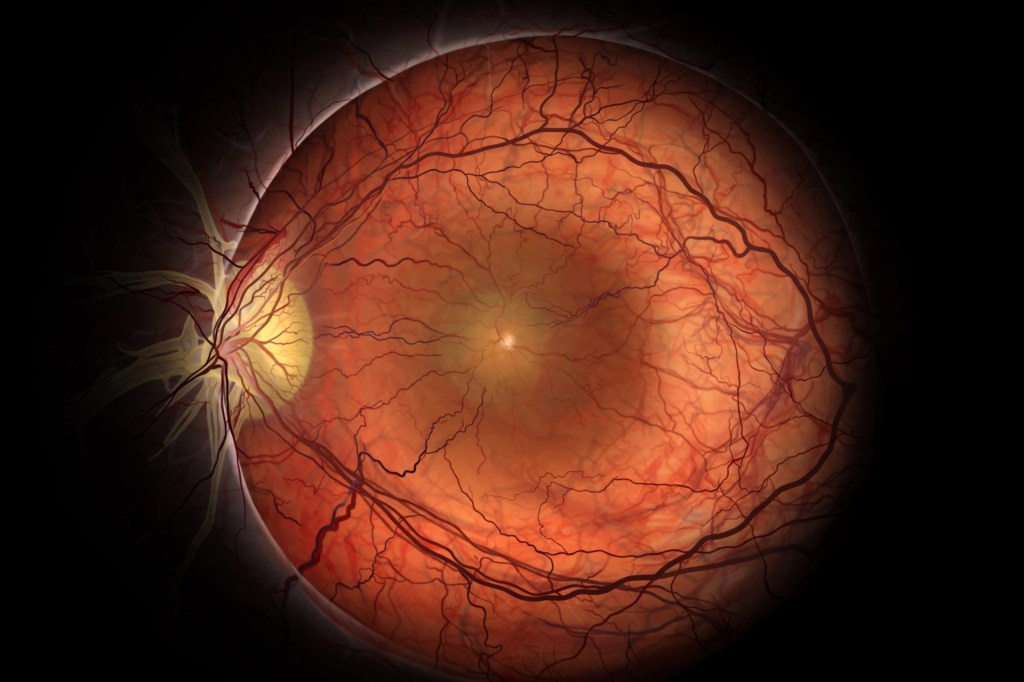
Age-related macular degeneration (AMD) is a progressive condition that damages the macula — the part of the retina responsible for sharp, central vision — causing blurred or distorted central vision while peripheral vision is usually preserved. Patients searching for macular degeneration Seoul care should seek an ophthalmologist for early detection, since prompt treatment, especially for the ‘wet’ form, can significantly slow vision loss.
Q. What is macular degeneration?
Age-related macular degeneration (AMD) occurs when the macula — the central part of the retina responsible for fine detail, reading, and facial recognition — deteriorates over time. It is one of the leading causes of vision loss in adults over 60 worldwide, including in Korea, and comes in two forms: the more common ‘dry’ form, which progresses slowly, and the less common but more sight-threatening ‘wet’ form.
Macular degeneration in Korea: what patients in Seoul should know
- ▸ As Korea’s population ages, AMD is being diagnosed more frequently, particularly in patients over 60 in Seoul’s urban districts.
- ▸ Wet AMD can cause noticeable vision loss within days to weeks, making prompt evaluation essential if you notice sudden distortion.
- ▸ Smoking and cardiovascular disease meaningfully raise AMD risk — both are modifiable factors patients in Guro and Yeongdeungpo can address with their doctor.
- ▸ Patients across Guro, Gasan and Gwanak benefit from regular OCT retinal imaging, which can detect AMD changes before symptoms appear.
- ▸ AMD affects approximately 13.4% of Koreans over age 65, with cases increasing by over 40% in a decade (2023 Korean National Health Insurance study).
- ▸ Population-based KNHANES data found an overall AMD prevalence of about 6.6% among Korean adults, with roughly 0.6% having vision-threatening late-stage disease.
- ▸ The incidence of wet AMD in Korea has more than doubled over the past decade, rising from about 2.8 to 5.8 new cases per 10,000 people per year (2013–2022).
Q. What are the treatment options for macular degeneration?
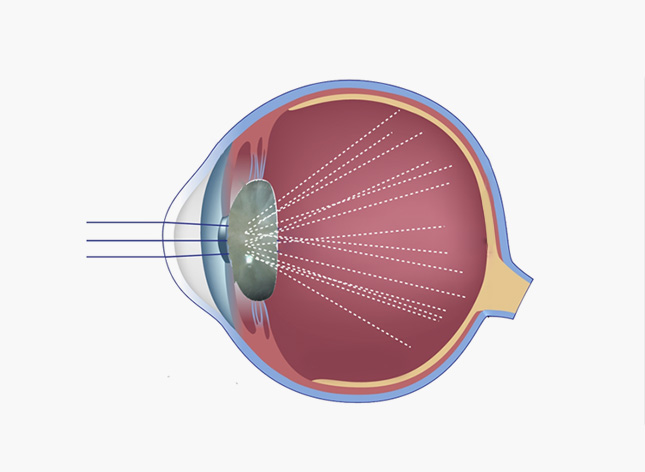
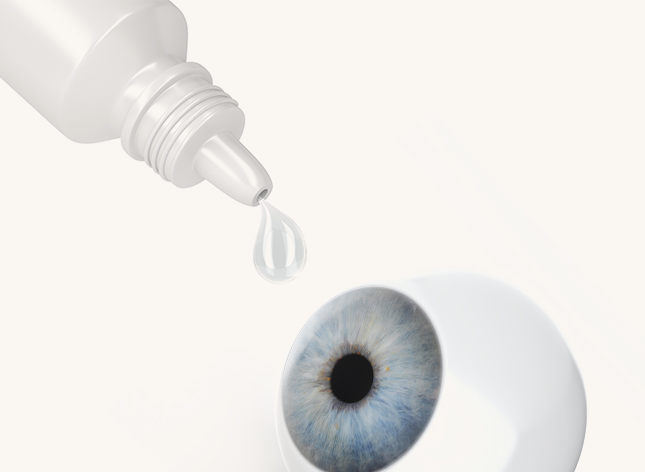
For dry AMD, treatment focuses on slowing progression through AREDS2-formula vitamins, lifestyle changes, and close monitoring, since no therapy currently reverses existing damage. For wet AMD, anti-VEGF injections are the standard of care, directly targeting the abnormal blood vessels causing leakage and swelling under the retina.
Low-vision aids, magnification devices, and adaptive lighting can also help patients with more advanced AMD continue reading and performing daily tasks with remaining vision.
Q. When should I see a doctor in Seoul?
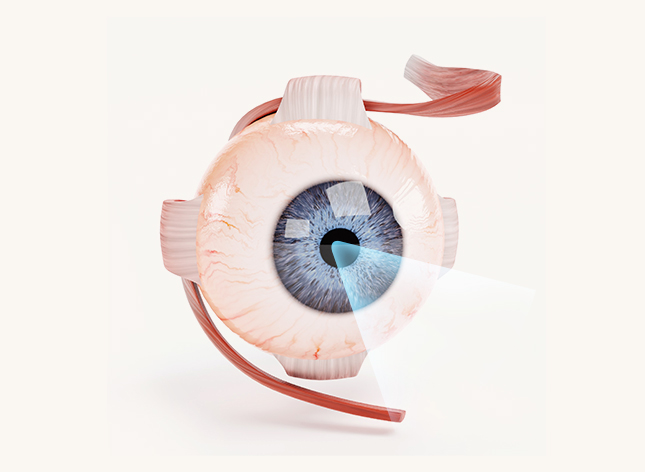
See an ophthalmologist promptly if straight lines appear wavy, if you notice a growing blurry or dark spot in your central vision, or if you have difficulty recognizing faces under normal lighting. Sudden distortion or vision loss should be treated as urgent, since early anti-VEGF treatment for wet AMD is time-sensitive.
Warning signs that need urgent evaluation
- Straight lines (door frames, window blinds) suddenly appearing wavy or bent
- A rapidly growing blurry or dark patch in your central vision
- Sudden drop in vision clarity in one eye, especially if only days old
- Colours appearing less vivid or washed out, or needing much brighter light to read than before
Early / Dry AMD
Mild blurring or slightly distorted vision — monitored with vitamins and regular OCT scans.
Intermediate AMD
More noticeable central distortion — closer monitoring and lifestyle changes recommended.
Wet / Advanced AMD
Rapid vision changes — anti-VEGF injections needed promptly to limit damage.
A note from Dr. Daniel Baik
“I encourage every patient in Yeongdeungpo and Guro over 60 to have a dilated retinal exam at least once a year. As a board-certified ophthalmologist, I’ve seen how early detection of macular degeneration — especially the wet form — makes an enormous difference in preserving central vision.”
❓ Frequently Asked Questions
Q. What is the earliest sign of macular degeneration?
One of the earliest signs is straight lines appearing wavy or distorted (a symptom called metamorphopsia), along with a blurry or blank spot developing in the center of your vision. Difficulty reading fine print or recognizing faces in normal lighting can also be early clues.
Q. What is the difference between dry and wet macular degeneration?
Dry AMD, the more common form, involves gradual thinning of the macula and slow vision loss over years. Wet AMD is less common but more aggressive, caused by abnormal blood vessels leaking under the retina, and can cause rapid central vision loss within days to weeks if untreated.
Q. Can macular degeneration be cured?
There is currently no cure for AMD, but treatment can slow its progression and, in the case of wet AMD, anti-VEGF injections can often stabilize or even improve vision. Early detection through regular eye exams gives the best chance of preserving vision long-term.
Q. What are anti-VEGF injections?
Anti-VEGF (vascular endothelial growth factor) injections are medications delivered directly into the eye to stop abnormal blood vessel growth and leakage in wet AMD. They are given on a regular schedule, often monthly at first, and have significantly improved outcomes for wet AMD patients over the past two decades.
Q. Who is most at risk for macular degeneration?
Risk increases with age, particularly after 60, and is higher in people with a family history of AMD, smokers, and those with high blood pressure or cardiovascular disease. Regular retinal exams are especially important for at-risk patients in this age group.
Q. How is macular degeneration diagnosed?
Diagnosis typically involves a dilated eye exam, an Amsler grid test to check for visual distortion, and optical coherence tomography (OCT) imaging, which provides a detailed cross-sectional view of the retina to detect early changes before symptoms become severe.
Q. Can lifestyle changes help prevent macular degeneration?
Yes — not smoking, managing blood pressure and cholesterol, eating a diet rich in leafy greens and omega-3 fatty acids, and wearing UV-protective sunglasses can all help reduce risk. Some patients with intermediate AMD also benefit from AREDS2-formula eye vitamins, as recommended by their ophthalmologist.
Q. At what age should I start getting screened for AMD?
Annual dilated retinal examinations are recommended from age 50, or earlier if you have risk factors such as family history of AMD, smoking, or high blood pressure. Adults over 50 should have a dilated eye exam at least every 1–2 years, or annually if at higher risk.
Q. Does AMD cause complete blindness?
No. AMD destroys central vision but typically preserves peripheral vision. Most patients retain enough peripheral sight to navigate independently, but fine tasks — reading print, recognising faces, driving — become very difficult in advanced stages.

Book a Consultation
Noticed changes in your central vision? Schedule a retinal exam with Dr. Daniel Baik at Nunehim Eye Center, Guro-gu, Seoul.
Or visit nunehim.com
📍 Visit Nunehim Eye Center — Guro, Seoul
Convenient access from Guro, Gasan, Gwanak & Dongjak. Near Guro Digital Complex Station (Line 2).
Address
551 Siheung-daero, Guro-gu, Seoul
nunehim.com
Hours
Mon–Fri 09:00–18:30 (lunch 13:00–14:00)
Sat 09:00–14:00
Languages
Korean & English
Related guides
About the author: Dr. Jinhag (Daniel) Baik, MD, is an ophthalmologist and the director of Nunehim Eye Clinic in Seoul, Korea (near Guro Digital Complex Station). A former Samsung semiconductor engineer, he welcomes English-speaking patients for vision correction, cataract, and general eye care.


Leave a comment