Pterygium (Surfer’s Eye): Causes, Prevention & Surgery in Seoul
A board-certified ophthalmologist explains pterygium treatment in Seoul
Q. What is pterygium treatment Seoul patients should know about?
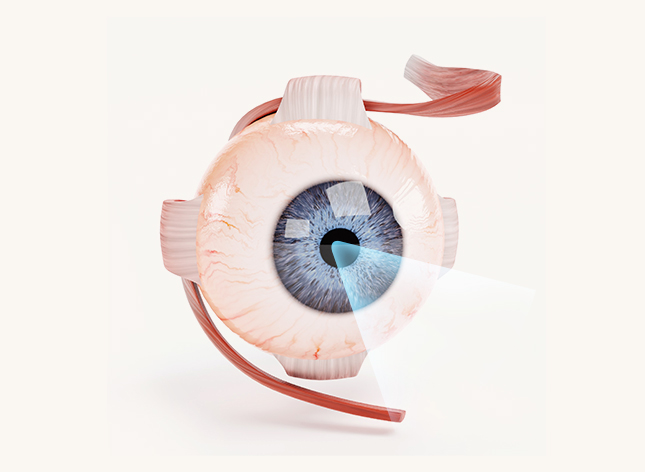
Pterygium is a benign, wing-shaped growth of fibrovascular tissue that extends from the conjunctiva onto the cornea, most often caused by chronic UV exposure, wind, and dust. It is more common in people with significant outdoor sun exposure, and when it grows large enough it can cause redness, irritation, astigmatism, and blurred vision that requires surgical treatment.
Q. Why is pterygium called surfer’s eye, and who is at risk?
Pterygium earned the nickname surfer’s eye because it is common among surfers, fishermen, farmers, and others with prolonged outdoor UV exposure near reflective surfaces such as water or sand. In Seoul, outdoor workers and athletes who train in Yeongdeungpo, Guro, Gasan, and Gwanak without UV-blocking sunglasses face a similarly elevated risk, especially with prolonged sun exposure during commutes or outdoor sports.
Q. What causes pterygium to develop?
Chronic ultraviolet-B exposure is the leading cause, often combined with dry, windy, or dusty environments that irritate the conjunctiva over time. Genetic predisposition also plays a role, and pterygium tends to recur more readily in patients with a family history of the condition or with continued heavy UV exposure after initial treatment.
Pterygium and Eye Health in Korea: The Numbers
- ▸ Pterygium prevalence in Korea is higher in coastal and rural regions with heavy outdoor sun exposure, though urban office workers in Seoul are increasingly diagnosed due to commuting and outdoor leisure activity.
- ▸ Surgical series using conjunctival autografting report recurrence rates of roughly 5 to 10%, compared with over 30% recurrence for older bare sclera techniques.
- ▸ Korean Ophthalmological Society guidance recommends UV-blocking eyewear as a primary prevention strategy, particularly for outdoor workers and athletes.
- ▸ Patients in Guro and Gwanak commonly present with mild pterygium found incidentally during routine eye exams, underscoring the value of regular checkups even without symptoms.
Q. How is pterygium treated without surgery?
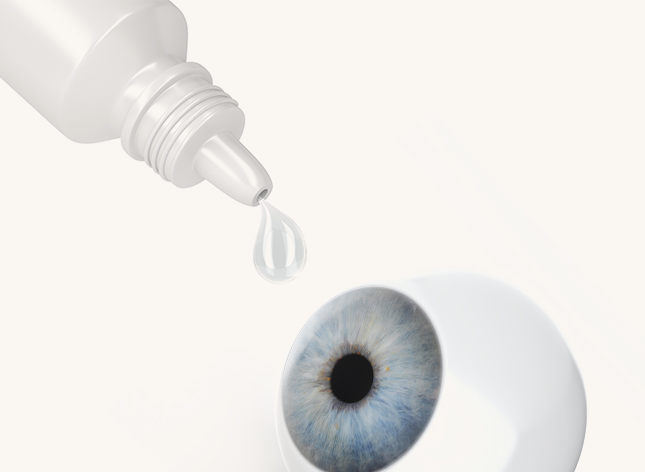
Small, stable pterygia that are not affecting vision are often managed conservatively with preservative-free artificial tears, short courses of mild topical steroids for flare-ups, and consistent use of UV-blocking sunglasses and wide-brimmed hats.
Regular monitoring at Nunehim Eye Center helps track growth rate over time, so surgery can be planned proactively rather than as an emergency if the pterygium begins encroaching on the visual axis.
Q. When is pterygium surgery recommended?
Surgery is generally recommended when the pterygium causes significant redness or irritation, induces astigmatism that blurs vision, restricts eye movement, or continues to grow toward the visual axis. Cosmetic concerns are also a valid reason some patients choose surgical removal.
Dr. Daniel Baik uses conjunctival autograft techniques, which transplant a small piece of the patient’s own healthy conjunctiva to cover the excision site and substantially reduce the chance of recurrence compared to older methods.
Q. What warning signs mean you should see a doctor promptly?
- A visible growth on the white of the eye that is enlarging or changing color.
- Persistent redness, irritation, or a foreign body sensation that does not improve with lubricating drops.
- New blurred vision, distortion, or difficulty with contact lens wear.
- Any growth that appears to be approaching the center of the cornea, which requires prompt evaluation.
Stage 1: Early
Growth is confined to the conjunctiva near the corneal edge, usually asymptomatic or mildly irritating.
Stage 2: Encroaching
Tissue extends onto the cornea, causing redness, dryness, and possible mild astigmatism.
Stage 3: Advanced
Growth approaches or crosses the visual axis, often requiring surgical removal to preserve vision.
A Note From Dr. Daniel Baik
“Most of the pterygium cases I see across Yeongdeungpo, Guro, and Gasan are caught early during a routine visit, well before surgery is needed. When surgery is required, using a conjunctival autograft technique gives my patients the best chance of a lasting result without recurrence.”
— Dr. Daniel Baik, board-certified ophthalmologist, Nunehim Eye Center
❓ Frequently Asked Questions
Q. Is pterygium the same as a cataract or pinguecula?
No. A pterygium is a wing-shaped growth of tissue that can extend onto the cornea, while a pinguecula is a raised yellowish spot that stays on the conjunctiva and does not invade the cornea. A cataract is a clouding of the internal lens and is unrelated to either condition, though all three can occur together in older patients.
Q. Can pterygium go away on its own?
No. Pterygium does not resolve without treatment, though small, stable ones may never require surgery. Artificial tears and UV-blocking sunglasses can control symptoms and slow progression, but the tissue itself will not disappear on its own.
Q. Does pterygium surgery hurt, and what is recovery like?
Pterygium removal is typically done under local or topical anesthesia and is not painful during the procedure. Most patients in Seoul experience mild irritation and tearing for one to two weeks, with full healing over four to six weeks. Using a conjunctival autograft technique significantly lowers recurrence compared to older methods.
Q. What is the recurrence rate after pterygium surgery?
Recurrence rates vary by surgical technique. Bare sclera excision alone can recur in over 30% of cases, while conjunctival autografting with fibrin glue lowers recurrence to roughly 5 to 10%, which is why technique selection matters when choosing a surgeon in Seoul.
Q. Is pterygium surgery covered by Korean national health insurance?
Pterygium removal is generally covered under Korean National Health Insurance when it is medically indicated, such as when vision is affected or irritation is significant. Coverage details can vary, so it is best to confirm your specific case during a consultation at Nunehim Eye Center.
Q. Can I prevent pterygium if I already have early signs?
Yes, progression can often be slowed. Wearing wraparound UV-blocking sunglasses, a wide-brimmed hat, using preservative-free artificial tears, and avoiding prolonged exposure to wind and dust are the most effective preventive measures for patients across Yeongdeungpo, Guro, and Gasan who work or exercise outdoors.
Q. When should I see an ophthalmologist about a growth on my eye?
See an ophthalmologist if you notice a visible growth on the white of your eye, persistent redness or irritation, a foreign body sensation, or any change in your vision. Early evaluation at Nunehim Eye Center in Guro-gu helps determine whether observation, medical management, or surgery is appropriate.

Book a Consultation
Talk to Dr. Daniel Baik about pterygium evaluation and treatment options at Nunehim Eye Center in Guro-gu, serving Yeongdeungpo, Gasan, and Gwanak.
nunehim.com
📍 Visit Nunehim Eye Center — Guro, Seoul
Convenient access from Guro, Gasan, Gwanak & Dongjak. Near Guro Digital Complex Station (Line 2).
Address
551 Siheung-daero, Guro-gu, Seoul
nunehim.com
Hours
Mon–Fri 09:00–18:30 (lunch 13:00–14:00)
Sat 09:00–14:00
Languages
Korean & English


Leave a comment