Pterygium Treatment Seoul: Surgery Day, Week-by-Week Recovery & How to Stop It Coming Back
An English-language guide for expats in Guro, Yeongdeungpo, Gasan and Gwanak — from Dr. Daniel Baik, board-certified ophthalmologist
Quick Answer
Pterygium treatment Seoul patients receive usually starts with UV protection and lubricating or short-course anti-inflammatory drops; surgery is advised when the growth approaches the pupil, distorts the cornea (astigmatism), or stays inflamed. The modern standard is excision with a conjunctival autograft, often secured with fibrin glue, done under local anaesthesia in well under an hour. Most people return to desk work within a few days, redness fades over several weeks, and the first 6–12 months are when recurrence is most likely — so finishing your steroid taper and wearing wraparound sunglasses matter as much as the operation itself.
Q. What is pterygium, and why does it matter if I already had it checked once?
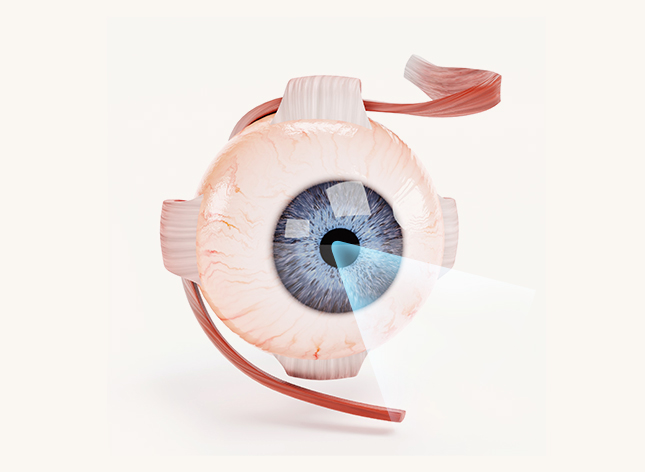
A pterygium is a wedge-shaped growth of conjunctiva (the clear skin over the white of the eye) that creeps onto the cornea, almost always from the nose side. If you are searching for pterygium treatment Seoul options, you have probably been told you have one — perhaps at an optician, a health checkup, or a previous visit. Our earlier article covered the basics of causes and prevention; this guide goes one step further and focuses on what expats actually ask us at Nunehim Eye Center in Guro: when surgery is worth it, what happens on the day, how recovery unfolds week by week, and how to keep it from growing back.
It matters because a pterygium is not only cosmetic. As the tissue pulls on the cornea it flattens it horizontally, inducing astigmatism that glasses only partly correct. It also interferes with the measurements used to plan cataract surgery and laser vision correction. Lifetime ultraviolet exposure is the dominant risk factor, along with wind, dust and dryness — which is why surfers, sailors, golfers, outdoor workers and people who grew up in sunny, lower-latitude countries are over-represented among patients we see from Yeongdeungpo, Gasan and Gwanak.
Q. What are the signs that a pterygium is progressing?
- A visible pink or fleshy triangle on the white of the eye that has crept further toward the coloured iris in photos taken months apart
- Recurrent redness and a gritty, foreign-body feeling, especially after sun, wind, screens or air-conditioning
- New blur or ghosting, or a glasses prescription whose astigmatism keeps changing
- Contact lenses that suddenly feel uncomfortable or ride poorly on that side
- Difficulty looking sideways or double vision in large, longstanding pterygia (rare)
Pterygium in Context: Key Facts
▸ A 2013 systematic review and meta-analysis in BMJ Open estimated pooled worldwide pterygium prevalence at about 10%, with higher rates at lower latitudes and in outdoor workers.
▸ Pterygium nearly always starts on the nasal side, where sunlight reflected off the side of the nose concentrates on the cornea (the “peripheral light focusing” effect).
▸ Seoul’s midday UV index commonly reaches the “very high” range in summer, so daily protection matters even if you are not a surfer.
▸ Since July 2019, most foreign residents staying in Korea six months or longer are enrolled in the National Health Insurance Service (NHIS), which generally covers medically indicated pterygium surgery.
Q. What does pterygium surgery in Seoul involve on the day?
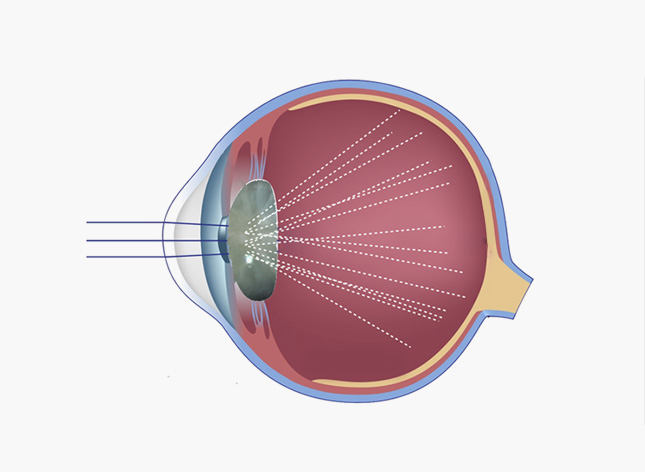
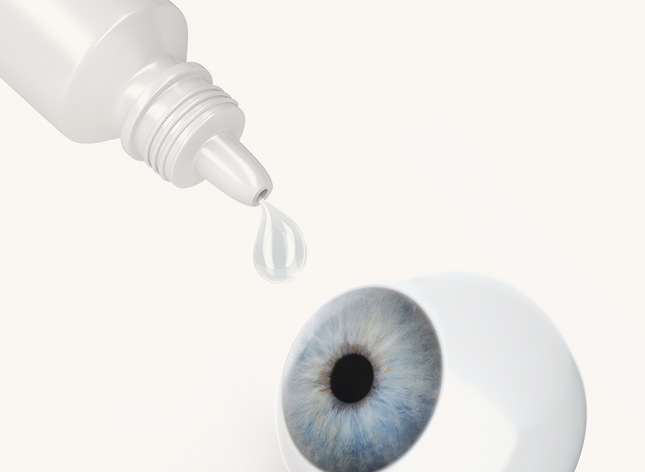
Non-surgical care comes first: preservative-free artificial tears, a short course of anti-inflammatory drops for flare-ups, and strict UV protection. These calm symptoms but do not shrink the tissue. When surgery is indicated, the pterygium is removed and the bare area is covered with a thin graft of your own healthy conjunctiva, usually taken from under the upper lid. Leaving the area bare (“bare sclera” excision) has a much higher recurrence rate in published studies, which is why autografting is the standard of care. Fibrin glue is widely used instead of, or alongside, fine sutures and tends to make the first days more comfortable.
The operation is done under local anaesthetic drops or a small injection while you are awake but comfortable, and you go home the same day with a patch or shield. For large or recurrent cases, surgeons may add an anti-scarring medicine such as mitomycin C or use amniotic membrane. Dr. Baik will explain which approach suits your eye at a pre-operative consultation in Guro, including corneal topography to measure astigmatism before and after.
Q. How do expats book an eye exam for pterygium in Korea, and is it covered by insurance?
Booking: reserve through Naver Booking, or message us on KakaoTalk — you can chat with the clinic in English to pick a time or ask whether you need surgery-day preparation. No referral is needed for a clinic visit. What to bring: your passport or ARC (Alien Registration Card), which is how your NHIS eligibility is checked; your current glasses or contact lens prescription; any previous eye records or photos showing growth; and a list of eye drops you use. Soft contact lenses should be left out on the day of your exam. Insurance: if you are enrolled in NHIS, medically indicated pterygium surgery is generally covered with a co-payment; purely cosmetic requests, short-term visitors and private-insurance claims are handled differently, so ask the clinic for a current quote and a detailed receipt (영수증) and medical certificate (진단서) for your insurer. Language: consultations are available in Korean and English, and written aftercare instructions can be explained in English. Patients come from Guro, Gasan, Yeongdeungpo and Gwanak, a short ride from Guro Digital Complex Station.
Q. When should I see a doctor in Seoul urgently?
- After surgery: increasing pain, discharge, or vision getting worse rather than better from day 3 onward
- The graft looks displaced or you feel a sudden “lump” move after rubbing the eye
- A growth that is gelatinous, has unusual blood vessels, white plaques or pigment, or appears away from the nasal or temporal corner — atypical lesions need examination and sometimes biopsy
- Rapid growth over weeks rather than months, or a lesion appearing for the first time after age 60
- Double vision, or new blur that glasses no longer fix
Q. What does pterygium surgery recovery look like week by week?
Days 1–7
Expect redness, watering and a scratchy feeling; glue usually makes this milder than sutures. Use antibiotic and steroid drops exactly as prescribed, wear the shield while sleeping, avoid rubbing, swimming and dusty work. Most office workers return in 2–5 days; your first check is usually within the first week.
Weeks 2–6
Comfort improves markedly; any non-dissolving sutures are typically removed in the clinic. The graft becomes pinker and flatter. Steroid drops are tapered gradually — this is the phase when people stop too early. Sports and swimming resume when your doctor confirms the graft has healed.
Months 2–12
Redness fades over a few months. Glasses or contact lens prescriptions should be rechecked once the cornea stabilises, usually after a couple of months. Recurrence, when it happens, typically shows up within the first year, so follow-ups around 1, 3, 6 and 12 months are worth keeping.
A Practical Tip From Dr. Daniel Baik
“The most common avoidable reason a pterygium returns is stopping the steroid drops early because the eye already looks white. Inflammation under the surface keeps going for weeks — finish the full taper on the schedule we give you, and set phone reminders if you need to. And if you are planning cataract surgery or LASEK, have the pterygium dealt with first and let the cornea settle before we take your final measurements; otherwise the astigmatism we correct may not be the astigmatism you are left with.”
— Dr. Daniel Baik, board-certified ophthalmologist, Nunehim Eye Center
❓ Frequently Asked Questions
Q. Should I remove a small pterygium that does not bother me?
Usually not. A small, quiet pterygium can be monitored with photos and measurements every 6–12 months while you protect your eyes from UV. Surgery is generally recommended when it advances toward the pupil, induces astigmatism, stays inflamed despite drops, or interferes with planned cataract or refractive surgery.
Q. How long does pterygium surgery take?
The procedure itself typically takes well under an hour under local anaesthesia, and you go home the same day. Plan for someone to accompany you, and do not drive yourself home with a patched eye.
Q. Will my pterygium come back after surgery?
It can, especially in younger patients and with very inflamed or recurrent growths. Conjunctival autografting reduces recurrence considerably compared with simple excision, and finishing your drops, keeping follow-ups and wearing wraparound UV400 sunglasses further lowers the risk.
Q. Can I fly home or travel after pterygium surgery?
Air travel is generally not a problem for the eye itself, but it is wise to stay in Seoul for at least the first post-operative check and to discuss longer trips before booking. Bring all your drops in your carry-on and avoid beaches and pools until cleared.
Q. Does pterygium affect my eligibility for LASEK or TransPRK?
It can. A pterygium distorts corneal measurements and may encroach on the area being treated. We assess its size and the induced astigmatism first; some patients need pterygium removal and a stabilisation period before laser vision correction can be planned safely.
Q. Is pterygium the same as pinguecula?
No. A pinguecula is a yellowish bump that stays on the white of the eye, while a pterygium grows across onto the cornea. Both are linked to UV exposure, and a pinguecula is a good prompt to start wearing sunglasses consistently.
Q. Can I get an English consultation in Guro without speaking Korean?
Yes. Dr. Baik consults in English, and you can book via Naver or message the clinic on KakaoTalk in English. Many of our English-speaking patients live or work in Guro, Gasan, Yeongdeungpo and Gwanak.

Related reading
- Pterygium (Surfer’s Eye): Causes, Prevention & Surgery in Seoul
- UV Eye Protection in Seoul: Why Sunglasses Matter More Than You Think
- Why Do the Whites of My Eyes Look Cloudy or Yellow?
Book a Consultation
Noticed a growth on your eye, or was surgery suggested elsewhere? Get an English-language assessment and a clear plan from Dr. Daniel Baik in Guro — convenient for Yeongdeungpo, Gasan and Gwanak.
Or visit nunehim.com
📍 Visit Nunehim Eye Center — Guro, Seoul
Convenient access from Guro, Gasan, Gwanak and Yeongdeungpo — near Guro Digital Complex Station (Line 2), with easy bus connections from Gasan Digital Complex and Yeongdeungpo.
Address
551 Siheung-daero, Guro-gu, Seoul
nunehim.com
Hours
Mon–Fri 09:00–18:30 (lunch 13:00–14:00)
Sat 09:00–14:00
Languages
Korean & English


Leave a Reply