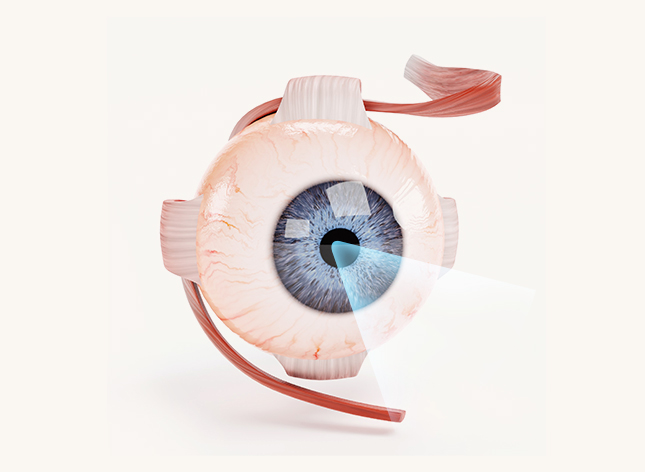
Red Eyes Causes & Treatment in Seoul: 10 Reasons & When to Seek Help
A guide from Dr. Daniel Baik, Nunehim Eye Center, Guro-gu
Quick Answer
Red eyes causes and treatment in Seoul range from harmless dryness and allergies to more serious conditions like conjunctivitis or uveitis that need urgent care. Most redness clears with lubricating drops or allergy treatment within a few days, but persistent redness with pain, vision changes, or light sensitivity warrants a same-week visit to a clinic in Guro, Yeongdeungpo, Gasan, or Gwanak.
Q. What Are the Most Common Causes of Red Eyes in Seoul?
Red eyes causes and treatment in Seoul are shaped by the city’s specific environment: heavy air pollution, seasonal yellow dust, dry indoor heating in winter, and high screen-time among office workers all contribute. The blood vessels on the surface of the eye dilate in response to irritation, dryness, infection, or inflammation, producing the visible redness patients notice, whether they work near Yeongdeungpo’s business district or commute daily through Gasan.
Q. What Are the 10 Common Causes of Eye Redness?
- 1. Dry eye syndrome — from screen use, air conditioning, or indoor heating
- 2. Allergic conjunctivitis — triggered by pollen, dust, or yellow dust (hwangsa) season
- 3. Viral conjunctivitis (“pink eye”) — highly contagious, often with watery discharge
- 4. Bacterial conjunctivitis — thicker yellow-green discharge, may need antibiotic drops
- 5. Subconjunctival hemorrhage — a broken blood vessel causing a bright red patch, usually painless
- 6. Contact lens overwear or poor hygiene
- 7. Blepharitis — chronic eyelid margin inflammation
- 8. Uveitis — inflammation inside the eye, can threaten vision if untreated
- 9. Acute angle-closure glaucoma — a medical emergency with severe pain and blurred vision
- 10. Digital eye strain — from prolonged screen exposure without breaks
By the Numbers
- ▸ Allergic conjunctivitis cases in Korea spike each spring during yellow dust and pollen season
- ▸ Dry eye syndrome affects an estimated 1 in 5 adults in Korea, a leading cause of chronic redness
- ▸ Viral conjunctivitis outbreaks in Seoul schools and offices tend to peak in summer months
- ▸ Acute angle-closure glaucoma, though rare, accounts for a disproportionate share of eye-related emergency visits in Korea
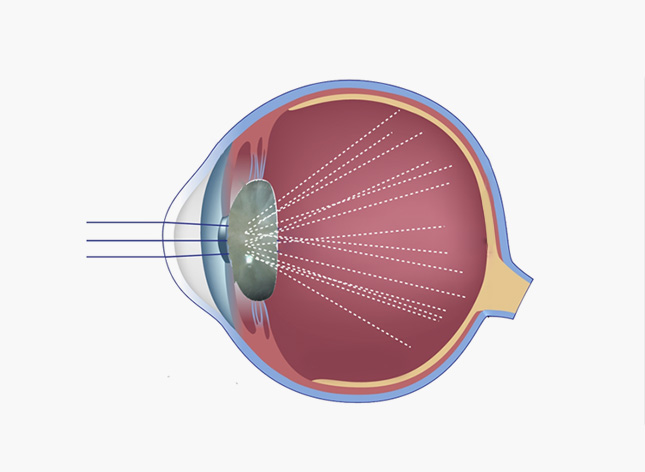
Q. How Are Red Eyes Treated?
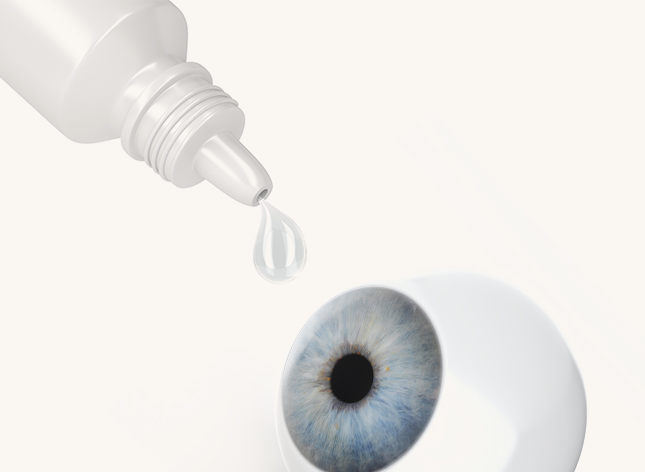
Treatment for red eyes depends entirely on the cause. Simple dryness or irritation often responds well to preservative-free artificial tears, while allergic redness improves with antihistamine eye drops and avoiding known triggers during high-pollen or yellow dust days.
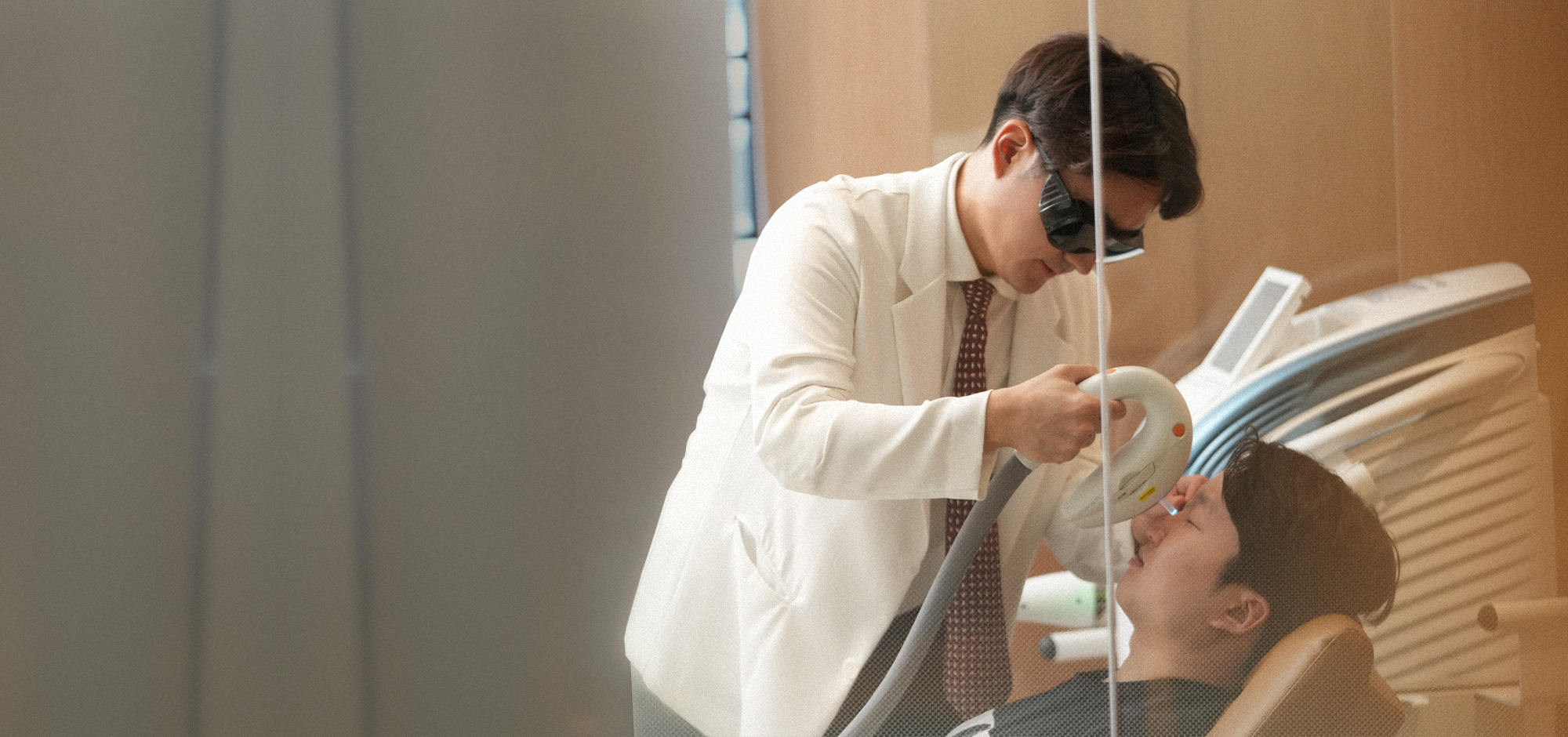
Bacterial conjunctivitis requires prescription antibiotic drops, while viral conjunctivitis is managed with supportive care and strict hygiene to avoid spreading it to family or coworkers. Nunehim Eye Center can distinguish between these causes with a slit-lamp exam, which is essential since the wrong treatment can worsen certain types of red eye.
Q. Can Red Eyes Be Prevented?
Many everyday cases of red eyes are preventable. Taking regular screen breaks (the 20-20-20 rule), using a humidifier during Seoul’s dry winters, replacing contact lenses on schedule, and washing hands before touching the eyes all reduce risk. During yellow dust season, wraparound sunglasses and rinsing the eyes after being outdoors in Gwanak or Gasan can help allergy-prone patients avoid flare-ups.
Q. When Should I Seek Help in Seoul for Red Eyes?
- Sudden, severe eye pain with nausea or headache (possible acute glaucoma — emergency)
- Vision changes, blurriness, or halos around lights
- Significant light sensitivity or a feeling of a foreign object that won’t go away
- Thick discharge, crusting, or redness that worsens after 2-3 days of home care
- Redness following an eye injury or chemical exposure
- Redness in only one eye that is deep, painful, and not improving
Mild & Common
Dryness, mild allergies, and minor irritation. Usually resolves with lubricating drops or removing the trigger within a few days.
Needs a Doctor Visit
Bacterial or viral conjunctivitis, blepharitis flare-ups, and contact lens-related irritation — treatable but require an accurate diagnosis.
Urgent / Emergency
Uveitis, acute angle-closure glaucoma, or redness with vision loss — seek same-day ophthalmology care.
A Note From Dr. Daniel Baik
Most patients who come to my Guro-gu clinic with red eyes are relieved to learn it’s something simple like dry eye or allergies. But I always screen carefully for the rarer, more serious causes, because catching uveitis or angle-closure glaucoma early can genuinely save someone’s vision.
❓ Frequently Asked Questions
Q. Is pink eye (conjunctivitis) dangerous?
Most cases of viral or bacterial conjunctivitis are not dangerous and resolve with time or antibiotics, but they are often very contagious, so good hand hygiene and avoiding shared towels or pillows is important.
Q. Why is only one of my eyes red?
One-sided redness can be caused by a localized issue like a subconjunctival hemorrhage, a foreign body, or early infection. If it’s painful or doesn’t improve within a couple of days, it should be examined.
Q. Can allergies cause red eyes without itching?
Yes, though itching is common, some allergic reactions present mainly as redness and watering without significant itch, especially with mild pollen or dust exposure.
Q. Are red eyes from screen use serious?
Digital eye strain-related redness is usually not serious but is uncomfortable and can worsen dry eye over time. Regular breaks and blinking exercises help significantly.
Q. Can I wear makeup with red eyes?
It’s best to avoid eye makeup during an active infection or flare-up, since applicators can spread bacteria or viruses and worsen irritation.
Q. How long does viral conjunctivitis last?
Viral conjunctivitis typically lasts 1-2 weeks and is most contagious in the first few days, so staying home from work or school during that period is recommended.
Q. Where can I get urgent eye care in Guro or Gwanak?
Nunehim Eye Center in Guro-gu serves patients from Yeongdeungpo, Gasan, and Gwanak, offering same-week appointments and slit-lamp exams to accurately diagnose the cause of red eyes.

Book a Consultation
Dealing with persistent red eyes? Schedule an exam with Dr. Daniel Baik at Nunehim Eye Center in Guro-gu — convenient for patients across Yeongdeungpo, Gasan, and Gwanak.
nunehim.com
📍 Visit Nunehim Eye Center — Guro, Seoul
Convenient access from Guro, Gasan, Gwanak & Dongjak. Near Guro Digital Complex Station (Line 2).
Address
551 Siheung-daero, Guro-gu, Seoul · nunehim.com
Hours
Mon–Fri 09:00–18:30 (lunch 13:00–14:00), Sat 09:00–14:00
Languages
Korean & English


Leave a comment