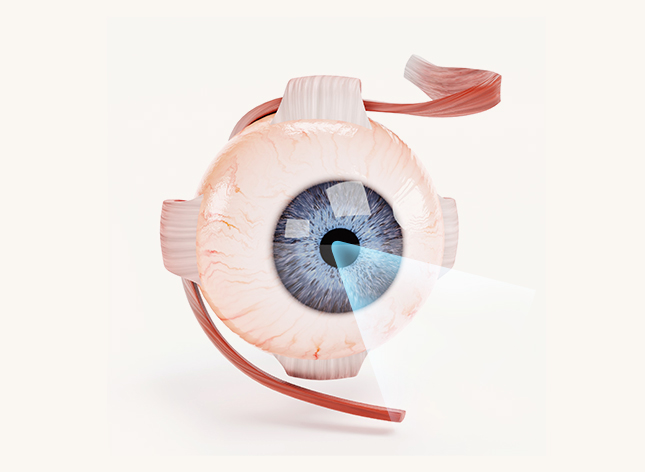
Allergic Conjunctivitis Seoul: Causes, Symptoms & Relief for Expats This Autumn
Itchy, watery, puffy eyes in Korea? An eye doctor’s guide for foreigners in Seoul
Quick Answer
Allergic conjunctivitis Seoul patients often describe as “itchy pink eye” is an allergic reaction of the thin membrane covering the white of the eye. It typically causes itching, redness, watery discharge and puffy eyelids in both eyes, and it is not contagious. Triggers in Korea include late-summer and autumn weed pollen, house dust mites, pet dander and fine dust. Cold compresses, preservative-free artificial tears and not rubbing your eyes help at home; an eye doctor can prescribe antihistamine or mast-cell-stabilizer drops. See a doctor promptly for eye pain, light sensitivity or blurred vision. Nunehim Eye Center in Guro offers Korean and English consultations.
Q. What causes allergic conjunctivitis in Seoul?
Allergic conjunctivitis happens when your immune system overreacts to a harmless substance that lands on the surface of the eye. If you have been searching for allergic conjunctivitis Seoul advice, you are not alone: at Nunehim Eye Center, we see itchy-eye visits from residents of Guro, Yeongdeungpo, Gasan and Gwanak whenever pollen or dust levels climb. Mast cells in the conjunctiva release histamine, which makes blood vessels leak and nerve endings itch.
Common triggers in Korea include weed pollen from late summer into autumn (such as mugwort, ragweed and Japanese hop), spring tree pollen, house dust mites in heated apartments, pet dander, mold, and fine dust that irritates an already sensitive surface. Wearing contact lenses can worsen symptoms because allergens stick to the lens. Many people with eye allergies also have hay fever, eczema or asthma.
For a broader comparison of itchy-eye causes, see our guide to itchy eyes in Seoul: allergy vs dry eye vs infection.
Q. What are the symptoms of allergic conjunctivitis?
The hallmark symptom is itching, which is what separates allergy from most infections. Typical signs include:
- Intense itching in both eyes, often worse after rubbing
- Pink or red eyes with a clear, watery or stringy mucus discharge
- Swollen, puffy eyelids, especially in the morning
- Burning or a gritty feeling, sometimes with sneezing or a runny nose
- Contact lens discomfort that improves when you take the lenses out
Key facts at a glance
▸ Allergic conjunctivitis is not contagious, unlike viral or bacterial pink eye.
▸ It usually affects both eyes at the same time, and itching is the leading symptom.
▸ Rubbing the eyes releases more histamine and can make symptoms worse.
▸ In Korea, weed pollen season runs from late summer through autumn, after the spring tree-pollen peak.
Q. How is allergic conjunctivitis diagnosed?
Diagnosis is mostly clinical. We ask when symptoms start, whether they follow pollen days, pets, bedding or lens wear, and whether you have hay fever, asthma or eczema. A slit-lamp microscope exam looks for small bumps (papillae) under the upper eyelid, swelling of the conjunctiva and any clues of infection or damage to the corneal surface. Because allergy, dry eye and blepharitis often occur together, we also look at the eyelid margins and tear film rather than treating the itch alone.
Skin or blood allergy testing is sometimes arranged with an allergist when the trigger is unclear or symptoms are year-round. For most patients, a careful history and eye exam are enough to start treatment. If you have used eye drops from a pharmacy or from your home country, bring the bottles so we can check the active ingredients and preservatives.
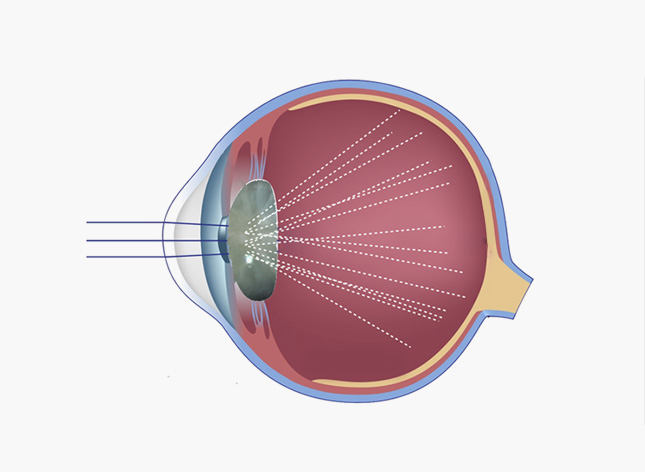
Q. How is allergic conjunctivitis treated?
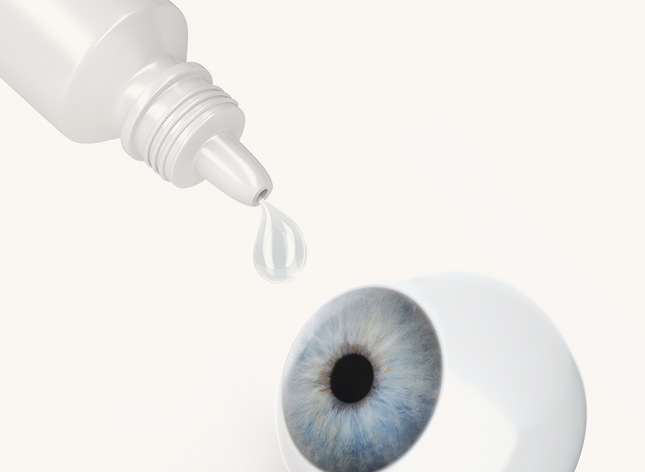
The first step is avoiding the trigger and calming the surface: cold compresses for a few minutes, preservative-free artificial tears to rinse out allergens, washing your face and hair after being outdoors in high-pollen weather, and keeping bedding clean and dry. Take contact lenses out during flare-ups and switch to glasses.
If that is not enough, an ophthalmologist can prescribe dual-action antihistamine/mast-cell-stabilizer drops, which relieve itching and also prevent the next flare-up. Short courses of anti-inflammatory drops may be used for severe cases under supervision. Because chronic allergy often overlaps with dryness, we also check the tear film and meibomian glands—see our eye allergy guide for Seoul.
Q. What should foreigners know about seeing an eye doctor for allergies in Seoul?
Booking: you can reserve through Naver Booking or ask for an English consultation at nunehim.com. Bring: your passport or ARC (Alien Registration Card), your current eye drops or lens details, and any records or allergy test results from home. Referral: in Korea you can generally walk into an eye clinic without a referral. Payment: residents enrolled in Korean National Health Insurance usually pay a copay for covered visits, while self-pay applies otherwise—ask the clinic for a current quote.
A typical visit includes a symptom history, a slit-lamp exam of the eyelids and conjunctiva, a tear-film check, treatment advice and a prescription you fill at a nearby pharmacy. Patients come from Guro, Gasan, Yeongdeungpo and Gwanak, and English support is available throughout.
Q. How can I prevent allergic eye flare-ups in Korea?
Prevention is about reducing the allergen load on your eyes and home. On high-pollen or fine-dust days, wear wraparound glasses outdoors, and rinse your face and eyelids when you get home. Change pillowcases weekly, wash bedding in hot water to reduce dust mites, and keep humidity moderate, since very dry heated air in winter can aggravate both allergy and dry eye.
- Check daily pollen and fine-dust forecasts and plan outdoor exercise accordingly
- Keep windows closed on high-pollen mornings and use a clean air filter
- Do not rub your eyes; use a cold compress instead
- Replace contact lenses on schedule and consider daily disposables during allergy season
- Remove eye makeup fully and replace old mascara and eyeliner
- Start prescribed preventive drops before your usual allergy season if your doctor advises it
Autumn is a good time to plan ahead. Many patients from Guro, Yeongdeungpo and Gwanak tell us their itch peaks when weed pollen is high, then returns in spring with tree pollen. Booking a check-up before the season begins lets your doctor set up a plan so you are not looking for relief once your eyes are already swollen.
Allergic eyes are also worth treating early because constant rubbing can irritate the cornea and, in people who already have thin or irregular corneas, may contribute to long-term changes. Persistent allergy can also leave the ocular surface more vulnerable to dryness and lens intolerance, so a quick visit usually saves weeks of discomfort. Whether you live near Gasan, Yeongdeungpo, Guro or Gwanak, an exam takes only a short time and gives you a clear plan for this season and the next.
Q. When should I see a doctor in Seoul?
Allergy can look like more serious problems. Book promptly if you notice:
- Eye pain, or a feeling that something is stuck in the eye
- Sensitivity to light or blurred vision that does not clear with blinking
- Thick yellow-green discharge or eyelids stuck shut in the morning
- Redness in only one eye after an injury, or with contact lens wear
- No improvement after a few days of home care, or symptoms that keep returning
Q. How do allergic, viral and bacterial pink eye differ?
Allergic
Itching is dominant. Both eyes, watery discharge, often with sneezing. Not contagious.
Viral
Gritty, watery, often starts in one eye then spreads. Contagious; may follow a cold. See our viral pink eye guide.
Bacterial
Thicker yellow-green discharge, crusted lids. Contagious; may need antibiotic drops.
Dr. Daniel Baik’s Clinical Tip
“If you wear contact lenses, switch to glasses or fresh daily lenses during a flare-up, and do not keep using leftover steroid drops from a previous visit. Steroid drops can raise eye pressure and worsen some infections, so they should only be used after an exam. Also avoid repeated “redness-relief” drops, which can cause rebound redness.” — Dr. Daniel Baik, board-certified ophthalmologist
❓ Frequently Asked Questions
Q. Is allergic conjunctivitis contagious?
No. Allergic conjunctivitis cannot pass from person to person. Viral and bacterial conjunctivitis can, which is why an exam helps if you are unsure.
Q. Why are my eyes itchy in Seoul in autumn?
Weed pollen from late summer to autumn, dust mites in dry heated rooms and fine dust days can all trigger itching. An eye doctor can tell allergy from dry eye, which feels similar.
Q. Can I wear contact lenses with allergic conjunctivitis?
It is best to pause lens wear during flare-ups. If you must wear lenses, daily disposables reduce allergen build-up. Ask your doctor before restarting.
Q. Which eye drops are safe for itchy eyes?
Preservative-free artificial tears are generally safe for rinsing. Antihistamine or mast-cell-stabilizer drops are best chosen by a doctor, and steroid drops should only be used after an exam.
Q. Do I need insurance or a referral to see an eye doctor in Korea?
Generally no referral is needed for an eye clinic. Residents with National Health Insurance usually pay a copay; others pay self-pay rates. Ask the clinic for a current quote.
Q. Is there an English-speaking eye doctor near Guro, Gasan or Yeongdeungpo?
Yes. Nunehim Eye Center in Guro-gu offers Korean and English consultations and is reachable from Gasan, Yeongdeungpo and Gwanak.
Q. How long do allergic eye symptoms last?
Symptoms usually ease once the trigger is removed and treatment starts, but they can return each pollen season. Seasonal prevention with your doctor can reduce flare-ups.

Related reading
- Itchy Eyes in Seoul: Allergy vs Dry Eye vs Infection
- Eye Allergies in Spring Seoul: Pollen, Dust & Relief
- Red Eyes Causes & Treatment in Seoul
Book a Consultation
Itchy eyes that will not settle? Get a proper diagnosis with Korean or English support.
📍 Visit Nunehim Eye Center — Guro, Seoul
Nunehim Eye Center is in Guro-gu, easy to reach from Gasan, Yeongdeungpo and Gwanak. Dr. Daniel Baik welcomes expats and local patients alike.
Address
551 Siheung-daero, Guro-gu, Seoul
nunehim.com
Hours
Mon–Fri 09:00–18:30 (lunch 13:00–14:00)
Sat 09:00–14:00
Languages
Korean & English
Contact
Phone: +82 2 2039 9322
Chat with the clinic on KakaoTalk


Leave a Reply