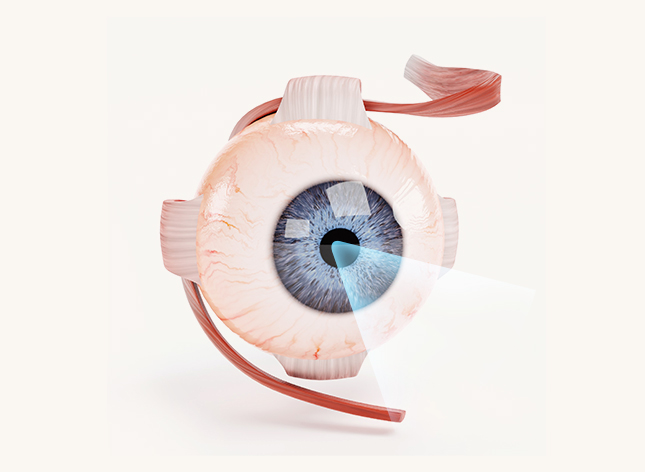
Eye Allergies in Spring Seoul: Pollen, Dust & Relief
Why your eyes itch every March–May (and again in autumn), and how an ophthalmologist in Guro, Seoul can help
Quick Answer
Eye allergies in spring in Seoul are usually allergic conjunctivitis — an immune reaction to tree pollen, yellow dust (hwangsa) and fine dust that causes itching, redness, watering and puffy lids. Most cases settle with avoidance, cold compresses, preservative-free artificial tears and antihistamine/mast-cell-stabiliser eye drops. If you live or work in Guro, Yeongdeungpo, Gasan or Gwanak and symptoms last more than a week, or you have pain or blurred vision, see an ophthalmologist for a slit-lamp exam and the right prescription.
Q. What causes eye allergies in spring in Seoul?
Eye allergies spring Seoul sufferers are reacting mainly to airborne allergens that land directly on the eye surface. From March to May, Seoul’s air carries heavy loads of tree pollen — oak, birch, alder and pine — at the same time that yellow dust (황사) blows in from continental Asia and fine dust (PM2.5/PM10) levels rise. When these particles touch the conjunctiva, mast cells release histamine, producing the classic itch within minutes.
Seoul actually has two allergy seasons. After the spring tree-pollen peak, a second wave arrives from late August to October when weed pollens such as ragweed, mugwort and Japanese hop are released. Many patients we see from Guro, Gasan and Yeongdeungpo notice that their “spring” eye allergies return every September — which is why this is a good time to plan ahead for next year.
Q. What are the symptoms of eye allergies in Seoul’s pollen season?
- Itching — the hallmark symptom; if your eyes do not itch, allergy is less likely
- Redness in both eyes, often with a pink, “glassy” look
- Watery (not thick or yellow) discharge and stringy white mucus
- Puffy, swollen eyelids, especially on waking
- Burning, gritty feeling and sensitivity to wind or dust
- Contact lenses that feel uncomfortable or cloud up quickly
- Often accompanied by sneezing, runny nose or allergic rhinitis
📊 Eye allergies in Korea — by the numbers
▸ Allergic conjunctivitis is one of the most common eye conditions treated in Korea, with well over a million patient visits per year recorded by HIRA (Health Insurance Review & Assessment Service).
▸ Visits climb sharply in spring (March–May) and again in autumn, closely tracking pollen and yellow-dust days.
▸ The Korea Meteorological Administration publishes a daily pollen-risk index each spring and autumn — worth checking before outdoor exercise.
▸ Up to half of people with allergic rhinitis also have eye symptoms, and children and young adults are the most frequently affected age group.
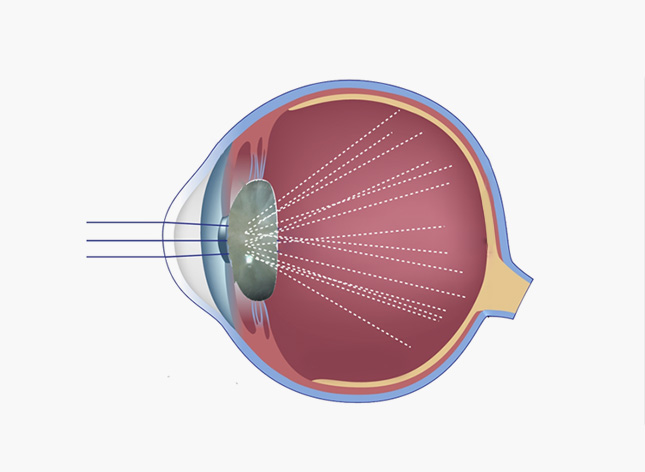
Q. How are eye allergies in spring Seoul treated?
Treatment is stepwise. First-line care is avoidance plus cold compresses and preservative-free artificial tears, which rinse pollen off the eye surface. For ongoing symptoms, dual-action antihistamine/mast-cell-stabiliser drops (such as olopatadine, ketotifen or epinastine) are the mainstay — they relieve itching within minutes and, used regularly, prevent flare-ups. Starting them one to two weeks before pollen season is especially effective.
For severe flares, a short course of mild steroid eye drops can calm inflammation quickly, but these must be supervised by an ophthalmologist because they can raise eye pressure or cause cataract with prolonged use. Chronic or severe forms such as vernal or atopic keratoconjunctivitis may need immunomodulating drops like cyclosporine or tacrolimus. At our clinic in Guro we tailor the plan to your work, commute and lens use — whether you are commuting from Gwanak or working in the Gasan Digital Complex.
Q. How can I prevent eye allergies during spring in Seoul?
Check the fine-dust and pollen forecast each morning and wear wraparound sunglasses or glasses outdoors on high-risk days. Keep windows closed during peak pollen hours (early morning and late afternoon), run an air purifier at home, and shower and change clothes after coming indoors. Switch to daily disposable contact lenses — or glasses — during the season, and above all, do not rub your eyes: repeated rubbing worsens inflammation and is linked to keratoconus. These simple steps help whether you are walking along the Anyangcheon in Guro or through Yeongdeungpo’s busy streets.
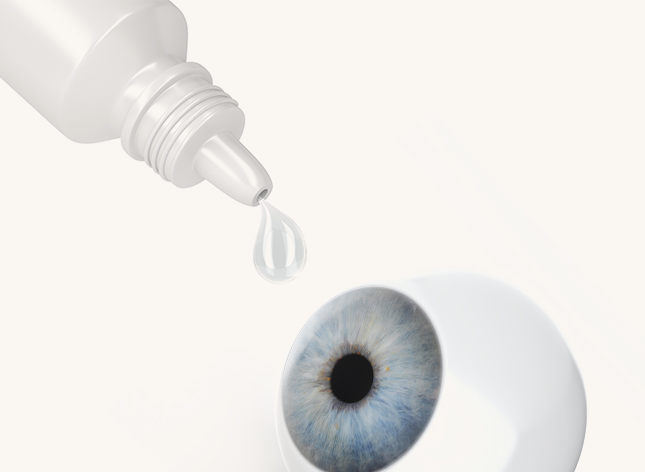
Q. When should I see a doctor in Seoul?
Most allergic eyes are uncomfortable but not dangerous. Book a prompt eye exam in Guro, Yeongdeungpo, Gasan or Gwanak if you notice any of the following:
- Eye pain (not just itch), or pain on looking at light
- Blurred or reduced vision that does not clear with blinking
- Thick yellow or green discharge — possible bacterial infection
- Symptoms in only one eye, especially in a contact-lens wearer
- Severe eyelid swelling with fever
- A child who constantly rubs their eyes or has symptoms lasting more than two weeks
- No improvement after 7–10 days of over-the-counter drops
Q. When is eye allergy season in Seoul? The yearly calendar
🌸 Spring (Mar–May)
Tree pollen (oak, birch, pine) plus yellow dust and high fine-dust days. The peak season for eye allergies spring Seoul residents know too well.
☀️ Summer (Jun–Aug)
Grass pollen and humidity-driven house-dust mites. Symptoms often ease, but indoor allergies can persist.
🍂 Autumn (Aug–Oct)
Weed pollen — ragweed, mugwort, Japanese hop. A second peak; start preventive drops early.
“Don’t just put up with itchy eyes every spring.”
Many of my patients in Guro and Yeongdeungpo have suffered through allergy season for years with only artificial tears. The right prescription drop, started before the pollen arrives, can change the whole season. And if you are planning TransPRK or wear OK lenses, controlling allergy first makes treatment safer and more comfortable.
— Dr. Daniel Baik, board-certified ophthalmologist, Nunehim Eye Center
❓ Frequently Asked Questions
Q. Are eye allergies contagious?
No. Allergic conjunctivitis is an immune reaction, not an infection, so it cannot spread to family or co-workers. Viral conjunctivitis (“pink eye”), which is contagious, usually starts in one eye, feels gritty rather than itchy and may come with a sore throat — an eye exam can tell them apart.
Q. Can I use over-the-counter eye drops from a Seoul pharmacy?
Preservative-free artificial tears and some antihistamine drops are fine for short-term relief. Avoid “redness-relief” vasoconstrictor drops for more than a few days, as rebound redness is common. Steroid-containing drops should only be used under an ophthalmologist’s supervision.
Q. Can I keep wearing contact lenses during allergy season?
You can, but daily disposable lenses are best because pollen and protein build up on reusable lenses. Remove lenses on bad days, never sleep in them, and do not put allergy drops in with lenses in unless your doctor says the drop is compatible.
Q. Does yellow dust (hwangsa) really affect the eyes?
Yes. Yellow dust and fine dust particles carry pollutants and allergens that irritate the eye surface and worsen both allergy and dry eye. On high-dust days, wear glasses outdoors and rinse with preservative-free artificial tears when you get home.
Q. Can eye allergies affect my plans for TransPRK or 2-Day LASEK?
Active allergic inflammation should be controlled before surgery, and we may time your TransPRK outside peak pollen season for a more comfortable recovery. Allergies themselves do not rule you out — we assess your eye surface carefully at the pre-surgery exam in Guro.
Q. My child rubs their eyes constantly every spring — is that serious?
Persistent rubbing in children should be checked. It may indicate vernal keratoconjunctivitis, which can damage the cornea, and chronic rubbing is linked to keratoconus. Children in Gwanak, Gasan and nearby areas can be examined at our clinic, including those using OK lenses.
Q. Do I need an appointment, and can I consult in English?
Walk-ins are welcome, but booking via Naver shortens your wait. Dr. Daniel Baik consults in both Korean and English, so expats from Yeongdeungpo, Guro, Gasan and Gwanak can discuss symptoms and treatment comfortably.

Book a Consultation
Itchy, red eyes this pollen season? Get a proper diagnosis and a treatment plan from a board-certified ophthalmologist — in Korean or English.
Or visit nunehim.com
📍 Visit Nunehim Eye Center — Guro, Seoul
Convenient access from Guro, Gasan, Gwanak, Yeongdeungpo & Dongjak. Near Guro Digital Complex Station (Line 2).
📍 Address
551 Siheung-daero, Guro-gu, Seoul
nunehim.com
🕘 Hours
Mon–Fri 09:00–18:30 (lunch 13:00–14:00)
Sat 09:00–14:00
🗣 Languages
Korean & English consultations


Leave a comment