Children’s Eye Exam in Seoul: What Parents Need to Know
A pediatric eye care guide from Nunehim Eye Center, Guro-gu, Seoul
Quick Answer
A children eye exam Seoul pediatricians and ophthalmologists recommend should happen around age 3, again before starting elementary school, and then annually afterward. Families across Yeongdeungpo, Guro, Gasan, and Gwanak are seeing more children develop myopia earlier, making regular screening more important than ever.
Q. When Should My Child Have Their First Eye Exam in Seoul?
Most children benefit from a first formal eye exam around age 3, when they can cooperate with basic vision testing. A second exam before starting elementary school helps catch problems that could affect learning. After that, an annual children eye exam Seoul schools and parents increasingly rely on is the standard, since childhood vision can change quickly as kids grow.
Q. What Are Signs My Child May Have a Vision Problem?
- Squinting or closing one eye to see clearly
- Sitting very close to the TV or holding books close to the face
- Frequent eye rubbing, tearing, or complaints of headaches
- A noticeable head tilt or one eye that appears to wander or turn
- Falling behind at school despite normal effort, which can be a hidden sign of poor vision
Children’s Eye Health in Korea: Key Statistics
- Myopia rates among Korean students are among the highest in the world, with the majority of high schoolers affected
- Increased near work and screen time are strongly linked to earlier onset and faster progression of childhood myopia
- Outdoor time of roughly 2 hours a day is associated with meaningfully lower rates of myopia onset in children
- Early detection and myopia control can significantly slow progression compared to no intervention
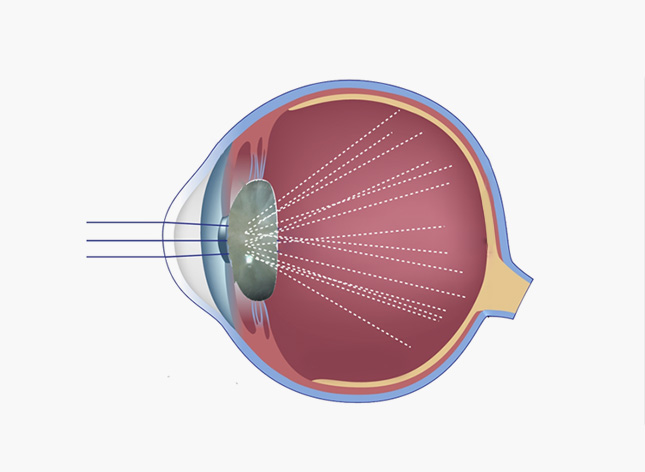
Q. What Happens During a Children’s Eye Exam?
A pediatric eye exam typically includes a vision chart test appropriate for the child’s age, a refraction check to measure any need for glasses, an assessment of eye alignment and movement, and a look at the retina and overall eye health. The process is designed to be quick, comfortable, and non-invasive for young patients.
At Nunehim Eye Center in Guro, exams are paced to keep children relaxed, with parents welcome throughout. If a refractive error or eye alignment issue is found, we discuss options clearly before recommending glasses, patching, or further treatment.
Q. How Can Parents Help Prevent Myopia Progression?
Encourage at least 1 to 2 hours of outdoor time daily, which has been shown to help slow myopia onset. Build in regular screen breaks using a 20-20-20 rule (every 20 minutes, look at something 20 feet away for 20 seconds), and ensure good lighting for reading and homework. For children already myopic, options such as orthokeratology (OK lens) can help manage progression, and are increasingly popular among families in Gasan and Gwanak looking for daytime glasses-free alternatives.
Q. When Should I See a Doctor Sooner Than Scheduled?
- A white or cloudy reflection in a photo flash instead of the normal red-eye reflex
- One eye visibly turning inward, outward, up, or down
- Sudden vision changes or complaints of double vision
- Any eye injury, chemical exposure, or trauma
- Persistent redness, discharge, or swelling around the eye
Ages 0-3: Screening
Basic vision screening to catch amblyopia, strabismus, or major refractive errors early.
Ages 4-6: Pre-School Exam
A full exam before starting school helps ensure vision will not hold back learning.
Ages 7+: Annual Checks
Yearly exams track myopia progression, which is common and often fast-moving in school-age children.
From Dr. Daniel Baik
Korean children are developing myopia earlier and progressing faster than previous generations, largely because of near work and screen time. When parents in Guro or Yeongdeungpo bring their child in early, we have far more tools, including OK lens, to slow that progression before it becomes severe.
❓ Frequently Asked Questions
Q. At what age should a child have their first eye exam?
Around age 3 is a good general guideline, since most children can cooperate with basic vision testing by then. Babies with a family history of eye conditions or visible signs of trouble may need an exam much earlier, sometimes in infancy.
Q. How often should children get their eyes checked?
After the initial exams around age 3 and before starting school, an annual children eye exam Seoul families rely on is generally recommended, since vision can change quickly during growth years, especially once myopia develops.
Q. What is the most common eye problem in Korean children?
Myopia (nearsightedness) is by far the most common, with prevalence among Korean students ranking among the highest globally, driven heavily by near work and limited outdoor time.
Q. Can myopia in children be slowed down or stopped?
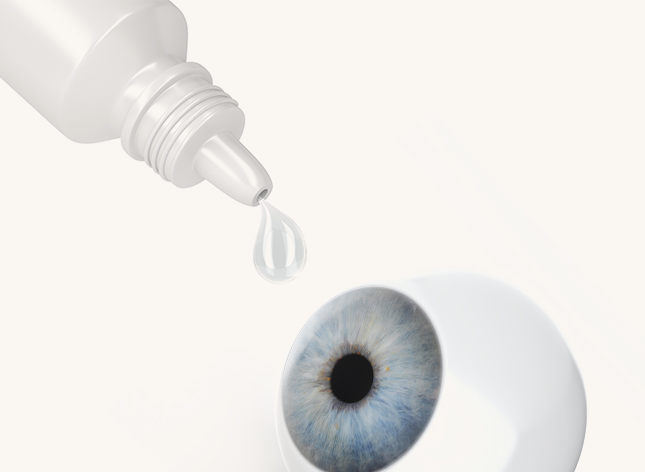
Progression can often be meaningfully slowed with strategies such as increased outdoor time, atropine eye drops, or orthokeratology (OK lens), though it usually cannot be fully stopped. Early intervention tends to produce the best results.
Q. Is orthokeratology (OK lens) safe for children?
OK lenses are widely used for myopia control in children under proper medical supervision, with regular follow-up to monitor eye health and fit. Your ophthalmologist can assess whether your child is a good candidate.
Q. What if my child fails a school vision screening?
A school screening is not a full eye exam and can miss or overstate certain conditions. Any failed screening should be followed up with a comprehensive eye exam by an ophthalmologist to confirm findings and check overall eye health.
Q. Does screen time cause permanent vision damage in children?
Screen time itself does not directly damage the eyes, but the near-focus work associated with screens is linked to faster myopia progression. Balancing screen time with outdoor activity and regular breaks helps protect developing vision.

Book a Consultation
Schedule your child’s eye exam at Nunehim Eye Center, Guro-gu, Seoul.
nunehim.com
📍 Visit Nunehim Eye Center: Guro, Seoul
Convenient access from Yeongdeungpo, Guro, Gasan, and Gwanak. Near Guro Digital Complex Station (Line 2), Nunehim Eye Center offers pediatric eye exams and myopia care in both Korean and English.
Address
551 Siheung-daero, Guro-gu, Seoul – nunehim.com
Hours
Mon-Fri 09:00-18:30 (lunch 13:00-14:00), Sat 09:00-14:00
Languages
Korean & English


Leave a comment