Q. When and how are children’s eyes checked in Korea?
Korea runs a national health screening programme for infants and young children, and school vision screening begins once children enter school. These checks are useful for catching reduced vision, but they are screening tools, not a full diagnosis. A child can pass a basic chart test and still have a large difference in prescription between the two eyes, or a small eye turn that appears only when tired. If your child fails a screening, or if you are worried despite a pass, a comprehensive exam with dilating drops at an eye clinic is the proper next step.
The goal of that exam is to answer three questions: how well does each eye see with the best possible glasses, are the eyes aligned and moving together, and is there any structural cause such as a cataract or a problem with the optic nerve or retina. The answers decide whether your child needs glasses only, glasses plus patching or drops, or a referral for strabismus assessment. Families in Guro, Yeongdeungpo, Gasan and Gwanak often bring their child straight after school, and early evening appointments on weekdays are worth asking about.
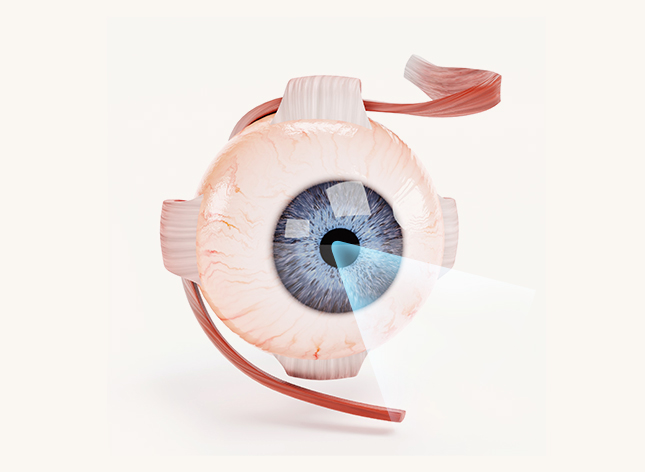
Amblyopia (Lazy Eye) Treatment for Children in Seoul: A Guide for Expat Parents
Glasses, patching and follow-up explained — for families in Guro, Yeongdeungpo, Gasan and Gwanak
Quick Answer
Amblyopia treatment children Seoul parents look for normally starts with a full eye exam, including dilated (cycloplegic) refraction, then correcting the cause with glasses. If vision in one eye stays weaker, the next step is usually patching the stronger eye or using atropine drops to push the brain to use the weaker one. Treatment works best when it starts early, but studies have also shown improvement in school-age children. Dr. Daniel Baik, a board-certified ophthalmologist at Nunehim Eye Center in Guro-gu, sees children in Korean and English.
Q. What is amblyopia, and why is it called lazy eye?
Amblyopia is reduced vision in one or both eyes that glasses alone cannot fully correct, caused by the brain and eye not working together properly during childhood. The eye itself is often structurally healthy; the problem is that the visual pathway did not develop normally. If you are searching for amblyopia treatment children Seoul clinics offer, the first thing to know is that this is a developmental condition, and the earlier it is found, the more room there is to improve. You can read about the clinic at nunehim.com, which serves families across Guro, Yeongdeungpo, Gasan and Gwanak.
Parents often do not notice amblyopia because a child with one good eye behaves normally. Children rarely complain, because they assume everyone sees the way they do. That is why vision checks at school, at pediatric visits and at an eye clinic matter even when nothing looks wrong.
Q. What causes amblyopia, and what signs should parents watch for?
There are three main causes. Strabismic amblyopia develops when the eyes are misaligned and the brain suppresses the image from the turned eye. Refractive amblyopia develops when the two eyes have very different prescriptions (anisometropia) or both eyes have a high uncorrected prescription, such as significant farsightedness or astigmatism. Deprivation amblyopia is rarer and happens when something blocks the image, such as a congenital cataract or a drooping eyelid. Signs a parent may notice include:
- An eye that drifts inward or outward, especially when tired
- Head tilting, squinting or covering one eye
- Poor depth perception, clumsiness with ball games or stairs
- A child who strongly resists having one eye covered
- Failing a school or preschool vision screening, even though there are no complaints
Amblyopia at a glance
- ▸ Amblyopia is commonly estimated to affect around 2–3% of the population.
- ▸ In large US trials (PEDIG), 2 hours of daily patching worked about as well as 6 hours for moderate amblyopia.
- ▸ For severe amblyopia, 6 hours of daily patching performed similarly to full-time patching in the same research.
- ▸ Trials have shown measurable improvement in children up to their mid-teens, although younger children generally respond best.
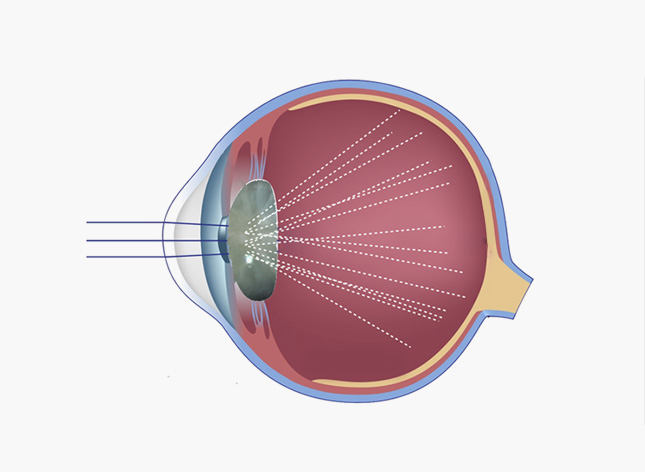
Q. How is amblyopia treated in children? (Amblyopia treatment children Seoul guide)
Treatment follows the cause. Step one is almost always full-time glasses for any significant refractive error. In many children, vision improves for several months with glasses alone, so doctors often wait before adding other treatments. Surgery is considered mainly for deprivation causes such as a congenital cataract, or for strabismus once vision is balanced.
If the weaker eye stays behind, there are three common options: patching the stronger eye for a set number of hours a day, atropine drops in the stronger eye to blur it so the weaker eye has to work, or newer binocular digital therapies that train both eyes together. Which one suits your child depends on age, severity and how well the family can follow the plan. The prescribed dose matters, and more is not always better, so follow the schedule your doctor gives you.
Compliance is the part that decides most outcomes. Children tolerate patching better when it is paired with a favourite close-up activity such as drawing, puzzles or reading, and when the family treats it as routine rather than punishment. A sticker chart and a consistent time of day help. If a child cannot tolerate patching at all, tell your doctor early so the plan can change rather than quietly stopping.
Q. How do foreign families get amblyopia care in Seoul?
You can book a children’s eye exam directly with a clinic; a referral is generally not required for a first visit at a local eye clinic. At Nunehim Eye Center you can reserve through Naver Booking or ask for an English consultation. Bring your child’s passport or Alien Registration Card (ARC), any prior eye records or glasses prescriptions from your home country, and the glasses your child currently wears. Tell the clinic if there is a family history of lazy eye, strabismus or high prescriptions.
A typical visit includes a vision check, a look at eye alignment and movement, and usually dilating drops to measure the true prescription, which can take a while to wear off. Coverage depends on your status: expats enrolled in Korean national health insurance generally pay a co-payment for medically necessary exams, while those who are not enrolled pay self-pay rates. Costs differ by tests and treatment, so ask the clinic for a current quote. Families living in Gasan, Gwanak and Yeongdeungpo can reach the clinic in Guro without difficulty.

Q. When should I see a doctor in Seoul?
See an eye doctor soon, and do not wait for the next school screening, if you notice any of the following:
- An eye that turns in or out, even only sometimes
- A child under 6 who has never had a full eye exam
- Failed vision screening at school or at a pediatric check-up
- A strong family history of amblyopia, strabismus or thick glasses
- A sudden new eye turn, double vision or drooping eyelid, which needs prompt evaluation
Q. What does the treatment journey look like?
1. Diagnose and correct
Dilated exam, accurate prescription and full-time glasses. Alignment is checked at the same time.
2. Strengthen the weaker eye
Patching, atropine drops or a digital program if vision remains unequal after glasses are adapted.
3. Maintain and monitor
Gradual tapering and regular check-ups, because vision can slip back if treatment stops suddenly.
A Practical Tip from Dr. Daniel Baik
“Two habits make a real difference: make sure your child wears the glasses full-time before you judge whether patching is needed, and taper patching gradually rather than stopping the day the chart improves. Vision in the treated eye can regress, so follow-up visits are part of the treatment.”
❓ Frequently Asked Questions
Q. Can amblyopia be treated in older children?
Younger children usually respond best, but studies have shown improvement in children well into their school years and even early teens. The earlier the better, yet an older child should still be examined rather than assumed to be too late.
Q. Will glasses alone fix a lazy eye?
Sometimes. If the cause is a prescription difference or high prescription, consistent full-time glasses wear can improve vision over several months. If one eye stays weaker after that, your doctor will discuss adding patching or drops.
Q. How many hours of patching does my child need?
It depends on severity and age, and your doctor sets the dose. In US trials, 2 hours a day was effective for moderate amblyopia and 6 hours a day for severe amblyopia, but individual plans vary.
Q. Are atropine drops an alternative to patching?
Yes, for selected children. Drops in the stronger eye blur its near vision so the weaker eye does more work. Some families prefer drops when a child refuses a patch, but they need a doctor’s supervision because of light sensitivity and other side effects.
Q. Is lazy eye the same as strabismus?
No. Strabismus is misalignment of the eyes, while amblyopia is reduced vision from abnormal brain development. Strabismus can cause amblyopia, but amblyopia can also occur with eyes that look perfectly straight.
Q. Do I need a referral or Korean language skills to get my child checked?
A referral is generally not needed for a first visit to a local eye clinic. Nunehim Eye Center offers Korean and English consultations, and you can book through Naver Booking.
Q. How long until I see improvement, and how often are check-ups?
Improvement is usually gradual, over months rather than days, and follow-up visits are typically scheduled every several weeks to a few months at first. Your doctor will tell you the schedule based on your child’s progress.

Related reading
- Children’s Eye Exam in Seoul: What Parents Need to Know
- School Vision Screening in Korea: What to Do If Your Child Fails
- Myopia Control for Children in Seoul: Glasses vs Ortho-K vs Low-Dose Atropine
Book a Consultation
Worried about your child’s vision? Book an exam with Dr. Baik, available in Korean and English.
📍 Visit Nunehim Eye Center — Guro, Seoul
Convenient access from Guro, Gasan, Gwanak and Yeongdeungpo. Near Guro Digital Complex Station (Line 2).
Address
551 Siheung-daero, Guro-gu, Seoul
nunehim.com
Hours
Mon–Fri 09:00–18:30 (lunch 13:00–14:00)
Sat 09:00–14:00
Languages
Korean & English


Leave a Reply