Dry Eye Contact Lens Seoul: Can You Still Wear Lenses With Dry Eye?
Comfortable contact lens options for dry eye — Nunehim Eye Center, Guro, Seoul
Quick Answer
Yes—many people with dry eye can still wear contact lenses in Seoul, but success depends on choosing the right lens type, using preservative-free drops, and getting a proper dry eye evaluation first. At Nunehim Eye Center in Guro-gu, board-certified ophthalmologist Dr. Daniel Baik helps patients across Yeongdeungpo, Guro, Gasan, and Gwanak find lens options—including daily disposables and scleral lenses—that stay comfortable even with dry eye.
Q. Why Do Contact Lenses Make Dry Eye Worse?
Contact lenses sit directly on the tear film, the thin layer of moisture that keeps the eye’s surface smooth and comfortable. Extended lens wear can disrupt this tear film, increase evaporation, and reduce oxygen flow to the cornea, all of which can worsen the itching, redness, and grittiness associated with dry eye. In a city like Seoul, where indoor heating in winter and air conditioning in summer create low-humidity office environments across Yeongdeungpo and Gasan business districts, contact lens wearers are especially prone to flare-ups.
Q. What Are the Signs Dry Eye Is Affecting Your Contact Lens Wear?
- Lenses feel dry, gritty, or uncomfortable after just a few hours
- Vision blurs periodically and clears again after blinking
- Increased redness or sensitivity by the end of the workday
- Needing to remove lenses earlier than planned
- Reliance on rewetting drops just to get through the day
Dry Eye & Contact Lenses by the Numbers
- ▸ Dry eye disease affects an estimated 1 in 3 adults in Korea, with higher rates among contact lens wearers and screen-heavy office workers
- ▸ Studies suggest up to 50% of contact lens wearers report dry eye symptoms
- ▸ Seoul’s low winter humidity and widespread indoor heating are linked to seasonal spikes in dry eye clinic visits
- ▸ Women are diagnosed with dry eye at roughly twice the rate of men in Korean population studies
Q. Which Contact Lenses Are Best for Dry Eyes in Seoul?
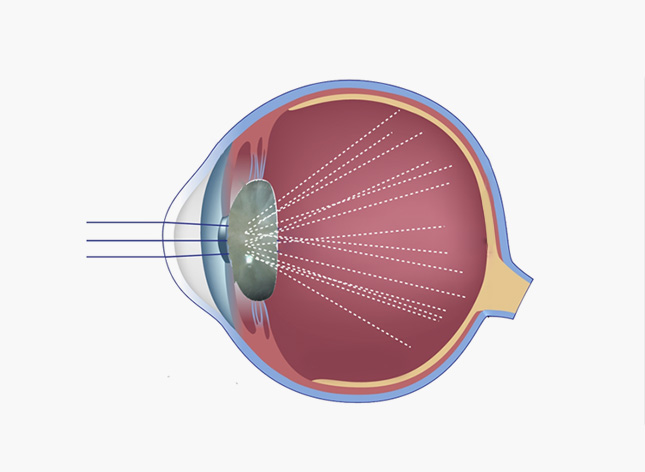
Daily disposable soft lenses are often the first recommendation, since a fresh lens each day avoids the protein and lipid buildup that worsens dryness. Silicone hydrogel materials allow more oxygen to reach the cornea than older hydrogel lenses, which can also reduce irritation. For patients across Gwanak and Guro who’ve struggled with standard soft lenses, scleral lenses—which vault over the cornea and trap a reservoir of fluid—can provide dramatic relief from chronic dryness.
Dr. Baik also evaluates whether orthokeratology (OK lens), worn only overnight, might be a better fit for certain patients, since it removes the need for daytime lens wear altogether while still correcting vision. The right choice depends on your tear film quality, corneal shape, and lifestyle, which is why a proper fitting at Nunehim Eye Center matters more than picking a lens off the shelf.
Q. What Else Helps Beyond Choosing the Right Lens?
Preservative-free artificial tears used before and during lens wear can meaningfully reduce discomfort, as can taking regular screen breaks using the 20-20-20 rule. Warm compresses and lid hygiene help address meibomian gland dysfunction, a common underlying cause of dry eye among contact lens wearers in Seoul’s office-heavy Yeongdeungpo and Gasan districts. In more persistent cases, in-clinic treatments such as meibomian gland expression or punctal plugs can be considered alongside lens changes.
Q. When Should I See a Doctor About Dry Eye and Contact Lenses in Seoul?
- Eye pain, not just dryness, while wearing lenses
- Sudden blurred vision that doesn’t clear with blinking
- Redness that persists after removing your lenses
- Light sensitivity or a feeling that something is stuck in the eye
- Dry eye symptoms that don’t improve after switching lens types or using drops
Daily Disposables
Fresh lenses each day minimize deposit buildup and are often the easiest adjustment for mild dry eye.
Scleral Lenses
Vault over the cornea and hold a fluid reservoir, offering relief for moderate to severe dry eye.
OK Lens (Overnight)
Worn only while sleeping, removing daytime lens-related dryness entirely.
From Dr. Daniel Baik
“So many contact lens wearers in Guro and Yeongdeungpo assume they simply have to live with dry, uncomfortable eyes by lunchtime. In most cases, a change in lens material or wearing schedule—combined with the right drops—makes a real difference.” — Dr. Daniel Baik, board-certified ophthalmologist at Nunehim Eye Center.
❓ Frequently Asked Questions
Q. Can I wear contact lenses if I have dry eye?
Many people with dry eye can still wear contact lenses successfully, especially with daily disposables, silicone hydrogel materials, or scleral lenses fitted specifically for dry eye.
Q. Are daily disposable lenses better for dry eye?
Yes, daily disposables avoid the protein and lipid deposits that build up on reusable lenses, which can reduce irritation and dryness for many wearers.
Q. What are scleral lenses and how do they help dry eye?
Scleral lenses are large-diameter rigid lenses that vault over the cornea and trap a reservoir of fluid against the eye’s surface, providing continuous moisture for patients with moderate to severe dry eye.
Q. Should I stop wearing contacts if my eyes feel dry?
Persistent dryness shouldn’t be ignored; it’s worth having a proper dry eye evaluation in Seoul rather than pushing through discomfort, since untreated dry eye can affect the cornea over time.
Q. Does OK lens (orthokeratology) help with dry eye?
Yes, because OK lenses are worn only overnight, they eliminate daytime lens-related dryness while still correcting vision during waking hours.
Q. How often should contact lens wearers with dry eye see an eye doctor?
Patients managing dry eye alongside contact lens wear are generally advised to have a check-up every 6 to 12 months, or sooner if symptoms change.
Q. Where can I get a dry eye and contact lens fitting near Gasan or Gwanak?
Nunehim Eye Center in Guro-gu is a short trip from Gasan and Gwanak via Guro Digital Complex Station, and offers dry eye evaluation alongside specialty contact lens fittings.

Book a Consultation
Get a dry eye evaluation and contact lens fitting with Dr. Daniel Baik at Nunehim Eye Center, Guro-gu, Seoul.
Or visit nunehim.com
📍 Visit Nunehim Eye Center — Guro, Seoul
Convenient access from Guro, Gasan, Gwanak & Yeongdeungpo. Near Guro Digital Complex Station (Line 2).
Address
551 Siheung-daero, Guro-gu, Seoul · nunehim.com
Hours
Mon–Fri 09:00–18:30 (lunch 13:00–14:00), Sat 09:00–14:00
Languages
Korean & English


Leave a comment