IPL vs Eye Drops for Dry Eye: Which Works Better for Office Workers? (IPL Dry Eye Treatment Seoul)
A practical guide for desk workers and expats in Guro, Yeongdeungpo, Gasan and Gwanak
Quick Answer
Eye drops and IPL do different jobs. Artificial tears replace missing moisture and work within minutes, but they do not fix the cause. IPL dry eye treatment Seoul clinics offer targets meibomian gland dysfunction (MGD), the oil-gland problem behind most evaporative dry eye in screen users, so it can reduce how much you depend on drops over time. For most office workers the best plan is a drop-based baseline plus an exam to find out whether IPL is appropriate. Book an English-language dry eye exam at Nunehim Eye Center in Guro to find out which route fits you.
| Option | Best suited for | Main limits |
|---|---|---|
| Preservative-free eye drops | Fast symptom relief and a dry-feeling surface | They do not unblock or restore meibomian glands |
| Warm compress and lid care | Early gland blockage and daily maintenance | Needs consistent use; may not be enough when glands are damaged |
| IPL for selected MGD | Gland-related dry eye after an examination | Not suitable for everyone; usually needs a series and follow-up |
Q. What is IPL dry eye treatment Seoul clinics offer, and how is it different from eye drops?
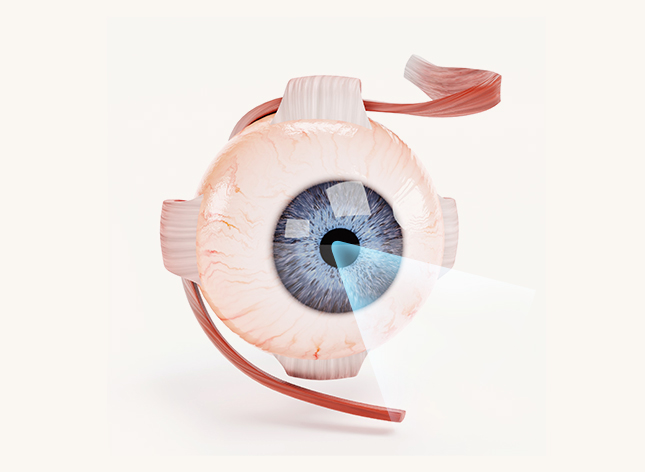
IPL dry eye treatment Seoul clinics offer uses Intense Pulsed Light, a series of brief, filtered light pulses applied to the skin along the lower eyelids and cheekbones. The goal is not to treat the surface of the eye itself. Instead, the light is intended to reduce inflammation and abnormal blood vessels around the eyelid margin and to help the meibomian glands, which secrete the oily layer of your tears, work normally again. Eye drops, in contrast, sit on the eye and supplement the watery or lubricating part of the tear film. Think of drops as a bandage for symptoms and IPL as an attempt at maintenance on the oil glands that keep tears from evaporating. In Korea, many office workers living or working around Yeongdeungpo, Guro Digital Complex and Gasan Digital Complex arrive with the same story: burning, blurry vision by mid-afternoon, and a drawer full of drops that help for ten minutes.
Q. Why do office workers get dry eye so often?
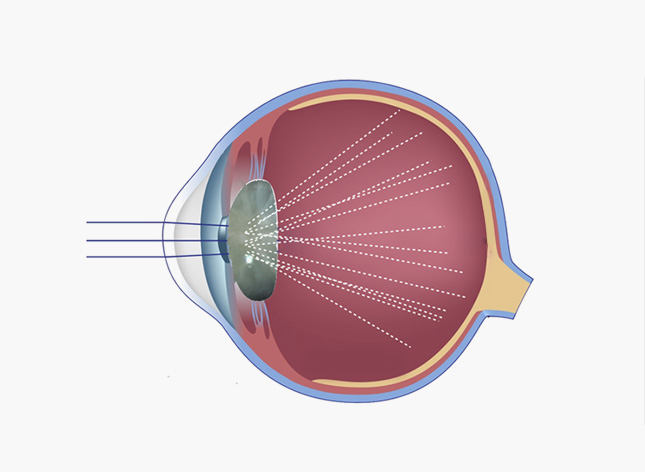
Office workers get dry eye mainly because they blink less and blink incompletely while concentrating on screens. A relaxed blink rate is commonly cited at roughly 15 to 20 blinks per minute, and during focused screen work it is often reported to fall to about a third of that. Incomplete blinks mean the meibomian glands in the eyelids are not squeezed, so oil is not released, and over months the glands can become blocked or shrink. Dry air from office air conditioning and winter heating (ondol and radiators in Seoul apartments make this worse), long commutes on Line 2 and Line 9, contact lens wear and a lack of sleep add to the problem. This is why two people with the same symptoms can need different treatments: one may mostly lack aqueous tears, another mostly lack oil. An examination is how you tell which one you are.
Q. What are the symptoms of dry eye from screen work?
The most common signs are a gritty or burning feeling, eyes that tear up reflexively, and vision that blurs and then clears after a blink. Symptoms that point to the oil-gland (MGD) type, where IPL is most often discussed, include:
Key Facts Worth Knowing
Q. Which works better for office workers: IPL or eye drops?
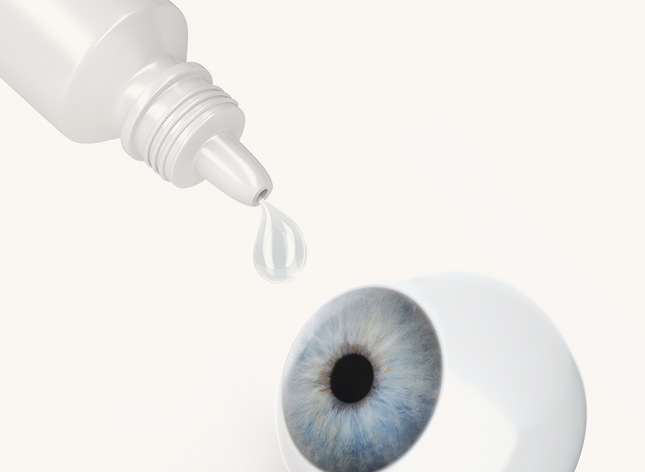
Neither is universally better; they solve different problems. Preservative-free artificial tears are the right first step for almost everyone: they are inexpensive, quick, and safe to use during the workday. Their limit is that they wash out within minutes to hours and do nothing for blocked glands. If your exam shows meibomian gland dysfunction, drops alone often plateau. In that case warm compresses, lid hygiene, and in suitable patients IPL are added to address the cause.
IPL is not for everyone. It is generally considered for people with MGD and visible lid inflammation; it is usually avoided or approached carefully with very dark skin tones, recent tanning, certain photosensitising medications, or active infection. IPL is also typically delivered as a short series of sessions rather than a single treatment, with maintenance later if symptoms return. Ask the clinic for a current quote and treatment plan, since pricing and session numbers depend on your exam findings.
Q. How can foreigners in Korea get a dry eye exam and IPL consultation?
Expats living in Guro, Gasan, Gwanak, Yeongdeungpo and nearby areas can book a Korean or English consultation at Nunehim Eye Center through Naver Booking, using the button below. Bring your passport or Alien Registration Card (ARC), a list of your current drops and medications, your contact lens details, and any records from home. A typical visit includes a history, slit-lamp examination of the eyelids and tear film, and a discussion of options. In Korea, services covered by the National Health Insurance are billed at the standard rate if you are enrolled, while many cosmetic or elective procedures are self-pay. Whether IPL for dry eye falls under insurance or self-pay can change, so ask the clinic for a current quote before you start. If you are visiting without Korean insurance, expect to pay for exams yourself and request an itemised receipt for your travel insurer.
Q. When should I see a doctor in Seoul about dry eye?
See an ophthalmologist promptly, rather than trying more drops, if you notice any of these:
Q. What happens during an IPL dry eye visit?
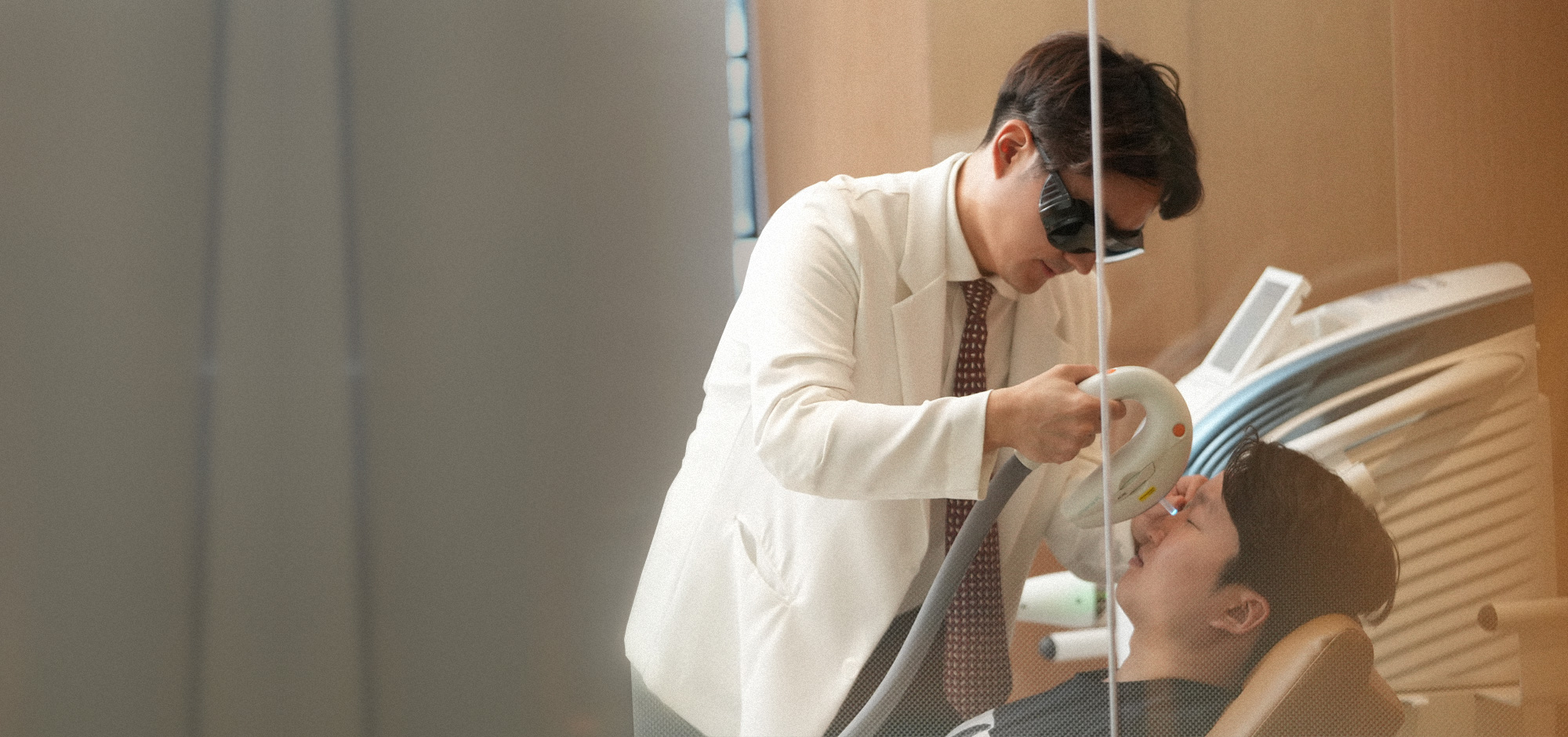
A typical visit starts with questions about your symptoms, screen hours, contact lens use and medications. The doctor then examines the eyelid margin and the openings of the meibomian glands under the slit lamp, checks how stable your tear film is, and looks at the front surface of the eye for damage. If IPL is appropriate, eye shields are placed, a cooling gel is applied, and light pulses are delivered along the lower lids and upper cheeks. Sessions are brief, and most people return to work the same day, though you should avoid strong sun exposure and tanning in the days around treatment and use sunscreen on the treated area.
Improvement is usually gradual rather than immediate, which is why it helps to keep a simple symptom log: note afternoon burning, how often you reach for drops, and any change in morning crusting. Many office workers from Gasan, Guro and Yeongdeungpo find it convenient to schedule on a Saturday morning or at the start of the workday, and students and residents from Gwanak often fit visits between classes. Your doctor will review progress at follow-up and decide whether further sessions or a maintenance schedule are useful.
Step-by-Step: A Practical Dry Eye Ladder for Desk Workers
Step 1: Baseline
Preservative-free tears, a screen position slightly below eye level, a humidifier, the 20-20-20 habit and deliberate full blinks.
Step 2: Lid care
Daily warm compress and gentle lid hygiene if the exam shows blocked meibomian glands. Consistency matters more than product.
Step 3: In-clinic options
For persistent MGD: IPL or other gland-directed treatment, chosen after examination. Follow-up shows whether symptoms and tear quality improve.
A Doctor’s Practical Tip
Practical point: Before paying for an in-clinic dry eye treatment, try a consistent baseline for about two weeks: preservative-free tears when needed, a warm compress if your examination shows blocked glands, and regular screen breaks with complete blinks. If symptoms still build by mid-afternoon, an eyelid and tear-film examination can show whether meibomian gland dysfunction is contributing and whether IPL is reasonable for you.
❓ Frequently Asked Questions
Q. Does IPL for dry eye hurt?
Most people describe it as a mild snapping or warm sensation. Protective eyewear is used and the light is applied to the skin around the eyes, not to the eye itself. Tell your doctor if it is uncomfortable so settings can be adjusted.
Q. How many IPL sessions are needed?
IPL for dry eye is usually given as a short series of sessions spaced a few weeks apart, with maintenance if symptoms return. The exact number depends on your exam findings, so ask the clinic for a plan and a current quote.
Q. Can I keep using eye drops during IPL treatment?
Yes. Drops are usually continued, then reduced gradually as symptoms improve. Do not stop prescribed medication without asking your doctor.
Q. Is IPL covered by Korean health insurance?
Coverage for dry eye procedures can vary and changes over time, and elective treatments are commonly self-pay. Ask Nunehim Eye Center for a current quote, and bring your insurance information if you have it.
Q. Can contact lens wearers have IPL?
Often yes, but you may be asked to avoid lenses on the day of the visit. Lens wear that continues despite dry eye is covered in our dry eye contact lens guide.
Q. Do I need a referral to see an ophthalmologist in Korea?
No referral is needed for a clinic like Nunehim Eye Center in Guro. You can book directly through Naver Booking and request an English-language consultation.
Q. Will blue light glasses fix dry eye?
Blue light glasses do not treat dry eye. Blink habits, screen distance, humidity and the health of your meibomian glands matter far more.

Evidence & Further Reading
- TFOS DEWS III Management and Therapy Report (2025) — evidence review of dry-eye mechanisms and treatment options, including device-based therapies.
- Cochrane review of intense pulsed light for MGD — explains why early trials were limited and why patient selection matters.
- Systematic review and meta-analysis of IPL for MGD-related dry eye — reports pooled evidence and limitations.
- U.S. FDA device classification: intense pulsed light device for managing dry eye — describes the device category; it is not a blanket endorsement of every device or every patient.
Related Reading
Book a Consultation
Get an English-language dry eye exam in Guro, Seoul and find out whether drops, lid care or IPL fits your eyes.
More information: nunehim.com
📍 Visit Nunehim Eye Center — Guro, Seoul
Easy access from Guro, Gasan, Gwanak and Yeongdeungpo, near Guro Digital Complex Station (Line 2).
Address
551 Siheung-daero, Guro-gu, Seoul
nunehim.com
Hours
Mon–Fri 09:00–18:30 (lunch 13:00–14:00)
Sat 09:00–14:00
Languages
Korean & English


Leave a Reply