Halos and Glare After LASEK Surgery in Seoul: Are They Permanent? A Guide for Expats
What night-time starbursts really mean, how long they last, and when to see an eye doctor in Guro, Seoul
Quick Answer
Halos and glare after LASEK are usually temporary. If you are searching for information on halos glare after LASEK Seoul, the short answer is that most people notice them most in the first weeks, when the corneal surface is still healing and tear film is unstable, and they typically fade progressively over the following weeks to a few months. They can persist when there is a large pupil, residual refractive error, dry eye or corneal haze, and each of these has a specific treatment. See an ophthalmologist if night symptoms are getting worse instead of better.
Q. What causes halos and glare after LASEK?
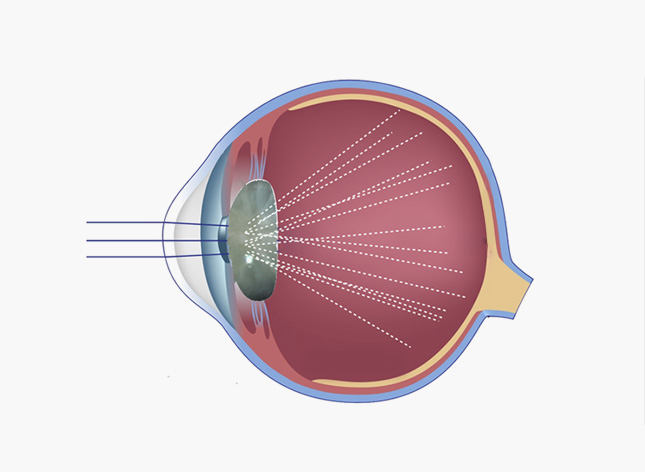
Halos and glare after LASEK come from light scattering at the corneal surface. LASEK is a surface ablation: the thin epithelium is moved aside, the laser reshapes the cornea underneath, and the epithelium then regrows over the new surface. While it regrows, the surface is slightly irregular and the tear film is unstable, so a point of light such as a headlight or street lamp is smeared into a ring (halo), a streak (glare) or spikes (starburst). Patients living in Guro, Gasan, Yeongdeungpo and Gwanak often notice it first while driving home at night or looking at neon signage and LED lighting. This is the reason night symptoms are checked at every follow-up visit.
Four factors matter most. First, healing: the epithelium and the tear film settle over weeks. Second, pupil size: in dim light the pupil widens, and if it is wider than the treated optical zone, light passes through the transition edge of the treatment. Third, residual refractive error, including small amounts of leftover astigmatism or a slight under-correction. Fourth, dry eye, which is very common after any corneal laser and makes light scatter worse. A good pre-operative assessment, including pupil measurement in dim light and a tear film evaluation, is how these risks are reduced before surgery rather than after.
Q. What do halos, glare and starbursts look like, and which symptoms are normal?
| Time after LASEK | What can be common | What should trigger a review |
|---|---|---|
| Weeks 1–4 | Halos, glare, fluctuating blur and dry-eye discomfort while the surface heals | Severe pain, increasing redness, discharge or a sudden drop in vision |
| Months 1–3 | Night symptoms often become less noticeable as the epithelium and tear film stabilise | Symptoms are worsening, not improving, or remain unsafe for driving |
| Beyond 3 months | Some people still notice symptoms, especially with dry eye or a residual prescription | Persistent symptoms need refraction, tear-film assessment and corneal imaging |
General healing timelines (vary by patient)
These are general clinical patterns, not guarantees. Ask the clinic about your individual healing course.
Why blue-light glasses are not the main answer
Screen use can make post-LASEK glare feel more noticeable because people blink less and the tear film breaks up during prolonged near work. That does not mean ordinary screen blue light is damaging the healing cornea. The American Academy of Ophthalmology notes that there is no good evidence that device blue light causes eye disease. Adjust brightness and reflections, take comfortable breaks, and use the drops prescribed for you rather than relying on a blue-light filter as treatment.
When symptoms need an earlier appointment
Contact your surgeon or an eye clinic promptly if pain is increasing, redness is spreading, discharge appears, vision drops suddenly, or one eye becomes much worse than the other. A curtain-like shadow, new flashes or a sudden shower of floaters is an emergency unrelated to routine LASEK healing. Do not drive if glare or blur makes the road unsafe.
Q. How are halos and glare after LASEK treated in Seoul?
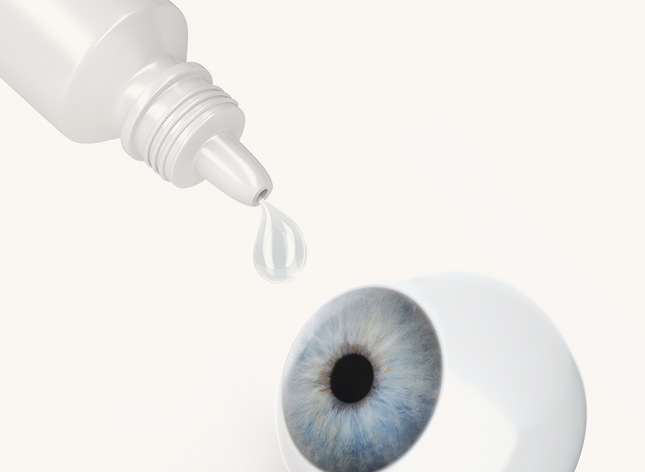
Treatment follows the cause. Lubricating, preservative-free artificial tears and a proper eyelid hygiene routine are the first step, since a smoother tear film reduces scatter. Your doctor may extend or adjust anti-inflammatory drops, check for residual refractive error, and measure the cornea with topography to look for irregularity. Many patients also benefit from a stepwise dry eye plan, as we explain in our IPL vs eye drops comparison.
If a small residual error is the cause and the eye has stabilised, an enhancement can be discussed after careful measurement. Our approach at Nunehim Eye Center is to treat the surface first and confirm stability before considering anything further. We specialise in TransPRK and 2-Day LASEK, so we see this recovery pattern regularly in patients from Guro, Gasan and Gwanak.
Q. What should foreigners in Korea know about follow-up care after LASEK?
Expats can see an English-speaking eye doctor in Seoul without a referral, because Korean clinics accept walk-in and online reservations directly. You can book through Naver Booking and request an English consultation. Bring your passport or Alien Registration Card (ARC), your previous prescription or glasses, and any records from overseas. Vision correction surgery is commonly self-pay, but coverage and what is included can vary. Ask the clinic for a current quote and exactly what is included in follow-up visits; medical eye problems are handled under different rules. A typical visit includes vision and refraction testing, slit-lamp examination, corneal imaging and a tear film check. If you travel for work, plan your follow-up schedule before flying, because the early review visits matter most.
Q. When should I see a doctor in Seoul about halos or glare?
Weeks 1–4
Surface healing and an unstable tear film. Halos and glare are most likely now. Use drops exactly as prescribed and avoid rubbing your eyes.
Months 1–3
Night symptoms usually improve as the epithelium and tear film stabilise. Your doctor re-checks refraction and the corneal surface.
Beyond 3 months
If symptoms are still bothersome, the cause is investigated: dry eye, residual error, pupil size or corneal irregularity.
Dr. Daniel Baik, board-certified ophthalmologist
Clinical perspective: Night glare is assessed by looking for the cause rather than assuming it is permanent. A clinician can compare refraction, tear-film stability, pupil size and corneal topography over time; treating the surface first often clarifies whether anything else needs attention.
❓ Frequently Asked Questions
Q. Are halos and glare after LASEK permanent?
In most patients they are not. They are commonly strongest in the first weeks and ease as the surface heals and the tear film stabilises. A smaller number of people have lasting symptoms, usually linked to pupil size, dry eye, residual error or corneal haze, which is why a follow-up examination is important.
Q. How long do halos last after LASEK?
There is no single timeline. Many patients see steady improvement over the first one to three months, and the dry eye component can take longer. If your symptoms plateau or worsen, book a review rather than waiting.
Q. Can I drive at night after LASEK?
Drive only when your doctor confirms that your vision meets the driving standard and you feel safe. Night glare can make the first weeks harder, so avoid long night drives in the early recovery period.
Q. Do dry eyes make halos worse?
Yes. An uneven tear film scatters light and often makes halos and starbursts more noticeable, particularly in the evening or after long periods at a screen. Preservative-free lubricants and treating eyelid inflammation can help.
Q. Is LASEK or TransPRK better for night vision?
Both are surface treatments with a similar healing pattern, and the outcome depends more on a careful pre-operative assessment, the optical zone and your pupil size than on the label. We specialise in TransPRK and 2-Day LASEK and discuss which fits your eyes. We do not offer SMILE.
Q. Can I get an English consultation in Seoul for post-LASEK problems?
Yes. Nunehim Eye Center in Guro-gu offers consultations in Korean and English, and you can book directly through Naver Booking. Bring your passport or ARC and any previous surgery records.
Q. What can I do at home to reduce glare?
Use preservative-free tears as directed, take screen breaks, keep the room humidified, wear sunglasses outdoors and avoid rubbing your eyes. These steps support healing but do not replace an examination if symptoms persist.
Sources and further reading
- American Academy of Ophthalmology: blue light and digital eye strain
- American Academy of Ophthalmology: LASIK risks and expectations
- ESCRS recommendations for refractive surgery
- Digital Eye Strain: Updated Perspectives (peer-reviewed review)
- Clinical trial: break reminders, dry eye and digital eye strain
- American Optometric Association: 20-20-20 guidance
- Getting an eye exam in Seoul as a foreigner
Related reading
Book a Consultation
Worried about night vision after LASEK? Talk to a board-certified ophthalmologist in Guro, Seoul.
📍 Visit Nunehim Eye Center — Guro, Seoul
Easy access from Guro, Gasan, Gwanak and Yeongdeungpo. Near Guro Digital Complex Station (Line 2).
Open Nunehim Eye Center in Google Maps →
Message our clinic on KakaoTalk →
Address
551 Siheung-daero, Guro-gu, Seoul · nunehim.com
Hours
Mon–Fri 09:00–18:30 (lunch 13–14), Sat 09:00–14:00
Languages
Korean & English


Leave a Reply