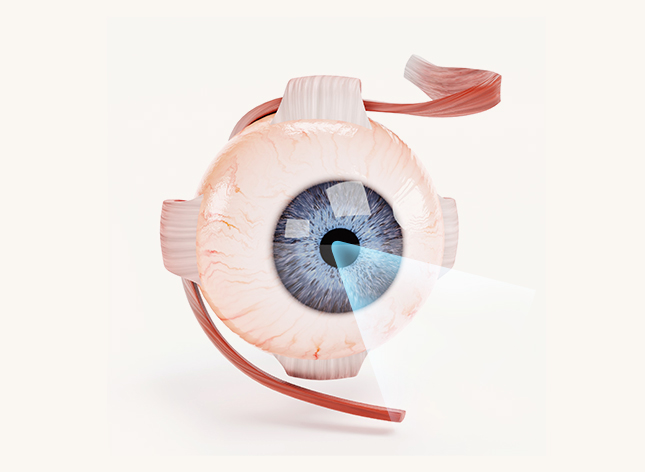
TransPRK LASEK LASIK Comparison Seoul: Which Vision Correction Is Right for You?
Laser eye surgery options for expats and residents in Guro, Yeongdeungpo, Gasan & Gwanak
Quick Answer
In a TransPRK LASEK LASIK comparison in Seoul, the real difference is how the cornea’s surface is handled. LASIK cuts a thin corneal flap, so recovery of vision is fastest but the cornea keeps a permanent flap. LASEK and TransPRK are surface procedures with no flap: LASEK loosens the surface layer with alcohol, while TransPRK removes it with the laser itself in one step. Surface treatments are often preferred for thinner corneas, contact sports and dry eyes, at the cost of a few days of discomfort and slower visual recovery. The right choice depends on your corneal scan, prescription and lifestyle — not on which name sounds newest.
Q. What is the difference between TransPRK, LASEK and LASIK?
All three reshape the cornea with an excimer laser to correct myopia, hyperopia and astigmatism. The difference between them is the first step — how the laser reaches the corneal tissue — and that single step changes recovery, risk profile and who is a good candidate. If you are comparing TransPRK, LASEK and LASIK in Seoul, think of it as “flap” versus “no flap.”
- LASIK: a femtosecond laser or blade creates a thin hinged flap of corneal tissue. The flap is lifted, the laser treats the tissue underneath, and the flap is replaced. Vision is usually usable within a day.
- LASEK: the thin surface layer (epithelium) is loosened with a dilute alcohol solution and moved aside, the laser treats the surface beneath, and the layer is repositioned under a bandage contact lens. No stromal flap is created.
- TransPRK (the technique behind our 2-Day LASEK approach): the laser removes the epithelium and reshapes the cornea in one continuous, no-touch step — no blade, no alcohol, no flap.
Many expats first meet these names on a price list in Yeongdeungpo or Gangnam. We explain how our Nunehim Eye Center approaches this decision in the sections below. Note that Nunehim Eye Center does not offer SMILE; our laser vision work focuses on TransPRK / 2-Day LASEK and OK lens.
Q. Who is a good candidate for each procedure?
Candidacy is decided by measurements, not preference. Commonly considered factors include:
- Age and stability: adults (usually 18+) whose prescription has been stable for about a year. See our guide on whether 18 is old enough for LASIK or LASEK.
- Corneal thickness and shape: thin or irregular corneas generally push the decision toward surface treatment (TransPRK/LASEK) rather than a flap.
- Dry eye: because LASIK cuts corneal nerves in the flap, existing dry eye is a reason to look closely at surface options.
- Lifestyle: martial arts, football, ball sports or military/police work favour no-flap procedures; a tight work deadline favours a faster visual recovery.
- Pupil size and night driving: large pupils in dim light can increase halos after any laser; this is measured before surgery.
Key facts at a glance
- ▸ The corneal epithelium (surface layer) is only about 50 microns thick, roughly half the width of a human hair.
- ▸ A LASIK flap is typically cut around 100–120 microns deep, so it permanently changes corneal structure.
- ▸ Surface procedures (LASEK, TransPRK) usually need about 3–5 days with a bandage lens while the surface heals.
- ▸ A stable prescription for roughly 12 months is the common minimum before any laser vision correction.
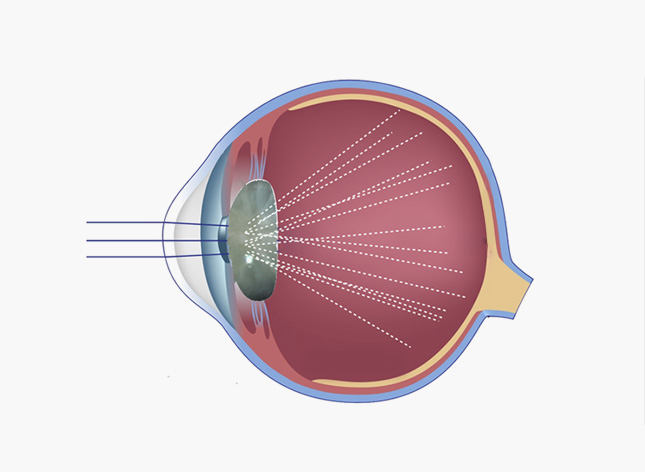
Q. How does recovery compare after TransPRK, LASEK and LASIK in Seoul?
LASIK gives the quickest return of functional vision, often by the next morning, with minimal discomfort. TransPRK and LASEK take longer: expect scratchy, light-sensitive eyes for the first two to three days, a bandage contact lens for roughly the first week, and vision that sharpens over one to several weeks.
The trade-off is structural. Surface procedures leave the cornea without a flap, which many surgeons favour for contact sports and for thinner corneas. For a step-by-step view of aftercare, read our LASEK recovery tips for Seoul.
Q. How can foreigners in Seoul get a laser vision consultation?
Foreigners can book a consultation in English at Nunehim Eye Center via Naver Booking, then bring the following: your passport or ARC (Alien Registration Card), your current glasses and contact lens prescription, and any prior eye records. Soft contact lenses are normally stopped about one to two weeks before measurements and rigid lenses longer — ask the clinic for your exact timeline.
Laser vision correction is an elective procedure, so it is generally self-pay rather than covered by Korean national health insurance; ask the clinic for a current quote. A typical visit includes corneal topography, thickness and pupil measurements, a dilated exam and a discussion of options in English. Patients come from Guro, Gasan, Yeongdeungpo and Gwanak, and many fit the visit into a lunch or Saturday-morning slot.
Q. When should I see a doctor in Seoul instead of waiting?
Book an exam promptly if you have any of these — and seek urgent care after surgery if they appear:
- Sudden loss of vision or a curtain/shadow over part of your vision
- Severe eye pain, especially with redness and light sensitivity after a procedure
- New flashes of light or a sudden shower of floaters
- Worsening blur or discharge in the first week after surgery
- A contact lens that feels stuck or has caused persistent redness
LASIK
Flap-based. Fastest visual recovery and least early discomfort. Best suited to adequately thick corneas, low sports risk and no significant dry eye.
LASEK
Surface treatment using alcohol to loosen the epithelium. No flap, but a slower, more uncomfortable first week than LASIK.
TransPRK
All-laser, no-touch surface treatment. No blade, no alcohol, no flap — well suited to thinner corneas, active lifestyles and dry-eye-prone patients.
A note from Dr. Daniel Baik
“Before choosing between LASIK and a surface procedure, ask for your corneal thickness and topography numbers in writing, and stop wearing soft contact lenses for at least a week or two before the scan. Lenses warp the cornea and can make a normal eye look abnormal, or hide a real problem.” — Dr. Daniel Baik, board-certified ophthalmologist
❓ Frequently Asked Questions
Q. Is TransPRK better than LASIK?
Neither is universally better. TransPRK avoids a corneal flap and suits thinner corneas and contact-sport athletes, while LASIK offers faster early recovery. Your scan results decide.
Q. Is LASEK the same as TransPRK?
No. LASEK uses dilute alcohol to loosen the epithelium before the laser treatment, while TransPRK removes the epithelium with the laser in one step, with no alcohol and no blade.
Q. Which procedure has the most comfortable recovery?
LASIK is generally the most comfortable in the first days. TransPRK and LASEK usually cause two to three days of scratchy, light-sensitive eyes before settling.
Q. Which option is best for dry eyes?
Surface procedures like TransPRK are often favoured when dry eye is a concern because they do not cut a corneal flap and nerves. Any laser can temporarily worsen dryness, so treat dry eye first.
Q. Can foreigners have laser eye surgery in Seoul?
Yes. Bring your passport or ARC and prior prescription, and book an English consultation through Naver Booking. Laser vision correction is elective and generally self-pay; ask the clinic for a current quote.
Q. Do I need a referral or national insurance?
No referral is needed for a consultation. Elective laser vision correction is generally not covered by national health insurance, so there is usually no insurance claim to file.
Q. What if I am not a candidate for laser surgery?
Options include ICL (implantable collamer lens) for high prescriptions or thin corneas, OK lens for adults and children with myopia, or updated glasses and contacts. We explain alternatives after your exam.
Related reading
- TransPRK (2-Day LASEK) Consultation: What to Expect at Nunehim Eye Center
- How TransPRK Fixes Astigmatism: What Athletes Need to Know
- ICL Eye Surgery in Seoul: Who Is a Candidate for an Implantable Collamer Lens?
Book a Consultation
Get a personalised comparison based on your own corneal scan — in English or Korean.
Q. What are the risks and side effects of each TransPRK LASEK LASIK option?
Every laser procedure can cause temporary dry eye, glare and halos around lights at night, and a small chance of under- or over-correction that may need an enhancement. LASIK adds flap-specific risks such as flap displacement after trauma and flap-related complications; surface procedures add early pain, slower visual recovery and, rarely, corneal haze, which is why a steroid drop schedule is followed carefully. Neither category is risk-free, and a careful pre-operative scan is the best protection. Our guide to halos and glare after LASEK explains what is normal in the first months.
Patients travelling from Yeongdeungpo, Gwanak or Gasan often ask which procedure lets them return to work fastest. LASIK usually wins on speed, but for desk workers in Guro and Yeongdeungpo, a long weekend or a few days of leave is often enough for a surface procedure as well. Plan on avoiding eye makeup, swimming and dusty environments for the first period after any laser, and keep follow-up visits — they matter more than the choice of procedure.
Finally, be wary of any clinic that recommends the same procedure for every patient. In a real TransPRK LASEK LASIK comparison in Seoul, your own corneal thickness, prescription, pupil size and lifestyle should decide the answer, and a good surgeon will tell you plainly when laser surgery is not the right option and ICL or OK lens may fit better.
📍 Visit Nunehim Eye Center — Guro, Seoul
Convenient access from Guro, Gasan, Yeongdeungpo and Gwanak. Near Guro Digital Complex Station (Line 2).
Address
551 Siheung-daero, Guro-gu, Seoul
nunehim.com
Hours
Mon–Fri 09:00–18:30 (lunch 13–14)
Sat 09:00–14:00
Languages
Korean & English


Leave a Reply