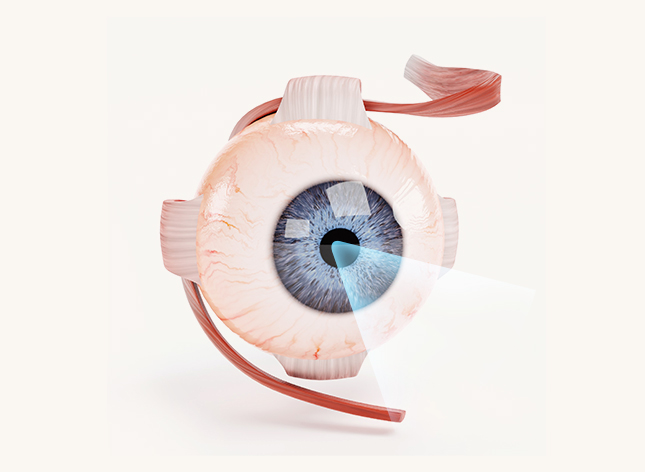
How TransPRK Fixes Astigmatism: What Athletes Need to Know
No flap, no cut, back to training — a guide to TransPRK astigmatism correction for athletes in Seoul
Quick Answer
For TransPRK astigmatism athletes Seoul patients ask about most, the short answer is: yes, TransPRK can correct most astigmatism, and it is often the best choice for athletes. The excimer laser reshapes the corneal surface directly — no flap is created — so there is no risk of flap displacement from a blow to the eye. Most patients see well enough to work within about a week, return to running in 1–2 weeks and to contact sports after about a month. A detailed pre-op exam in Guro determines whether your astigmatism and corneal thickness are suitable.
Q. What is TransPRK and how does it fix astigmatism?
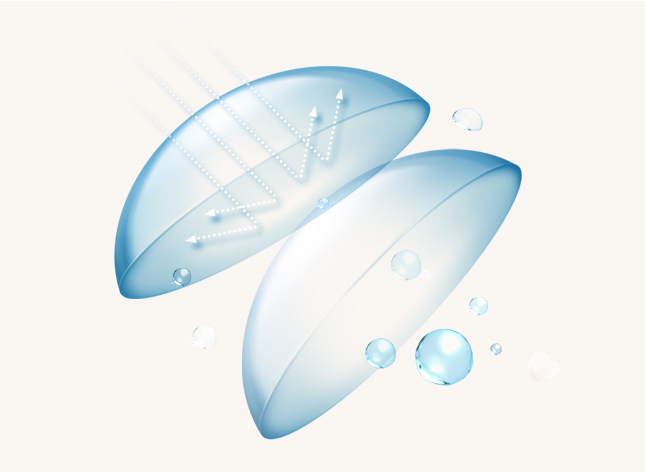
TransPRK astigmatism correction for athletes in Seoul works by reshaping the cornea — the clear front window of the eye. Astigmatism means the cornea is curved more steeply in one direction than the other, like a rugby ball rather than a football, so light focuses at two different points and vision looks blurred, stretched or ghosted. TransPRK (transepithelial photorefractive keratectomy) uses an excimer laser to remove the thin outer skin of the cornea (epithelium) and then sculpt the tissue beneath in a single, “no-touch” step. For astigmatism, the laser removes more tissue along the steep axis so the cornea becomes evenly curved.
Modern lasers use high-speed eye tracking and cyclotorsion compensation — accounting for the small rotation your eye makes when you lie down — which is especially important for accurate astigmatism correction. Because there is no flap and no blade, TransPRK (also called 2-Day LASEK at our clinic) is a popular option for runners, footballers and martial-artists from Guro, Gasan, Yeongdeungpo and Gwanak.
Q. What are the signs of uncorrected astigmatism in athletes?
- Blurred or doubled edges on balls, targets or lane lines
- Ghosting or streaking around lights during evening training
- Difficulty judging distance and speed of fast-moving objects
- Squinting, eye strain or headaches after games
- Glasses fogging, slipping or breaking during sport
- Soft contact lenses rotating during play, causing fluctuating vision
- Night-time glare when driving home from matches
📊 Refractive error & surgery in Korea
▸ Korea has one of the highest myopia rates in the world — studies of young Seoul adults have reported myopia in over 90% of 19-year-old men.
▸ Around one-third of refractive-surgery candidates have astigmatism of 1 dioptre or more, enough to affect sharpness without correction.
▸ Surface ablation (LASEK/PRK, including TransPRK) has become a leading choice in Korean clinics, particularly for people in physical jobs, the military and sport.
▸ Korean refractive-surgery guidelines emphasise corneal thickness and topography screening — the key safety checks before any laser procedure.
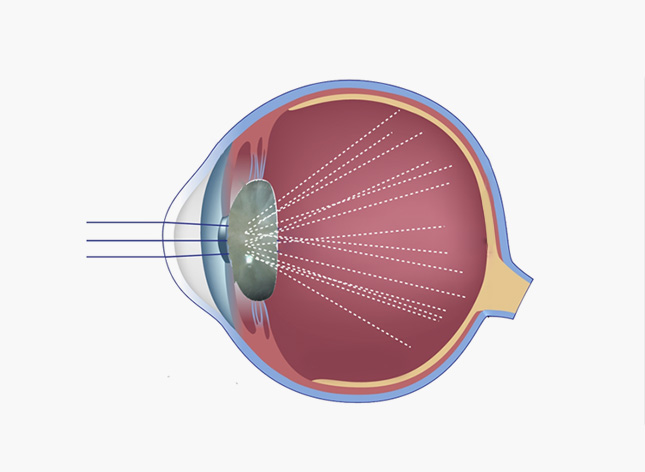
Q. Why do athletes in Seoul choose TransPRK for astigmatism?
The biggest advantage is structural. LASIK creates a hinged corneal flap; even years later, a direct blow can displace it. TransPRK has no flap at all, so the cornea regains its full strength once it heals — a major reason martial-arts athletes, footballers, basketball players and people in the military or police often prefer surface ablation. It also preserves more corneal tissue, which matters when you are correcting both myopia and astigmatism.
The trade-off is recovery time: the surface skin needs 3–5 days to regrow, during which eyes feel gritty and sensitive, and a bandage contact lens is worn. Vision continues to sharpen over several weeks. For most athletes in Guro, Gasan and Yeongdeungpo, planning surgery in an off-season window makes this very manageable. At Nunehim Eye Center, TransPRK/2-Day LASEK is our refractive-surgery specialty.
Q. Am I a candidate for TransPRK astigmatism correction in Seoul?
Good candidates are generally 18 or older with a stable prescription for at least a year, healthy corneas of sufficient thickness, and no active eye disease. Moderate astigmatism is routinely corrected; very high astigmatism or irregular astigmatism (such as keratoconus) needs careful evaluation, and some patients may be better suited to other options. Your pre-operative exam includes corneal topography and tomography, pachymetry, pupil size, tear film assessment and a dilated retinal check. Athletes from Gwanak and Yeongdeungpo often ask about contact-lens breaks: soft lenses should be stopped about a week before testing, and hard lenses longer.
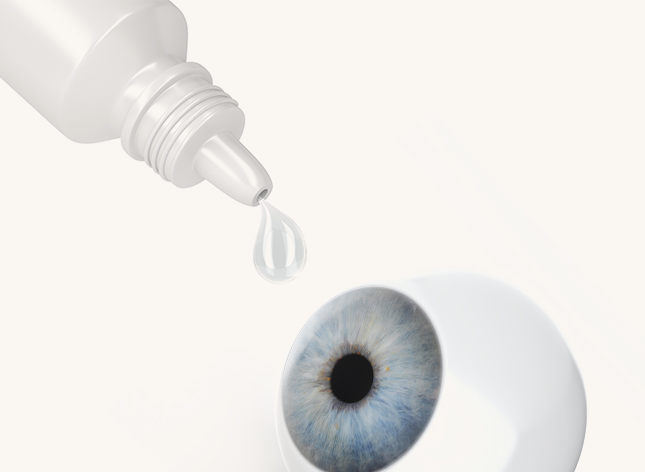
Q. When should I see a doctor in Seoul?
Whether you are considering surgery or recovering from it, see an ophthalmologist promptly in Guro, Gasan, Yeongdeungpo or Gwanak if you notice:
- Sudden increase in pain, redness or light sensitivity after surgery
- Vision that gets worse instead of better after the first week
- Any direct hit to the eye during sport — even after full healing
- Thick discharge or a white spot on the cornea (possible infection)
- The bandage contact lens falling out in the first few days
- Flashes, floaters or a curtain in your vision
- Worsening astigmatism or distortion that could suggest keratoconus
Q. When can athletes return to sport after TransPRK? Recovery timeline
Days 1–5
Bandage lens in place; rest, drops and sunglasses. Light walking only. Most return to desk work around day 4–5 once the lens is removed.
Weeks 1–4
Light jogging and gym work from about 1 week; swimming with tight goggles from 2–4 weeks. Avoid dusty fields and chlorine without protection.
Month 1–3
Contact sports and martial arts usually from ~1 month with protective eyewear advice. Vision and astigmatism correction continue to stabilise.
“For athletes, a strong cornea matters as much as sharp vision.”
When I correct astigmatism for athletes from Guro and Gasan, I choose TransPRK precisely because there is no flap to worry about on the pitch or in the ring. The first few days take patience, but the long-term result is a stable cornea and clear, glasses-free vision for training and competition.
— Dr. Daniel Baik, board-certified ophthalmologist, Nunehim Eye Center
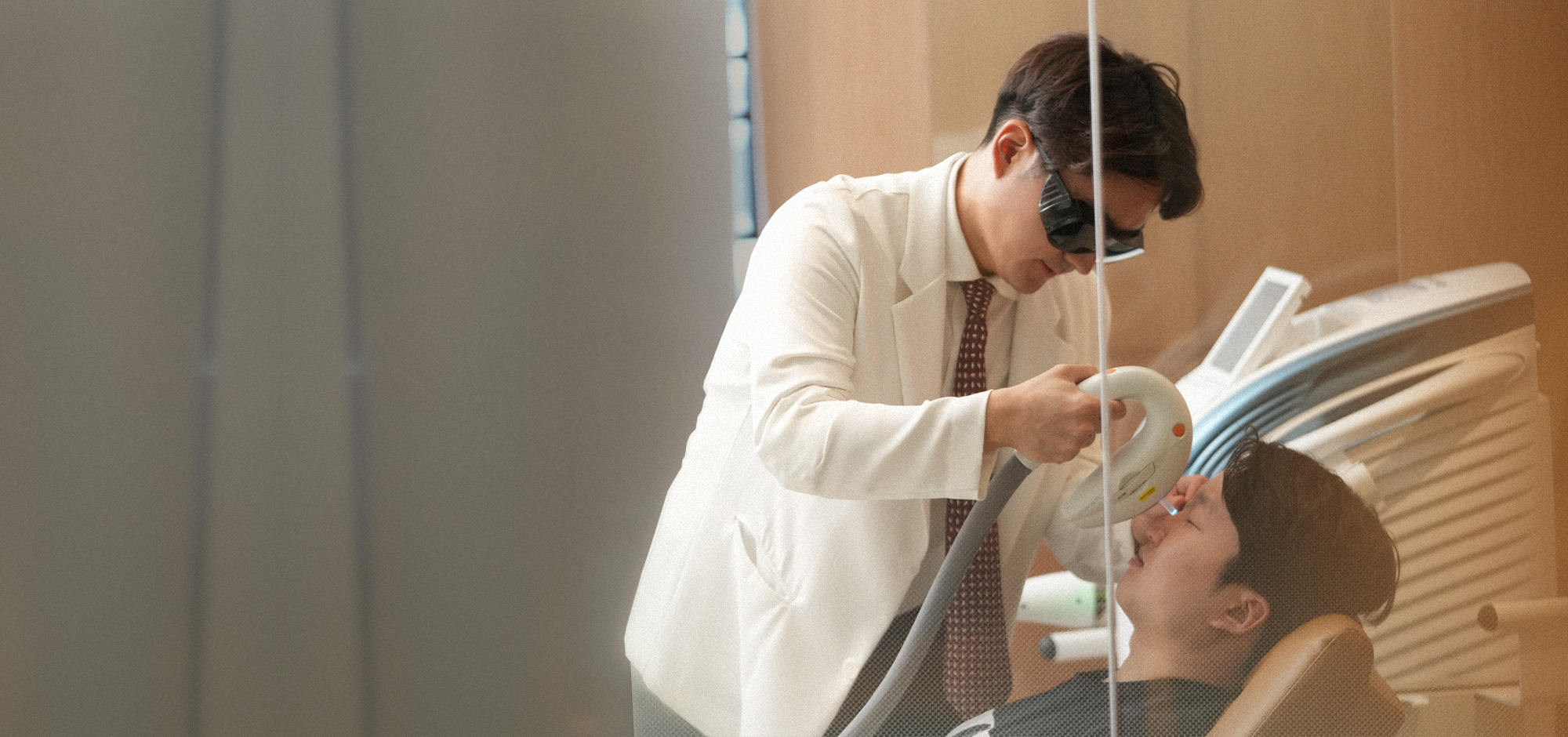
❓ Frequently Asked Questions
Q. How much astigmatism can TransPRK correct?
TransPRK can correct most everyday levels of astigmatism, often together with myopia. The exact limit depends on your corneal thickness and shape, which is why a full topography and pachymetry exam comes first. Very high or irregular astigmatism may need a different approach.
Q. Is TransPRK painful?
The procedure itself takes only a few minutes per eye and is painless under numbing drops. Discomfort, watering and light sensitivity are common for the first 2–3 days while the surface heals; we provide drops and a bandage lens to keep you comfortable.
Q. How soon can I go back to the gym or running?
Most patients resume light cardio and gym work after about a week, once the bandage lens is out and the surface has healed. Avoid sweat running into the eyes, and wait around a month for contact sports.
Q. Is TransPRK better than LASIK for athletes?
For people in contact sports or high-impact activities, many ophthalmologists prefer surface ablation such as TransPRK because there is no flap that could be displaced by trauma. LASIK recovers faster, but TransPRK offers long-term structural strength.
Q. Can astigmatism come back after TransPRK?
Results are usually stable. A small amount of regression can occur, especially with higher corrections, and in some cases a touch-up is possible once the eye is fully healed. Regular follow-up visits monitor this.
Q. Will I need to protect my eyes from sunlight afterwards?
Yes. UV exposure during healing increases the risk of corneal haze, so wear UV-blocking sunglasses outdoors for several months — especially important for outdoor athletes in Guro, Gwanak and along the Han River.
Q. Can I get a consultation in English?
Yes. Dr. Daniel Baik is a board-certified ophthalmologist who consults in both Korean and English, and many expat athletes from Yeongdeungpo, Gasan and Gwanak visit for pre-surgery exams.
Book a Consultation
Find out whether TransPRK can correct your astigmatism — and plan surgery around your training schedule with a board-certified ophthalmologist.
Or visit nunehim.com
📍 Visit Nunehim Eye Center — Guro, Seoul
Convenient access from Guro, Gasan, Gwanak, Yeongdeungpo & Dongjak. Near Guro Digital Complex Station (Line 2).
📍 Address
551 Siheung-daero, Guro-gu, Seoul
nunehim.com
🕘 Hours
Mon–Fri 09:00–18:30 (lunch 13:00–14:00)
Sat 09:00–14:00
🗣 Languages
Korean & English consultations


Leave a comment