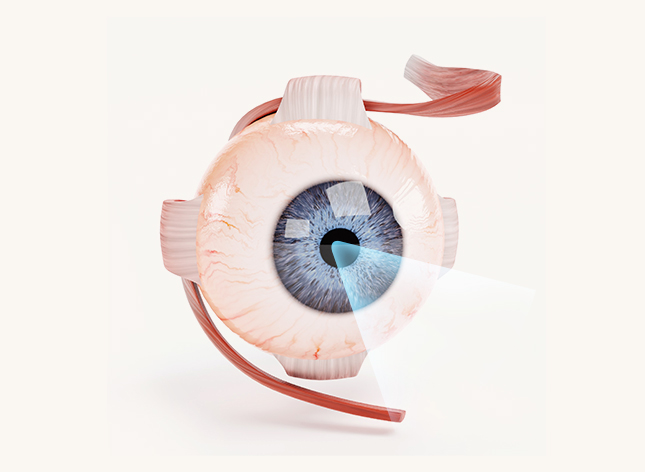
Premium IOL Cataract Seoul Guide: Premium vs Standard Lenses for Expats
Choosing your lens before surgery · Guro · Yeongdeungpo · Gasan · Gwanak
Quick Answer
A standard (monofocal) lens gives sharp vision at one distance, usually far, and is the default for cataract surgery in Korea. A premium lens (multifocal, extended-depth-of-focus or toric) aims to reduce your dependence on glasses or to correct astigmatism, but it costs extra and does not suit every eye. If you are researching premium IOL cataract Seoul options, the right choice depends on your retina and cornea health, your astigmatism, your daily visual needs and your tolerance for glare at night.
Q. What is a premium IOL for cataract surgery in Seoul?
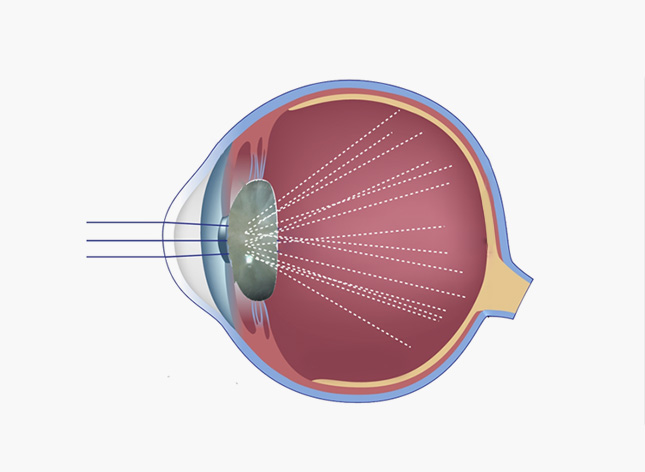
A premium IOL is an artificial lens implanted during cataract surgery that does more than replace your clouded natural lens. If you are comparing premium IOL cataract Seoul choices, the main families are multifocal lenses (several focal zones for far and near), extended-depth-of-focus or EDOF lenses (a longer continuous range, often far to intermediate), and toric lenses (built-in correction for corneal astigmatism). A standard monofocal lens corrects one distance only, so most people still wear reading glasses afterwards. At Nunehim Eye Center in Guro-gu, Dr. Daniel Baik, a board-certified ophthalmologist, reviews these options with patients from Guro, Yeongdeungpo, Gasan and Gwanak in Korean or English.
Q. How do standard, multifocal, EDOF and toric lenses compare?
Each lens trades something for something else. Monofocal lenses give the crispest contrast and the fewest night-time halos, which is why they remain the reference standard. Multifocal lenses split light between distances, which can lower contrast and cause rings around lights at night. EDOF lenses stretch the focus range with usually fewer halos than classic multifocals, though fine near print may still need glasses. Toric versions of any of these correct astigmatism, which matters because uncorrected astigmatism blurs vision whatever lens you choose.
Q. Which symptoms mean a lens decision is coming?
Lens facts worth knowing
▸ Cataract is a leading cause of blindness worldwide according to the World Health Organization, and surgery is the only treatment that removes it.
▸ A monofocal lens is designed for one focus distance; premium designs aim to widen that range.
▸ Toric lenses address corneal astigmatism, which is common and measurable before surgery.
▸ Cataract surgery is typically performed as day surgery, one eye at a time; your surgeon will explain the schedule.
Q. Who is a good candidate for a premium lens?
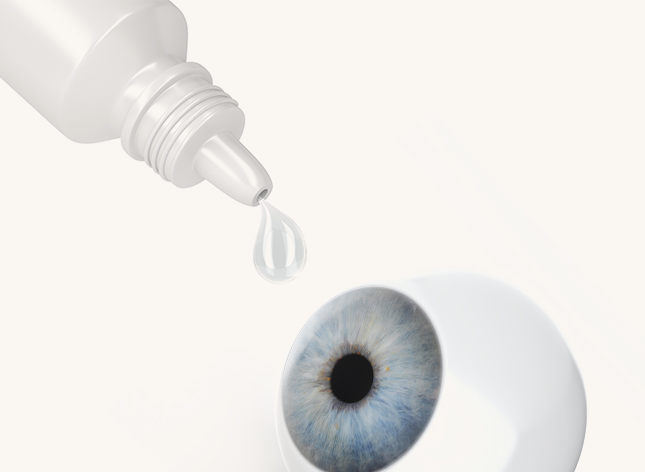
Good candidates have otherwise healthy eyes: a clear cornea, healthy retina and macula, no significant glaucoma and a stable tear film. People who want less dependence on glasses and accept a small trade-off in night vision often do well. Eye drops, dry eye and corneal irregularity should be treated first, because they can reduce the accuracy of the measurements used to choose the lens power.
Premium lenses are usually less suitable if you have advanced macular degeneration, uncontrolled glaucoma, a weak lens support structure, or work that depends on perfect night vision, such as professional night driving. In those cases a monofocal lens, with glasses for near work, is often the safer and more predictable choice.
Q. What should foreigners know about cataract surgery in Seoul?
Expat-specific tips: you can book through Naver Booking and request an English consultation. Bring your passport or Alien Registration Card (ARC) and any previous eye records or glasses prescriptions from home. In general terms, Korean national health insurance covers medically necessary cataract surgery with a standard lens for those enrolled, while premium lenses are generally paid by the patient as a non-covered extra. Coverage depends on your insurance status, so ask the clinic for a current quote before deciding. A typical visit includes a dilated exam, corneal and biometry measurements, a lens discussion and a surgical plan. Many expats living in Guro, Gasan, Gwanak and Yeongdeungpo find the clinic easy to reach by Line 2.
Q. When should I see a doctor in Seoul?
1. Assessment
Dilated exam, corneal topography, biometry and a check of the retina to decide whether a premium lens is realistic.
2. Lens choice
Compare monofocal, EDOF, multifocal and toric options against your work, hobbies, driving and budget.
3. Surgery and recovery
Short day procedure, then drops and follow-up checks. Tell your surgeon about dry eye or prior laser vision correction.
Dr. Baik’s perspective
“Treat the surface of the eye before you choose the lens. If dry eye or astigmatism is not measured accurately, even the most expensive lens will disappoint. If you do a lot of night driving, ask for a trial of how glare might feel and consider a monofocal or EDOF lens instead of a classic multifocal.”
❓ Frequently Asked Questions
Q. Is a premium IOL worth it?
It depends on your priorities. If you want less dependence on glasses and your eyes are otherwise healthy, many people find it worthwhile. If you drive a lot at night or have other eye disease, a monofocal lens may serve you better.
Q. Will I still need glasses after a premium lens?
Often less, but not always. Multifocal and EDOF lenses reduce the need for glasses, yet fine print or long computer sessions may still need light glasses.
Q. Does Korean insurance cover cataract surgery for foreigners?
In general terms, enrolled residents are covered for medically necessary cataract surgery with a standard lens, while premium lenses are usually self-pay. Ask the clinic for a current quote and check your own insurance status.
Q. Can I choose different lenses for each eye?
Some surgeons plan a blended approach, for example a distance-focused lens in one eye and an extended-range lens in the other. Whether this suits you depends on your eyes and tolerance, so discuss it in the consultation.
Q. Do premium lenses cause halos at night?
Multifocal lenses in particular can cause halos or glare, and many people adapt over weeks to months. Monofocal lenses generally give the fewest such effects.
Q. How do I book an English consultation in Seoul?
Use Naver Booking and mention you would like an English consultation. Bring your passport or ARC and any previous eye records to the visit.
Q. Can I get a premium IOL after LASIK or LASEK?
Yes, many people do, but previous laser vision correction changes the cornea, so lens power calculations need extra care. Tell your doctor which procedure you had and bring your records if you have them.

Related reading
Book a Consultation
Discuss your lens options with a board-certified ophthalmologist in Guro, Seoul.
📍 Visit Nunehim Eye Center — Guro, Seoul
Convenient access from Guro, Gasan, Gwanak and Yeongdeungpo. Near Guro Digital Complex Station (Line 2).
Address
551 Siheung-daero, Guro-gu, Seoul
nunehim.com
Hours
Mon–Fri 09:00–18:30 (lunch 13:00–14:00)
Sat 09:00–14:00
Languages
Korean & English


Leave a comment