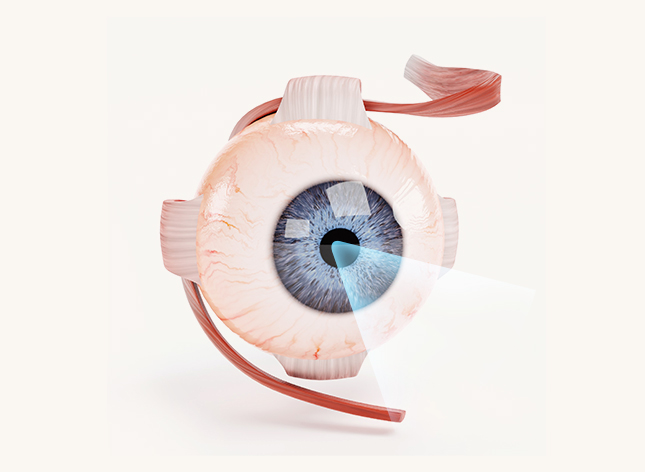
After Cataract Surgery in Seoul: Recovery Timeline for Expats
Week-by-week healing, what to avoid, and when to call your surgeon
Quick Answer
Cataract surgery recovery Seoul patients can expect is usually quick: vision often starts clearing within 1–2 days, most daily activities resume within a few days, and the eye keeps settling over roughly 4 weeks while you use prescribed drops. Avoid rubbing the eye, swimming, dusty or smoky places and heavy straining in the first 1–2 weeks, attend every follow-up visit, and seek urgent care for worsening pain, sudden vision loss or new flashes and floaters. Your surgeon sets the exact schedule.
Q. What does cataract surgery recovery in Seoul involve?
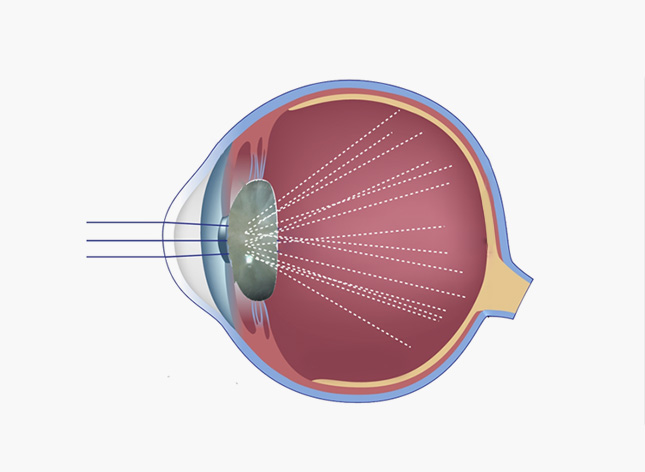
Cataract surgery recovery in Seoul means a short period of protecting a very small, self-sealing incision while your eye adjusts to a new artificial lens (IOL). The operation itself is brief and done under topical or local anaesthesia, and you go home the same day. At Nunehim Eye Center in Guro-gu, Dr. Daniel Baik, a board-certified ophthalmologist, sees patients from Guro, Yeongdeungpo, Gasan and Gwanak for Korean- and English-language follow-up. Recovery is less about rest and more about discipline: drops on time, no rubbing, and showing up for checks.
If you are still deciding on the lens itself, our guide to premium vs standard lenses for expats explains how the choice affects your glasses independence after healing.
Q. How do the eye drops work and how should I use them?
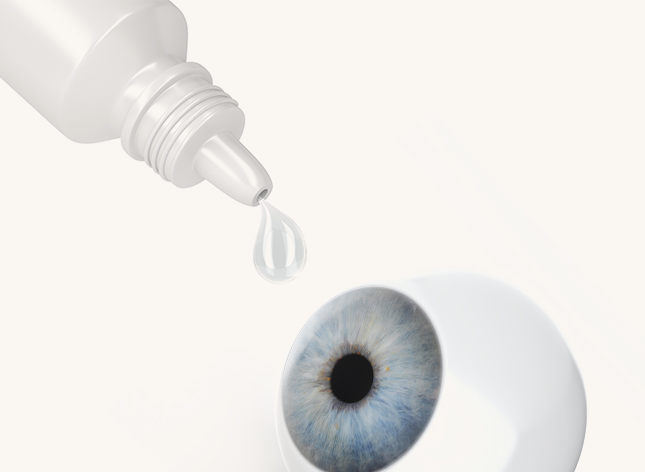
Post-operative drops usually combine an antibiotic to lower infection risk with an anti-inflammatory (often a steroid, sometimes plus an NSAID) to calm the eye, and your surgeon tapers them over about 3–4 weeks. Wash your hands, tilt your head back, pull the lower lid gently and place one drop without touching the bottle tip to the eye. Wait about five minutes between different drops so the first is not washed out, and never stop early because the eye feels fine; stopping the anti-inflammatory too soon is a common reason for swelling and blur.
Keep the bottles clean, note any that need shaking or refrigeration, and bring them to your first visit if you are unsure of the order. If you use drops for glaucoma or dry eye, ask whether to continue them, because they are often continued alongside the new regimen.
Q. What affects how fast I recover after cataract surgery?
Recovery speed depends mainly on the density of the cataract, your corneal and ocular-surface health, other eye disease and how closely you follow the drop schedule. Dry eye is the most frequent reason for fluctuating vision after surgery, so treating the ocular surface before and after the operation matters. Diabetes, a history of uveitis or glaucoma, and previous eye surgery can slow healing or call for closer monitoring, which is why a full examination comes first.
Patients commuting from Yeongdeungpo, Gasan or Gwanak often ask how many visits to expect. A day-1 check, a check at about one week and a visit around one month are typical, with extra visits if your eye needs them. Having the clinic in Guro-gu, close to Gasan Digital Complex and well served by subway Line 2, makes these visits easier to fit around work.
Q. What is the typical recovery timeline, day by day?
The typical timeline is: day 0 blurry and light-sensitive, day 1 noticeably clearer, week 1 comfortable but protected, weeks 2–4 stabilising, and about a month for the final glasses prescription. Individual healing varies, especially if you have dry eye, diabetes, glaucoma or a dense cataract, so treat these as general ranges rather than promises.
Q. What are normal symptoms versus warning signs?
Normal symptoms are mild grittiness, watering, light sensitivity, slight redness and fluctuating clarity during the first days; warning signs are pain that increases instead of easing, vision that gets worse after initially improving, marked redness, or a dark curtain. Seeing halos or glare around lights at night is common early on, particularly with multifocal lenses, and usually becomes less noticeable as the brain adapts.
Recovery at a glance
Q. Is it normal to need glasses or an adjustment visit after healing?
Yes, a final refraction at around one month is routine, because the eye needs time to settle before glasses are measured accurately. If you chose a monofocal lens you will usually still want reading glasses, while extended-depth or multifocal lenses aim to reduce that need but can add glare at night. Bring your existing glasses to the visit, tell the doctor what you do most (driving, computer work, reading), and mention any night-driving concerns, since these details shape the glasses prescription and any further treatment.
Q. What should I do — and avoid — while the eye heals?
Do use every drop exactly as prescribed, wash your hands first, wear sunglasses outdoors and keep the protective shield for sleeping as instructed. Do not rub or press the eye, do not let tap water, shampoo or soap enter it, and skip swimming, saunas, eye make-up and dusty or smoky environments for the period your surgeon specifies, commonly around 1–2 weeks.
Light walking, reading and screen use are generally fine, though you may need breaks. Heavy lifting, intense exercise and bending head-down are typically restricted at first. Seoul-specific tip: on high fine-dust (미세먼지) days, wear wraparound sunglasses and avoid long outdoor stretches during the first week.
Q. How do foreigners in Korea arrange cataract surgery follow-up care?
Foreigners can book an English consultation through Naver Booking, bring a passport or Alien Registration Card (ARC) plus any prior eye records or glasses prescription, and ask the clinic how its fees work for your insurance status. Korean national health insurance and self-pay rules depend on your residency and the lens chosen, so ask the clinic for a current quote rather than relying on general figures.
A typical visit flow is registration, vision and pressure checks, slit-lamp examination, then a short discussion with the doctor. If you live or work in Gasan, Guro Digital Complex, Yeongdeungpo or Gwanak, the short commute makes the many early follow-ups far easier. Travelling soon after surgery? Ask before booking flights, and arrange your day-1 and week-1 checks first.
Q. When should I see a doctor in Seoul urgently?
Call the clinic the same day for these symptoms; if it is out of hours, go to a hospital emergency department with an ophthalmology service.
First 48 hours
Rest, shield on, drops started, first-day check. Expect haze and light sensitivity.
Weeks 1–2
Comfortable but still protecting the eye. Avoid rubbing, swimming and heavy straining.
Weeks 3–4+
Drops taper, focus stabilises, and glasses are fitted after your surgeon confirms stability.
Dr. Baik’s practical tip
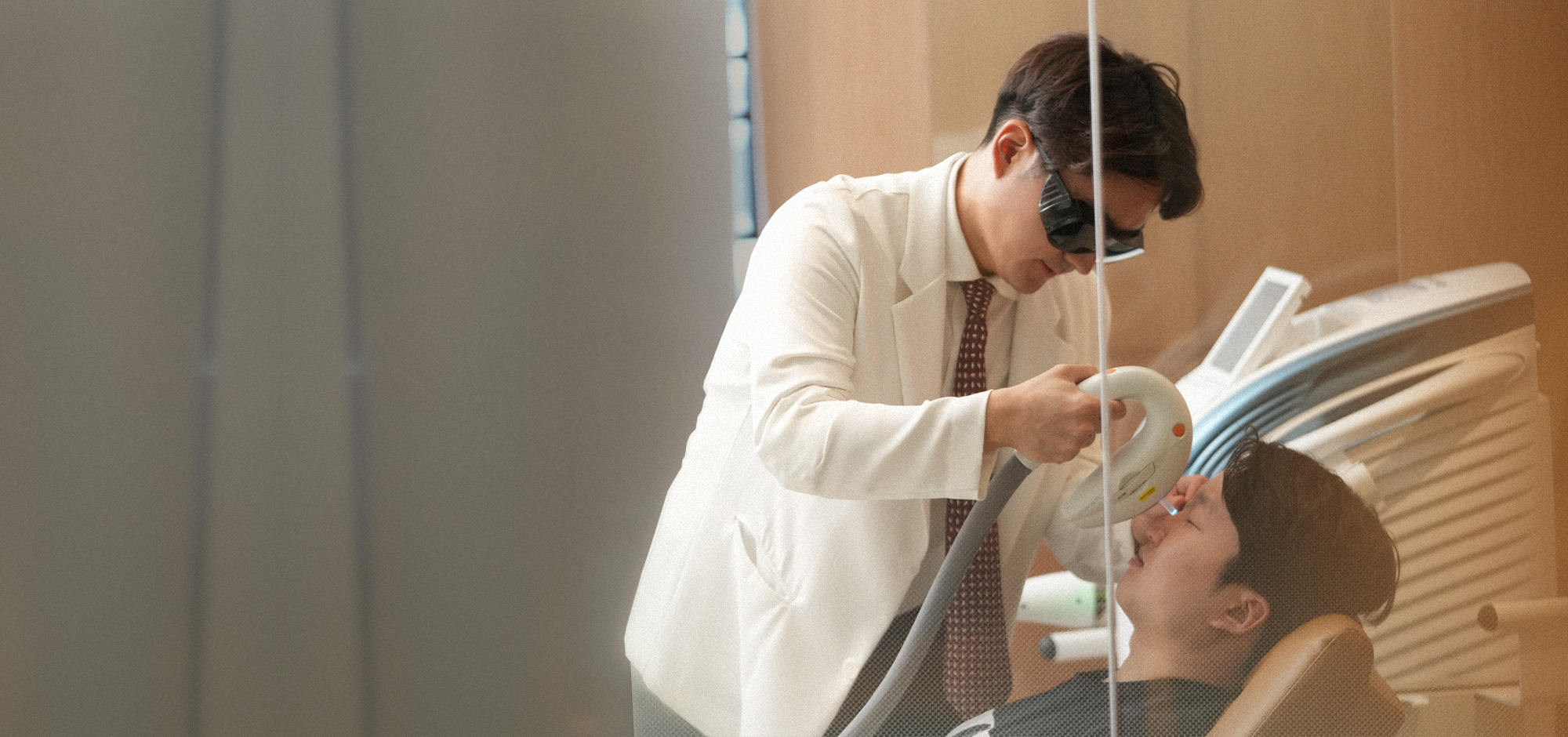
“Set phone alarms for every drop and keep a written tally for the first week. The most common recovery problem I see is not surgery complications but missed or mistimed drops, and a patient who touches the eye while half-asleep. Wear the shield at night, and if you wake with new pain or falling vision, call us that day.” — Dr. Daniel Baik, board-certified ophthalmologist
❓ Frequently Asked Questions
Q. How long does cataract surgery recovery take in Seoul?
Most people feel comfortable within a week and see well within days, but the eye continues to settle for about 4 weeks. Your final glasses prescription is usually given after your surgeon confirms stability.
Q. When can I return to work after cataract surgery?
Many office workers return within a few days, depending on the job and the surgeon’s advice. Dusty, physical or screen-intensive jobs may need a longer break, so discuss your work before surgery.
Q. When can I wash my hair or shower?
Showering is typically fine if you keep water and soap out of the eye, and many surgeons advise washing hair with the head tilted back for the first week. Follow your own surgeon’s specific instructions.
Q. Can I fly after cataract surgery?
Flying is often acceptable once your surgeon is satisfied with the first check-ups, but it depends on your eye and any other conditions. Plan your day-1 and week-1 visits before booking travel, and ask the clinic first.
Q. Why is my vision blurry days after surgery?
Mild blur or fluctuating focus can come from swelling, dry eye or the eye adjusting to the new lens. If vision worsens after improving, or comes with pain or redness, contact the clinic promptly.
Q. Will I need glasses after surgery?
It depends on the lens implanted and your eye. Many patients still use reading or occasional distance glasses, and premium lenses may reduce that need; discuss your goals at the consultation.
Q. Can a cataract come back?
The cataract itself does not return, but the capsule that holds the lens can become cloudy months or years later. This is called posterior capsule opacification and is treated with a quick outpatient laser procedure.

Related reading
Book a Consultation
Questions about your own recovery or a cataract assessment? Our Korean- and English-speaking team is ready to help.
📍 Visit Nunehim Eye Center — Guro, Seoul
Convenient access from Guro, Gasan, Gwanak, Yeongdeungpo and Dongjak, near Guro Digital Complex Station (Line 2).
Address
551 Siheung-daero, Guro-gu, Seoul · nunehim.com
Hours
Mon–Fri 09:00–18:30 (lunch 13:00–14:00), Sat 09:00–14:00
Languages
Korean & English


Leave a comment