First Visit to an Eye Clinic in Seoul: What to Expect at Nunehim Eye Center
A step-by-step guide for expats and visitors — from booking to leaving with your results
Quick Answer
Your first eye clinic visit in Seoul is simple: you can book directly without a referral, bring your passport or ARC and current glasses, and expect pre-testing, a consultation with the doctor and sometimes dilating drops, usually in about an hour to an hour and a half. At Nunehim Eye Center in Guro-gu, consultations are available in Korean and English.
Q. What happens at an eye clinic Seoul first visit?
For an eye clinic Seoul first visit, the flow is similar to clinics in many countries but faster than most expats expect. You register at the front desk, a technician runs pre-tests, you see the ophthalmologist, and you receive a diagnosis, prescription or treatment plan on the same day. Korean clinics are used to walk-in style efficiency, but booking ahead through Naver Booking saves waiting time. Many patients come from Guro, Gasan, Yeongdeungpo and Gwanak because the clinic sits close to Line 2 and Line 7 connections.
Pre-testing typically includes an autorefractor reading of your prescription, eye pressure measurement, and often imaging of the front or back of the eye depending on your complaint. The doctor then examines your eyes with a slit lamp, and if needed looks at the retina after dilating drops. Tell the team early if you wear contact lenses, because lens wear can affect corneal measurements.
Q. How do I prepare for my first visit?
What a typical first visit includes
Q. What tests and treatments might I be offered?
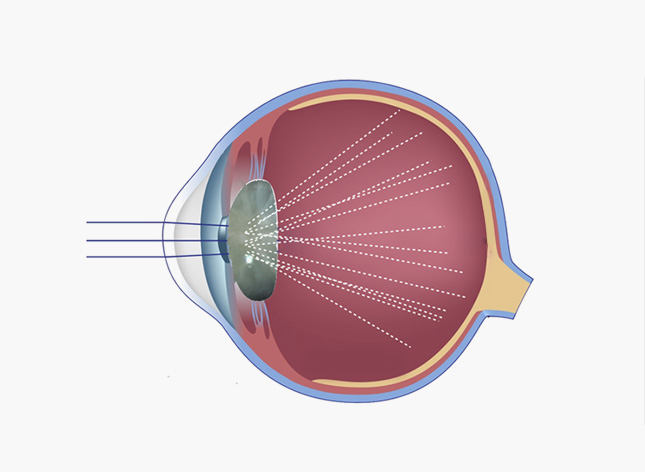
Depending on your concern, the doctor may recommend dry eye assessment, glaucoma screening with pressure and optic nerve checks, a retinal examination, or a review of whether glasses and contact lenses are right for you. Dr. Daniel Jinhag Baik is a board-certified ophthalmologist, and the clinic covers general eye care, glaucoma, retinal disease, cataract, pediatric eyes, OK lens (orthokeratology) and vision correction such as TransPRK and 2-Day LASEK.
Not every visit leads to a procedure. Many first visits end with a prescription, eye drops or a follow-up plan. If vision correction is your goal, the first visit is a consultation to check corneal suitability, and you can decide afterwards with no pressure.
Q. What do expats need to know about eye care in Korea?
Booking: use Naver Booking or the clinic website, and mention you prefer English. What to bring: passport or ARC, prior records and your current prescription. Insurance: in general terms, residents enrolled in National Health Insurance pay a portion of insured medical care, while elective services such as laser vision correction are normally self-pay; tourists and uninsured patients pay the full fee. Prices change, so ask the clinic for a current quote rather than relying on a number you read online.
Visit flow and language: expect a fast, well-organised process, with English explanations from the doctor. Prescriptions for drops are usually filled at a pharmacy near the clinic, and results can be shared with your overseas doctor on request.
Q. When should I see a doctor in Seoul urgently?
Q. How often should adults get an eye exam?
As a general rule, adults with no symptoms benefit from a comprehensive eye exam every one to two years, and sooner if you have diabetes, high myopia, a family history of glaucoma or you are over 40. Our related guides on diabetic retinopathy screening and headache and eye pain causes explain when symptoms deserve a prompt check. Parents in Yeongdeungpo or Gwanak can also read about school vision screening in Korea.
Before the visit
Book on Naver, list your symptoms, gather records, and bring glasses and lens details.
During the visit
Pre-tests, slit-lamp exam, possible dilation, then a clear explanation of findings.
After the visit
Prescription or drops, a follow-up date if needed, and a copy of results on request.
Q. What should I expect from the consultation itself?
The consultation is where the visit becomes personal. The doctor reviews your pre-test results, asks about your daily routine, screen time, work environment and any medicines, and explains what the findings mean in plain English. For people living in Gasan or Yeongdeungpo who spend long hours at a desk, dry eye and focusing fatigue are common reasons to book. For people in Guro and Gwanak who wear contact lenses, lens fit and hygiene are frequent topics.
You are welcome to ask direct questions: whether you need new glasses, whether a symptom is urgent, whether an eye condition runs in families, and what follow-up is sensible. If a treatment is recommended, ask what the alternatives are, how long it takes, and what the self-pay or insured cost would be. Asking for a current written quote is normal in Korea and helps you plan.
Q. Is an eye clinic visit different in Korea than in my home country?
The biggest differences are speed and access. Private clinics in Seoul usually let you book directly, run tests on site, and give you a prescription the same day without a separate referral. Eye drops are typically collected from a pharmacy close by, and follow-up appointments are easy to schedule. If you previously saw an optometrist for glasses and an ophthalmologist for disease, here a single board-certified ophthalmologist often handles both, which keeps your records in one place.
If you are new to Korea, keep your ARC and insurance details handy and save the clinic address in Naver Map, because Google Maps directions can be less precise on foot. Bringing a Korean-speaking friend is optional, as English consultations are available.
Dr. Daniel Jinhag Baik’s perspective
“Write down when your symptoms happen — screen time, evenings, after lens wear — and bring that note. Also bring your contact lenses or their box. Two minutes of detail often helps me pinpoint dry eye, lens fit problems or early pressure issues faster than another test.”
❓ Frequently Asked Questions
Q. Do I need a referral to visit an eye clinic in Seoul?
No. In Korea you can walk into or book a private eye clinic directly without a referral from a family doctor. A referral is generally only needed for large university hospitals, and even there it mainly affects how the visit is billed.
Q. Can I book in English?
Yes. Dr. Daniel Jinhag Baik, a board-certified ophthalmologist, offers consultations in Korean and English. You can book through Naver Booking or via nunehim.com, and it helps to note your main concern when you book.
Q. What should I bring to my first appointment?
Bring your passport or Alien Registration Card (ARC), your current glasses and any contact lenses, a list of eye drops and other medicines you use, and any previous eye records, prescriptions or scan reports, including from your home country.
Q. Will my pupils be dilated, and can I drive afterwards?
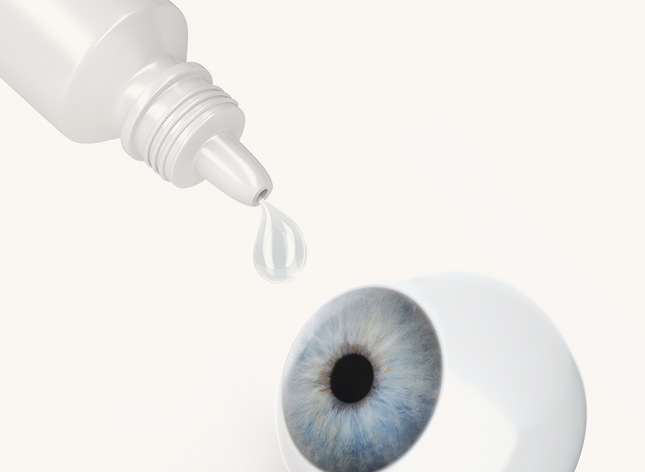
Dilation is used when the retina and optic nerve need a close look, and it is not needed at every visit. If drops are used, near vision can be blurry and light can feel bright for several hours, so avoid driving and bring sunglasses.
Q. How does Korean health insurance work for foreigners at an eye clinic?
Foreign residents who are enrolled in the National Health Insurance Service (NHIS) generally pay the insured portion of medical visits, while cosmetic or elective services such as vision correction surgery are usually self-pay. Coverage rules depend on your visa and enrolment status, so ask the clinic for a current quote.
Q. How long does a first visit take?
Plan for roughly an hour to an hour and a half for a comprehensive first visit, because pre-testing, the doctor consultation and any dilation take time. Visits for a simple concern can be shorter.
Q. Which neighborhoods is the clinic convenient for?
Nunehim Eye Center is in Guro-gu and is practical for people living or working in Guro, Gasan, Yeongdeungpo and Gwanak, as well as nearby Dongjak. Guro Digital Complex Station on Line 2 is the closest major stop.

Related reading
Book a Consultation
Book your first visit in English at Nunehim Eye Center, Guro-gu, Seoul.
📍 Visit Nunehim Eye Center — Guro, Seoul
Convenient access from Guro, Gasan, Gwanak and Yeongdeungpo, with Dongjak nearby. Near Guro Digital Complex Station (Line 2).
Plan your visit in English
Dr. Daniel Jinhag Baik is a Korean-American, fluent English-speaking ophthalmologist in Seoul. Choose the contact method that is easiest for you.
Address
551 Siheung-daero, Guro-gu, Seoul
nunehim.com
Hours
Mon–Fri 09:00–18:30 (lunch 13:00–14:00)
Sat 09:00–14:00
Languages
Korean & English


Leave a Reply