Glaucoma vs Normal Eye Pressure: What Every Adult in Seoul Should Know
Why “normal” eye pressure does not rule out glaucoma — a practical guide for residents and expats in Yeongdeungpo, Guro, Gasan and Gwanak
Quick Answer
Glaucoma is damage to the optic nerve, and eye pressure (IOP) is only one risk factor — not the diagnosis. Normal eye pressure does not exclude glaucoma: many people, particularly in East Asia, develop “normal-tension” glaucoma, so anyone searching for glaucoma eye pressure Seoul answers should get a full exam (optic nerve imaging, visual field, corneal thickness), not a pressure check alone. You can book an English-language consultation at Nunehim Eye Center in Guro-gu.
Q. What is the difference between glaucoma and normal eye pressure?
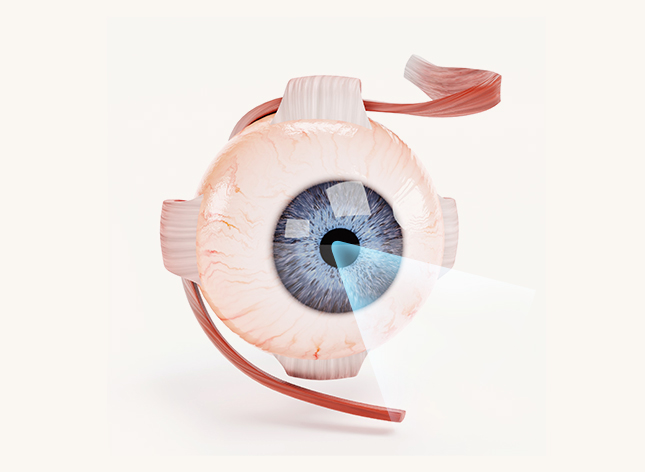
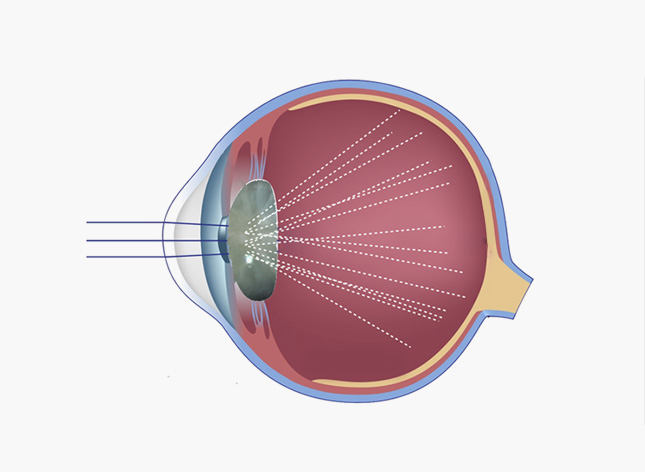
Eye pressure is a measurement; glaucoma is a disease. Intraocular pressure (IOP) is the fluid pressure inside the eye, commonly cited as a statistical range of roughly 10–21 mmHg. Glaucoma is a progressive optic neuropathy in which retinal ganglion cells and their fibres are lost, producing a characteristic cupping of the optic nerve head and gradual loss of visual field. High IOP is the best-known risk factor and the only one we can currently treat, but a person can have glaucoma with pressure inside the “normal” range, and a person can have pressure above 21 mmHg without ever developing nerve damage (ocular hypertension).
This distinction matters for adults across Yeongdeungpo, Guro, Gasan and Gwanak, where many patients tell us they were reassured by a “normal” pressure reading at a workplace health screening or glasses shop. Non-contact “air-puff” readings are a screening estimate; they cannot show the optic nerve, the drainage angle or the visual field.
Q. Why can glaucoma happen with normal eye pressure?
Normal-tension glaucoma occurs when the optic nerve is damaged even though IOP stays within the statistical normal range. Several factors are thought to contribute: an optic nerve that is individually vulnerable to pressure, reduced blood flow to the nerve (for example with very low blood pressure at night, migraine or vasospasm), thin corneas that make a reading look lower than the true pressure, and high myopia, which changes the structure of the optic nerve head. Studies in Korea and Japan have found that normal-tension glaucoma accounts for a large share of open-angle glaucoma in East Asian populations, which is why pressure alone is an unreliable safety net here.
Pressure also fluctuates through the day and is often highest at night, when we are lying flat. A single clinic reading at 2 p.m. can miss the peak. Central corneal thickness (pachymetry) is therefore measured to correct readings, and in selected patients repeat measurements at different times of day are useful.
Q. What are the symptoms and signs of glaucoma?
Most chronic open-angle glaucoma has no symptoms in the early and moderate stages, which is exactly why it is called the “silent thief of sight”. Peripheral vision is lost first, and the brain fills in the gaps, so many people notice only when the central field is affected. Signs that may appear later include:
Key facts at a glance
▸ The commonly cited statistical normal IOP range is about 10–21 mmHg, but it is not a cut-off between healthy and diseased eyes.
▸ Glaucoma is one of the leading causes of irreversible blindness worldwide.
▸ Vision lost to glaucoma cannot be restored; treatment aims to slow or stop further loss.
▸ Lowering IOP is the only treatment proven to slow glaucoma progression, including in normal-tension glaucoma.
Q. How is glaucoma diagnosed and treated?
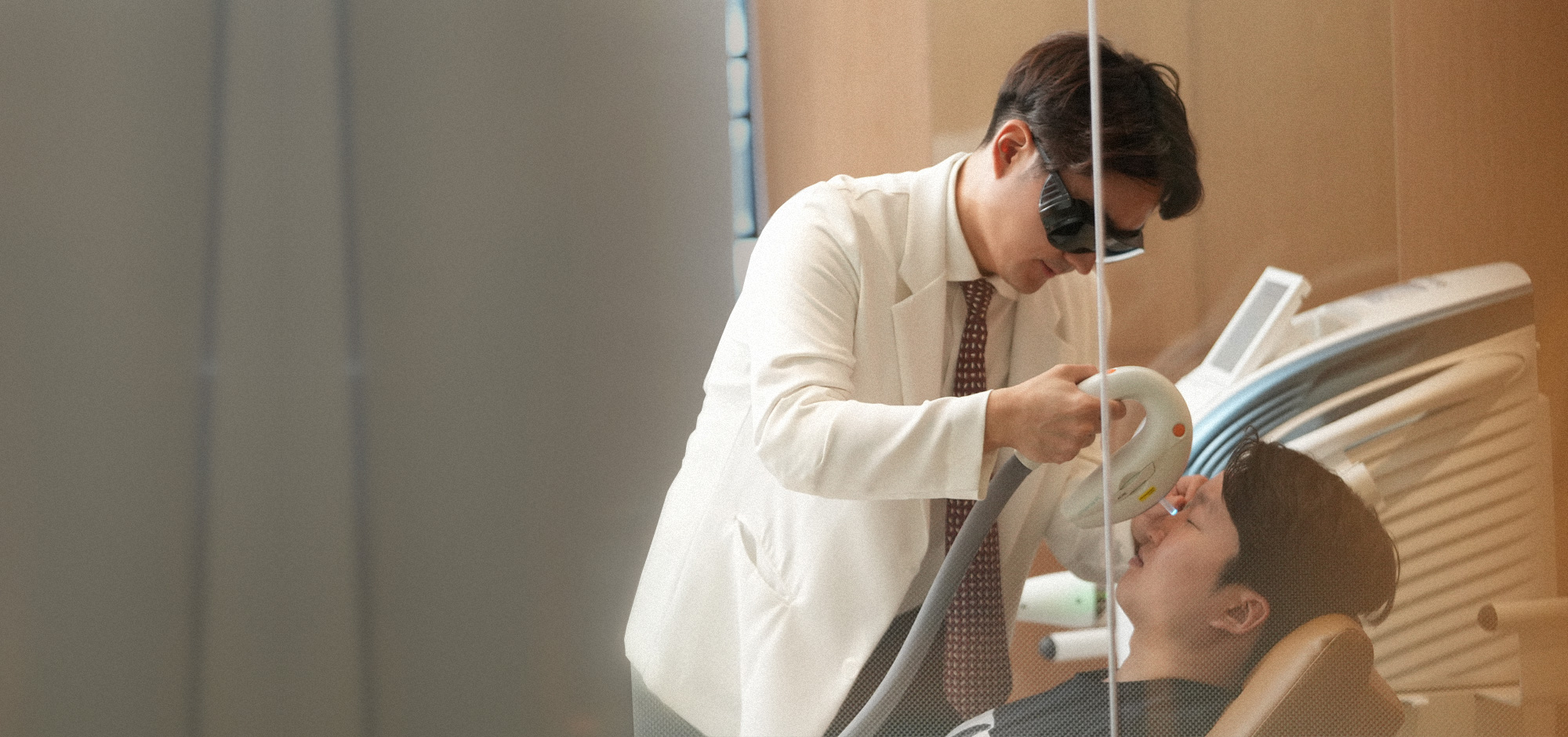
Diagnosis rests on several tests done together: tonometry (IOP), gonioscopy (looking at the drainage angle), optic nerve and retinal nerve fibre layer assessment by OCT, a visual field test, and corneal thickness. One abnormal test is rarely enough; the pattern and change over time matter, so follow-up scans are compared with a baseline.
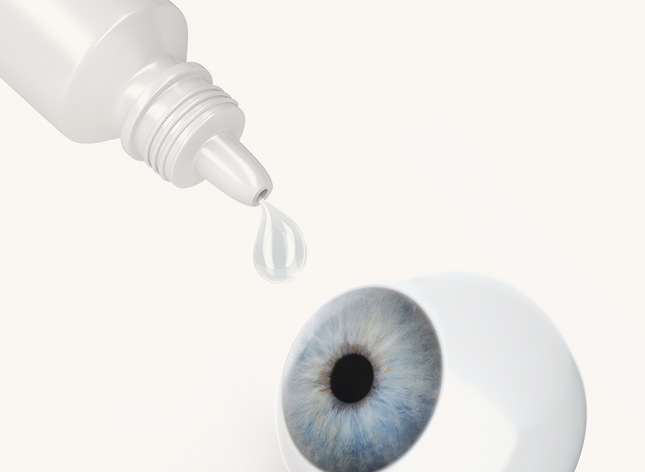
Treatment is built around lowering pressure to a target for that individual. Options include prescription eye drops (the usual first step), laser trabeculoplasty or laser iridotomy for selected eyes, and surgery when drops and laser are not enough. Even in normal-tension glaucoma, lowering IOP by a meaningful percentage slows progression. Regular follow-up, with repeat visual fields, is as important as the medication itself.
Q. What can I do between check-ups to protect my optic nerve?
Use prescribed drops exactly as directed and tell your doctor about every steroid product you use, including creams, inhalers and eye drops, since steroids can raise IOP. Avoid skipping follow-up visits when you feel fine; glaucoma progress is measured on scans and visual fields, not by how you feel. Moderate aerobic exercise is generally considered safe and may help circulation, while heavy head-down positions can transiently raise pressure, so ask about yoga inversions. If you live or work around Yeongdeungpo, Gasan, Guro or Gwanak, choosing one clinic for all follow-up scans lets the same equipment compare your results year after year, which makes small changes easier to spot.
Q. How can foreigners in Seoul get a glaucoma check-up?
Foreigners living in Korea can see an ophthalmologist directly; a specialist referral is generally not required for a private eye clinic. Book through Naver Booking (the button below) or contact the clinic to arrange an English consultation. Bring your passport or Alien Registration Card (ARC), your current glasses or contact lens details, a list of any eye drops and medicines you use, and any prior records, such as OCT or visual field printouts and your last prescription from home. Whether a visit is covered by the national health insurance or paid out of pocket depends on your enrolment status and the tests involved, so ask the clinic for a current quote before the visit. A typical visit includes history, vision and pressure testing, a dilated or undilated look at the optic nerve, OCT imaging and, if indicated, a visual field test, followed by a plain-language explanation in English or Korean at Nunehim Eye Center in Guro-gu, easily reached from Gasan, Gwanak and Yeongdeungpo.
Q. When should I see a doctor in Seoul?
Book a full glaucoma assessment soon if you recognise any of the following. Go to an emergency eye service the same day for the first two:
Q. What types of glaucoma should I know about?
Open-angle
The most common form. Drainage channels look open but resist outflow; progression is slow and painless. Includes normal-tension glaucoma.
Angle-closure
The drainage angle is narrow or blocked. Can be acute (an emergency) or chronic. Laser iridotomy is often used for treatment and prevention.
Secondary
Caused by another condition or exposure: steroids, inflammation, injury, diabetes-related changes or advanced cataract.
Dr. Daniel Baik’s Clinical Tip
“Do not judge your risk by one pressure reading. If your family has glaucoma or you are highly myopic, ask for an OCT of the optic nerve and a visual field test as a baseline, and keep the printouts. The earliest sign we act on is change between visits, so a baseline from today makes every future check far more meaningful.” — Dr. Daniel Baik, board-certified ophthalmologist
❓ Frequently Asked Questions
Q. Can I have glaucoma if my eye pressure is normal?
Yes. Normal-tension glaucoma damages the optic nerve even when IOP is within the 10–21 mmHg range, and it is common in East Asia. Diagnosis needs optic nerve imaging and a visual field test, not pressure alone.
Q. Is high eye pressure always glaucoma?
No. Raised IOP without nerve damage is called ocular hypertension. It increases risk, so your doctor may monitor you or treat you depending on corneal thickness, optic nerve appearance and other risk factors.
Q. Does an air-puff test detect glaucoma?
It estimates pressure only. It cannot see the optic nerve or measure your visual field, so a normal result does not rule out glaucoma.
Q. Can glaucoma be cured?
Not at present. Vision already lost cannot be restored, but treatment that lowers eye pressure can slow or stop further loss, which is why early detection matters.
Q. How often should adults in Seoul have a glaucoma check?
It depends on risk. Adults over 40, people with a family history, high myopia or diabetes should discuss a baseline exam and a follow-up schedule with their ophthalmologist; ask what interval fits your own risk.
Q. Does Nunehim Eye Center offer English consultations?
Yes. Dr. Daniel Baik, a board-certified ophthalmologist, sees patients in Korean and English at the Guro-gu clinic, which serves Guro, Gasan, Gwanak and Yeongdeungpo.
Q. Do I need a referral or insurance to book?
A referral is generally not needed for a private eye clinic. Whether insurance applies depends on your enrolment status, so ask the clinic for a current quote when you book on Naver.

Related reading
Book a Consultation
Get a complete glaucoma assessment with an English-speaking board-certified ophthalmologist.
📍 Visit Nunehim Eye Center — Guro, Seoul
Convenient access from Guro, Gasan, Gwanak and Yeongdeungpo. Near Guro Digital Complex Station (Line 2).
Address
551 Siheung-daero, Guro-gu, Seoul
nunehim.com
Hours
Mon–Fri 09:00–18:30 (lunch 13:00–14:00)
Sat 09:00–14:00
Languages
Korean & English


Leave a Reply