Diabetic Eye Disease in Seoul: What Expats and Residents with Diabetes Must Know
Diabetic eye disease Seoul guide — screening, symptoms and treatment from a board-certified ophthalmologist
Quick Answer
Diabetic eye disease Seoul residents should know about is mostly silent early on. Diabetes can damage the retina (diabetic retinopathy), cause swelling at the macula (diabetic macular edema), and speed up cataract and glaucoma. Because vision often stays normal until damage is advanced, a dilated eye exam at diagnosis (type 2) and then regularly is the most important step. Foreigners in Korea can book an English-speaking eye doctor in Seoul directly, with no referral needed for a clinic visit.
Q. What is diabetic eye disease, and why does it matter if I feel fine?
Diabetic eye disease is a group of conditions caused by long-term high blood sugar: diabetic retinopathy, diabetic macular edema (DME), earlier and faster cataract, and a higher risk of glaucoma. In people searching for a diabetic eye disease Seoul specialist at Nunehim Eye Center, the most common surprise is that nothing hurts. High glucose weakens the tiny blood vessels of the retina; they leak, close off, or grow fragile new vessels. You can read the eye chart perfectly well while this is happening, which is why screening matters more than symptoms.
Q. What are the symptoms and warning signs?
Early retinopathy usually causes no symptoms. As it progresses, people may notice:
- Blurred or fluctuating vision, especially when blood sugar swings
- New floaters, cobweb shapes or dark strings
- Dark or empty patches in the field of vision
- Difficulty seeing at night or with colours looking washed out
- Sudden curtain-like loss of vision (an emergency)
Key facts to know
- ▸ Type 2 diabetes: a dilated eye exam is generally recommended at the time of diagnosis, then at least yearly or as advised.
- ▸ Type 1 diabetes: screening usually begins within about 5 years of diagnosis, and earlier after puberty.
- ▸ Pregnancy with pre-existing diabetes: an eye exam is advised in the first trimester with close follow-up.
- ▸ Good control of blood sugar, blood pressure and cholesterol lowers the risk of progression; targets should be set by your own doctor.
Q. How is diabetic eye disease treated?
Treatment depends on the stage. Mild disease is monitored and the focus is on systemic control. Macular edema and proliferative disease are treated with anti-VEGF injections, laser photocoagulation, or in advanced cases vitrectomy surgery. Cataract surgery can be done once the retina is stable.
A dilated fundus exam, retinal photography and OCT (a cross-section scan of the macula) let us stage the disease painlessly in one visit. Our clinic serves patients from Guro, Yeongdeungpo, Gasan and Gwanak, and refers to retina centers when injections or surgery are needed.
Q. How do foreigners in Korea get a diabetic eye exam?
Booking: use Naver Booking (button below) or ask for an English consultation. Bring: passport or ARC card, your medication list, recent HbA1c or lab results, and any prior eye records. Insurance: residents enrolled in Korean national health insurance generally pay a co-payment, while visitors and uninsured patients pay self-pay; coverage for specific tests varies, so ask the clinic for a current quote. Visit flow: registration, vision and pressure check, dilating drops, retinal photos/OCT, and a consultation in English or Korean. Dilation takes a few hours to wear off, so avoid driving afterward. Whether you live in Gasan, Gwanak, Guro or Yeongdeungpo, the clinic is easy to reach by subway.
Q. How does diabetes actually damage the eye?
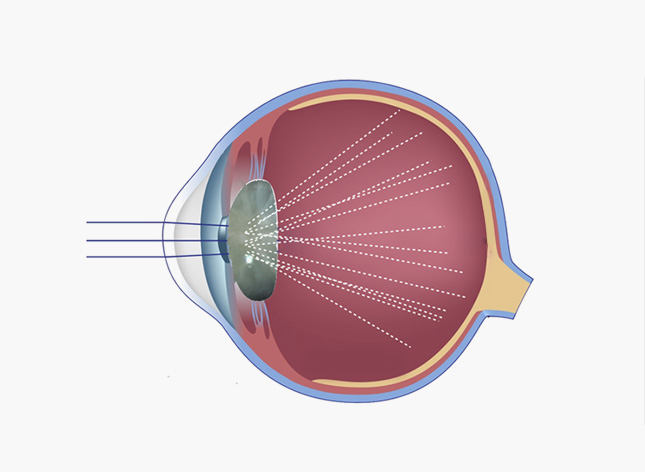
Diabetes damages the eye mainly through the retina’s small blood vessels. Persistently high glucose injures vessel walls, so they leak fluid and blood or become blocked. Blocked areas of retina are starved of oxygen, and the eye responds by growing fragile new vessels that bleed easily and can pull on the retina. Fluid collecting in the macula, the centre of the retina used for reading and faces, causes the central blurring many patients first notice. Elsewhere in the eye, high sugar can make the lens cloudy sooner (cataract), and abnormal vessels on the iris can raise eye pressure (neovascular glaucoma). Long duration of diabetes, poor glucose control, high blood pressure, high cholesterol, smoking, kidney disease and pregnancy all raise the risk.
Q. What happens during a diabetic eye exam in Seoul?
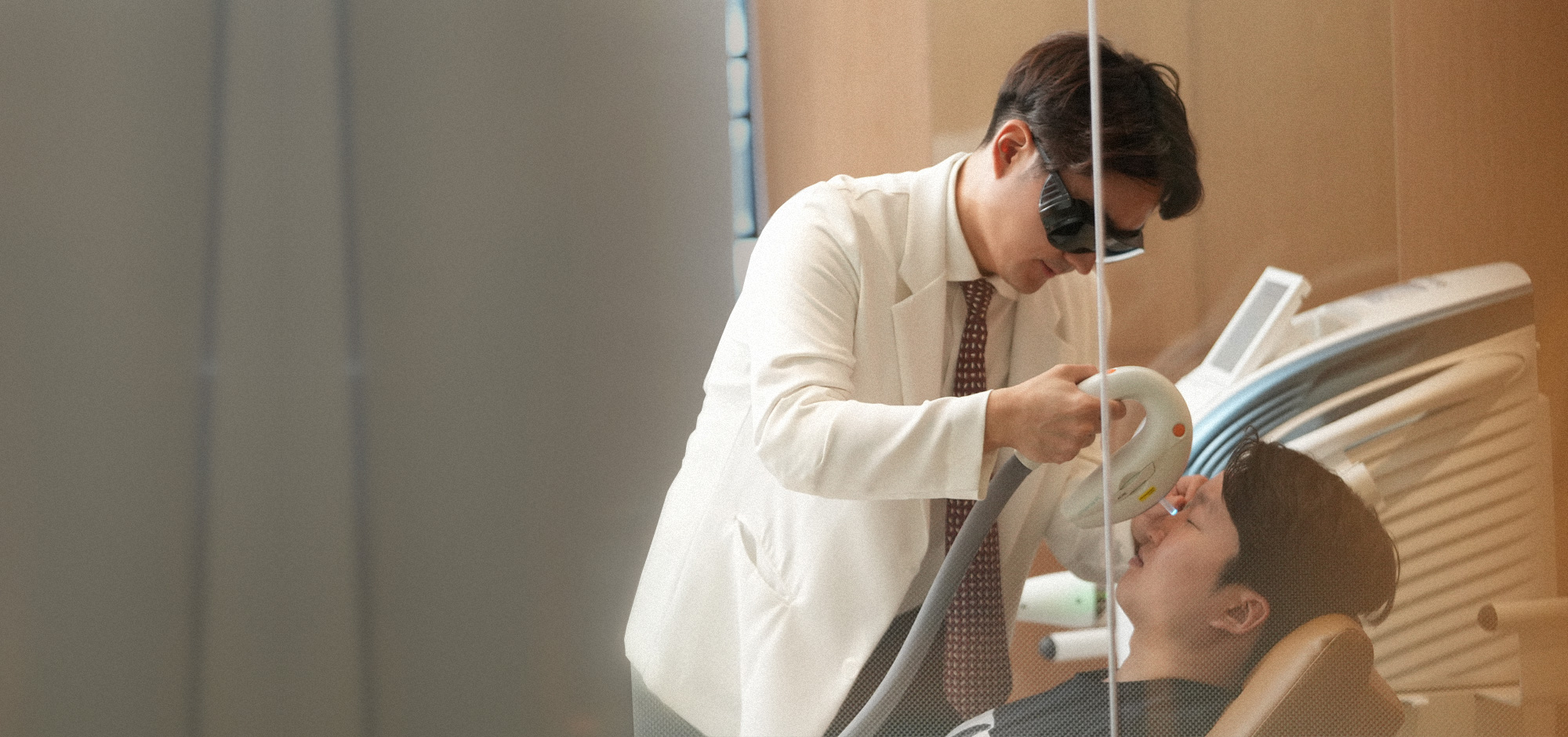
A proper diabetic eye exam is more than a vision check. We measure visual acuity and eye pressure, then dilate the pupils so the whole retina can be examined. Retinal photographs document the baseline so changes can be compared year to year, and OCT shows whether the macula is swollen, even when vision still feels fine. If leakage or abnormal vessels are suspected, further imaging may be arranged. The result is a clear stage, a follow-up interval, and a short letter or summary you can share with your endocrinologist or family doctor. Patients from Guro, Gasan, Gwanak and Yeongdeungpo often combine the visit with a regular diabetes clinic appointment.
Q. What can I do between eye exams to protect my vision?
The evidence is consistent: steadier blood sugar, controlled blood pressure and cholesterol, not smoking and attending every scheduled exam reduce the chance of vision-threatening disease. Keep a record of your HbA1c results and tell your eye doctor about any new diabetes medication, since treatment changes can matter. Do not skip screening because you see well, and do not self-treat new floaters or flashes with a wait-and-see approach. Ask your diabetes physician what individual targets suit you, and bring that information to your eye appointment.
Q. When should I see a doctor in Seoul?
- Sudden vision loss or a dark curtain over part of your sight
- A shower of new floaters or flashes of light
- Distorted straight lines or blurred central vision
- Any eye symptom with very high blood sugar readings
- Missed screening for more than a year
Mild to moderate
Non-proliferative stage: small leaks and bleeds. Usually monitored with yearly or more frequent exams.
Macular edema
Fluid at the macula blurs central vision. Treated with injections or laser after OCT confirmation.
Proliferative
Fragile new vessels can bleed and cause retinal detachment. Needs urgent laser or surgery.
A word from Dr. Daniel Baik
“Do not wait for blurry vision. Book your dilated exam right after your diabetes diagnosis, and bring your latest HbA1c: if sugar was recently lowered very fast, vision can temporarily blur or retinopathy can briefly worsen, so we like to examine before and a few months after major treatment changes.”
❓ Frequently Asked Questions
Q. How often should I have a diabetic eye exam?
Most guidelines advise a dilated exam at diagnosis for type 2 diabetes and at least once a year afterward, or more often if retinopathy is present. Your ophthalmologist sets the interval.
Q. Can diabetic retinopathy be reversed?
Damage already done usually cannot be fully reversed, but treatment and tighter control can stop or slow progression and protect remaining vision.
Q. Is there an English-speaking eye doctor in Seoul for diabetic eye exams?
Yes. Nunehim Eye Center in Guro offers consultations in Korean and English with a board-certified ophthalmologist.
Q. Do I need a referral?
For a clinic visit, generally no. Book directly via Naver Booking and bring your ID and medical records.
Q. Does the exam hurt?
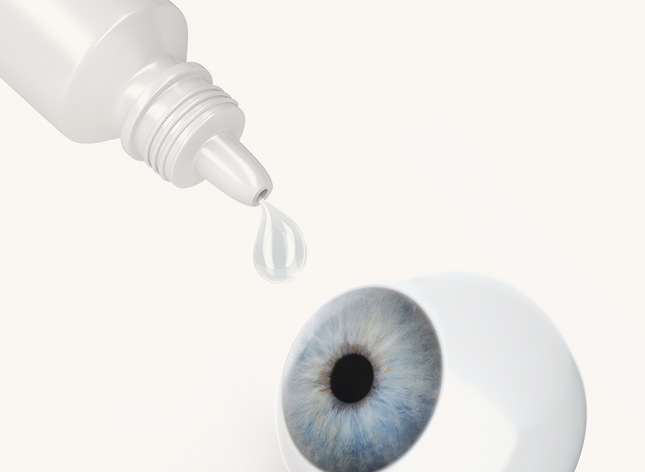
No. Dilating drops sting briefly and make light sensitive for a few hours; imaging is non-contact.
Q. Can I still get cataract or LASIK surgery with diabetes?
Cataract surgery is common in people with diabetes once the retina is assessed. Laser vision correction needs stable glucose control and careful screening; we specialise in TransPRK/2-Day LASEK and do not offer SMILE LASIK.
Q. How much does it cost?
Costs depend on insurance status and the tests needed. Please ask the clinic for a current quote.

Related reading
- Diabetic Eye Exams in Seoul: When to Screen for Diabetic Retinopathy
- Macular Degeneration Seoul: Early Signs, Eye Exams & Treatment Options for Expats
- Glaucoma vs Normal Eye Pressure: What Every Adult in Seoul Should Know
Book a Consultation
Schedule your diabetic eye exam with Dr. Daniel Baik, board-certified ophthalmologist.
📍 Visit Nunehim Eye Center — Guro, Seoul
Convenient access from Guro, Gasan, Gwanak and Yeongdeungpo. Near Guro Digital Complex Station (Line 2).
Address
551 Siheung-daero, Guro-gu, Seoul
nunehim.com
Hours
Mon–Fri 09:00–18:30 (lunch 13–14)
Sat 09:00–14:00
Languages
Korean & English


Leave a Reply