Macular Degeneration Seoul: Early Signs, Eye Exams & Treatment Options for Expats
Spot the warning signs early — an English-speaking retina-aware eye exam near Guro, Yeongdeungpo, Gasan and Gwanak
Quick Answer
If you are looking for macular degeneration Seoul care, the key is early detection: AMD usually starts silently, so see an eye doctor promptly for blurred or wavy central vision, difficulty reading or a dark spot in the centre. At Nunehim Eye Center in Guro-gu, Dr. Daniel Baik, a board-certified ophthalmologist, offers dilated exams and OCT imaging in Korean and English. Wet AMD is treated with anti-VEGF injections, and dry AMD is managed with monitoring, lifestyle changes and sometimes AREDS2 supplements.
Q. What is macular degeneration and what causes it?
Age-related macular degeneration (AMD) is a disease of the macula, the small central part of the retina responsible for reading, recognising faces and driving. For anyone searching for macular degeneration Seoul, the short version is this: AMD damages central vision while side vision usually stays intact, so people rarely go fully blind but can lose the ability to do detailed tasks. It comes in two forms. Dry AMD develops slowly as waste deposits called drusen accumulate and macular cells thin out. Wet AMD occurs when fragile new blood vessels grow beneath the retina and leak.
Age is the main risk factor, but smoking is the strongest modifiable one, and family history, cardiovascular disease, high blood pressure and a diet low in vegetables and fish also contribute. For patients in Yeongdeungpo, Guro, Gasan and Gwanak, many of whom work long hours at screens, we often see people attribute early symptoms to “tired eyes” or an outdated glasses prescription for months before a proper retinal exam.
Q. What are the early signs and symptoms of macular degeneration?
- Straight lines (door frames, tiles, text lines) look wavy, bent or broken — called metamorphopsia.
- A blurry or greyish patch in the centre of vision that does not clear with blinking or new glasses.
- Needing much brighter light to read, or colours looking faded.
- Difficulty recognising faces, or letters disappearing while reading.
- Slow adaptation when moving from bright to dim rooms.
- Symptoms often start in one eye, and the other eye compensates — so cover each eye separately to test.
Key facts about AMD
- ▸ AMD is one of the leading causes of irreversible vision loss in older adults worldwide.
- ▸ Dry AMD makes up the large majority of cases, while wet AMD accounts for most of the severe central vision loss.
- ▸ The AREDS2 study found that a specific vitamin and mineral formula lowered the risk of progression from intermediate to advanced AMD by about 25% in people at high risk.
- ▸ Stopping smoking is the single most effective lifestyle change for reducing AMD risk.
Q. What are the treatment options for macular degeneration?
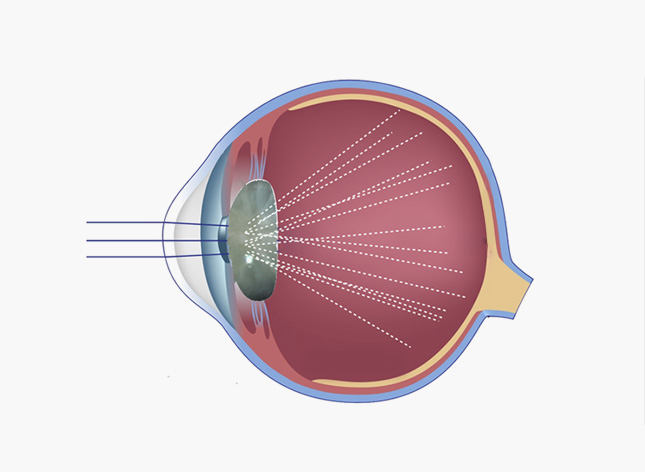
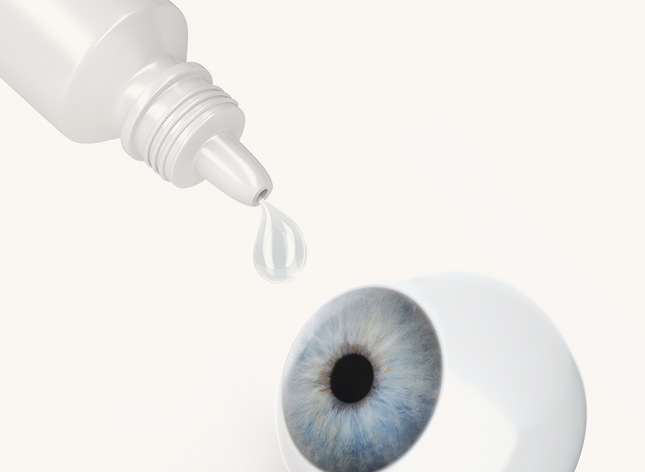
Wet AMD: The standard treatment is anti-VEGF therapy, injections that block the growth factor driving leaky vessels. Commonly used agents include ranibizumab, aflibercept, faricimab and, in some settings, bevacizumab. Injections are given in a sterile procedure with numbing drops, typically repeated at intervals guided by OCT scans. Starting treatment quickly after symptoms begin gives the best chance of preserving vision.
Dry AMD: There is no injection that reverses it. Management means regular monitoring with OCT and home Amsler grid checks, stopping smoking, a Mediterranean-style diet rich in leafy greens and fish, blood pressure control, UV protection, and for intermediate AMD, discussing an AREDS2-type supplement. Newer therapies for advanced dry AMD (geographic atrophy) exist in some countries; ask your doctor what is currently available in Korea.
Q. What should expats know about getting an AMD eye exam in Seoul?
Foreign residents can book directly without a referral. Use Naver Booking or ask for an English consultation, and bring your passport or Alien Registration Card (ARC), your current glasses, a list of medications (especially blood thinners) and any previous OCT or retina reports from home. A typical visit includes vision testing, pressure check, dilating drops and OCT imaging; plan for 1 to 2 hours and do not drive afterwards, since dilation blurs near vision for several hours. If you are enrolled in Korean National Health Insurance, standard coverage rules apply; if you are self-pay, ask the clinic for a current quote for each test before you start. Clinic staff and Dr. Baik can explain results in English, which matters when decisions about injections or follow-up intervals are on the table.
Q. What happens during a macular degeneration eye exam in Seoul?
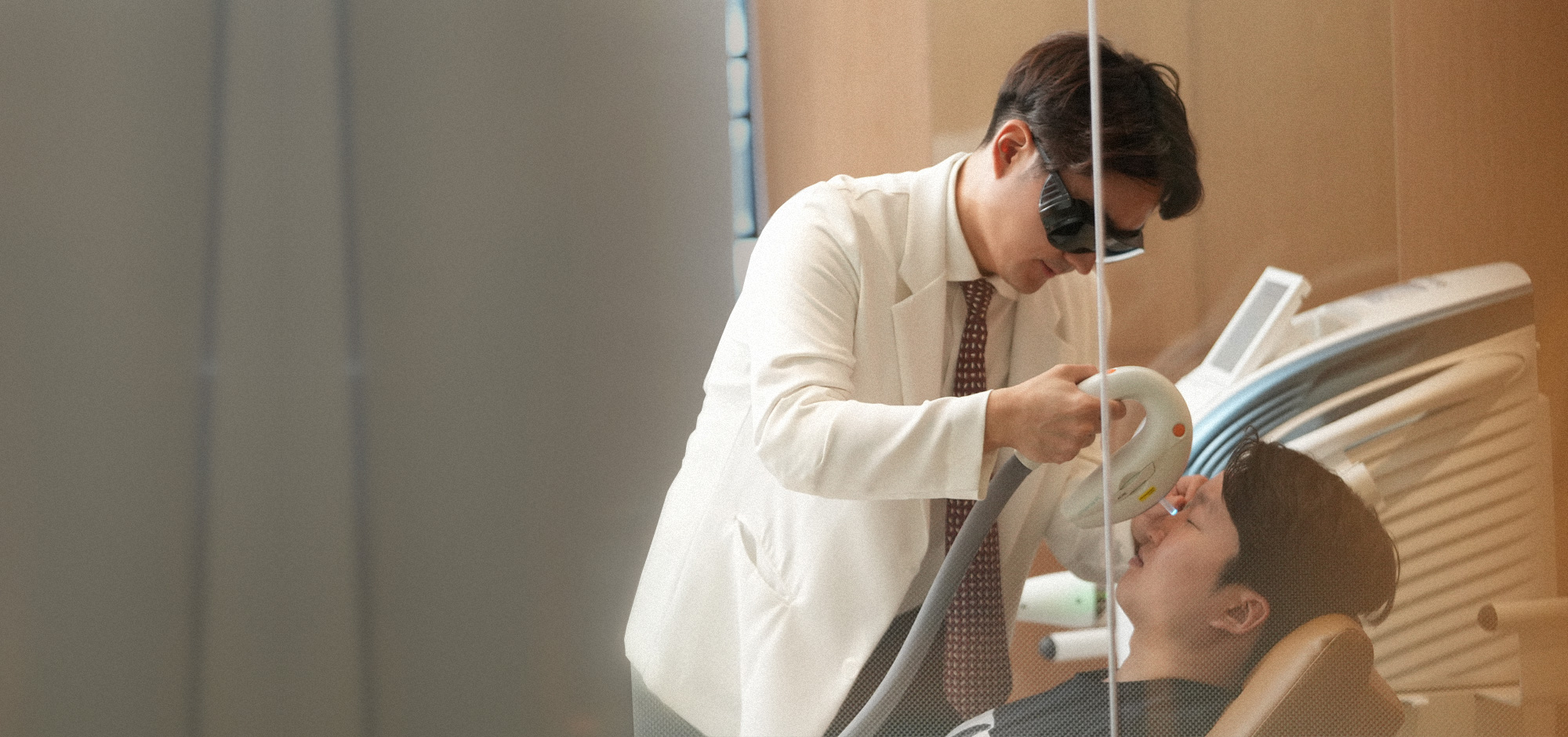
A thorough AMD assessment at our clinic near Guro Digital Complex usually follows a set sequence. First comes a history: when you noticed symptoms, whether one eye or both are affected, smoking, family history, blood pressure and any medicines. Next are visual acuity, an Amsler grid check and an eye pressure measurement. After dilating drops, Dr. Baik examines the retina directly and takes OCT images, which show a cross-section of the macula in seconds and reveal drusen, thinning or fluid that is invisible on a standard exam. Fundus photographs create a baseline so changes can be compared at later visits.
If the scans show fluid or suspicious vessels, further imaging may be recommended and treatment planning begins promptly. If the macula looks healthy or shows only early drusen, you leave with a clear follow-up interval and an Amsler grid routine. Patients from Yeongdeungpo, Gasan and Gwanak often appreciate having the findings explained in English with the images on screen.
Q. Can lifestyle changes slow macular degeneration?
Lifestyle cannot reverse AMD, but it measurably influences risk. Stopping smoking, keeping blood pressure and cholesterol controlled, staying physically active, maintaining a healthy weight and eating leafy greens, colourful vegetables and oily fish are all associated with lower progression risk. Korean staples such as spinach, perilla leaves, kimchi-based vegetable dishes and grilled mackerel fit this pattern well. Wear sunglasses with UV protection outdoors, and take screen breaks, although screen use itself has not been shown to cause AMD. Supplements should be discussed first: the AREDS2 formula is intended for people with intermediate or advanced AMD, not as a general vitamin for everyone, and smokers should avoid beta-carotene-containing versions.
Q. When should I see a doctor in Seoul right away?
- Sudden new distortion or a blank spot in central vision — see an eye doctor within days, ideally the same week.
- Rapid drop in vision in one eye, or lines suddenly appearing bent.
- Flashes of light or a curtain over vision (possible retinal tear or detachment — urgent).
- Known AMD with new changes on your Amsler grid.
Early / Intermediate
Few or no symptoms; drusen seen on exam. Monitor with OCT every 6 to 12 months, lifestyle changes, consider AREDS2.
Late dry (atrophic)
Gradual central blind spot as cells are lost. Focus on low-vision aids, lighting and close follow-up.
Wet (neovascular)
Rapid distortion from leaking vessels. Needs prompt anti-VEGF treatment and scheduled OCT-guided follow-up.
A note from Dr. Daniel Baik
“Cover one eye at a time and look at a door frame or the lines of a tiled wall once a week. If a straight line ever looks bent or has a gap, do not wait for it to pass — book an OCT scan within the week, because wet AMD is far easier to control when it is caught early. And if you smoke, stopping is the most useful thing you can do for your macula.”
❓ Frequently Asked Questions
Q. What is the difference between dry and wet macular degeneration?
Dry (atrophic) AMD is the more common form and progresses slowly as the macula thins and drusen deposits build up. Wet (neovascular) AMD is less common but more dangerous: abnormal blood vessels leak fluid or blood under the macula and can cause rapid central vision loss. Wet AMD is treated with anti-VEGF injections, so early detection matters.
Q. Can I get an eye exam for macular degeneration in Seoul without speaking Korean?
Yes. Nunehim Eye Center in Guro-gu offers consultations in both Korean and English, so you can describe symptoms such as distorted lines or a central blur and understand the findings, imaging and next steps. Bring your passport or ARC and any prior eye records.
Q. How is macular degeneration diagnosed?
Diagnosis combines a dilated retinal examination with optical coherence tomography (OCT), a quick, painless scan that shows the layers of the macula and any fluid. Fundus photography, and in some cases fluorescein or OCT angiography, may be added to look for abnormal blood vessels.
Q. Is there a cure for AMD?
There is no cure that restores lost macular cells. However, wet AMD can often be stabilised, and sometimes partly improved, with regular anti-VEGF injections, and intermediate dry AMD can be slowed with lifestyle changes and, in selected patients, an AREDS2-type supplement. The goal is to protect the vision you still have.
Q. Do I need a referral or Korean insurance to be seen for AMD in Seoul?
Eye clinics in Korea generally accept direct visits without a referral. Foreign residents enrolled in National Health Insurance are covered under the standard system, while visitors without enrolment pay out of pocket. Coverage and costs vary by test and treatment, so ask the clinic for a current quote before your visit.
Q. How often should I check my vision at home with an Amsler grid?
Many eye doctors suggest checking each eye separately every few days if you have drusen or a diagnosis of AMD, in good light with your reading glasses on. Any new waviness, gap or dark spot should prompt a clinic visit within days, not weeks.
Q. Can I live in Seoul long-term and still be monitored for macular degeneration?
Yes. Regular follow-up every 6 to 12 months for early or intermediate AMD (or sooner if your doctor advises) is easy to arrange from Guro, Yeongdeungpo, Gasan or Gwanak, and Naver Booking lets you schedule visits in advance.

Related reading
- Diabetic Eye Exams in Seoul: When to Screen for Diabetic Retinopathy
- Eye Floaters Causes Seoul: Should You Worry?
- Large Cup-to-Disc Ratio on a Health Check: Does It Mean Glaucoma?
Book a Consultation
Worried about changes in your central vision? Book a retina-focused eye exam with English support.
📍 Visit Nunehim Eye Center — Guro, Seoul
Convenient access from Guro, Gasan, Gwanak and Yeongdeungpo. Near Guro Digital Complex Station (Line 2).
Address
551 Siheung-daero, Guro-gu, Seoul
nunehim.com
Hours
Mon–Fri 09:00–18:30 (lunch 13–14)
Sat 09:00–14:00
Languages
Korean & English
Contact
Phone: +82 2 2039 9322
Chat with the clinic on KakaoTalk


Leave a Reply