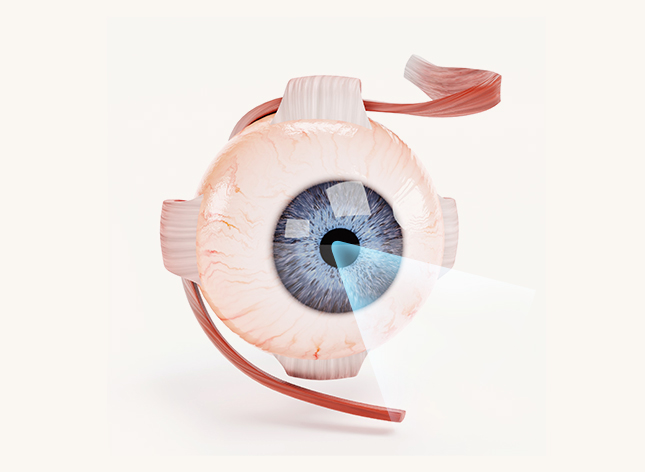
Strabismus (Crossed Eyes) in Children: Diagnosis & Treatment in Seoul
Eye alignment problems in kids: what parents and expat families in Seoul should know
Quick Answer
Strabismus in children is a misalignment of the eyes (one eye turns in, out, up or down) that needs a proper eye exam, not a wait-and-see approach. If you are searching for strabismus children Seoul care, the key steps are: a dilated eye exam to check for refractive error and eye health, a measurement of the deviation, and treatment with glasses, patching or surgery depending on the type. Treating early protects the child’s 3D vision and prevents amblyopia (lazy eye). Nunehim Eye Center in Guro-gu offers Korean and English consultations for families from Guro, Yeongdeungpo, Gasan and Gwanak.
Q. What is strabismus in children and what causes it?
Strabismus is a condition in which the two eyes do not point at the same target at the same time. For parents searching for strabismus children Seoul information, the most useful point is that it is a problem of eye-muscle control and brain-eye coordination, not of “weak eye muscles” in a simple sense. The deviation can be constant or intermittent, and it can affect one eye or alternate between the two.
Common causes include uncorrected farsightedness (hyperopia), which makes the eyes over-focus and turn inward; differences in prescription between the two eyes; family history; prematurity; neurological or developmental conditions; and, less often, a problem inside the eye such as a cataract or retinal disease that reduces vision in one eye. Because a hidden eye disease can occasionally be the reason an eye drifts, a child with a new turn should always be examined rather than assumed to have a “simple” squint. Families in Yeongdeungpo, Guro, Gasan and Gwanak can have this full assessment at a single visit.
Q. What are the main types of childhood strabismus?
- Esotropia (eye turns inward): includes infantile esotropia in the first months of life and accommodative esotropia, which often appears around ages 2–4 and is linked to farsightedness.
- Exotropia (eye drifts outward): intermittent exotropia is the most common form; the eye often drifts when the child is tired, daydreaming or looking at distance, and parents may notice squinting in bright sunlight.
- Vertical deviations: one eye sits higher than the other, sometimes with a head tilt.
- Pseudostrabismus: eyes look crossed in infants because of a broad nose bridge and skin folds, but they are actually straight. Only an exam can tell the difference.
Q. What are the signs of strabismus parents can notice at home?
- An eye that turns in, out, up or down, even occasionally
- Head tilt or face turn to look at things
- Closing or squinting one eye in bright light
- Poor depth perception, clumsiness with ball games or stairs
- Eye rubbing, complaints of double vision or headaches
- Light reflection (for example from a phone flash) that sits in a different spot in each pupil in photographs
Q. How common is strabismus and why does timing matter?
- ▸ Strabismus is commonly reported to affect roughly 2–4% of children.
- ▸ Amblyopia (lazy eye) is a frequent complication, because the brain can start to ignore the image from the misaligned eye.
- ▸ A child’s visual system is most adaptable in early childhood, which is why treatment started early usually works better than treatment started late.
- ▸ Children with a family history of strabismus or amblyopia are at higher risk and benefit from an early screening exam.
Q. How is strabismus in children diagnosed and treated?
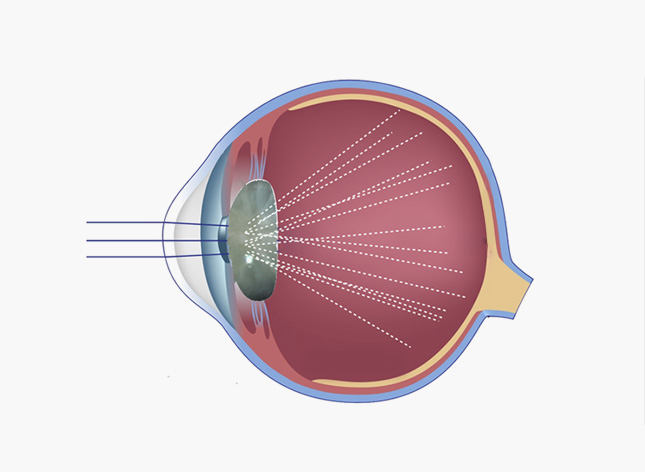
Diagnosis begins with a cycloplegic (dilated) refraction to find hidden farsightedness, followed by a cover test and prism measurement of the deviation, an assessment of eye movements and a check of the front and back of the eye. In young children the doctor also assesses visual acuity by an age-appropriate method to look for amblyopia.
Treatment depends on the type. Full-time glasses can straighten many accommodative esotropias. Patching or atropine treatment is used when one eye has become amblyopic. Prism glasses and eye exercises may help in selected cases such as convergence problems. When the eyes remain misaligned despite these measures, eye-muscle surgery is the established option, and timing depends on the type and the child’s age. Surgery is performed by a pediatric strabismus surgeon, and Nunehim Eye Center coordinates referral when surgery is the right next step.
Q. How can expat families in Seoul get a child’s eyes checked?
Expat parents often ask how to find an English-speaking eye doctor in Seoul for a child. At Nunehim Eye Center you can book through Naver Booking or ask for an English consultation. Bring your child’s passport or Alien Registration Card (ARC), any previous glasses prescription, and records or photos from your home country or pediatrician. Plan for a longer visit, because dilating drops need about 30–40 minutes to work and may blur near vision for several hours afterwards.
Whether a visit is covered by Korean national health insurance or paid out of pocket depends on your residency and insurance status, so ask the clinic about a current quote before the visit. A referral letter is generally not required for a first eye exam. Families living in Guro, Yeongdeungpo, Gasan and Gwanak can reach us easily by Line 2 or Line 7 and by bus.

Q. When should I see a doctor in Seoul about my child’s eyes?
See an eye doctor promptly if you notice any of the following; a sudden new turn needs urgent attention.
- A sudden new eye turn or double vision, especially with headache, vomiting or unsteady walking (go to an emergency department)
- An eye turn that is constant after 4 months of age
- A white or unusual reflection in a pupil in photographs
- A persistent head tilt
- An eye that drifts often, even if it straightens at other times
- A failed vision screening at school or kindergarten
Q. What does the treatment pathway look like step by step?
Step 1: Assess
Dilated refraction, cover test, alignment measurement and eye-health check to find the cause.
Step 2: Correct & Train
Glasses for hyperopia, patching or atropine for amblyopia, and prisms or exercises in selected cases.
Step 3: Review or Operate
Regular follow-up to track alignment and vision; surgery by a pediatric strabismus surgeon if misalignment persists.
A Note from Dr. Daniel Baik
“A quick home check: take a photo of your child looking at the camera with the flash on. If the little reflections do not sit in the same spot in both pupils, or your child tilts their head or shuts one eye in sunlight, book an exam. Please do not wait for them to grow out of it after about four months of age. Once we find the cause, many children can be managed with glasses and patching alone.” — Dr. Daniel Baik, board-certified ophthalmologist
❓ Frequently Asked Questions
Q. Will my child outgrow crossed eyes?
Not reliably. Newborns can have occasional wandering eyes in the first few months, but a turn that persists beyond about four months, or any turn that appears later, needs a proper exam. Waiting can allow amblyopia to develop.
Q. At what age should my child have a first eye exam?
Children should have an eye exam early, and sooner if there is a family history of strabismus, prematurity or any visible eye turn. A routine exam before school age is a sensible minimum for all children.
Q. Do glasses fix strabismus?
Glasses can fully or partly straighten the eyes when farsightedness is the cause, as in accommodative esotropia. For other types, glasses are part of the treatment alongside patching, prisms or surgery.
Q. Is strabismus surgery safe for children?
Eye-muscle surgery is a long-established procedure performed under general anesthesia by a specialist. Like any surgery it has risks, and the surgeon will explain them. Sometimes a second procedure or glasses are still needed afterwards.
Q. What is the difference between strabismus and amblyopia?
Strabismus is misalignment of the eyes. Amblyopia is reduced vision in an eye that the brain is not using properly. Strabismus can cause amblyopia, but amblyopia can also occur with eyes that look straight.
Q. Can adults develop or treat strabismus too?
Yes. Adults can develop new misalignment from nerve, thyroid or other conditions, and long-standing strabismus can be treated at any age, although the aims differ from children and double vision is more of a concern.
Q. Can I book an English consultation for my child in Guro?
Yes. Nunehim Eye Center in Guro-gu offers consultations in Korean and English. You can reserve through Naver Booking or by contacting the clinic through nunehim.com, and families from Yeongdeungpo, Gasan and Gwanak are welcome.

Related reading
- Amblyopia (Lazy Eye) Treatment for Children in Seoul: A Guide for Expat Parents
- When Can a Child Stop Ortho-K? Myopia Rebound, Stopping Age and What the Evidence Says
Book a Consultation
Worried about your child’s eye alignment? Reserve an exam with Dr. Baik.
📍 Visit Nunehim Eye Center — Guro, Seoul
Convenient access from Guro, Gasan, Gwanak and Yeongdeungpo. Near Guro Digital Complex Station (Line 2).
Address
551 Siheung-daero, Guro-gu, Seoul
nunehim.com
Hours
Mon–Fri 09:00–18:30 (lunch 13–14)
Sat 09:00–14:00
Languages
Korean & English


Leave a Reply