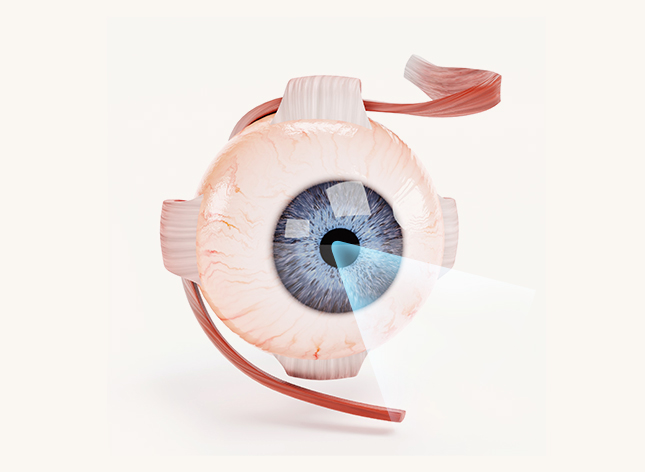
Ptosis (Droopy Eyelid) in Seoul: Causes, Warning Signs & Treatment Options
Nunehim Eye Center · Guro · Yeongdeungpo · Gasan · Gwanak
Quick Answer
Ptosis (a droopy eyelid) means the upper eyelid sits lower than normal because the muscle or tendon that lifts it is weak, stretched, or its nerve supply is disturbed. If you are searching for ptosis droopy eyelid Seoul care as an expat or resident, the first step is an in-person eye examination to separate harmless age-related stretching from rarer nerve or muscle causes. Mild cases may only need monitoring; ptosis that blocks vision is usually corrected with eyelid surgery by an oculoplastic surgeon. At Nunehim Eye Center in Guro-gu, Dr. Daniel Baik, a board-certified ophthalmologist, provides the evaluation in Korean or English.
Q. What causes ptosis droopy eyelid in Seoul patients and everywhere else?
Ptosis has several distinct origins, and finding the right one decides the treatment. The most common in adults is involutional (aponeurotic) ptosis: over decades the tendon of the levator muscle stretches or detaches slightly from the eyelid plate. Long-term hard contact lens wear, habitual eye rubbing, and previous eye surgery (including cataract surgery) can accelerate this. Congenital ptosis is present from birth because the levator muscle developed poorly. Neurogenic ptosis arises from third-cranial-nerve palsy or Horner syndrome; myogenic ptosis includes myasthenia gravis and some muscle diseases; and mechanical ptosis is caused by a lid mass, scarring, or heavy swelling. Patients from Guro, Yeongdeungpo, Gasan and Gwanak often tell us that “my eyes just look tired” years before they notice the visual field effect.
Q. What are the symptoms and signs of a droopy eyelid?
- One or both upper eyelids sit lower than normal and may partly cover the pupil
- A narrower eye opening, with the brow raised to compensate and a tired forehead by evening
- Tilting the chin up or head back to see under the lid
- A blocked upper field of vision, especially when reading or driving
- Asymmetry between the eyes, or a sudden change seen in old photographs
- Fatigue-related drooping that worsens late in the day (needs a neurological check)
Ptosis by the Numbers (Clinical Reference Values)
- ▸ Normal upper lid margin sits about 1–2 mm below the top of the cornea (limbus)
- ▸ Margin-reflex distance 1 (MRD1) is commonly about 4–5 mm in healthy adults; under 2 mm usually indicates ptosis
- ▸ Ptosis severity is generally graded by lid drop: mild 1–2 mm, moderate 3 mm, severe 4 mm or more
- ▸ Levator function (lid excursion) under about 4 mm is considered poor and guides the choice of surgery
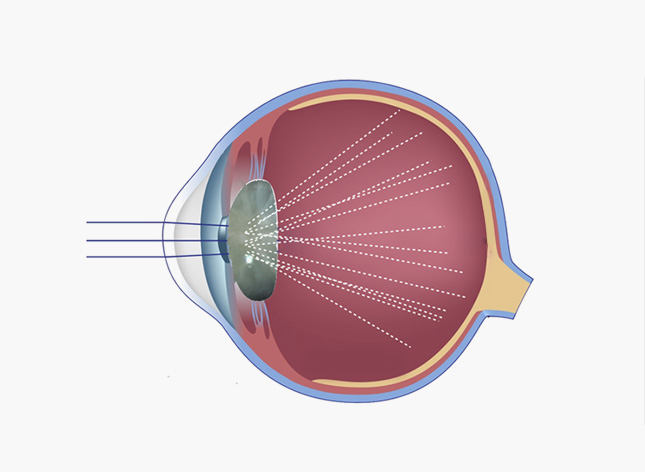
Q. What are the treatment options for ptosis?
Treatment depends on cause, severity and levator function. Observation is reasonable for mild, stable ptosis that does not affect vision. When the lid blocks vision or the appearance is bothersome, surgery is the definitive option: levator advancement or resection tightens the stretched tendon; Müller’s muscle–conjunctival resection suits mild-to-moderate ptosis that lifts with a phenylephrine test drop; and a frontalis sling borrows the forehead muscle when levator function is poor, as in many congenital cases.
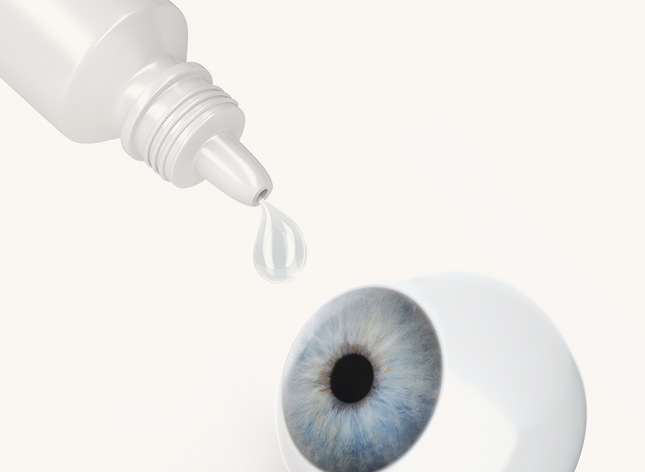
Non-surgical options include specially fitted ptosis crutches on spectacles and, where available, prescription oxymetazoline drops for a temporary lift in acquired ptosis. Dry eye should be treated before and after surgery because a higher lid can expose more of the eye surface. Nunehim Eye Center evaluates the cause and ocular surface and coordinates referral to an oculoplastic surgeon when an operation is the right step.
Q. How is ptosis diagnosed, and what does recovery after surgery involve?
Diagnosis is a measured clinical examination, not a guess from a photograph. We record MRD1 (lid margin to light reflex), palpebral fissure height, levator function, the position of the lid crease, and whether the lid lags on downgaze. A phenylephrine test drop can show how much lift Müller’s muscle contributes. We also check eye movements, pupil size, and pupil reaction for nerve causes, and ask about fatigue, swallowing and diplopia for neuromuscular disease. In children, we test visual acuity and refraction because even moderate ptosis can induce astigmatism or amblyopia, which is why a young child with a lid covering the pupil should not simply be observed.
Recovery after eyelid surgery varies with the technique and the surgeon. In general, expect swelling and bruising that fade over the first couple of weeks, cold compresses early on, lubricating drops and ointment because the eye may not close fully at first, and no contact lens wear until the surgeon allows it. Possible risks include under- or over-correction, asymmetry, dry eye and the need for adjustment, which is why post-operative follow-up and a realistic discussion before surgery matter. Residents of Guro, Gasan, Gwanak and Yeongdeungpo can have pre-operative assessment and dry-eye management at our Guro clinic, and we share findings with the operating surgeon.
Q. What should expats in Seoul know before seeing an eye doctor for ptosis?
You can book directly; no referral is generally needed. Reserve through Naver Booking or ask for an English consultation. Bring your passport or ARC, a medication list (including any for myasthenia, thyroid or blood pressure), prior eye records, and ideally a few older face photos, since comparing them helps date the drooping. A typical visit includes vision and eye-pressure checks, lid measurements (MRD1, levator function), a slit-lamp and dry-eye exam, pupil and eye-movement testing, and photographs. Korean national health insurance and self-pay rules differ between medically necessary and cosmetic eyelid procedures, so ask the clinic for a current explanation and quote rather than assuming; prices are not listed here. Many patients travel from Yeongdeungpo, Gasan and Gwanak to our Guro clinic for the combined English and Korean service.
Q. When should I see a doctor in Seoul for a droopy eyelid?
Seek same-day care if drooping appears suddenly. Red flags include:
- Sudden ptosis with double vision or a larger pupil on the same side
- Eye pain or a severe, new headache with drooping
- Drooping that worsens through the day, with difficulty chewing, swallowing or speaking
- A small pupil, with the lid drooping and less sweating on one side of the face
- Drooping after head or eye injury
- Ptosis in a baby or child (early review protects vision development)
1 · Mild Ptosis
Lid drop of about 1–2 mm. Often monitored, with dry-eye care and photo comparison.
2 · Moderate Ptosis
Lid drop of about 3 mm, with visual field effects. Phenylephrine testing guides the surgical choice.
3 · Severe or Poor Levator Function
Lid drop of 4 mm or more, or weak muscle. Often needs a sling or advanced surgery.
A Note from Dr. Daniel Baik
“Before any eyelid operation, I want to know whether the drooping is mechanical, muscular or neurological. A quick practical test you can do: take a front-facing photo each week for a month, with the same lighting; if one lid is lower on some days than others, or looks worse in the evening, tell us at the first visit, because that pattern changes the work-up.”
❓ Frequently Asked Questions
Q. Can ptosis go away on its own?
Sometimes. Ptosis that appears after prolonged hard-contact-lens wear, eye rubbing, or a recent eyelid or eye operation can improve partially, and mild swelling-related drooping usually settles. Age-related (involutional) and congenital ptosis do not normally resolve without treatment. Any drooping that is new, progressive, or comes with double vision should be examined rather than watched.
Q. Is a droopy eyelid always cosmetic?
No. Ptosis is a functional problem when the lid margin covers the pupil and narrows your upper visual field, causes brow strain or tilting of the head, or makes reading and driving tiring. In children it can also cause amblyopia (lazy eye) or astigmatism. Measuring the margin-to-reflex distance and the visual field tells us whether it is mainly functional.
Q. How is ptosis different from dermatochalasis (excess eyelid skin)?
In true ptosis the eyelid margin itself sits too low because the lifting muscle or its tendon is weak. In dermatochalasis the margin is normal but loose skin hangs over it. The two often coexist in people over 50, and the treatment differs, so an examination that lifts the skin out of the way is important before any procedure is planned.
Q. Can eye drops treat ptosis?
Some prescription eye drops (oxymetazoline 0.1%) have been approved in certain countries for acquired ptosis in adults; they act on Müller’s muscle and give a modest, temporary lift. Availability in Korea varies, so ask the clinic what is currently accessible. Drops do not correct congenital ptosis or ptosis caused by nerve or muscle disease.
Q. When is ptosis an emergency?
A sudden droopy lid together with double vision, a larger pupil on the same side, eye pain, or severe headache needs same-day assessment because it can signal a third-cranial-nerve problem. A drooping lid with a small pupil and reduced sweating on one side (Horner syndrome), or drooping that worsens through the day, also needs prompt work-up.
Q. Can a foreigner in Korea see an eye doctor without a referral?
Yes. In Korea you can generally visit an ophthalmology clinic directly without a GP referral. Bring your passport or Alien Registration Card (ARC), a list of medications, and any previous eye records. If you have national health insurance, tell the front desk; coverage for eyelid procedures depends on whether they are judged medically necessary, so ask for a current explanation.
Q. Which surgeon performs ptosis surgery, and what happens at Nunehim?
Ptosis surgery is performed by oculoplastic or eyelid surgeons. At Nunehim Eye Center we examine the eyelid and eye, check for dry eye, nerve and muscle causes, document measurements and photographs, and coordinate referral to a surgeon when an operation is appropriate. Consultations are available in Korean and English.

Related reading
- Blepharitis in Seoul: Itchy, Crusty Eyelids, Dry Eye and Demodex Explained
- Strabismus (Crossed Eyes) in Children: Diagnosis & Treatment in Seoul
- New Eye Floaters and Flashes in Seoul: When You Need an Urgent Retinal Exam
Book a Consultation
Concerned about a droopy eyelid? Get an English or Korean eye examination in Guro-gu, Seoul.
📍 Visit Nunehim Eye Center — Guro, Seoul
Convenient access from Guro, Gasan, Gwanak and Yeongdeungpo. Near Guro Digital Complex Station (Line 2).
Address
551 Siheung-daero, Guro-gu, Seoul
nunehim.com
Hours
Mon–Fri 09:00–18:30 (lunch 13–14)
Sat 09:00–14:00
Languages
Korean & English


Leave a Reply