Myopia Control Children Seoul: OK Lens vs Atropine — An Expat Parent’s Guide
Nunehim Eye Center · Guro-gu, Seoul · Korean & English consultations
Quick Answer
For myopia control children Seoul families usually compare two main options: orthokeratology (OK lens, a rigid lens worn overnight) and low-dose atropine eye drops used once a night. Neither one cures nearsightedness; both aim to slow the abnormal lengthening of the eye that makes a child’s prescription climb. OK lens gives clear daytime vision without glasses but needs careful hygiene; atropine needs no lens handling but does not correct vision by itself, so glasses are still worn. Some children use both. The right choice depends on age, axial length, corneal shape and how reliably the family can follow a nightly routine, which a measured eye exam decides.
Q. What is myopia control for children in Seoul, and why does it matter?
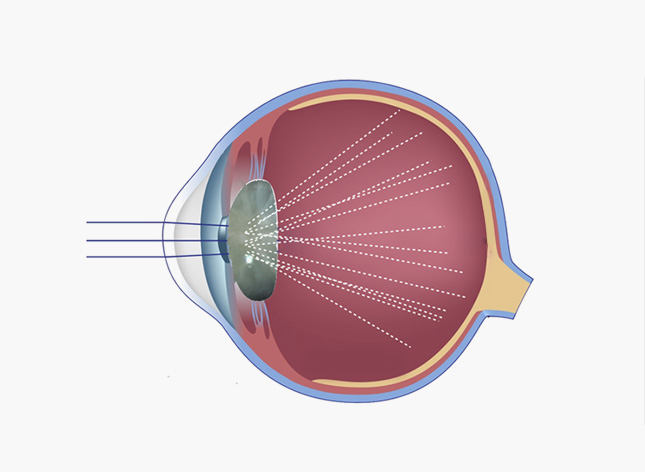
Myopia control means treatments that slow how fast a child’s eye grows longer, rather than only fixing blurry vision with stronger glasses each year. If you are looking for myopia control for children in Seoul, it helps to know the goal: a lower final prescription, because a lower final prescription means a lower lifetime risk of problems such as myopic maculopathy, retinal detachment and early glaucoma. At Nunehim Eye Center in Guro-gu, our board-certified ophthalmologist Dr. Daniel Baik sees many children from Guro, Gasan, Yeongdeungpo and Gwanak whose glasses numbers rise every six months, and this is exactly the situation myopia control is designed for.
The key measurement is axial length, the front-to-back length of the eye. A glasses prescription only tells you how blurry the world looks today; axial length tells you whether the eye is still stretching. Korean schoolchildren have intense near-work demands from early primary school, and evidence suggests that less time outdoors and long close-up hours speed this stretching. Starting control early, while the prescription is still low, tends to preserve more of the benefit than starting after years of fast progression.
Q. What are the signs a child may need myopia control?
Q. Which daily habits support myopia control alongside treatment?
Treatment works best when daily habits support it. Time outdoors in daylight is the most consistently supported lifestyle measure, and many guidelines suggest around two hours a day where practical, including school breaks and weekends in parks along the Han River or the stream paths in Gwanak and Yeongdeungpo. Alongside this, ask your child to take short breaks from close work, hold books and tablets at a comfortable distance, and keep good lighting for homework. These habits do not replace OK lens or atropine, but they add to them, and they cost nothing.
Busy after-school schedules in Guro and Gasan, where many children go straight from school to academies, make outdoor time hard to protect. If your family cannot fit it in during the week, try to make weekends deliberately outdoors, and tell your ophthalmologist so the plan reflects real life rather than an ideal routine.
Q. Who is not a good candidate for OK lens or atropine?
OK lens is generally not suited to children with active eye infections or inflammation, severe dry eye, an unusual corneal shape that cannot be fitted safely, or a household routine that cannot support nightly lens care. Atropine is not suitable if a child has a known allergy to the drug, and some children find the light sensitivity or near blur hard to tolerate. A baseline exam with corneal topography and a health check is how these questions are answered before a family spends money on any treatment.
Families sometimes ask whether it is too late to start. Even in the teenage years, slowing further progression is still worthwhile, although the earlier a child starts, the more of the eye’s growth can be influenced. If your child is already highly nearsighted, read about the risks of high myopia and book a baseline exam.
A child may need a myopia assessment if any of the following appear, even when a school screening was passed:
- Squinting at the board, TV or tablet, or sitting very close to screens
- Glasses prescription changing by about 0.5 diopter or more within a year
- One or both parents are nearsighted, especially highly nearsighted
- Frequent headaches or tired eyes after homework or phone use
- Rubbing the eyes or tilting the head to see distance clearly
- Vision that was fine at the last school screening but now “feels off”
Key figures worth knowing
- ▸ A widely cited 2016 projection (Holden et al.) estimated that about half of the world’s population could be nearsighted by 2050.
- ▸ A Seoul study of 19-year-old men (Jung et al., 2012) found myopia in about 96.5% of them, among the highest rates reported anywhere.
- ▸ In the LAMP trial in Hong Kong, 0.05% atropine slowed myopia progression by about 67% in the first year versus placebo, while 0.01% slowed it by about 27%.
- ▸ A 2019 analysis (Bullimore and Brennan) estimated that every 1 diopter of myopia avoided lowers the risk of myopic maculopathy by roughly 40%.
Q. How do OK lens and low-dose atropine compare for myopia control?
OK lens (orthokeratology) are custom rigid lenses worn while sleeping. They gently reshape the cornea so that your child sees clearly the next day without glasses or contacts, and many studies report that they slow axial elongation, commonly by roughly 30–50% compared with single-vision glasses. They suit active children, swimmers and athletes, and those who dislike glasses. The trade-offs are nightly lens care, regular follow-up, and a small but real risk of corneal infection if hygiene slips. Our guide to ortho-K and eye infections explains which habits matter most.
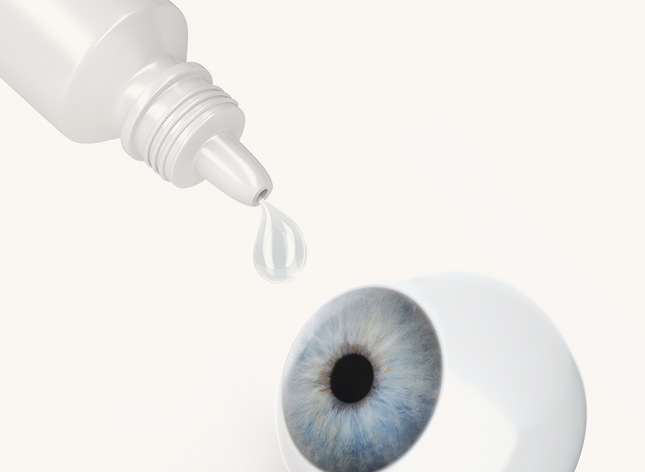
Low-dose atropine is an eye drop used once nightly. Lower concentrations (such as 0.01%–0.05%) cause less pupil dilation and light sensitivity than the old higher doses. Results vary by concentration, and a stronger dose is not automatically better for every child, because side effects and rebound after stopping also matter. Atropine suits children who cannot manage lenses, those whose corneas are not ideal for OK lens, and as an add-on to OK lens when progression continues. For a deeper side-by-side, see our glasses vs ortho-K vs atropine comparison. Availability and concentrations of atropine drops in Korea can change, so ask the clinic what is currently offered.
Q. What should expat families know about myopia control in Seoul?
Booking and visits are simpler than many families expect. Here is how it typically works for foreign residents travelling from Yeongdeungpo, Gasan, Gwanak or elsewhere in Seoul:
- How to book: use Naver Booking or contact the clinic and request an English consultation; Korean clinics generally do not require a referral letter.
- What to bring: your child’s passport or Alien Registration Card (ARC), current glasses, any previous eye records or prescriptions from home, and a list of medications and allergies.
- Typical visit flow: history, vision and refraction tests, measurement of axial length and corneal shape (topography), a slit-lamp health check, then a discussion of options in English or Korean.
- Insurance versus self-pay: in general terms, treatments aimed at slowing myopia, such as OK lens, are often paid out of pocket in Korea rather than covered by national health insurance. Ask the clinic for a current quote and what your private international insurer may reimburse.
- Follow-up: expect regular checks, usually every few months at first, so choose a clinic that is realistic to reach from home or school.
Q. When should I see a doctor in Seoul about my child’s eyes?
See an ophthalmologist promptly, and do not wait for the next scheduled visit, if you notice:
- A red, painful or light-sensitive eye in a child who wears OK lens (remove the lens and seek care the same day)
- Sudden drop in vision, new floaters, flashes of light or a curtain-like shadow
- Double vision, an eye that turns in or out, or a persistently tilted head
- Discharge, swelling or a feeling that something is stuck in the eye that does not clear within a few hours
- A prescription that jumps quickly between two visits
Q. How does a myopia control plan work step by step?
Step 1 · Assess
Refraction, axial length, corneal topography and a full eye health exam establish a baseline and show whether OK lens, atropine or both are suitable.
Step 2 · Start
For OK lens, a custom fitting and trial wear with training for parent and child. For atropine, a prescribed concentration and a simple nightly routine.
Step 3 · Monitor
Regular follow-up compares axial length and prescription with the baseline. If growth stays fast, we adjust the plan rather than waiting.
Dr. Daniel Baik, board-certified ophthalmologist
“Ask for your child’s axial length, not only the glasses number. If the eye keeps growing faster than roughly 0.3 mm a year despite treatment, we should revisit the plan together. And with OK lens, if your child wakes with a red or painful eye, take the lens out and come in that day, even if vision seems fine.”
❓ Frequently Asked Questions
Q. Can my child use OK lens and atropine together?
Some children do. Research suggests combining the two can add benefit for certain children, especially if progression continues on one treatment alone, but the decision should be individual and based on measured axial length. Ask your ophthalmologist whether adding atropine to OK lens makes sense for your child.
Q. At what age can a child start OK lens?
There is no single fixed age. Many clinics consider OK lens from around primary school age, once the child can follow lens handling and hygiene steps with parental help. Readiness, corneal shape and prescription matter more than the birthday, so an exam is the best way to decide.
Q. Does low-dose atropine have side effects?
Possible effects include light sensitivity, mildly blurred near vision and, rarely, allergic reactions. Lower concentrations tend to cause fewer of these than higher ones. Your doctor will review any symptoms at follow-up and can adjust the dose.
Q. How long does myopia control treatment last?
Treatment usually continues through the years when the eye is still growing quickly, often into the teenage years, and is then reviewed. Stopping too early can allow progression to speed up again, which is covered in our article on when a child can stop ortho-K.
Q. Is OK lens safe for children?
Under proper fitting, hygiene and follow-up, OK lens is widely used and generally considered safe, but any contact lens carries a small risk of infection. Never sleep in a lens when the eye is red, always use fresh solution, and attend every scheduled check.
Q. Do foreign residents need Korean insurance or a referral?
Korean eye clinics generally accept patients without a referral letter. Myopia control treatments are often self-pay, so ask the clinic for a current quote and keep receipts in case your international insurer reimburses part of the cost.
Q. Are special myopia control glasses an alternative?
Yes. Specially designed spectacle lenses and soft multifocal contact lenses are used for myopia control in some places, and they can suit children who cannot use OK lens or drops. Effectiveness varies by design, so discuss options with your ophthalmologist.

Related reading
- Myopia Control for Children in Seoul: Glasses vs Ortho-K vs Low-Dose Atropine
- When Can a Child Stop Ortho-K? Myopia Rebound and What the Evidence Says
- Ortho-K Lenses and Eye Infections in Seoul: Parent Guide for Expats
Book a Consultation
Bring your child for a measured myopia assessment with a board-certified ophthalmologist, in English or Korean.
📍 Visit Nunehim Eye Center — Guro, Seoul
Convenient access from Guro, Gasan, Gwanak and Yeongdeungpo. Near Guro Digital Complex Station (Line 2).
Address
551 Siheung-daero, Guro-gu, Seoul
nunehim.com
Hours
Mon–Fri 09:00–18:30 (lunch 13–14)
Sat 09:00–14:00
Languages
Korean & English


Leave a Reply