Medically reviewed by Dr. Daniel Jinhag Baik, MD · Last updated September 2026
Eye Exams in Seoul: What International Patients Should Know
Guro · Yeongdeungpo · Gasan · Gwanak — Nunehim Eye Center
Quick Answer
International patients can arrange an English-language eye exam in Seoul by booking ahead and bringing a passport or residence card for registration. The tests and visit length depend on your symptoms and whether dilation, OCT, or other imaging is needed. Please ask the clinic about insurance, fees, and referral requirements for your situation.
Q. Where Can Foreigners Get an Eye Exam in Seoul?
Private ophthalmology clinics across Seoul, including several in Guro, Yeongdeungpo, and Gasan, offer English-language consultations for foreign residents and visitors. Public hospitals can also see foreigners but often involve longer waits and less consistent English support than a dedicated private clinic. For most routine and even specialized eye care needs, a private clinic near where you live or work — Guro, Gwanak, Yeongdeungpo, or Gasan — is the fastest and most comfortable option for an eye exam in Seoul as a foreigner.
Note the difference: 안과 (ankkwa) is a medical ophthalmology clinic with a licensed doctor who can diagnose and prescribe; 안경원 (ankyeongwon) is an optical shop that only does refraction for glasses, with no medical exam.
Q. What Documents Should I Bring to My First Eye Exam?
- Passport or Alien Registration Card (ARC) for identification
- National Health Insurance card, if you are enrolled
- Your current glasses or contact lens prescription, if available
- A list of current medications and known allergies
- Travel or expat insurance information, if you plan to claim reimbursement
Seoul Eye Care by the Numbers
- ▸ Seoul is home to well over 400,000 registered foreign residents, with notable communities in and around Yeongdeungpo and Guro.
- ▸ Clinics may offer diagnostic testing such as OCT or corneal topography when clinically indicated.
- ▸ Examination fees vary according to the tests performed and insurance eligibility; confirm the expected cost with the clinic.
- ▸ Appointment availability and wait times vary. Booking ahead is recommended if you need English-language support.
What to Expect During the Exam
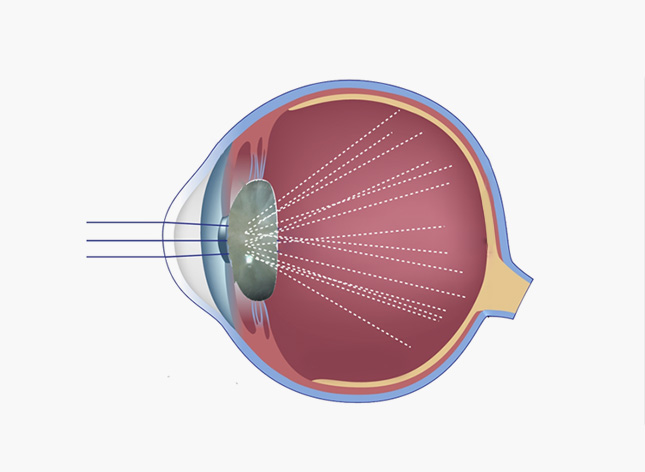
A standard exam includes visual acuity testing, a refraction check for glasses or contact lenses, tonometry to measure eye pressure, and a slit-lamp examination of the front of the eye. Patients from Gasan and Gwanak visiting for the first time are often surprised at how quickly this is completed compared to clinics back home.
If indicated, the doctor may add a dilated fundus exam or OCT retinal imaging to check the back of the eye. All findings are explained clearly in English before you leave, so you understand your results and any recommended follow-up.
Booking Your Appointment Online
Most private clinics, including Nunehim Eye Center in Guro-gu, use the Naver Booking system for fast online scheduling. Walk-ins are usually possible too, but booking ahead is recommended for foreigners who want to guarantee English-language support and minimize wait times, especially for patients traveling in from Yeongdeungpo or further across Seoul.
Q. When Should I See a Doctor in Seoul Urgently?
- Sudden vision loss or significant blurring
- Any eye trauma or injury
- New flashes of light or a sudden increase in floaters
- Severe eye pain
- Sudden double vision
- Chemical exposure or splash to the eye
Before
Book via Naver, and note your current prescription, medications, and any allergies.
During
Registration, a 30–45 minute exam, and a consultation with the doctor in English.
After
Prescription or treatment recommendation, a digital receipt for insurance, and follow-up booking if needed.
A Note From Dr. Daniel Baik
“Many of the expat patients I see in Guro are visiting a Korean eye clinic for the first time and are surprised at how efficient and affordable the process is. I make sure every foreign patient understands their results clearly in English before they leave, whether they are from Yeongdeungpo, Gasan, or further into Seoul.”
❓ Frequently Asked Questions
Q. Do I need health insurance to get an eye exam in Seoul?
No, many foreigners pay out-of-pocket for exams, which remain affordable; those enrolled in Korea’s National Health Insurance can use it for reduced-cost visits.
Q. Is an eye exam in Korea covered by travel insurance?
Coverage varies by insurer and plan. Ask your insurer what documents are required, and request an itemized receipt or medical note from the clinic if needed.
Q. Can I get glasses or contact lens prescriptions updated the same day?
A glasses prescription may be available after refraction, depending on the examination findings. Contact-lens fitting or additional testing may require more time or a separate visit.
Q. Do I need a referral to see an ophthalmologist in Seoul?
Patients can generally contact a private ophthalmology clinic directly, but referral and coverage rules may vary by hospital level and insurance plan. Check before your visit if you plan to claim benefits.
Q. Are eye exams in Seoul conducted only in Korean?
No, several clinics in the Yeongdeungpo, Guro, and Gasan areas, including Nunehim Eye Center, provide English-language consultations.
Q. How often should I get an eye exam while living in Seoul?
The right interval depends on your age, prescription, symptoms, family history, and eye conditions. Seek care sooner for new symptoms, and ask your ophthalmologist how often you should return.
Q. What if I need specialized care like glaucoma or retina treatment?
Private ophthalmology clinics can manage many conditions directly on-site; Nunehim Eye Center provides glaucoma screening and retinal evaluation for patients across Gwanak and surrounding districts.

Book a Consultation
New to Seoul and need an eye exam? Book an English-language consultation with Korean-American ophthalmologist Dr. Daniel Jinhag Baik at Nunehim Eye Center in Guro-gu.
nunehim.com
📍 Visit Nunehim Eye Center — Guro, Seoul
Convenient access from Guro, Gasan, Gwanak & Dongjak. Near Guro Digital Complex Station (Line 2), with easy reach from Yeongdeungpo as well.
Open Nunehim Eye Center in Google Maps →
Address
551 Siheung-daero, Guro-gu, Seoul · nunehim.com
Hours
Mon–Fri 09:00–18:30 (lunch 13:00–14:00), Sat 09:00–14:00
Languages
Korean & English
Related guides
- Cataracts in Seoul: symptoms, surgery, and what to expect
- Dry eye syndrome in Seoul: causes, symptoms, and treatment
- Children, myopia & screen time in Seoul: when to book a myopia check
About the author: Dr. Daniel Jinhag Baik, MD, is a Korean-American ophthalmologist and the director of Nunehim Eye Center in Seoul, near Guro Digital Complex Station. Fluent in English and Korean, he welcomes international patients for comprehensive eye exams, vision correction, cataract, and general eye care.


Leave a comment