Dry Eye Syndrome in Seoul: Causes, Symptoms & Treatment for Expats
A practical guide to diagnosis, daily care and English-language eye exams in Guro, Gasan, Gwanak and Yeongdeungpo
Quick Answer
Dry eye syndrome Seoul patients most often have is a chronic imbalance of the tear film, caused either by too few tears or, more commonly, tears that evaporate too quickly because the eyelid oil glands are blocked. Typical signs are burning, grittiness, redness, blurred vision that clears with blinking, and paradoxical watering. Treatment is stepwise: eyelid hygiene, the right drops, environmental changes, and in-clinic options such as IPL or punctal plugs. An exam by an ophthalmologist, with tear-film and gland testing, decides which step you need.
Q. What is dry eye syndrome and what causes it?
Dry eye syndrome is a multifactorial disease of the ocular surface in which the tear film becomes unstable. If you live in Seoul and your eyes sting by mid-afternoon, you are far from alone. At Nunehim Eye Center in Guro-gu, we see office workers from Yeongdeungpo, Gasan Digital Complex and Guro Digital Complex, students from Gwanak, and many foreign residents who say the problem began after they moved to Korea.
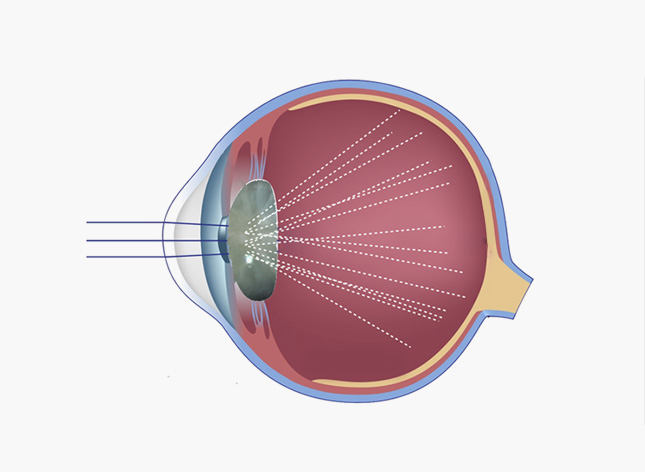
The tear film has three layers: an oily outer lipid layer made by the meibomian glands in your eyelids, a watery middle layer from the lacrimal glands, and an inner mucin layer that helps tears spread over the cornea. A fault in any layer causes symptoms. Meibomian gland dysfunction (MGD) is considered the leading cause of evaporative dry eye. If you want the deep dive, read our guide to meibomian gland dysfunction in Seoul.
Seoul adds its own triggers. Winter ondol and office heating drop indoor humidity sharply, spring brings yellow dust and fine particulate days, and long hours in air-conditioned offices and on public transport screens mean people blink less. Contact lens wear, previous LASIK or LASEK, menopause, autoimmune conditions, and some medicines (antihistamines, certain acne and antidepressant drugs) also contribute.
Q. What are the symptoms of dry eye?
The most common symptoms are burning or stinging, a gritty feeling as if sand is in the eye, and redness that worsens through the day. The list below covers what patients usually describe:
Dry Eye at a Glance
▸ The tear film has three layers: lipid, aqueous and mucin, and any one can fail.
▸ Meibomian gland dysfunction is considered the leading cause of evaporative dry eye.
▸ The 20-20-20 rule: every 20 minutes, look 20 feet (about 6 m) away for 20 seconds.
▸ Dry eye is classed as a multifactorial disease of the ocular surface, so one drop rarely fixes it.
Q. What daily habits help dry eye for people working in Seoul?
Small habits make a measurable difference. Commuters from Gwanak and Gasan who spend an hour on the subway looking at a phone should remember that concentrating on a small screen reduces blinking. Set a reminder to blink fully, place your monitor slightly below eye level so the eyelids cover more of the surface, and direct vents or heaters away from your face. A desktop humidifier is worth it in winter, and a wide-rimmed pair of glasses helps on windy or dusty days. Drink enough water, and discuss omega-3 supplements with your doctor rather than starting them blindly, since evidence is mixed.
Cosmetics matter too. Eyeliner placed on the inner lid margin can block the gland openings, and old mascara is a source of bacteria. Remove eye makeup fully every night, and avoid sleeping with lenses in. Office workers in Yeongdeungpo and Guro often tell us their symptoms improve most when they combine a short warm-compress routine with scheduled screen breaks, rather than relying on drops alone.
Q. How is dry eye treated?
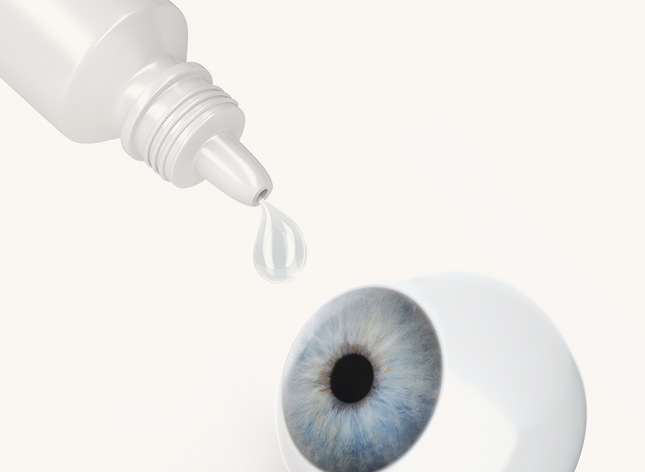
Treatment works best as a ladder. Step one is lifestyle and eyelid care: a warm compress for several minutes once or twice daily, gentle lid cleaning, conscious full blinks, a humidifier, and screen breaks. Step two is drops. Preservative-free artificial tears suit frequent use, while lipid-containing drops help evaporative dry eye. Our comparison Are all artificial tears the same? explains how to choose.
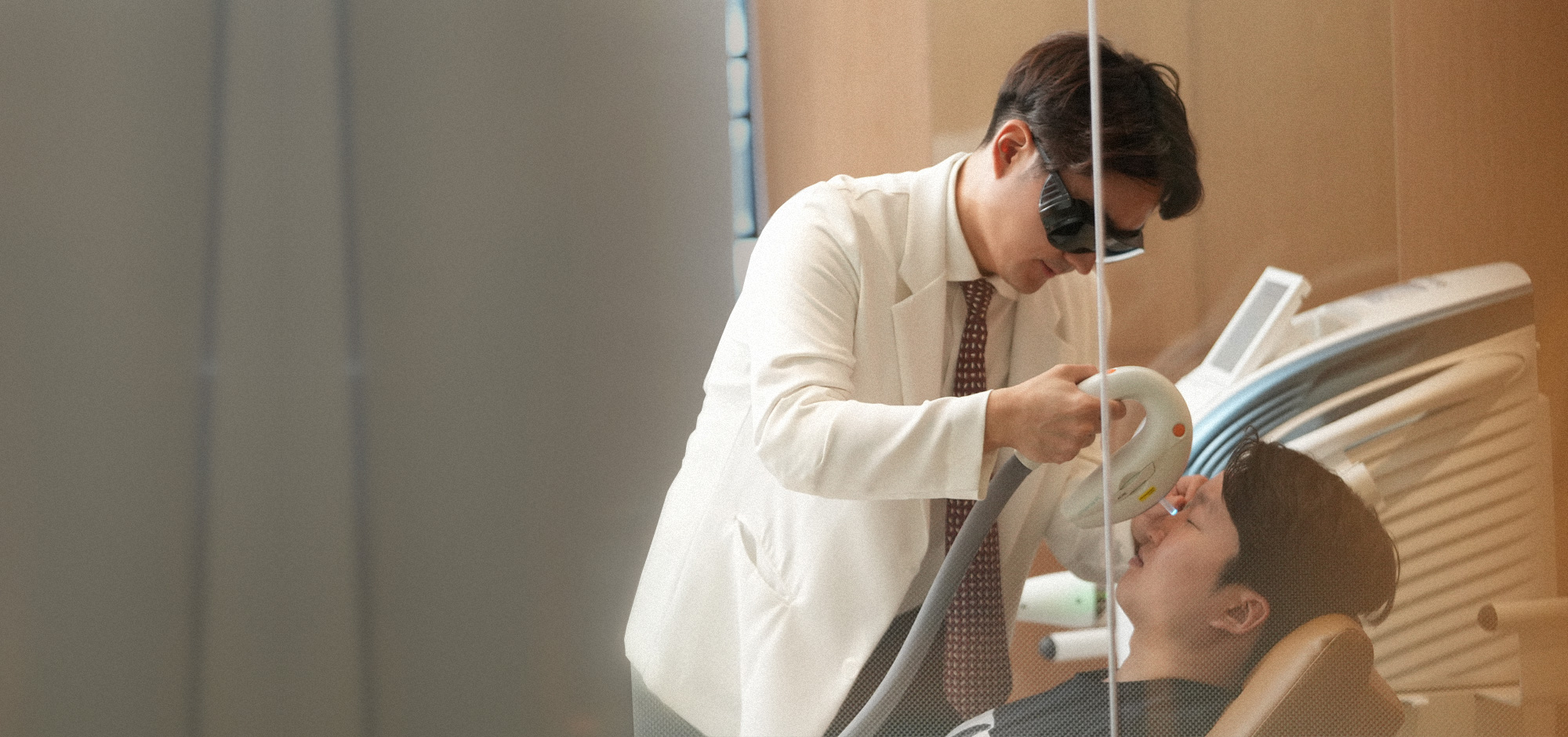
Step three covers prescription and procedural options when drops are not enough: anti-inflammatory drops such as cyclosporine, secretagogue drops, punctal plugs to keep tears on the eye, and thermal or light-based gland treatment. We compare options in IPL vs eye drops for dry eye. Which step is right depends on your exam findings, not on how bad it feels.
Q. What should expats know about getting a dry eye exam in Korea?
Book through Naver Booking or ask for an English consultation; an exam in English is available at Nunehim Eye Center. Bring your passport or Alien Registration Card (ARC), your current drop and medication names, contact lens details, and any records from home. In general, residents enrolled in Korean National Health Insurance pay a share of the exam cost, while some tests, procedures and products may be self-pay. Coverage varies by item, so ask the clinic for a current quote. A typical visit includes history, vision check, slit-lamp exam, tear-film assessment and eyelid gland evaluation, then a plan explained in English. Clinics in Guro, Yeongdeungpo, Gasan and Gwanak are all within easy reach on Line 1, 2 and 7.
Q. What happens during a dry eye visit at a Korean eye clinic?
A typical Korean eye clinic visit is efficient. After registration you will usually complete a symptom questionnaire, then have vision and eye pressure measured. The doctor examines the cornea, conjunctiva and eyelid margins under the slit lamp, often using a dye to see surface damage and checking how long the tear film stays intact. The meibomian glands may be pressed to judge the quality of the oil they release. Results are explained the same day, with a written plan for drops, eyelid care and a follow-up date. Patients coming from Guro, Gasan, Gwanak and Yeongdeungpo can usually be seen and finished in a single trip. If you need an English explanation, mention it when you book.
Q. When should I see a doctor in Seoul about dry eye?
See an ophthalmologist promptly if any of these apply, because they can signal something more than ordinary dryness:
Q. What are the types and stages of dry eye?
Evaporative
Tears evaporate too quickly because the lipid layer is poor, usually from MGD. Common in screen users and contact lens wearers.
Aqueous-deficient
The lacrimal glands make too little watery tear. More often linked to ageing, autoimmune disease or certain medicines.
Mixed
Many people have both at once, which is why a thorough exam matters before choosing treatment.
A Tip from Dr. Daniel Baik
“If your eyes feel dry at your desk, warm lids work better than another bottle of drops. Hold a warm compress on closed lids for about ten minutes, then massage gently along the lid edge toward the lashes. Do this daily for a month before judging whether it works, and always tell me if you wear contact lenses.” — Dr. Daniel Baik, board-certified ophthalmologist
❓ Frequently Asked Questions
Q. Can dry eye cause blurry vision?
Yes. An unstable tear film distorts light entering the eye, so vision can blur and then clear after a blink. If blur persists, have your eyes examined to rule out other causes.
Q. Do artificial tears cure dry eye?
They relieve symptoms but do not fix the cause. Preservative-free drops are better for frequent use, and evaporative dry eye also needs eyelid care.
Q. Is dry eye worse in Seoul in winter?
Many people notice it. Heated indoor air is very dry, and cold outdoor wind adds to evaporation. A humidifier and regular blink breaks help.
Q. Can I wear contact lenses with dry eye?
Often yes, with adjustments such as different lens material, shorter wearing time and lubricating drops. Some people need a break from lenses while the surface recovers.
Q. Can foreigners see an ophthalmologist in Korea without a referral?
In general, you can book an eye clinic directly; a referral is not usually needed for a clinic visit. Bring your passport or ARC and confirm details when booking.
Q. Does dry eye affect LASIK or LASEK candidacy?
Yes. Ocular surface health is checked before vision correction, and dry eye is usually treated first. This is part of a proper pre-surgical evaluation.
Q. How long does dry eye treatment take?
Mild cases may improve within weeks of consistent care, while chronic MGD often needs ongoing maintenance. Your doctor can set realistic expectations after the exam.

Related reading
Book a Consultation
Persistent dry eyes deserve a proper exam. Korean and English consultations available in Guro-gu, Seoul.
📍 Visit Nunehim Eye Center — Guro, Seoul
Convenient access from Guro, Gasan, Gwanak and Yeongdeungpo, near Guro Digital Complex Station (Line 2).
Address
551 Siheung-daero, Guro-gu, Seoul
nunehim.com
Hours
Mon–Fri 09:00–18:30 (lunch 13–14)
Sat 09:00–14:00
Languages
Korean & English


Leave a Reply