Cataract Surgery Seoul: Symptoms, Lens Options & What to Expect for Expats
A practical guide to cataracts in Seoul, with an English-language consult in Guro
Quick Answer
Cataract surgery Seoul: a cataract is a clouding of the eye’s natural lens that blurs vision, and the only effective treatment is surgery, in which the cloudy lens is replaced with an artificial intraocular lens (IOL). The operation is typically a short outpatient procedure. Expats can arrange an English-language consultation at Nunehim Eye Center in Guro-gu through Naver Booking, with no referral needed.
Q. What is a cataract and what causes it?
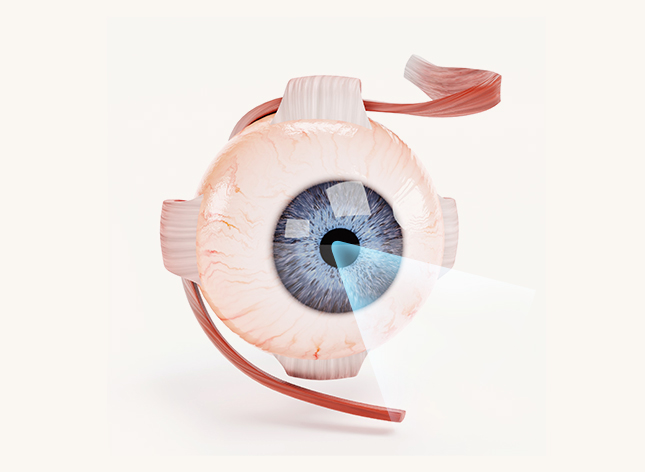
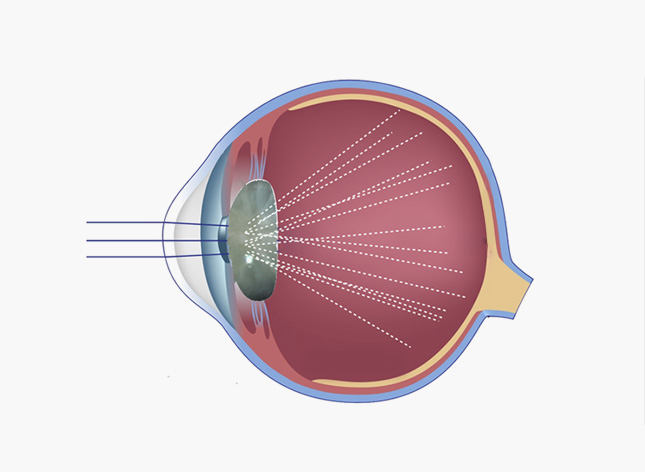
A cataract is a gradual clouding of the natural lens inside the eye, and it is the most common reason people need cataract surgery in Seoul and worldwide. The lens sits behind the pupil and focuses light onto the retina; when proteins in the lens clump and discolor, light scatters and vision becomes hazy. Age is the main cause, which is why many patients from Yeongdeungpo, Guro, Gasan and Gwanak first notice changes in their 50s and 60s. Other contributors include diabetes, long-term steroid use, previous eye injury or inflammation, heavy UV exposure, smoking, and very high myopia. At Nunehim Eye Center we examine the lens with a slit lamp to grade the cataract and rule out other causes of blurry vision.
Q. What are the symptoms of a cataract?
- Cloudy, foggy or “dirty window” vision that glasses no longer fix
- Glare and halos around headlights at night, which makes driving harder
- Colors that look faded or yellowish
- Frequent changes in glasses prescription, or a sudden improvement in near vision (“second sight”) in older adults
- Double vision in one eye or reduced contrast in dim light
Key facts about cataracts
- ▸ Cataracts develop slowly and are painless, so many people adapt without noticing
- ▸ Eye drops, supplements and glasses cannot remove a cataract; surgery is the definitive treatment
- ▸ Surgery is usually done when the cataract affects daily life, not at a fixed stage
- ▸ Cataract and glaucoma can coexist, so pressure and the optic nerve should be checked too
Q. How is cataract surgery done and which lens should I choose?
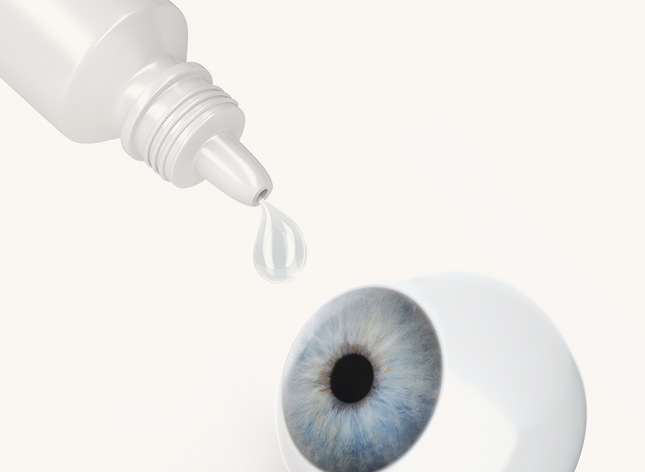
Modern cataract surgery is generally performed under topical or local anesthesia as a day procedure. Through a very small incision, the surgeon breaks up and removes the cloudy lens (phacoemulsification) and places a folded IOL in its place. Most patients go home the same day and use prescribed antibiotic and anti-inflammatory drops for a few weeks.
The main lens choice is between a monofocal IOL, which gives sharp vision at one distance and usually needs reading glasses, and advanced IOLs such as extended-depth-of-focus, multifocal or toric lenses for astigmatism. The right lens depends on your eye health, astigmatism, lifestyle, and tolerance for night-time glare. Our guide to presbyopia surgery and multifocal or EDOF lenses in Seoul explains these options in more detail.
Q. How can expats get cataract surgery in Seoul?
Start with an English consultation: book through Naver Booking and bring your passport or ARC, current glasses, a list of medications, and any previous eye records. Korea does not require a referral to see an ophthalmologist. The doctor will measure your eye for IOL power, check the retina and optic nerve, and discuss lens options and timing. Korean national health insurance generally covers medically necessary cataract surgery with a co-payment for enrolled residents, while premium lenses and some tests may be self-pay; costs differ by lens and insurance status, so ask the clinic for a current quote. Short-term visitors without Korean insurance usually pay self-pay rates, so ask about timing and follow-up visits before planning around a trip home.
Q. When should I see a doctor in Seoul about my eyes?
- Vision that is fading and affecting driving, reading or work
- Sudden vision loss, a curtain over part of the view, or a burst of new floaters
- Severe eye pain, redness with nausea, or halos around lights
- Any eye injury, or new redness and pain after previous eye surgery
Before surgery
Dilated exam, IOL power measurements, review of diabetes, blood pressure and medications.
Surgery day
A short outpatient procedure with numbing drops or local anesthesia. Arrange a ride home.
Recovery
Prescribed drops for several weeks, follow-up checks, and avoiding eye rubbing and heavy strain as advised.
Dr. Daniel Baik’s tip
“Before choosing a premium lens, tell me how much night driving you do and whether you work on a screen all day. Those two habits matter more than the lens brand. If you also have dry eye, we should treat it before measuring, because a dry surface can throw off the lens power calculation.” Dr. Daniel Baik, board-certified ophthalmologist
❓ Frequently Asked Questions
Q. Is cataract surgery painful?
The procedure is done with numbing drops or local anesthesia, so most patients feel pressure rather than pain. Mild irritation afterwards is common and eases over days.
Q. How long does cataract surgery take?
The operation itself is usually short, often around 15 to 30 minutes per eye, though you should plan for a longer visit on the day for preparation and a short rest afterwards.
Q. Can both eyes be done on the same day?
Surgeons usually operate on one eye at a time and the second eye is done after the first has healed. Your doctor will advise on timing.
Q. Will I still need glasses afterwards?
It depends on the lens. A monofocal lens usually leaves you needing reading glasses; advanced lenses can reduce glasses dependence but have trade-offs such as night glare.
Q. Can a cataract come back?
The cataract itself does not return because the lens is removed, but the thin capsule that holds the new lens can later cloud, which a quick laser procedure can usually clear.
Q. Is cataract surgery covered by insurance in Korea?
Medically necessary cataract surgery is generally covered with a co-payment if you are enrolled in national health insurance, while premium lenses may be self-pay. Ask the clinic for a current quote.
Q. Is there an English-speaking cataract doctor near Gasan or Gwanak?
Yes. Nunehim Eye Center in Guro-gu offers Korean and English consultations and is accessible from Gasan, Gwanak, Yeongdeungpo and nearby areas.

Related reading
- Presbyopia surgery in Seoul: LASIK, LASEK and multifocal or EDOF lenses
- How often should you get an eye exam? A guide for expats in Seoul
- Diabetic eye exams in Seoul: when to screen
Book a Consultation
Arrange your cataract consultation in English at Nunehim Eye Center, Guro.
📍 Visit Nunehim Eye Center — Guro, Seoul
Convenient access from Guro, Gasan, Gwanak and Yeongdeungpo. Near Guro Digital Complex Station (Line 2).
Address
551 Siheung-daero, Guro-gu, Seoul
nunehim.com
Hours
Mon–Fri 09:00–18:30 (lunch 13–14)
Sat 09:00–14:00
Languages
Korean & English


Leave a Reply