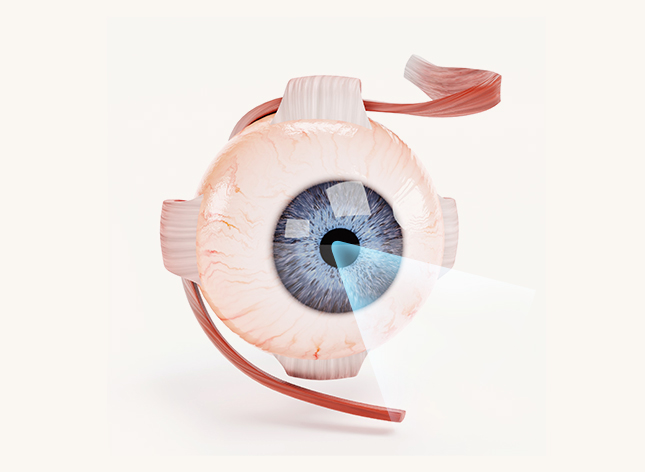
How Often Should You Get an Eye Exam? A Guide for Expats in Seoul
Checkup schedules by age and risk, plus how to book an English-speaking eye exam in Guro, Seoul
Quick Answer
Eye exam how often Seoul? For most healthy adults, a comprehensive dilated eye exam every 2 to 3 years in your 20s and 30s, every 1 to 2 years from 40, and yearly from 65 is a sensible schedule. If you have diabetes, high myopia, a family history of glaucoma, or wear contact lenses, plan on a yearly exam. Expats can book an English-language exam at Nunehim Eye Center in Guro-gu through Naver Booking.
Q. How often should adults get an eye exam in Seoul?
For adults with no symptoms and no risk factors, the general guidance from major ophthalmology bodies is a baseline comprehensive exam in early adulthood, then repeat exams at intervals that shorten with age. The answer to “eye exam how often Seoul” is the same as anywhere: it depends on your age and your risk. Many expats living around Yeongdeungpo, Guro, Gasan and Gwanak assume that a quick vision check at an optical shop is enough. It is not. An optical shop measures refractive error to make glasses; a medical eye exam also checks eye pressure, the optic nerve and the retina, where silent diseases begin. Visit Nunehim Eye Center or any ophthalmology clinic for the full examination.
Q. Who needs more frequent eye exams?
Some people should not wait for the general schedule. High myopia (roughly beyond -6.00 diopters) raises the lifetime risk of retinal tears, detachment and glaucoma. A parent or sibling with glaucoma raises your own risk. Long-term steroid use, previous eye surgery or injury, high blood pressure, and autoimmune disease also justify yearly visits. Korea has one of the highest rates of myopia in the world, so many young adults in Seoul fall into the higher-risk group without realizing it. If you are in this group, read our guides on glaucoma screening in Korea and on eye floaters and when to see a doctor.
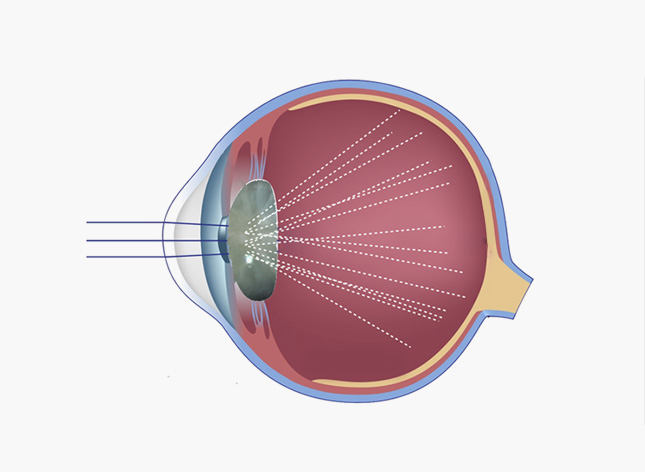
What a comprehensive exam usually checks
Q. What does an eye exam in Seoul cost and how does insurance work?
Korea has universal national health insurance, and a medical eye examination at an ophthalmology clinic is generally covered when there is a medical reason, with a co-payment. Routine checks, vision-correction work and some imaging may be self-pay. The exact amount depends on your insurance status and the tests performed, so we do not quote prices here; please ask the clinic for a current quote when you book.
Foreign residents who are enrolled in the Korean national health insurance (usually with an Alien Registration Card, or ARC) pay co-payments like everyone else. Short-term visitors without Korean insurance typically pay self-pay rates. Travel insurance may reimburse you, so ask for an itemized receipt.
Q. How can expats book an English eye exam in Guro, Seoul?
Book through Naver Booking using the button below, or contact the clinic and request an English consultation. Bring your passport or ARC, your current glasses or contact lenses, any previous eye records or prescriptions in English or Korean, and a list of medications. No referral is needed to see an ophthalmologist in Korea; you can walk into a clinic directly. A typical visit flows from registration, to pre-tests (vision, pressure, imaging), to dilation drops if needed, to the doctor consultation. Dilation usually blurs near vision for several hours, so avoid driving afterwards. Nunehim Eye Center offers Korean and English consultations and is easy to reach from Yeongdeungpo, Gasan and Gwanak.
Q. When should I see an eye doctor in Seoul right away?
Under 40
Baseline exam, then every 2 to 3 years. Go sooner if your prescription changes quickly or you have screen-related strain.
40 to 64
Baseline at 40, then every 1 to 2 years. Pressure and optic nerve checks matter most in this stage.
65 and over
Yearly exams. Cataract, macular degeneration and glaucoma risks all rise with age.
Dr. Daniel Baik’s tip
“Ask for your intraocular pressure and optic nerve findings to be written down at every visit. Glaucoma is slow and painless, and a trend over several years tells me far more than a single reading. If you move between clinics in Korea or abroad, carry that record with you.” Dr. Daniel Baik, board-certified ophthalmologist
❓ Frequently Asked Questions
Q. Can I just get glasses at an optical shop instead?
An optical shop can measure your prescription, but it cannot examine eye health. Eye pressure, the optic nerve and the retina need a medical exam by an ophthalmologist.
Q. Do I need a referral to see an eye doctor in Korea?
No. You can visit an ophthalmology clinic directly without a referral, which makes it easy to book a checkup in Guro, Yeongdeungpo or elsewhere in Seoul.
Q. Will the exam hurt or take long?
The tests are painless. A full exam with dilation commonly takes one to two hours including waiting, and near vision may stay blurry for a few hours afterwards.
Q. How often should children have an eye exam?
Children should have their vision checked regularly, especially if myopia runs in the family. Ask the clinic about an appropriate interval for your child, as it depends on age and prescription.
Q. Does the Korean national health screening replace an eye exam?
No. The national health screening includes only basic vision-related checks and is not a substitute for a full examination with dilation and optic nerve assessment.
Q. Is an eye exam covered by Korean health insurance?
A medical eye examination for a symptom or disease is generally covered with a co-payment if you are enrolled. Ask the clinic for a current quote for your situation.
Q. Can I get an English-speaking eye doctor near Gasan or Gwanak?
Yes. Nunehim Eye Center in Guro-gu offers Korean and English consultations and is accessible from Gasan, Gwanak, Yeongdeungpo and nearby areas.

Related reading
📍 Visit Nunehim Eye Center — Guro, Seoul
Convenient access from Guro, Gasan, Gwanak and Yeongdeungpo. Near Guro Digital Complex Station (Line 2).
Address
551 Siheung-daero, Guro-gu, Seoul
nunehim.com
Hours
Mon–Fri 09:00–18:30 (lunch 13–14)
Sat 09:00–14:00
Languages
Korean & English


Leave a Reply