Retinal Detachment Symptoms in Seoul: Emergency Signs Every Resident and Expat Should Know
Flashes, new floaters or a curtain over your vision? Know what to do in the first hours.
Quick Answer
The main retinal detachment symptoms are sudden flashes of light, a new shower of floaters, and a dark curtain or shadow spreading across your vision. Retinal detachment is a sight-threatening emergency: the sooner the retina is reattached, the better the chance of keeping your central vision. If you notice these signs anywhere in Seoul, including Guro, Yeongdeungpo, Gasan or Gwanak, get a dilated retinal exam the same day. It is painless, so do not wait for pain.
Q. What is retinal detachment and what causes it?
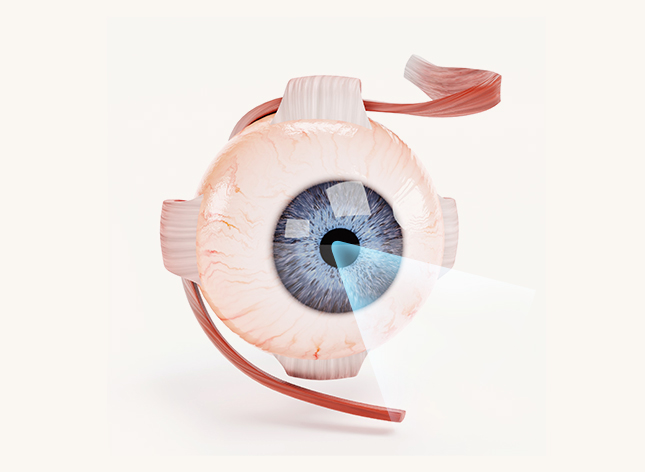
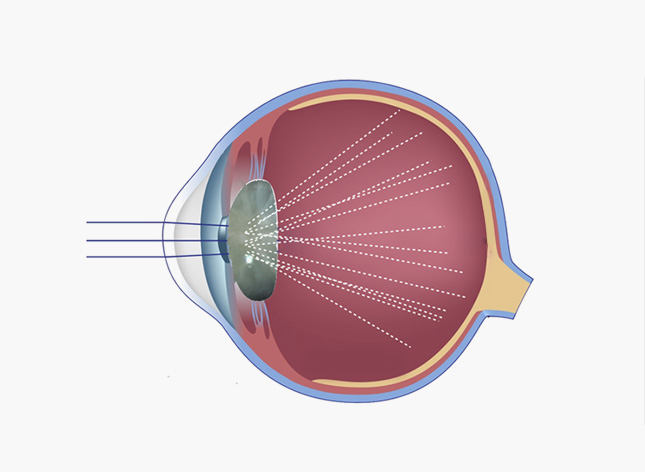
Retinal detachment happens when the thin light-sensing layer at the back of the eye (the retina) pulls away from the tissue that nourishes it. The most common type starts with a retinal tear: as we age, the gel-like vitreous inside the eye shrinks and can tug on the retina, and fluid then passes through the tear and lifts the retina off. Understanding retinal detachment symptoms matters because the retina cannot work once it is separated, and the damage becomes harder to reverse with time. At Nunehim Eye Center in Guro-gu, Dr. Daniel Baik, a board-certified ophthalmologist, sees patients from Yeongdeungpo, Gasan and Gwanak who come in with exactly this worry.
Known risk factors include high myopia (very nearsighted eyes have a longer, thinner retina), previous cataract surgery, eye injury, a family history of detachment, a previous detachment in the other eye, and certain retinal thinning areas such as lattice degeneration. Because Korea has a high rate of myopia, many Seoul residents carry at least one of these risks. For a deeper comparison of the earlier stage, read our guide to retinal tear vs detachment in Seoul.
Q. What are the warning symptoms of a detached retina?
Typically, the first sign is a change in what you see, not pain. The symptoms often appear in this order, but not always:
- Flashes of light (photopsia), often at the edge of vision and most noticeable in the dark or when moving your eyes.
- A sudden shower of new floaters: dots, threads, cobwebs or a swarm of insects, especially if there are many at once.
- A shadow or curtain that begins at the side or top/bottom and moves toward the centre.
- Sudden blur or distortion in one eye, or straight lines that look wavy, which can mean the macula is involved.
- No pain and no redness: a detachment usually does not hurt, which is why people delay.
Retinal detachment at a glance
▸ Often quoted incidence: roughly 1 in 10,000 people per year, higher in high myopia and after cataract surgery.
▸ Among people who develop a sudden posterior vitreous detachment (new floaters/flashes), roughly 10–15% are commonly reported to have a retinal tear.
▸ Repair is done by surgery or laser/cryotherapy; most primary detachments are reattached, though final vision depends on whether the macula was still attached.
▸ Symptoms in one eye are enough: always cover each eye separately to check.
Q. How is a retinal tear or detachment treated?
Treatment depends on how far the problem has advanced. A retinal tear without detachment is often sealed with laser retinopexy or cryotherapy (freezing) in the clinic, which welds the edges and stops fluid from getting underneath. Once the retina has lifted, surgery is needed: pneumatic retinopexy (a gas bubble), scleral buckle (a silicone band around the eye), or vitrectomy, where the vitreous is removed and a gas or oil bubble supports the retina. Read what happens during vitrectomy in Seoul for the step-by-step.
After surgery, positioning your head and avoiding air travel or high altitude while a gas bubble remains are essential, because the bubble expands. Dr. Baik confirms the diagnosis with dilated fundus examination and OCT, and coordinates urgent referral for surgical repair when it is needed.
Q. What should expats in Seoul know before an urgent eye visit?
You can be seen quickly, and you do not need a long process. Book through Naver Booking or message the clinic, ask for an English consultation, and say clearly that you have flashes, new floaters or a curtain in one eye so you are prioritised. Bring your passport or Alien Registration Card (ARC), your glasses or contact lens prescription, and any previous eye records, including cataract or laser surgery details. Korean National Health Insurance covers many medically necessary eye exams and surgeries for enrolled residents, while some tests and uncovered items are self-pay; ask the clinic for a current quote and what your plan covers. If surgery is needed, the clinic can explain the options in English. Travellers and short-term visitors should check their travel insurance before the visit.

Q. What happens during a retinal exam for suspected detachment?
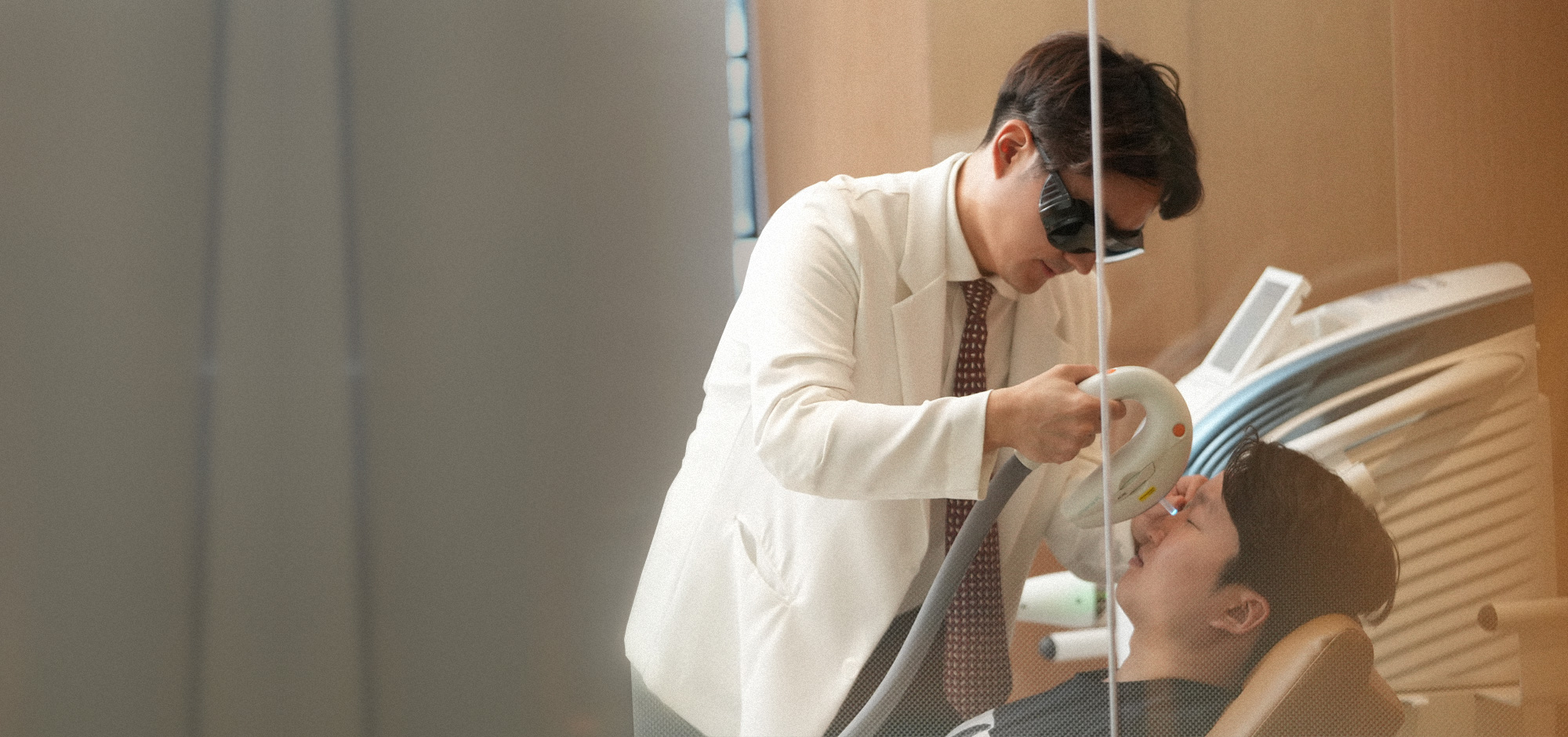
The exam is quick and painless. Dilating drops widen the pupil, which takes about 20 to 30 minutes, so you will be sensitive to light and unable to read comfortably for several hours afterwards; arrange not to drive, and bring sunglasses. The doctor then examines the whole retina, including the far periphery where most tears start, using a slit lamp with a special lens or an indirect ophthalmoscope, and may press gently on the eyelid to see the edge of the retina. An OCT scan of the macula and, where the view is poor, an ultrasound scan can add detail. If a tear is found, treatment can sometimes be arranged very quickly. Patients from Guro, Yeongdeungpo, Gasan and Gwanak often ask whether this will be the same day; when symptoms are typical, we aim to examine promptly.
Q. What should I do while I am travelling to the clinic?
Stay calm and avoid vigorous activity such as running, heavy lifting or contact sports, because rapid eye movement can worsen a detachment. Note when the symptoms began, which eye is affected, and where in your visual field the shadow appears, as this helps the doctor find the tear. Do not rub the eye, and do not wait for the symptoms to settle overnight. Take your medication list, especially blood thinners, and tell the clinic about diabetes, previous laser vision correction or any eye surgery. If you wear contact lenses, take them out and bring your glasses.
- Write down the time symptoms started and the affected eye
- Avoid strenuous exercise and head-down activities until you are examined
- Bring your passport or ARC, prescription and previous eye records
- Ask a friend or colleague to travel with you, since dilated eyes make travel harder
Q. When should I see a doctor in Seoul?
Immediately, the same day. Go straight to an eye clinic or an emergency department with ophthalmology if you notice any of the following:
- New flashes of light, especially repeated or lasting more than a day
- A sudden increase in floaters, or a new dark patch in your floaters
- A curtain, shadow or grey veil in any part of the vision
- Sudden loss of central vision or distortion in one eye
- Any of the above after eye injury, cataract surgery or a head blow
- High myopia, a family history of detachment, or a prior detachment: do not wait to see whether it passes
1. Early warning
Flashes and new floaters. The vitreous is pulling on the retina or a tear has just formed. A dilated exam within 24 hours can often allow a simple laser seal.
2. Detachment developing
A shadow or curtain starts at the edge and grows. Fluid is lifting the retina. Surgery is generally needed and timing matters for the macula.
3. Macula involved
Central vision becomes blurred or distorted. Repair is still important, but vision recovered may be lower the longer the macula was detached.
A practical tip from Dr. Daniel Baik
“If you suddenly see flashes or a shower of new floaters, cover each eye in turn and look at a plain wall or door frame. If one eye shows a shadow or bent lines, do not wait for the morning: go to a clinic that can do a dilated retinal exam today. Also tell the doctor if you have high myopia or past cataract surgery, because that changes how carefully we examine the far retinal edge.” — Dr. Daniel Baik, board-certified ophthalmologist, Nunehim Eye Center
❓ Frequently Asked Questions
Q. Can retinal detachment heal on its own?
No. A detached retina does not reattach by itself, and it needs laser, freezing or surgery. Waiting allows more of the retina to lift and can reduce final vision.
Q. Does a retinal detachment hurt?
Usually not. It is typically painless and not red, so people often delay. Light flashes, floaters and a curtain are the main retinal detachment symptoms, not pain.
Q. Are floaters always a sign of detachment?
No. Most floaters are harmless age-related changes in the vitreous. A sudden increase in floaters, especially with flashes or a shadow, needs an urgent dilated exam. See our article on floaters and flashes for more detail.
Q. Who is most at risk in Seoul?
People with high myopia, previous cataract surgery, eye injury, a family history of detachment, or a detachment in the other eye have higher risk. Because myopia is common in Korea, regular dilated exams are sensible if you are very nearsighted.
Q. Can I fly after retinal surgery?
Not while a gas bubble is in the eye, because altitude makes the gas expand and can raise eye pressure dangerously. Your surgeon will tell you when it is safe, which depends on the gas used.
Q. Do I need an appointment, and is English spoken?
Dr. Baik offers Korean and English consultations. Book on Naver Booking, or contact the clinic, and describe your symptoms so you can be seen promptly. Bring your passport or ARC and previous eye records.
Q. How can I lower my risk?
You cannot always prevent a detachment, but you can wear protective eyewear for sports and DIY work, have a dilated exam if you are highly myopic, and act the same day on new flashes, floaters or a shadow. Regular eye checks help detect weak areas before they tear.

Related reading
- New Floaters and Flashes in Seoul: When It Could Be a Retinal Tear or Detachment
- Retinal Tear vs Detachment in Seoul: Key Differences to Know
- Vitrectomy Explained: What Happens During Retinal Surgery in Seoul
Book a Consultation
Worried about flashes, floaters or a shadow in your vision? Dr. Baik offers Korean and English consultations in Guro, Seoul.
Or visit nunehim.com
📍 Visit Nunehim Eye Center — Guro, Seoul
Convenient access from Guro, Gasan, Gwanak, Yeongdeungpo and Dongjak. Near Guro Digital Complex Station (Line 2).
Address
551 Siheung-daero, Guro-gu, Seoul · nunehim.com
Hours
Mon–Fri 09:00–18:30 (lunch 13:00–14:00), Sat 09:00–14:00
Languages
Korean & English


Leave a Reply