Eye Floaters Causes Seoul: Should You Worry? When to See a Doctor (Expat Guide)
Harmless specks versus retinal warning signs, explained by a board-certified ophthalmologist in Guro, Seoul
Quick Answer
Eye floaters causes Seoul residents ask about most often are age-related changes in the vitreous gel, and most floaters are harmless. But a sudden shower of new floaters, flashes of light, or a dark curtain across your vision can signal a retinal tear or detachment, and needs a dilated retinal exam within 24 hours.
Q. What causes eye floaters?
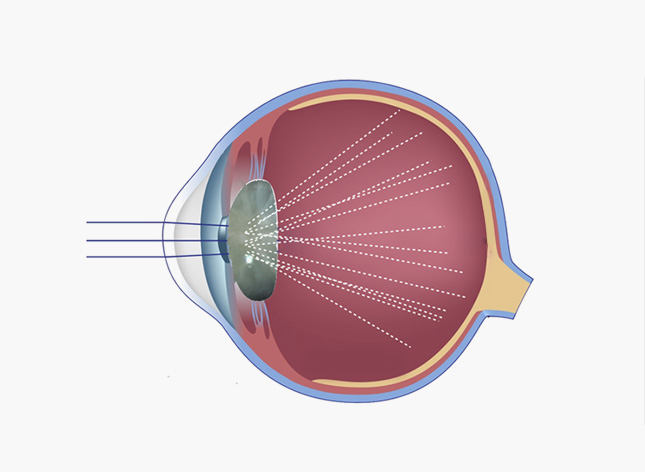
Floaters are small shadows cast on the retina by clumps in the vitreous, the clear gel that fills the back of the eye. If you are searching for eye floaters causes Seoul clinics can explain, the most common answer is posterior vitreous detachment (PVD): as we age the gel shrinks and separates from the retina, leaving strands and rings that drift in your vision. At Nunehim Eye Center in Guro-gu, we see this regularly in patients from Guro, Yeongdeungpo, Gasan and Gwanak, including many foreign residents who are worried by a symptom that appeared overnight.
Other causes include high myopia (the longer eyeball stretches the vitreous), previous eye surgery or injury, inflammation inside the eye (uveitis), bleeding from diabetic changes, and, less often, bleeding caused by a retinal tear. That is why the cause cannot be judged from the symptom alone: the same black dot can be benign or urgent.
Q. Can I live comfortably with floaters that are harmless?
Yes. Once a dilated exam has shown a healthy retina, most people find floaters become less noticeable within a few months as the brain filters them out. They are most visible on bright backgrounds, such as a white spreadsheet, a snowy day or a clear sky over the Han River, so lowering screen brightness, wearing sunglasses outdoors and moving your eyes gently so the floater drifts away from the centre can help. Floaters are not caused by screen use, but tired, dry eyes make you more aware of them, so treat any dry eye at the same time.
Q. What follow-up do I need after a first floater exam?
A tear can sometimes appear days or weeks after the vitreous separates, so a normal first exam does not end the story. We usually advise a re-check after several weeks, and ask you to return immediately if new flashes, a larger shower of floaters or any shadow appears. Patients who are very short-sighted, have had cataract or other eye surgery, or have a family history of retinal detachment may need closer and longer follow-up. If you live or work around Yeongdeungpo, Gasan, Guro or Gwanak, keep your clinic’s booking link saved on your phone so you can act quickly if symptoms change.
Q. What do floaters look like and how do they differ from flashes?
- Floaters: dots, threads, cobwebs or a ring that move when your eyes move and are easiest to see against a white wall or bright sky.
- Flashes (photopsia): brief lightning-like streaks, usually in the side vision, caused by the vitreous tugging on the retina.
- Curtain or shadow: a dark area spreading from the edge of vision. This is a red flag, not a floater.
- Sudden increase: dozens of new specks at once, often described as a “swarm of gnats” or soot.
Floaters by the numbers (approximate figures)
- ▸ PVD, the most common cause, typically begins in the 50s to 60s and is common by older age.
- ▸ Roughly 1 in 10 people who develop sudden symptomatic PVD turn out to have a retinal tear at the first exam.
- ▸ Retinal detachment is uncommon: about 1 in 10,000 people per year, but risk is higher with myopia, prior eye surgery and family history.
- ▸ Many retinal tears can be sealed with an outpatient laser when found early, which is why timing matters.
Q. How are floaters evaluated and treated?
The key test is a dilated fundus exam. Drops widen the pupil so the doctor can inspect the whole retina, including the periphery where tears begin. We often add an OCT scan to look at the macula and vitreous attachment, and an ultrasound if bleeding blocks the view. If a tear is found, laser retinopexy or cryotherapy can seal it before it becomes a detachment.
If the retina is healthy, treatment is usually reassurance and follow-up. Vitrectomy or laser vitreolysis are options only for severe floaters that interfere with daily life, and both carry risks that must be weighed carefully. Supplements and eye drops do not dissolve floaters.
Q. How does an expat get a floater check in Seoul?
Book through Naver Booking, or ask for an English consultation, and tell the staff that you have new floaters or flashes so you are seen promptly. Bring your passport or Alien Registration Card, prior eye records if you have them, your medication list and sunglasses. Korean national health insurance generally applies to enrolled residents for medically necessary eye exams, with a co-payment; visitors and uninsured patients pay themselves, so ask the clinic for a current quote. No referral is needed to visit an ophthalmology clinic directly. Expect history, vision and pressure checks, dilating drops, then the retinal exam. Near vision stays blurry for roughly four to six hours, so do not plan to drive. Our clinic serves Guro, Yeongdeungpo, Gasan and Gwanak by subway and bus.

Q. When should I see a doctor in Seoul about floaters?
Right away, ideally the same day, if you notice any of the following:
- A sudden new shower of floaters
- New flashes of light, especially in one eye
- A shadow, curtain or veil moving across your vision
- Sudden drop in vision or distorted straight lines
- Floaters after eye surgery, injury, or with diabetes or uveitis
Benign PVD
Gradual floaters, little or no flashing, normal retina on dilated exam. Usually followed up and left alone.
Retinal tear
New floaters with flashes. The retina has a break but is still attached. Laser can often seal it as a short outpatient procedure.
Retinal detachment
Shadow or curtain in the vision. This is an emergency needing prompt surgery to protect sight.
Dr. Baik’s clinical tip
“If your floaters are new, do not wait to see whether they settle. Cover each eye in turn and look at a straight edge such as a door frame: a curtain or a bent line in one eye is a reason to be examined that day. Ask specifically for a dilated exam of the peripheral retina, and re-check in the weeks that follow, because tears can appear after the first visit.” — Dr. Daniel Baik, board-certified ophthalmologist

❓ Frequently Asked Questions
Q. Are eye floaters dangerous?
Most are not. Floaters are usually shadows cast by vitreous gel that has become stringy with age. The danger is a floater that appears suddenly, especially with flashes or a shadow in your side vision, because that pattern can mean a retinal tear.
Q. Can floaters go away on their own?
They rarely disappear completely, but the brain learns to ignore them and they tend to drift out of your central vision over weeks to months. If they are not fading or are getting more numerous, have the retina checked.
Q. Do I need a dilated exam for floaters?
Yes, if the floaters are new. Dilating drops let the doctor see the far edges of the retina, where tears start. A normal undilated check can miss them.
Q. How soon should a foreigner in Seoul be seen for new floaters and flashes?
Ideally the same day or within 24 hours. Message the clinic through Naver Booking or call, say “new floaters and flashes”, and ask for the earliest slot. Clinics in Guro, Yeongdeungpo, Gasan and Gwanak can usually advise on timing when you contact them.
Q. Can floaters be treated?
Harmless floaters are usually just monitored. Laser or vitrectomy surgery exists for severe, vision-limiting floaters, but each carries risks, so they are reserved for selected cases after a full discussion with your ophthalmologist.
Q. Does short-sightedness make floaters more likely?
Yes. Myopic eyes tend to develop vitreous changes earlier and have a higher risk of retinal tears, so people with moderate or high myopia should take new symptoms seriously and keep up regular retinal checks.
Q. What should I bring to my appointment?
Your passport or Alien Registration Card, a list of medications, any prior eye records or glasses prescription, and sunglasses for afterwards. Dilating drops blur near vision for several hours, so arrange not to drive.

Related reading
- New Floaters and Flashes in Seoul: When It Could Be a Retinal Tear or Detachment
- Retinal Tear vs Detachment in Seoul: Key Differences to Know
- Floaters After Eye Surgery in Seoul: What Is Normal and What Is Not
Book a Consultation
New floaters or flashes? Get a dilated retinal exam with Korean or English consultation.
📍 Visit Nunehim Eye Center — Guro, Seoul
Convenient access from Guro, Gasan, Gwanak and Yeongdeungpo, near Guro Digital Complex Station (Line 2).
Address
551 Siheung-daero, Guro-gu, Seoul
nunehim.com
Hours
Mon–Fri 09:00–18:30 (lunch 13:00–14:00)
Sat 09:00–14:00
Languages
Korean & English


Leave a Reply